Source Eco-Friendly Burlap Gift Bag for Shopping Travel Outdoor
Compare 30 listings for Eco-Friendly Burlap Gift Bag options suitable for shopping, travel, and outdoor use. Buyers can review specifications like material, size, and customization services to find the right supplier for their needs; compare the available evidence and request quotations based on your requirements.
Key considerations
Products List


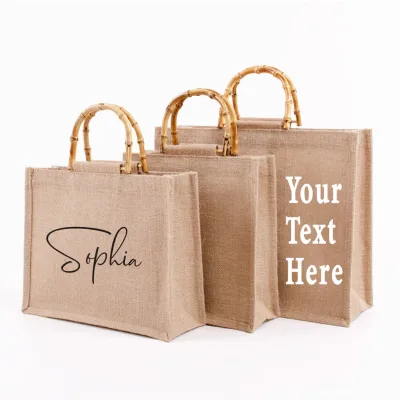


Promotional Eco Friendly Cotton Burlap Bag Jute Gifts Bag Beach with Pocket
$1.53 - $2.65
MOQ: 500 Pieces

5 X 7 Inch Burlap Gift Bags, Small Burlap Bags with Drawstringsburlap Sacks
$0.17 - $0.21
MOQ: 500 Pieces


Custom Logo Christmas Burlap Drawstring Bags with Seal Stickers Gift Candy Bags
$0.45 - $1.20
MOQ: 1000 Pieces


Comprehensive Sourcing Guide
Eco-Friendly Burlap Gift Bag Sourcing Guide
Sourcing eco friendly burlap gift bags requires a clear understanding of material distinctions and supply chain realities. While the core keyword emphasizes burlap, market listings frequently feature jute, cotton canvas, and plastic alternatives under similar sustainability labels. Buyers must verify the actual fiber content to ensure alignment with brand values. Jute is a common natural fiber often grouped with burlap in trade directories, offering durability and a rustic aesthetic suitable for promotional items. However, true burlap, typically made from hessian cloth, may have different texture and strength characteristics. Procurement teams should request physical samples to confirm the hand feel and weave density, as visual images alone cannot distinguish between jute, cotton, and synthetic blends.
The procurement landscape for these items is diverse, with suppliers offering extensive customization options. Many vendors provide logo printing services, allowing brands to imprint corporate messaging directly onto the bag surface. This customization is a key driver for corporate gifting and retail promotions. Buyers should note that customization availability does not guarantee identical lead times or minimum order quantities across all suppliers. Some listings indicate sample dates of seven to ten days, while production lead times can extend to thirty-five to forty-five days. Understanding these timelines is critical for planning inventory around seasonal events or product launches. Early engagement with suppliers helps clarify whether the offered material is genuine burlap or a jute-cotton blend, ensuring the final product meets the intended aesthetic and functional requirements.
Product Scope and Observed Listing Signals
The observed market signals indicate a wide range of product types categorized under eco-friendly shopping and gift bags. Listings frequently highlight items such as cooler bags, tote shopping bags, and grocery shopping bags, often made from materials like jute or cotton canvas. These products are marketed for various uses, including health care products, garments, toys, and digital products packaging. The presence of specific model numbers like MBD22 or NC250916 suggests a standardized inventory system among some suppliers. Buyers should recognize that these model codes may correspond to different material compositions or sizes, necessitating careful cross-referencing with product specifications. The scope extends beyond simple gift bags to include functional items like cooler bags, which may use different insulation materials while maintaining an outer layer of natural fiber.
Customization is a dominant feature in the current listing environment, with many suppliers offering logo printing and custom designs. Attributes such as "Korean Style" or "Fashion" indicate that aesthetic trends play a significant role in product selection. The width of materials is often standardized at 55/56 inches, which is a common industry width for woven fabrics. This standardization can simplify pattern cutting and production planning for buyers. However, the weight of the material varies significantly, ranging from 9 to 220 GSM, which impacts the bag's durability and perceived quality. Lighter weights may be suitable for single-use promotional items, while heavier weights are better for reusable shopping bags. Buyers must align their material weight selection with the intended usage frequency and the brand's sustainability messaging.
Technical Specifications to Verify
Verifying technical specifications is essential to ensure the product meets functional requirements. The number of yarns and the weaving technique, such as woven construction, directly influence the bag's strength and texture. Buyers should confirm whether the bag features a single or double handle, as this affects load-bearing capacity and user comfort. The closure type is another critical specification; open-top designs are common for tote bags, but some applications may require zippers or drawstrings. Dimensions are also vital, with common sizes like 301540cm providing a clear indication of storage capacity. Buyers must ensure that the specified dimensions accommodate their intended contents, whether it be cosmetics, jewelry, or food items.
Material composition and weight are primary technical factors that determine the bag's performance. The observed weight range of 9-220 GSM indicates a broad spectrum of product qualities. Lighter materials may be prone to tearing under heavy loads, while heavier materials offer greater durability but may be less flexible. The presence of features like "Supermarket Shopping Promotion Gift Bag" functionality suggests that some bags are designed for high-volume, low-cost distribution. Buyers should verify the single gross weight, which can impact shipping costs and handling logistics. Additionally, the pattern type, such as letter prints or plain designs, should be confirmed to ensure it aligns with the brand's visual identity. Clear communication of these technical details with suppliers prevents misunderstandings and ensures the final product matches the procurement specifications.
Compliance and Safety Documentation
Compliance and safety documentation are crucial for importing eco-friendly products, particularly those intended for food or cosmetic use. While specific certifications like GOTS or FSC are mentioned in background data, buyers must verify the current status of these certifications for each supplier. GOTS certification ensures organic fiber content, while FSC certification relates to sustainable forestry practices for paper-based components. Buyers should request valid certificates from accredited bodies to confirm that the materials meet international environmental standards. Without verified documentation, claims of eco-friendliness may be unsubstantiated, posing a reputational risk to the buyer's brand. It is important to distinguish between marketing claims and legally recognized certifications.
Safety standards vary by region and product application. For bags used in food packaging, compliance with food-grade material regulations is mandatory. Buyers should inquire about the absence of harmful chemicals, such as heavy metals or toxic dyes, in the printing process. The "Eco Friendly Recycle Reusable" attribute suggests a focus on sustainability, but buyers must verify the recyclability of the specific material blend. Some jute or cotton blends may contain synthetic threads that complicate recycling. Additionally, the origin of the product, often listed as China or Zhejiang, may have specific export requirements. Buyers should ensure that the supplier provides necessary test reports for flammability, tensile strength, and chemical safety, depending on the target market's regulatory environment.
Cost Drivers and Commercial Terms
Cost drivers for eco-friendly bags include material quality, customization complexity, and order volume. The observed price range of 0.05 to 9 USD reflects significant variation based on these factors. Higher GSM materials and intricate logo printing increase production costs. Minimum order quantities (MOQ) typically range from 50 to 5000 pieces, with some suppliers setting specific MOQs like 300 pieces. Buyers must balance their order size against unit costs to achieve optimal pricing. Larger orders generally yield lower per-unit costs but require greater storage capacity and capital investment. Understanding the MOQ structure helps in planning inventory levels and cash flow.
Commercial terms such as delivery dates and packing methods also impact the total cost of ownership. Lead times of 35-45 days are common for customized orders, which may necessitate earlier planning and potentially higher air freight costs if delays occur. Sample dates of 7-10 days allow for quality assessment before full production. Buyers should clarify whether shipping costs are included in the quoted price or if they are separate. Customary packing methods may vary, affecting the number of units per carton and subsequent shipping efficiency. Negotiating clear terms regarding payment methods, warranty, and defect resolution is essential. Buyers should also consider the cost of sample orders, which may be refundable upon placing a bulk order, to reduce initial testing expenses.
Supplier Qualification and Quality Control
Supplier qualification involves assessing manufacturing capabilities and quality control processes. Buyers should verify the supplier's experience in producing woven bags and their ability to handle customization requests. The availability of OEM/ODM services indicates flexibility in design and production. However, buyers must ensure that the supplier has robust quality control measures in place to maintain consistency across large orders. Inspecting the weave density, stitching quality, and print alignment is crucial. Requesting pre-production samples allows buyers to evaluate the actual product before committing to a full order. This step helps identify potential issues with material strength or design accuracy.
Quality control should extend to the packaging and labeling process. The single package size and gross weight information provided by suppliers helps in planning logistics and storage. Buyers should ensure that the packaging protects the bags from moisture and damage during transit. Clear labeling with product details, care instructions, and origin information is important for retail readiness. Establishing a clear communication channel with the supplier for addressing quality issues is vital. Buyers should define acceptable defect rates and procedures for handling non-conforming goods. Regular audits or third-party inspections may be necessary for high-volume orders to ensure ongoing compliance with quality standards. Building a strong relationship with the supplier facilitates better problem-solving and continuous improvement.
Long-Term Procurement Checks
Long-term procurement checks focus on sustainability and supply chain resilience. Buyers should periodically review the supplier's environmental practices to ensure they align with evolving corporate social responsibility goals. This includes verifying the source of raw materials and the disposal methods for production waste. Sustainable sourcing reduces the risk of supply disruptions due to environmental regulations or resource scarcity. Buyers should also monitor market trends for new materials or technologies that could offer better performance or lower costs. Staying informed about industry developments helps in making informed procurement decisions and maintaining a competitive edge.
Relationship management is key to long-term success. Regular communication with suppliers helps in anticipating changes in lead times, pricing, or material availability. Buyers should establish a performance review process to evaluate supplier reliability, quality, and responsiveness. This process can identify areas for improvement and strengthen the partnership over time. Additionally, diversifying the supplier base can mitigate risks associated with single-source dependencies. Buyers should consider developing relationships with multiple suppliers to ensure continuity of supply. By focusing on long-term checks and relationship building, buyers can create a resilient and sustainable procurement strategy for eco-friendly gift bags.
FAQs
Can I customize the logo on these eco friendly burlap gift bags?
Yes, logo printing is available for these items. The product page confirms that customization is offered, allowing buyers to add their branding. This service supports various design needs for promotional or retail purposes. Buyers should contact suppliers directly to discuss specific logo placement and color requirements to ensure the final output matches their brand guidelines.
What is the typical lead time for these bags?
The delivery date is typically 35-45 days. This timeframe applies to standard production runs after sample approval. Buyers planning for large events should account for this duration when scheduling orders. It is advisable to confirm the exact lead time with the supplier, as peak seasons or specific customization requirements may slightly alter the production schedule.
What is the minimum order quantity for these bags?
The minimum order quantity is 300 pieces. This MOQ is explicitly stated for the item. Buyers requiring smaller quantities may need to negotiate or look for different suppliers. Bulk orders often benefit from better pricing tiers, so purchasing above the MOQ can be more cost-effective for large-scale promotional campaigns or retail distribution.
What materials are used for these eco friendly burlap gift bags?
The materials listed include jute and plastic. While the core keyword suggests burlap, the product data indicates jute as a primary material, which is a natural fiber similar to burlap. Some items also list plastic components. Buyers should verify the exact material composition with the supplier to ensure it meets their specific sustainability or durability requirements.
Are these bags suitable for shopping and travel?
Yes, the usage includes travel, shopping, and sports. The product is designed as a tote handle grocery shopping bag, making it practical for daily use. Its sturdy construction supports carrying various items. The open closure type allows for easy access, while the reusable nature aligns with eco-friendly practices for everyday errands and outdoor activities.
What is the weight range for these woven bags?
The weight range is 9-220 GSM. This specification indicates the fabric density, which affects durability and feel. Lighter weights are suitable for promotional giveaways, while heavier weights offer more structure for shopping. Buyers should select the appropriate GSM based on the intended use and the weight of items the bag will carry.