Source Eco Friendly Christmas Beads for Party, Home, and Event Decor
Compare 30 listings for Eco Friendly Christmas Beads suitable for indoor and outdoor applications. Options include wooden beads and plastic tree-shaped packages with various sizes and customization services available from Zhejiang suppliers; compare the available evidence and request quotations based on your requirements.
Key considerations
Products List









Comprehensive Sourcing Guide
Eco Friendly Christmas Beads Sourcing Guide
Sourcing eco-friendly Christmas beads requires a nuanced understanding of material diversity and supply chain transparency. Buyers must distinguish between natural wood, recycled plastics, and other sustainable composites, as each category presents distinct aesthetic and functional properties. The observed market data indicates a wide range of product attributes, from traditional wooden beads to plastic alternatives, necessitating careful verification of material claims. Procurement teams should prioritize suppliers who provide clear material breakdowns and demonstrate adherence to environmental standards, ensuring that the final product aligns with corporate sustainability goals and consumer expectations for genuine eco-friendly decor.
Commercial viability depends heavily on aligning product specifications with target market demands. Listings reveal significant variations in size, weight, and packaging, which directly impact logistics costs and retail presentation. For instance, observed packing sizes and single package dimensions vary widely, influencing how many units fit into standard shipping containers. Buyers must evaluate these logistical factors alongside material quality to determine the true cost per unit. Understanding these operational details allows for more accurate budgeting and prevents unexpected expenses related to oversized packaging or inefficient load planning during international freight transport.
Product Scope and Observed Listing Signals
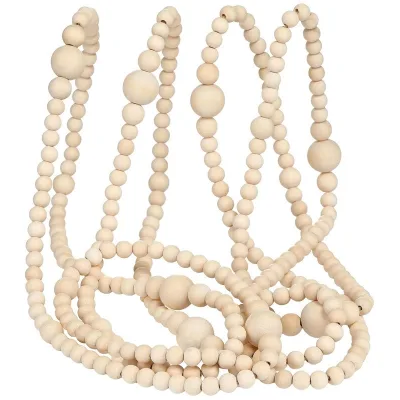
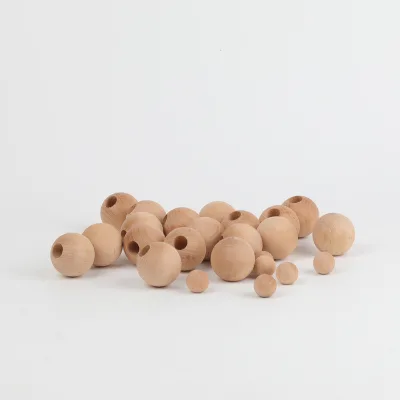
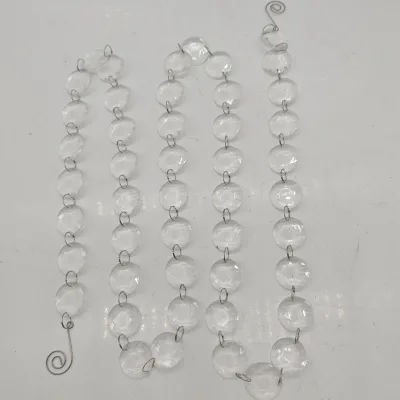
The current market landscape for Christmas beads includes diverse product types, ranging from wooden beads to plastic ornaments and tree-shaped packages. Observed listings highlight specific product names such as "Christmas Wooden Beads" and "Christmas Balls Tree Shape Package," indicating a broad scope of decorative options. These items are often categorized under home decor or Christmas decorations, with design styles varying from bohemian to traditional. Buyers should note that while some products are explicitly labeled as eco-friendly, others may rely on general material descriptions like wood or plastic, requiring further investigation to confirm sustainable sourcing practices and environmental impact claims.
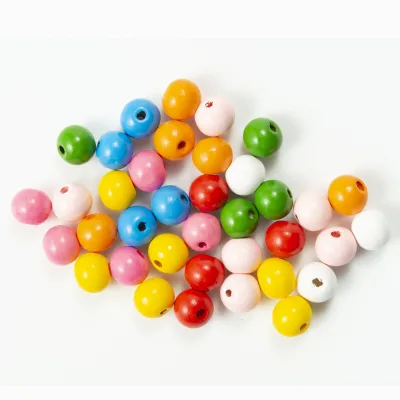
Visual and physical attributes play a crucial role in product selection and buyer decision-making. Data shows variations in color options, including wood color, red, and green, catering to different festive themes and interior design preferences. Weight and dimensions are also critical, with observed weights around 230g and packing sizes like 29303.6cm providing insights into product density and handling requirements. These physical characteristics influence not only the aesthetic appeal but also the practical aspects of storage and display. Procurement teams must carefully review these specifications to ensure the selected beads meet both visual standards and logistical constraints for their specific distribution channels.
Technical Specifications to Verify
Verifying technical specifications is essential to ensure product consistency and quality. Buyers should confirm key dimensions such as length and width, with observed standards ranging from 270cm to 370cm in length. Model numbers like WM241120005 and SYZL-WM-201122055 serve as unique identifiers for tracking and reordering, making it crucial to document these accurately. Additionally, single gross weights and package contents, such as 1PC/OPP Bag+Head Card or 1PC/Roll, must be verified to prevent discrepancies in received goods. These details are vital for inventory management and ensuring that the product matches the initial sample or prototype approved by the buyer.
Material composition and construction methods significantly impact durability and safety. While some products are made from wood, others may use plastic, requiring buyers to specify their preferred material based on sustainability goals and budget. The power source is noted as non-power, indicating these are passive decorative items, which simplifies safety considerations but requires attention to structural integrity. Buyers should request detailed material certificates and construction diagrams to verify that the beads are securely assembled and free from defects. This due diligence helps prevent issues such as loose beads or fragile components that could compromise the product's appearance and functionality during use.
Compliance and Safety Documentation
Compliance with international safety and ethical standards is non-negotiable for Christmas decorations. Buyers must verify that suppliers hold relevant certifications such as BSCI and SGS, which indicate adherence to social compliance and quality management systems. These certifications provide assurance that the manufacturing process respects labor rights and maintains high-quality standards. Additionally, while FSC certification is mentioned in background data, buyers should explicitly request proof of sustainable forestry practices for any wooden products to ensure the eco-friendly claims are substantiated. This documentation is crucial for mitigating reputational risk and ensuring that the supply chain aligns with global environmental and social responsibility expectations.
Safety testing is particularly important for products intended for indoor and outdoor use. Buyers should ensure that all materials, including paints and finishes, are free from harmful substances like lead or phthalates, especially if the beads are used in environments with children. Requesting test reports from accredited laboratories can verify compliance with regional safety regulations, such as those in the EU or US. Furthermore, understanding the loading port and trade terms, such as FOB or CIF, helps in assessing the logistical risks and ensuring that the products are transported under conditions that maintain their integrity and safety until they reach the final destination.
Cost Drivers and Commercial Terms
Understanding the cost structure is vital for effective budgeting and negotiation. Prices for Christmas beads can vary significantly, with observed ranges from $0.02 to $1850, depending on material, complexity, and order volume. Minimum order quantities (MOQs) also vary widely, from 1 to 51840 units, influencing the initial investment required. Buyers should analyze these factors in conjunction with customization options, such as OEM/ODM services and customized logos, which may incur additional costs. By comparing these variables across different suppliers, buyers can identify the most cost-effective solutions that meet their quality and sustainability requirements without exceeding budget constraints.
Payment terms and delivery times are critical components of the commercial agreement. Observed payment methods include Trade Assurance, TT, LC, and Western Union, with common terms like 30% deposit and 70% balance against the copy of the B/L. Delivery times typically range from 3-7 working days for samples and longer for bulk orders, depending on production capacity and customization needs. Buyers should negotiate clear terms that protect their interests, such as using secure payment methods and defining penalties for delays. Understanding these commercial dynamics allows for better cash flow management and reduces the risk of financial loss due to supplier non-performance or logistical disruptions.
Supplier Qualification and Quality Control
Supplier qualification is the first line of defense against quality issues and supply chain disruptions. Buyers should conduct thorough due diligence, including verifying business licenses, production capabilities, and past performance records. The observed origin of products, primarily from Zhejiang, China, provides a geographical context for supplier evaluation, but buyers must look beyond location to assess the supplier's commitment to quality and sustainability. Requesting references and conducting factory audits can provide valuable insights into the supplier's operational practices and ability to meet specific requirements. This proactive approach helps build a reliable supplier base and reduces the risk of partnering with unreliable vendors.
Quality control measures must be integrated into the procurement process to ensure consistent product quality. Buyers should define clear quality standards and inspection criteria, including checks for material integrity, color consistency, and packaging accuracy. Implementing pre-shipment inspections can catch defects before goods are dispatched, saving time and costs associated with returns or replacements. Additionally, establishing a feedback loop with the supplier allows for continuous improvement and addresses any issues promptly. By maintaining rigorous quality control protocols, buyers can ensure that the eco-friendly Christmas beads meet their expectations and deliver a positive experience to end consumers.
Long-Term Procurement Checks
Long-term procurement success depends on continuous monitoring and relationship management. Buyers should regularly review supplier performance metrics, including on-time delivery rates, product quality, and responsiveness to issues. Establishing key performance indicators (KPIs) and conducting periodic reviews helps identify trends and areas for improvement. Building strong relationships with suppliers fosters collaboration and innovation, leading to better product offerings and more favorable commercial terms. By maintaining open communication and mutual trust, buyers can create a resilient supply chain that adapts to changing market conditions and customer preferences.
Sustainability and ethical sourcing should remain central to long-term procurement strategies. Buyers should periodically reassess their suppliers' environmental and social practices, ensuring they continue to meet evolving standards and regulations. Engaging in joint sustainability initiatives with suppliers can drive positive change and enhance brand value. Additionally, staying informed about industry trends and technological advancements allows buyers to identify new opportunities for innovation and efficiency. By prioritizing long-term partnerships and sustainable practices, buyers can secure a competitive advantage and contribute to a more responsible and resilient global supply chain.
FAQs
What materials are used for these Christmas beads?
The product listings indicate that Christmas beads are manufactured from both wood and plastic materials. Buyers can select from wood-colored or red options for indoor decoration. Some items are specified as non-power sources with bohemian design styles. These materials support various festive applications while maintaining a natural or vibrant aesthetic for holiday displays.
Can I customize the logo on these beads?
Yes, customized logos are acceptable for these Christmas decorations. The supplier offers OEM and ODM services to accommodate specific branding needs. Buyers can request custom designs to align with their marketing strategies. This flexibility allows for unique product differentiation in the holiday season market while maintaining standard quality expectations for festive accessories.
What is the typical delivery time for orders?
The standard delivery time is 3-7 working days after order confirmation. Sample preparation typically takes within 7-10 days. These timelines apply to standard production runs. Buyers should consider these lead times when planning inventory for peak holiday seasons. Expedited options may vary based on current factory capacity and specific order requirements.
What certifications do these products hold?
The products hold BSCI and SGS certifications. These credentials verify compliance with social responsibility and quality standards. Buyers can rely on these documented certifications for ethical sourcing requirements. The certifications support market entry in regions with strict regulatory frameworks. This ensures that the festive decorations meet recognized international benchmarks for manufacturing practices.
What are the payment terms for bulk orders?
Payment terms include a 30% deposit and 70% balance against the copy of the Bill of Lading. Trade Assurance is available to secure transactions. Alternative methods like TT, LC, and Western Union are also accepted. These flexible terms facilitate secure international trade. Buyers can choose the method that best suits their financial workflow and risk management preferences.
Where are these Christmas beads manufactured?
These products originate from Zhejiang, China. The loading ports include Ningbo, Shanghai, and Shenzhen. This location provides efficient logistics for global distribution. Buyers can benefit from established supply chain infrastructure in this region. The proximity to major ports ensures timely shipment and reduced transit times for international orders.