Source Pure Royal Jelly for capsules, tablets, and health care
Find 30 listings for Pure Royal Jelly with varying 10-Hda content and packaging options. Buyers can compare specifications for capsules, tablets, and health care products from verified suppliers in China.
Key considerations
Products List


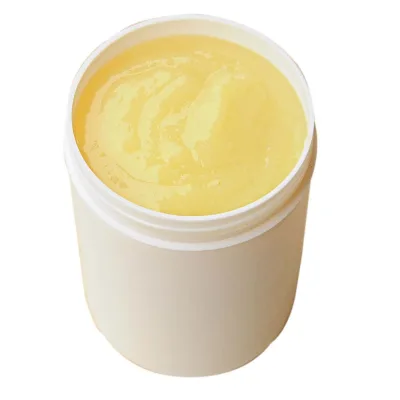
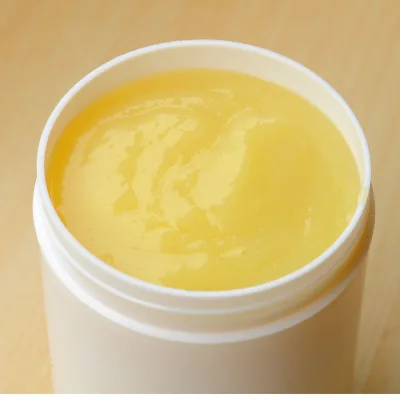
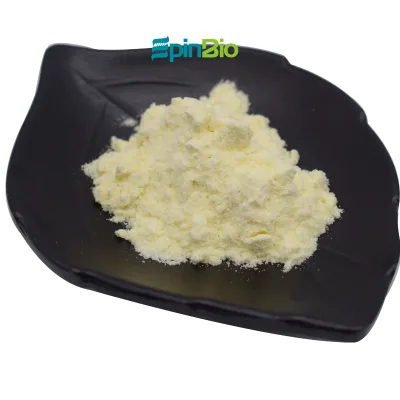


Comprehensive Sourcing Guide
Strategic Sourcing Guide for Pure Royal Jelly Procurement
Sourcing Pure Royal Jelly in the B2B market requires a nuanced understanding of biological variability, processing standards, and rigorous quality assurance protocols. Unlike synthetic commodities, royal jelly is a natural secretion with fluctuating chemical profiles that depend heavily on the hive environment, extraction methods, and post-harvest handling. Buyers entering this sector must navigate a landscape defined by specific active ingredient concentrations, particularly 10-HDA (10-hydroxy-2-decenoic acid), which serves as the primary marker for potency and authenticity. This guide outlines the critical technical, compliance, and operational factors necessary for securing a reliable supply chain while avoiding common pitfalls associated with adulteration and inconsistent quality.
Technical Specifications and Chemical Profiles
The foundation of any royal jelly procurement strategy lies in the precise definition of technical specifications. The market offers royal jelly in various forms, including fresh liquid, freeze-dried powder, and encapsulated products. A critical observation in the current supply data indicates that the active ingredient, 10-HDA, is the primary differentiator between product grades. Suppliers often categorize their inventory based on 10-HDA percentages, with observed specifications ranging from 1.2% to 2.0% in various models. For instance, specific product models such as FRJ14, FRJ18, and FRJ20 correspond to distinct 10-HDA concentrations of 1.4%, 1.8%, and 2.0% respectively.
When evaluating a potential supplier, buyers must verify the assay method used to determine these concentrations. The industry standard for quantifying 10-HDA involves High-Performance Liquid Chromatography (HPLC) or Ultraviolet (UV) spectroscopy. These methods provide the necessary precision to distinguish between genuine royal jelly and products diluted with sugars or other fillers. Beyond the active ingredient, moisture content is a vital parameter, particularly for fresh versus dried forms. Fresh royal jelly typically exhibits a moisture range of 65% to 67.5%, whereas lyophilized (freeze-dried) powder products are required to have moisture levels of 5% or less to ensure stability and shelf life.
Protein content also varies by form, with fresh liquid generally containing between 11% and 16% protein. The physical appearance serves as an initial quality indicator; fresh royal jelly should present as a milk-white liquid, while the powder form is often described as a solid. Acidity is another defining characteristic, with fresh samples typically ranging from 30 to 53ml/100g, while processed or organic variants may show higher acidity levels, such as 90 to 159ml/100g. Buyers should request a Certificate of Analysis (CoA) that explicitly details these parameters against the agreed-upon specification to ensure the product matches the intended application.
Compliance and Certification Verification
In the global health and food supplement market, compliance is not merely a regulatory hurdle but a prerequisite for market access. Royal jelly is subject to strict scrutiny regarding pesticide residues and heavy metals. High-confidence data indicates that reputable suppliers offer products that are free from pesticide residues, with some specifically complying with EU and NOP (National Organic Program) regulations for organic products. This compliance is essential for exporters targeting markets in North America and the European Union, where import thresholds for contaminants are stringent.
Certification status acts as a third-party validation of a supplier's quality management system. The supply data highlights several key certifications that buyers should verify, including ISO, BRC (British Retail Consortium), HACCP (Hazard Analysis and Critical Control Points), and Kosher. The presence of these certifications suggests that the supplier adheres to international standards for food safety and hygiene. For instance, a supplier claiming "Health Care Grade" status should be able to demonstrate that their processing facilities are certified under ISO and HACCP frameworks.
It is important to note that while certifications like FDA and ISO are frequently listed, the specific scope of these certifications must be confirmed. A supplier may hold a general ISO certification, but the buyer must ensure that the specific product line (e.g., fresh royal jelly) is covered under that certification. Similarly, Kosher certification is critical for suppliers targeting Jewish markets or consumers seeking religiously compliant ingredients. Buyers should request current, valid certificates from the issuing bodies rather than relying on marketing claims. The absence of these certifications, or the inability to provide recent documentation, should be treated as a significant red flag during the supplier evaluation process.
Cost Drivers and Pricing Dynamics
The pricing of Pure Royal Jelly is influenced by a complex interplay of factors, including the 10-HDA concentration, processing type, and packaging requirements. The observed price range in the market spans from $0.01 to $150 per unit, a variance that reflects the difference between bulk raw materials and finished, packaged consumer goods. The concentration of 10-HDA is a primary cost driver; products with higher concentrations, such as the 2.0% grade, command a premium over the 1.2% or 1.4% grades due to the scarcity and labor-intensive nature of harvesting high-potency jelly.
Processing type also significantly impacts cost. "Pure" processing methods, which involve minimal filtration and no addition of preservatives or fillers, are more expensive than processed variants. The form of the product—whether fresh liquid, powder, or encapsulated—further dictates the price. Fresh royal jelly requires cold chain logistics, which adds to the overall cost, whereas lyophilized powder is more stable and easier to ship, potentially reducing logistics costs but increasing processing expenses.
Packaging is another variable that affects the final price. Suppliers offer a range of options, from bulk drums (e.g., 25kg drums) to consumer-ready packaging like bottles, sachets, and boxes. The specification of 1kg/bottle with 10 bottles per carton is common for mid-range orders, while bulk buyers may opt for 25kg drums. Minimum Order Quantities (MOQ) vary widely, ranging from 1 unit to 300,000 units, allowing flexibility for both small startups and large manufacturers. Buyers must balance their budget constraints with the need for high-quality specifications, understanding that lower prices often correlate with lower 10-HDA content or less rigorous quality control.
Typical Applications and Product Forms
Pure Royal Jelly serves diverse applications across the health care, food, and cosmetic industries. The versatility of the product is evident in the available forms, which include fresh royal jelly, powder, capsules, and oral liquids. In the health care sector, royal jelly is primarily utilized as a dietary supplement to support immune function and general wellness. The capsule and tablet forms are particularly popular in this segment, offering convenience and precise dosing for consumers.
In the food industry, royal jelly is incorporated into functional foods and beverages. The liquid form is often used as a base for oral supplements or mixed into other food products. The "Fresh Royal Jelly" and "Organic Fresh Royal Jelly" designations suggest applications where the natural state of the product is preserved, appealing to consumers seeking unprocessed ingredients. The "Lyophilized Royal Jelly Powder" is favored for its stability and ease of integration into dry mix formulations, such as protein powders or energy bars.
The application form also dictates the required specifications. For instance, products intended for capsule filling must have a specific particle size and moisture content to ensure proper flow and compression. Oral liquids require a specific viscosity and acidity profile to maintain stability in solution. Buyers should align their product development goals with the specific form and specifications offered by the supplier. If the end product is a capsule, the supplier must provide powder with moisture levels ≤5% and consistent 10-HDA content. If the application is a beverage, the fresh liquid form with its specific moisture and protein profile may be more appropriate.
Supplier Evaluation and Quality Control
Evaluating a supplier for Pure Royal Jelly requires a multi-faceted approach that goes beyond price and basic certifications. Buyers should prioritize suppliers who offer OEM/ODM services, as this indicates a level of flexibility and capability to customize products to specific needs. The availability of customization is a key attribute in the supply data, suggesting that suppliers can adapt packaging, labeling, and even formulation to meet client requirements.
Quality control is paramount in the royal jelly sector due to the risk of adulteration. Buyers should implement a robust quality control protocol that includes third-party testing for 10-HDA content, pesticide residues, and microbial load. The use of HPLC and UV assay methods should be mandatory for verifying the active ingredient content. Additionally, buyers should verify the supplier's ability to provide a detailed CoA for every batch, ensuring traceability from the hive to the final product.
The origin of the product is another critical factor. The supply data indicates that products originate from China, with specific mentions of Shandong as a production hub. While this provides a geographical context, buyers should not assume that all products from this region meet the same standards. Instead, they should verify the specific farm or facility certifications and the supplier's history of compliance with international standards. The "Pure" processing type mentioned in the data suggests a commitment to quality, but this must be validated through on-site audits or third-party inspections.
Long-Term Procurement Considerations
Sourcing Pure Royal Jelly is a long-term commitment that requires careful planning regarding shelf life, storage, and supply chain resilience. The standard shelf life for royal jelly products is typically two years, but this can vary based on the form and packaging. Fresh royal jelly requires strict temperature control to maintain its quality, while powder forms are more stable but still require protection from moisture and light.
Buyers should consider the lead times and production capacity of their suppliers. The wide range of MOQs (1 to 300,000 units) suggests that suppliers can accommodate both small and large orders, but lead times may vary significantly based on the seasonality of royal jelly production. Royal jelly is a seasonal product, and supply fluctuations can occur depending on the beekeeping cycle. Buyers should establish buffer stocks and maintain relationships with multiple suppliers to mitigate the risk of supply disruptions.
Furthermore, the evolving regulatory landscape in the health and food industries necessitates a proactive approach to compliance. Buyers should stay informed about changes in standards for pesticide residues, labeling requirements, and import regulations in their target markets. Engaging with suppliers who are committed to continuous improvement and certification maintenance will ensure that the supply chain remains compliant and competitive in the long term. By focusing on technical specifications, rigorous quality control, and strategic supplier relationships, buyers can secure a reliable source of Pure Royal Jelly that meets the highest standards of quality and safety.
FAQs
What are the available 10-HDA concentrations for Pure Royal Jelly?
Pure Royal Jelly is available in concentrations ranging from 1.2% to 2.0% 10-HDA. Specific product models like FRJ14, FRJ18, and FRJ20 correspond to 1.4%, 1.8%, and 2.0% respectively, allowing buyers to select grades based on potency requirements.
How is the moisture content defined for fresh versus powder forms?
Fresh royal jelly typically exhibits a moisture range of 65% to 67.5%, while lyophilized powder products require moisture levels of 5% or less. This distinction ensures stability for powder forms and maintains the natural state of the fresh liquid.
Which certifications should I verify for compliant Pure Royal Jelly suppliers?
Reputable suppliers often hold ISO, BRC, HACCP, and Kosher certifications. Some products also comply with EU and NOP regulations for organic status, ensuring safety and market access for health care and food applications.
Can I customize packaging for bulk orders of Pure Royal Jelly?
Yes, customization is available for packaging requirements such as 25kg drums, 1kg bottles, or custom sachets. Suppliers offer options like bulk drums or specific bottle configurations to meet diverse client needs and order volumes.
What assay methods are used to verify 10-HDA content?
The industry standard for quantifying 10-HDA involves High-Performance Liquid Chromatography or Ultraviolet spectroscopy. These methods provide the necessary precision to distinguish genuine royal jelly from products diluted with sugars or other fillers.
Where do Pure Royal Jelly products typically originate from?
Products originate from China, with specific production hubs noted in Shandong. Buyers should verify specific facility certifications rather than assuming all regional products meet identical standards for quality and safety.