Source Eco Friendly Chiffon Maxi Dress for events, travel, and daily wear
Compare 30 listings for an Eco Friendly Chiffon Maxi Dress featuring breathable woven chiffon, customizable logos, and various sleeve styles. Buyers can evaluate specifications like length, fabric weight, and seasonal suitability to find the right supplier.
Key considerations
Products List


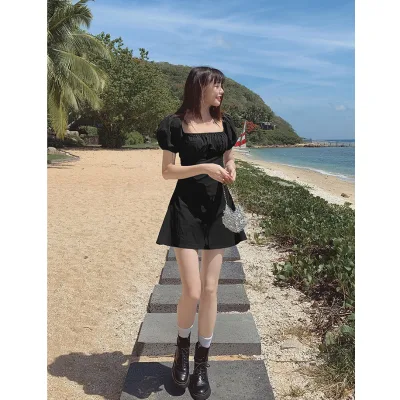


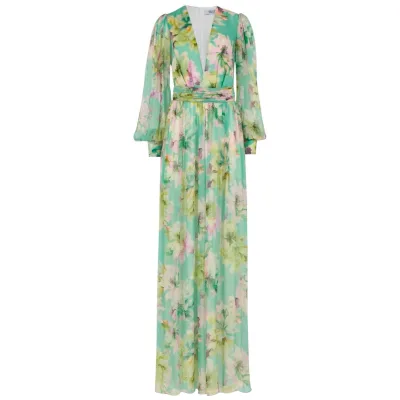
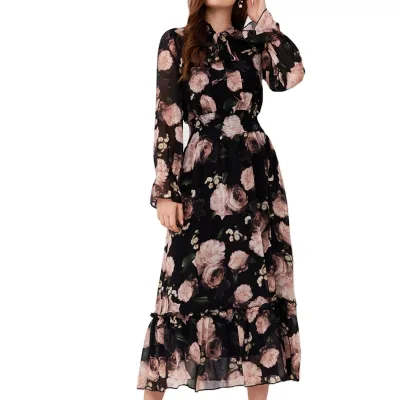
Fashion Custom Lady Chiffon Ruffle Maxi Dress Women Elegant Summer Casual Dress
$11.00 - $17.00
MOQ: 100 Pieces
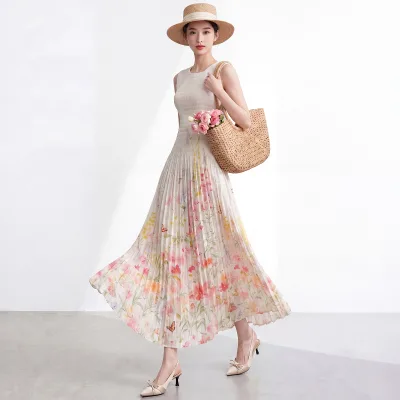


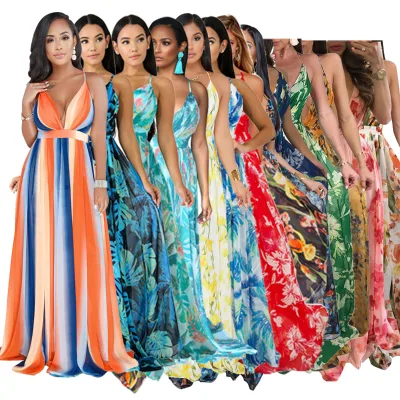


Long Sleeve Chiffon Floral Printed Maxi Dress Ladies Summer Casual Dresses
$6.50 - $9.90
MOQ: 100 Pieces


Comprehensive Sourcing Guide
Sourcing Guide for Eco-Friendly Chiffon Maxi Dresses
The global demand for sustainable fashion has elevated the status of the eco-friendly chiffon maxi dress from a niche category to a mainstream procurement priority. For B2B buyers, sourcing this specific garment requires a nuanced understanding of material science, supply chain transparency, and technical specification alignment. The term "eco-friendly" in the context of chiffon often points to specific weaving methods, dyeing processes, and fabric weights that distinguish high-quality, sustainable inventory from standard mass-market offerings. This guide provides a structured approach to evaluating suppliers, verifying product attributes, and ensuring that the final procurement aligns with both environmental goals and commercial viability.
Understanding Material Composition and Fabric Characteristics
The foundation of any successful procurement for a chiffon maxi dress lies in the precise definition of the material. While the core keyword specifies "chiffon," the market often presents variations that may not meet strict sustainability criteria. Based on available product data, chiffon is a lightweight, plain-woven fabric known for its sheer texture and fluid drape. In the context of eco-friendly sourcing, buyers must verify the fiber content. While some listings indicate cotton or polyester blends, true sustainable chiffon often relies on recycled polyester or specific treatments that reduce environmental impact.
A critical technical attribute to observe is the fabric weight. Data points suggest a standard weight of approximately 180 grams (6.35 oz), which provides a balance between opacity and the characteristic flow of chiffon. Buyers should request fabric swatches to confirm this weight, as lighter weights may compromise durability, while heavier weights may lose the desired aesthetic. Furthermore, the weaving method is paramount; "Woven Chiffon" is the standard designation, but the tightness of the weave affects the fabric's ability to hold prints and its resistance to snagging.
When evaluating the "eco-friendly" claim, the dyeing process becomes a primary verification point. The provided data mentions "Yarn Dye" and "Discharge Printing" as available methods. Yarn dyeing, where fibers are dyed before weaving, often results in superior colorfastness and can be more environmentally efficient than piece dyeing, as it reduces water usage and chemical runoff. Discharge printing is another technique that removes color from the fabric to create patterns, which can be a more sustainable alternative to traditional pigment printing if managed with low-impact chemicals. Buyers must explicitly ask suppliers for details on the chemical agents used in these processes to ensure they align with local and international environmental regulations.
Technical Specifications and Design Variations
The technical specifications of a maxi dress extend beyond fabric choice to include structural elements that define the garment's fit and function. The target product category typically features a "Maxi" length, ensuring full coverage and a flowing silhouette. In terms of fit, the data indicates a "Modern" fit with a "Natural" waistline, which offers a versatile look suitable for various body types. However, buyers should note that the market also presents "Mid-Waisted" and "Loose" style variations. For a cohesive collection, it is essential to define the target fit early in the sourcing process to avoid inconsistencies in the final product line.
Sleeve length and collar style are other critical specifications. While the core keyword focuses on the dress itself, the data reveals a mix of "Sleeveless," "Short Sleeve," and "Long Sleeve" options. Similarly, collar types range from "V Neck" to other styles. The "Eco-friendly" aspect can be enhanced by selecting designs that minimize waste during the cutting process. For instance, a "Loose" style with a "V Neck" may allow for more efficient fabric utilization compared to complex, fitted patterns.
Decoration and detailing also play a significant role in the product's marketability. The data lists "Lace" and "Ruffles" as common decorative elements. When sourcing eco-friendly versions, buyers should verify the origin of these embellishments. Are the lace trims made from recycled fibers? Are the ruffles constructed from off-cuts? Additionally, features such as "Anti-Wrinkle" and "Breathable" properties are highly desirable for summer and spring collections. The data confirms that "Breathable" is a standard feature, which is essential for chiffon's performance in warm weather. Buyers should also check for "Washable" and "Machine Wash" capabilities, as easy care instructions increase the product's appeal to end consumers.
Compliance, Certification, and Environmental Standards
Navigating the landscape of certifications is perhaps the most complex aspect of sourcing eco-friendly apparel. While the provided data does not explicitly list specific certification statuses like GOTS or OEKO-TEX as guaranteed attributes for every item, these standards are the industry benchmarks for verifying environmental claims. Buyers must treat the term "eco-friendly" as a claim that requires third-party validation rather than a self-declared attribute.
The absence of explicit certification data in the general product list underscores the need for rigorous due diligence. Buyers should request valid certificates from suppliers for any product marketed as sustainable. Common standards to verify include OEKO-TEX Standard 100, which tests for harmful substances, and GOTS (Global Organic Textile Standard), which covers organic fiber content and social criteria. Even if a supplier claims compliance, the documentation must be current and traceable to the specific batch of fabric being sourced.
Furthermore, the "Eco-Friendly" feature listed in the data should be cross-referenced with the supplier's manufacturing practices. This includes inquiries into water treatment facilities, energy sources used in the weaving and dyeing processes, and waste management protocols. The data mentions "China" and "Guangdong" as origins, regions with varying levels of regulatory enforcement. Buyers should verify that the specific factory location adheres to local environmental laws and international best practices. It is also prudent to check for "Anti-Pilling" and "Durable" characteristics, as longevity is a core component of sustainability; a garment that lasts longer reduces the overall environmental footprint.
Cost Drivers and Pricing Dynamics
Understanding the cost structure of eco-friendly chiffon maxi dresses is vital for budgeting and margin analysis. The observed price range in the market spans from $1.50 to $27.98 USD, a wide spectrum that reflects significant variations in quality, complexity, and certification status. The lower end of this range typically corresponds to standard polyester chiffon with basic printing methods and minimal customization. In contrast, the higher end often includes recycled materials, complex dyeing processes like yarn dyeing, and verified eco-certifications.
Several factors drive these costs. First, the material itself is a primary driver. Recycled polyester or organic cotton chiffon commands a premium over virgin synthetic fibers. Second, the customization level significantly impacts pricing. The data indicates that "Customized Logo" and "Customizable" packing are available. These value-added services require additional setup time and resources, increasing the unit cost. Third, the order volume plays a crucial role. The Minimum Order Quantity (MOQ) ranges from 2 to 2500 units. Smaller MOQs, often associated with "in-Stock Items" or sample orders, carry a higher per-unit cost due to the lack of economies of scale.
Buyers should also consider the "Lead Time Support" for sample orders, which may involve expedited production fees. The "7 Days Sample Order" feature suggests that suppliers can provide quick turnaround for prototypes, but this speed often comes at a premium. When negotiating, buyers should clarify whether the quoted price includes all customization fees, packaging costs, and shipping. It is also important to note that "Bag" packing is a standard option, but "Customizable" packing may incur additional charges.
Supplier Evaluation and Quality Control Protocols
Selecting the right supplier requires a multi-faceted evaluation process that goes beyond price and lead time. Given the technical nature of chiffon and the environmental claims involved, buyers should prioritize suppliers with transparent supply chains and robust quality control systems. The data shows that suppliers offer "Customization" and "Customized Logo," indicating a level of flexibility that is desirable for B2B buyers. However, flexibility must be balanced with consistency.
Quality control should begin at the fabric stage. Buyers must verify the "Fabric Type" and "Weaving Method" against the agreed specifications. For chiffon, checking for consistency in the weave and absence of defects like holes or uneven dyeing is essential. The "Anti-Wrinkle" and "Breathable" features should be tested on finished garments to ensure they meet performance expectations. Additionally, the "Wash" and "Machine Wash" capabilities should be validated through pre-production samples to confirm colorfastness and dimensional stability.
When evaluating suppliers, buyers should look for evidence of their commitment to sustainability beyond marketing claims. This includes asking for detailed process descriptions, factory audit reports, and examples of previous eco-friendly projects. The "Supply Type" being "in-Stock Items" suggests that some suppliers may have ready-made inventory, which can be advantageous for quick replenishment but may limit customization options. For custom orders, buyers should assess the supplier's capacity to handle the specific "prod_model" requirements, such as the "S480" or "lyq005" models mentioned in the data.
Long-Term Procurement and Market Applications
The long-term viability of sourcing eco-friendly chiffon maxi dresses depends on aligning product attributes with market trends and consumer expectations. The data indicates that these dresses are suitable for "Spring," "Summer," and "Spring & Autumn" seasons, making them versatile additions to a seasonal collection. The "Daily" and "Business" occasions listed suggest that the design flexibility allows for a wide range of applications, from casual wear to professional settings.
For long-term procurement, buyers should focus on building relationships with suppliers who can adapt to changing sustainability standards. As regulations tighten and consumer awareness grows, the demand for verified eco-friendly products will likely increase. Suppliers who invest in continuous improvement of their dyeing and weaving processes will be better positioned to meet future requirements. Additionally, the "Customizable" nature of the product allows buyers to differentiate their offerings through unique designs, colors, and features.
The "Multicolor," "White," "Green," "Blue," and "Black" color options provide a broad palette for collection planning. However, buyers should be mindful of the environmental impact of certain dyes, particularly dark colors which often require more water and chemicals. Prioritizing natural or low-impact dyes can enhance the eco-friendly profile of the collection. Finally, the "Feature Cleaning" and "Eco-Friendly" attributes should be leveraged in marketing materials to communicate value to end consumers, ensuring that the procurement strategy translates into market success.
Summary of Key Product Attributes
To facilitate quick reference during the sourcing process, the following table summarizes the key attributes observed in the market for eco-friendly chiffon maxi dresses. This table serves as a checklist for buyers to verify against supplier specifications.
| Attribute Category | Key Specifications & Observations | Verification Requirement |
|---|---|---|
| Material | Chiffon, Polyester, Cotton | Confirm fiber content and origin; request eco-certifications. |
| Length | Maxi, Midi | Verify physical measurements against size charts. |
| Style | Loose, Business, Casual, Modern Fit | Ensure design matches target demographic and occasion. |
| Sleeve/Collar | Sleeveless, Short/Long Sleeve; V Neck | Check pattern efficiency and fit consistency. |
| Features | Breathable, Washable, Anti-Wrinkle, Anti-Pilling | Request lab test results for performance claims. |
| Decoration | Lace, Ruffles, Customized Logo | Verify material source of trims and printing methods. |
| Season | Spring, Summer, Spring & Autumn | Align production schedule with seasonal demand. |
| Origin | China, Guangdong | Assess factory compliance and logistics capabilities. |
| Packing | Bag, Customizable | Confirm packaging sustainability and branding options. |
By adhering to these guidelines and maintaining a rigorous approach to verification, buyers can successfully navigate the complex landscape of eco-friendly chiffon maxi dress procurement. The combination of technical precision, compliance diligence, and strategic supplier selection ensures that the final product meets both environmental standards and commercial objectives.
FAQs
What materials are used for eco friendly chiffon maxi dresses?
These dresses are primarily made from chiffon, polyester, or cotton. Buyers should verify the specific fiber content and weaving method to ensure the fabric meets sustainability goals and provides the desired drape and breathability for summer wear.
Which customization options are available for these dresses?
Customization is available for logos, packaging, and specific design elements. Suppliers offer customized logos and customizable packing options, allowing buyers to tailor the product for their brand while maintaining the core chiffon maxi dress structure.
How long is the lead time for sample orders?
Lead time support is available for 7-day sample orders. This quick turnaround allows buyers to verify quality and design before committing to larger volumes, though specific timelines may vary based on the supplier's current capacity and location.
Can I find suppliers with specific minimum order quantities?
Yes, minimum order quantities range from 2 to 2500 units. Buyers can source in-stock items with low MOQs or negotiate larger volumes with manufacturers to achieve better pricing tiers while securing the eco-friendly chiffon maxi dress specifications.
What washing features do these dresses typically have?
These dresses are generally washable and machine washable. Many listings also highlight breathable and anti-wrinkle features, ensuring the garment remains durable and easy to care for during daily wear or business occasions in warm seasons.
Which fabric weights are standard for this product type?
A standard fabric weight is approximately 180 grams or 6.35 ounces. This weight balances opacity with the fluid drape characteristic of chiffon, ensuring the dress maintains its shape while offering the lightweight comfort required for spring and summer collections.
Where are these dresses typically manufactured?
Manufacturing origins include China and specifically the Guangdong region. Buyers should verify the specific factory location to ensure compliance with local environmental regulations and to assess the supply chain transparency for their sustainable sourcing requirements.