Source Eco Friendly Ceramic Scented Candle for Home, Wedding, and Spa
Find and compare 30 listings for Eco Friendly Ceramic Scented Candle options featuring paraffin and soybean wax variants. Evaluate customization, packaging, and origin details from suppliers in Shanghai and Qingdao to match your specific lighting and decoration needs.
Key considerations
Products List


Decorative Scented Candle From China Candle Manufacturer Scented Candles
$4.20 - $4.70
MOQ: 1000 Pieces


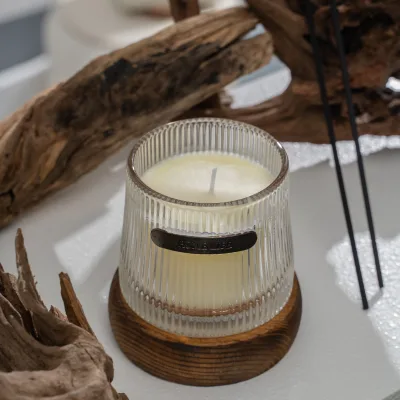


Wholesale Ceramic Scented Candle Soy Wax Decorative Scented Soy Wax Candle
$2.30 - $2.50
MOQ: 1000 Pieces


Comprehensive Sourcing Guide
Eco Friendly Ceramic Scented Candle Sourcing Guide
Sourcing eco-friendly ceramic scented candles requires a nuanced understanding of material sustainability, combustion safety, and supply chain transparency. While the market offers a wide array of candle products, the specific intersection of ceramic vessels and natural wax formulations presents unique procurement challenges. Buyers must distinguish between marketing claims of "eco-friendly" and verifiable attributes such as biodegradable wax types, non-toxic fragrances, and durable, reusable container materials. This guide provides a structured approach to evaluating suppliers, verifying technical specifications, and ensuring compliance with international safety standards for this specialized product category.
The procurement process for ceramic candles involves balancing aesthetic design with functional performance. Ceramic jars offer superior heat retention and reusability compared to glass or plastic alternatives, enhancing the product’s value proposition. However, the manufacturing complexity of ceramic molding, combined with the precise wax-filling processes required for optimal burn times, demands rigorous supplier qualification. Buyers should focus on partners who demonstrate expertise in both ceramic production and candle formulation, ensuring that the final product meets both aesthetic expectations and safety regulations in target markets.
Product Scope and Observed Listing Signals
The observed product landscape reveals a diverse range of candle types, including aromatherapy jars, massage candles, and decorative home lighting options. Listings indicate a strong emphasis on customization, with suppliers offering OEM logo designs and various packaging solutions such as paper boxes, gift boxes, and PVC containers. The presence of handmade attributes and natural design styles suggests a market segment focused on artisanal quality and aesthetic appeal. Buyers should note that while many products share common features like paraffin or soybean wax, the specific material composition varies significantly across different models, requiring careful verification of ingredient lists.
Observed specifications highlight a wide variety of dimensions, weights, and burning times, reflecting the customizable nature of ceramic candle production. For instance, some models feature specific dimensions such as L7.3W7.3H8.7cm or L11.4W11.4H8.4cm, with wax weights ranging from 125g to 175g. Burning times are also variable, with some products offering approximately 4.5 hours of burn time. These variations underscore the importance of defining precise technical requirements before engaging with suppliers, as off-the-shelf solutions may not align with specific brand needs or regulatory constraints in different regions.
Technical Specifications to Verify
Verifying the wax composition is critical for ensuring the "eco-friendly" claim holds true. While some listings mention paraffin wax, others specify soybean wax or other natural ingredients. Buyers must confirm the exact wax type, as paraffin is a petroleum byproduct, whereas soybean or beeswax are often considered more sustainable options. Additionally, the fragrance profile should be scrutinized for natural versus synthetic components. Products labeled with floral, mint, or vanilla scents should be evaluated for ingredient transparency, ensuring that the fragrances do not contain harmful phthalates or allergens that could compromise the product’s safety profile.
The ceramic vessel itself requires detailed technical assessment. Buyers should verify the ceramic material quality, ensuring it is food-safe and suitable for repeated heating cycles without cracking or releasing toxins. The thickness of the ceramic walls and the quality of the glaze are important factors that affect heat distribution and durability. Furthermore, the wick material and placement must be optimized for the specific wax type and container size to ensure an even burn and prevent tunneling. Suppliers should provide detailed technical drawings or samples to allow for thorough evaluation of these physical attributes before mass production begins.
Compliance and Safety Documentation
Safety compliance is paramount for candle products, particularly those intended for home use, weddings, or spa environments. Buyers must ensure that suppliers provide relevant safety data sheets (SDS) for both the wax and fragrance components. These documents should detail flammability ratings, toxicity levels, and first-aid measures in case of exposure. Additionally, compliance with international standards such as ASTM F2417 for candle safety or EN 15494 for aromatic candles may be required, depending on the target market. Buyers should request test reports from accredited third-party laboratories to verify that the products meet these standards.
Labeling and packaging compliance are also essential aspects of safety documentation. Labels must include clear instructions for use, warning symbols, and ingredient lists as mandated by local regulations. For products marketed as eco-friendly, buyers should verify that any environmental claims are substantiated by credible certifications or lifecycle assessments. Misleading claims can lead to regulatory penalties and reputational damage. Therefore, it is crucial to work with suppliers who are transparent about their manufacturing processes and willing to provide comprehensive documentation to support their product claims.
Cost Drivers and Commercial Terms
The cost of eco-friendly ceramic scented candles is influenced by several factors, including the type of wax, fragrance complexity, ceramic quality, and packaging. Natural waxes and essential oil-based fragrances typically command higher prices than their synthetic counterparts. Similarly, high-quality ceramic vessels with intricate designs or custom glazes will increase production costs. Buyers should request detailed cost breakdowns to understand how these variables impact the final price. Understanding these drivers allows for more accurate budgeting and negotiation with suppliers.
Commercial terms such as minimum order quantities (MOQ), payment terms, and shipping methods also play a significant role in the overall procurement cost. Observed MOQs range from 20 to 3000 pieces, with some suppliers requiring higher volumes for customized designs. Payment terms may vary, with common options including Telegraphic Transfer (TT) or Letters of Credit (LC). Shipping terms like FOB (Free on Board) are frequently used, but buyers should also consider the costs associated with inland transportation, insurance, and import duties. Negotiating favorable terms can significantly reduce the total cost of ownership.
Supplier Qualification and Quality Control
Supplier qualification is a critical step in ensuring the reliability and quality of eco-friendly ceramic scented candles. Buyers should conduct thorough due diligence, including site visits or virtual audits, to assess the supplier’s manufacturing capabilities, quality control processes, and ethical labor practices. Suppliers with a proven track record in producing ceramic and candle products are preferable, as they are more likely to have the necessary expertise and infrastructure. Additionally, verifying the supplier’s ability to handle customization requests, such as logo printing or unique packaging, is essential for brand alignment.
Quality control measures should be established at every stage of production, from raw material inspection to final product testing. Buyers should implement a robust quality assurance plan that includes pre-production samples, in-process inspections, and final random inspections. Third-party inspection services can provide an objective assessment of product quality and compliance. Establishing clear quality standards and acceptance criteria in the purchase agreement helps mitigate the risk of receiving substandard products. Regular communication with the supplier regarding quality issues and continuous improvement initiatives is also vital for maintaining high standards.
Long-Term Procurement Checks
Long-term procurement success depends on building a sustainable and resilient supply chain. Buyers should regularly review supplier performance metrics, including on-time delivery rates, product quality consistency, and responsiveness to issues. Establishing a partnership based on mutual trust and transparency can lead to better pricing, priority production slots, and collaborative innovation. Additionally, staying informed about changes in regulations, market trends, and sustainability standards is crucial for adapting procurement strategies over time.
Continuous improvement initiatives should be encouraged through regular feedback loops and joint problem-solving sessions with suppliers. Buyers should also explore opportunities for product innovation, such as new wax blends, fragrance combinations, or ceramic designs that align with evolving consumer preferences. By maintaining a proactive approach to supplier management and market analysis, buyers can ensure that their eco-friendly ceramic scented candle offerings remain competitive and compliant in the long run. This strategic perspective helps mitigate risks and capitalize on emerging opportunities in the growing sustainable home goods market.
FAQs
What customization options are available for these candles?
Customization is available for logo design and specific product attributes. Buyers can request OEM customized logo designs and select from various colors or fragrances like mint and vanilla to match their brand requirements.
Which materials are used to manufacture these scented candles?
The products utilize paraffin wax and soybean wax as primary ingredients. Some items are housed in glass candle jars, while others may use different packaging materials like paper or PVC boxes depending on the specific model.
How long does a typical candle burn before it is finished?
The burning time for these candles is approximately 4.5 hours. This duration applies to specific models listed with a 175g or 160g wax capacity, ensuring consistent performance for home lighting or aromatherapy purposes.
Can I order these candles with a custom color option?
Yes, custom colors are available for many of the listed candle models. Buyers can specify preferences such as black or white, or request other custom shades to align with their event themes or interior decoration needs.
What is the minimum order quantity for these products?
The minimum order quantity varies by supplier but typically starts at 1000 pieces or sets. Some listings indicate a range from 20 to 3000 units, so buyers should verify the specific MOQ for their chosen model.
Where are these candles manufactured and shipped from?
These products originate from manufacturing locations in Shanghai and Qingdao, China. Suppliers offer shipping terms such as FOB, allowing buyers to arrange logistics from these specific Chinese ports for international distribution.
What packaging options are provided for these scented candles?
Packaging includes paper boxes, gift boxes, white boxes, and PVC boxes. Specific models may come in a 350g paper box or other custom packaging solutions to suit retail or wholesale distribution requirements.