Source Eco-Friendly Color Catcher Sheet for Home, Commercial, and Travel
Compare 30 Eco-Friendly Color Catcher Sheet options from verified suppliers. These sheets absorb loose dyes during washing to maintain original colors in home, commercial, and travel settings while offering eco-friendly features and customizable sizes for diverse laundry needs; compare the available evidence and request quotations based on your requirements.
Key considerations
Products List

Color Grabber Color Catchers Laundry Color Catcher Sheet Colour Catcher
$0.70 - $0.80
MOQ: 5000 Pieces


20 Sheets Color Grabber Sheets Color Catcher Sheets Color Grasper for Laundry
$0.26 - $0.29
MOQ: 5000 Pieces


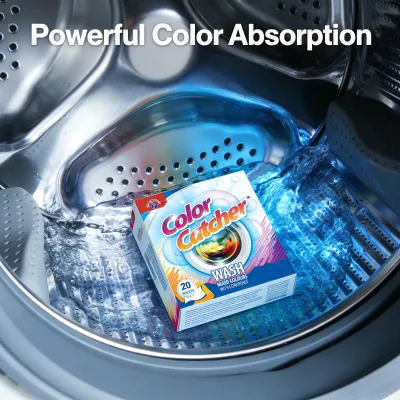
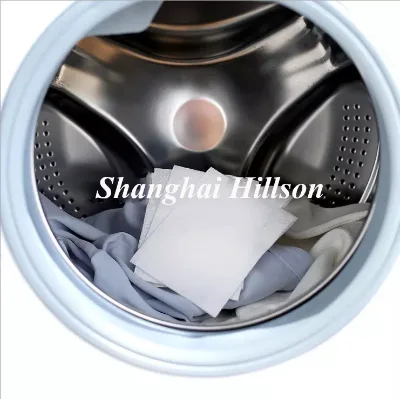
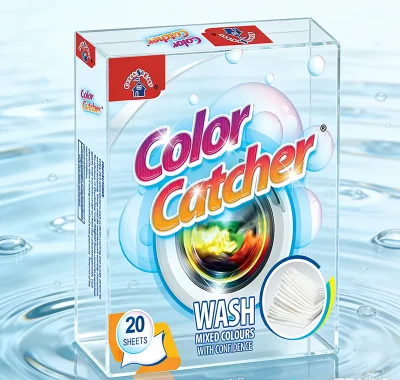
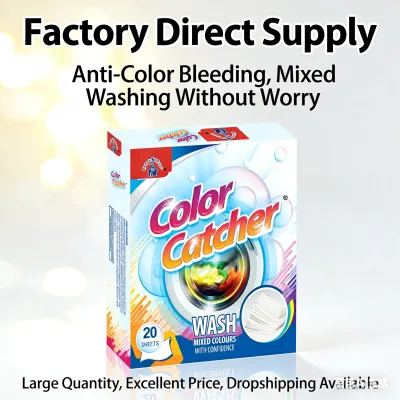
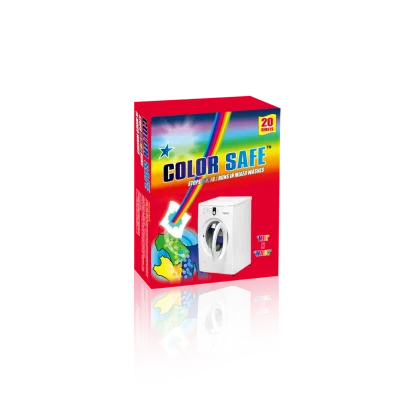
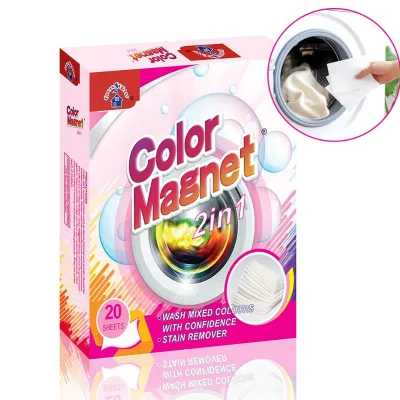


Eco Friendly Color Grabber Laundry Color Capture Sheets Laundry Color Capture
$0.63 - $1.37
MOQ: 1000 boxes


Eco-Friendly Mothproof Grey Waterproof Sheet for Easy Outdoor Setup
$15.00 - $16.00
MOQ: 300 Square Meters
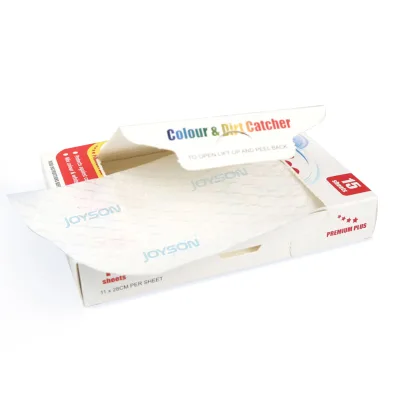
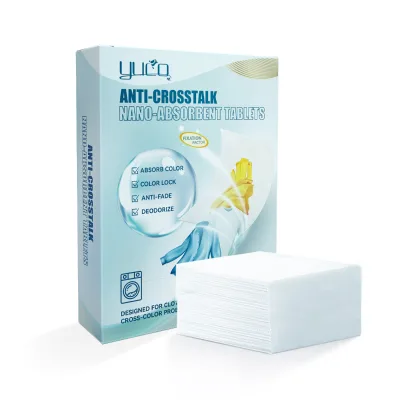
Comprehensive Sourcing Guide
Eco-Friendly Color Catcher Sheet Sourcing Guide
Procurement teams must first distinguish between products designed for general household laundry and those intended for commercial or specialized cleaning applications. The observed market data indicates a clear split in usage scenarios, with some listings specifying "Home" usage while others explicitly target "Household, Commercial Use" environments. Buyers should verify the intended application context before selecting a supplier, as the functional requirements for absorbing loose dyes in a high-volume commercial setting may differ significantly from residential needs.
Additionally, the product attributes reveal a divergence in scent profiles and material compositions that directly impact end-user experience. While some variants are marketed as "Unscented" to appeal to sensitive users, others feature "Floral Scent" or "Natural Fragrance" to enhance the laundry aroma. This variation necessitates a careful review of the "Active Ingredient" content, which ranges from 50% to over 80%, ensuring the selected sheet aligns with the specific cleaning efficacy and chemical sensitivity requirements of the target market.
Product Scope and Observed Listing Signals
Buyers should scrutinize the physical dimensions and shape specifications to ensure compatibility with existing washing machines and packaging logistics. The observed listings provide specific standard sizes such as 2811cm and 4.3in11in, alongside rectangular sheet formats that are critical for proper placement within the drum. It is essential to confirm whether the supplier offers customizable dimensions, as the "could be customized" standard noted in some entries suggests flexibility that may be required for private label branding or specific machine constraints.
The material composition and manufacturing process are equally critical signals for determining product durability and absorption capacity. Most observed products utilize a "Non-Woven" material produced via a "High-Density Spunlace Process," which contributes to the "Disposable" and "Eco-Friendly" characteristics claimed by suppliers. Procurement teams must verify if the "Gram Weight" of 57 G/M2 is consistent across batches, as this metric directly influences the sheet's ability to maintain its structural integrity while absorbing color molecules during the wash cycle.
Technical Specifications to Verify
Verification of the active ingredient concentration is paramount for ensuring the product meets performance expectations for dye absorption. The market data shows a significant variance in "Active Ingredient" content, ranging from inclusive 50% to inclusive 80% or even above 80%. Buyers must request batch-specific test reports to confirm the exact percentage of active components, as lower concentrations may fail to effectively prevent color bleeding in mixed loads, while higher concentrations might be unnecessary for light-duty residential use.
Packaging and unit count specifications require precise validation to avoid discrepancies in inventory management and cost-per-unit calculations. Listings indicate varying packing formats, including "Carton," "Boxes," and bulk options, with specific counts such as "40 SHEETS/ box" or "30 Pieces a Box." It is vital to confirm the "Model Number" associated with each packing configuration, such as Dccs230726 or MS20, to ensure that the ordered quantity matches the physical dimensions and sheet count delivered, preventing potential shortages or overstocking issues.
Compliance and Safety Documentation
Safety documentation must address the chemical composition and environmental impact claims made by suppliers regarding the "Eco-Friendly" nature of the sheets. Buyers should request Material Safety Data Sheets (MSDS) that detail the specific chemical makeup, particularly focusing on the "Active Ingredients" and any potential byproducts from the "High-Density Spunlace Process." This documentation is essential to verify that the product meets local environmental regulations and does not contain prohibited substances that could hinder disposal or recycling efforts.
Furthermore, compliance with hygiene and safety standards is necessary for products claiming "Bacteriostasis" and "Decontamination" functions. Procurement teams must ensure that the supplier can provide evidence of testing for these specific claims, as the "Function" attributes extend beyond simple dye absorption to include health-related benefits. Without verified test results, these functional claims remain unproven assertions that could expose the buyer to liability if the product fails to perform as advertised in a commercial or healthcare setting.
Cost Drivers and Commercial Terms
The observed price range of 0.12 to 16 USD per unit indicates significant variability driven by factors such as active ingredient concentration, packaging type, and order volume. Buyers must analyze the cost structure relative to the "Active Ingredient" percentage, as higher concentrations typically command a premium price. Understanding this correlation is crucial for budgeting, as the lowest price points may correspond to products with lower efficacy, while the higher end of the range likely reflects premium formulations with superior dye-capturing capabilities.
Minimum Order Quantity (MOQ) requirements present another critical commercial variable, with observed ranges spanning from 1 to 20,000 units. Small buyers may find the lower MOQs accessible, but larger enterprises should negotiate based on the higher volume tiers to secure better unit economics. Additionally, the availability of "Customization" options, including logo printing and specific packaging, often incurs additional setup costs or higher MOQs, which must be factored into the total cost of ownership before finalizing the purchase agreement.
Supplier Qualification and Quality Control
Supplier qualification should prioritize manufacturers with a proven track record in producing "Non-Woven" household chemicals from the "Anhui, China" region. The concentration of suppliers in this specific location suggests a mature supply chain, but buyers must verify the specific production capabilities of each vendor to ensure they can consistently meet the "High-Density Spunlace Process" requirements. Establishing a relationship with a supplier who has the technical capacity to maintain consistent "Gram Weight" and sheet dimensions is essential for long-term product stability.
Quality control protocols must be rigorously defined to address the "Disposable" nature of the product and its performance in real-world washing conditions. Buyers should implement a sampling strategy that tests the "Color Catcher" efficacy on various fabric types to confirm the "Maintain Original Color" feature. Additionally, verifying the "Print Logo" acceptance process ensures that branding requirements are met without compromising the structural integrity of the sheet, which is critical for maintaining the product's reputation in the marketplace.
Long-Term Procurement Checks
Sustaining a reliable supply chain requires regular audits of the supplier's ability to maintain consistent "Active Ingredient" levels and physical specifications over time. Buyers should establish a schedule for periodic re-testing of incoming batches to ensure that the "50%-80% Content" or "Above 80%" claims remain accurate throughout the contract period. This proactive approach helps mitigate the risk of performance degradation, which could lead to customer complaints regarding color bleeding or ineffective dye absorption.
Finally, long-term procurement strategies must account for the evolving regulatory landscape regarding "Eco-Friendly" and "Zero Plastic" claims. As environmental standards tighten, suppliers may need to adapt their "Production Process" or material sourcing to remain compliant. Buyers should maintain open communication channels with suppliers to anticipate these changes and ensure that the product continues to meet both current and future sustainability requirements, thereby protecting the brand's commitment to environmental responsibility.
FAQs
What is the active ingredient content in these sheets?
The active ingredient content ranges from 50% to above 80% inclusive, depending on the specific model. This high concentration ensures effective absorption of loose dyes during washing. The material uses a high-density spunlace process for durability. Buyers should verify the exact percentage for their chosen model number to ensure optimal performance for their laundry needs.
Can these color catcher sheets be customized with a logo?
Yes, customization is available for these eco-friendly sheets. Buyers can request printed logos or specific packaging options like boxes or bulk cartons. The sheets are designed for both home and commercial use. Customization allows brands to maintain their identity while utilizing effective dye-absorbing technology. Contact suppliers directly to discuss specific branding requirements and minimum order quantities.
What are the standard dimensions for these sheets?
Standard dimensions include 28 by 11 centimeters or 4.3 by 11 inches. Some models measure 162 by 203 millimeters. These rectangular sheets are made from non-woven material. The size is optimized for standard washing machines. Buyers can also request customized sizes if needed. Always check the specific model number to confirm the exact dimensions before placing an order.
Are these sheets suitable for machine washing?
Yes, these sheets are suitable for both hand wash and machine wash applications. They are designed to absorb color molecules effectively during the wash cycle. The sheets are disposable and feature zero plastic content. They help maintain the original color of garments. Use one sheet per load for best results. They are safe for regular apparel and household laundry needs.
What is the packaging format for these products?
Packaging options include boxes or bulk cartons. Some boxes contain thirty sheets each. The sheets are made from non-woven material with a gram weight of 57 G/M2. Packaging can be customized for OEM requests. The sheets are portable and eco-friendly. Buyers should specify their preferred packaging style when inquiring with suppliers to ensure proper protection during shipping.
Where are these color catcher sheets manufactured?
These sheets are manufactured in Anhui, China. The production process uses high-density spunlace technology. The origin is clearly stated as China for all models. Buyers can verify the place of origin during supplier verification. The manufacturing location ensures consistent quality and supply chain reliability. Always confirm the specific factory details when sourcing for large orders.