Source Eco-Friendly Colorful Dinner Plate for Catering
Compare 30 listings for Eco-Friendly Colorful Dinner Plate options including ceramic, porcelain, and biodegradable materials. Evaluate specifications such as size, weight, and surface finish to find suitable solutions for restaurants, hotels, and event catering; compare the available evidence and request quotations based on your requirements.
Key considerations
Products List


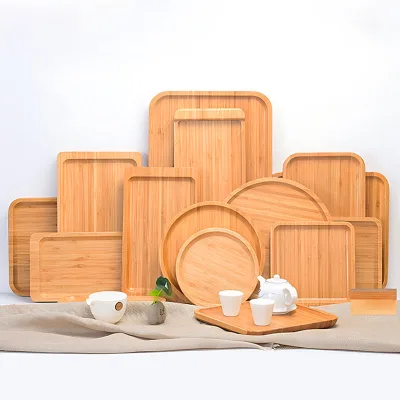


Eco-Friendly Dinner Dessert Plate Pad Printing Porcelain Ceramic Plate Tableware
$0.25 - $0.90
MOQ: 5000 Pieces


Comprehensive Sourcing Guide
Eco-Friendly Colorful Dinner Plate Sourcing Guide
Sourcing eco-friendly colorful dinner plates requires distinguishing between reusable ceramic options and disposable alternatives, as the market presents conflicting product attributes. Some listings explicitly describe items as non-disposable porcelain with glossy or matte glazes, while others highlight bio-degradable materials and single-use packaging. Buyers must carefully align their specific event needs with these material definitions to avoid purchasing the wrong product class for their intended application.
The visual diversity of these plates ranges from neutral earth tones to vibrant multicolor designs, often featuring round, square, or organic free-form shapes. Procurement teams should verify whether the "colorful" aspect refers to the glaze finish on durable ceramics or the natural pigmentation of biodegradable materials. Understanding this distinction is critical for ensuring the selected dinnerware meets both aesthetic requirements and sustainability goals without compromising on functional durability.
Product Scope and Observed Listing Signals
The observed product listings reveal a wide spectrum of specifications, including standard dimensions like 10-inch salad plates and custom sizes up to 30 centimeters. Buyers will encounter models with varying weights, from lightweight 7-gram disposable units to heavier 22-gram ceramic options, indicating a broad scope of potential suppliers. It is essential to cross-reference the listed single package size and gross weight with the actual product dimensions to ensure accurate logistics planning and storage capacity.
Listing signals also indicate significant variability in customization capabilities, with some suppliers offering custom logos and others providing standard packaging. The presence of both "Disposable" and "Non-Disposable" attributes in the same search results suggests a need for rigorous filtering during the sourcing process. Procurement professionals must scrutinize the product model numbers and specific shape descriptions to confirm that the item matches the intended use case, whether for a high-volume event or a permanent table setting.
Technical Specifications to Verify
Technical verification must begin with the physical dimensions and shape consistency, as listings show sizes ranging from 6 inches to 30 centimeters in various configurations. Buyers should confirm the exact diameter and depth specifications, such as the 13x13x1 cm or 30x30x2 cm measurements, to ensure compatibility with existing tableware and serving equipment. The surface finish, whether gloss glaze, matte glaze, or textured, also requires validation to match the desired tactile and visual experience for the end user.
Material composition is another critical technical parameter, with some products identified as ceramic and porcelain while others are described as bio-degradable. Verification of the material ensures the product can withstand the intended service conditions, such as microwave safety for reusable ceramics or compostability for disposable options. Additionally, checking the single gross weight and package dimensions helps in calculating shipping costs and determining the appropriate handling equipment for warehouse operations.
Compliance and Safety Documentation
Compliance verification is paramount when sourcing dinnerware, as listings indicate certifications such as CE/EU, FDA, and CIQ for various product models. Buyers must request current test reports to confirm that the specific batch of plates meets food safety standards for direct contact with food items. The presence of these certifications suggests adherence to international safety norms, but the documentation must be specific to the product model and material composition being purchased.
For eco-friendly claims, documentation regarding bio-degradability and environmental impact should be scrutinized to ensure they are substantiated by recognized standards. While some listings mention FSC certification, this should be treated as a background signal rather than a guaranteed attribute for every item. Procurement teams should demand explicit proof of compliance for the specific material type, ensuring that the "eco-friendly" label is not merely a marketing term but a verified characteristic of the supply chain.
Cost Drivers and Commercial Terms
Cost structures for these products are heavily influenced by the material type, customization level, and order volume, with observed MOQs ranging from 50 to 100,000 pieces. Buyers should anticipate that custom sizes, unique color palettes, and logo printing will significantly increase the unit price compared to standard specifications. The lead time, often described as "according to the quantity," further impacts the total cost of ownership by affecting inventory holding costs and production scheduling flexibility.
Commercial terms must be clearly defined regarding packaging, as options vary from standard cartons to custom paper boxes with specific unit counts. The observed price range of 0.01 to 30 USD highlights the vast difference between disposable and durable options, requiring a clear budget allocation strategy. Procurement negotiations should focus on balancing the unit cost with the minimum order quantity to optimize cash flow while securing the necessary volume for the project.
Supplier Qualification and Quality Control
Supplier qualification requires a deep dive into their manufacturing capabilities, particularly their ability to handle both ceramic and bio-degradable production lines. Buyers should verify the supplier's origin, noting that products originate from regions like Guangdong and Anhui, China, and assess their capacity to maintain consistent quality across different material types. The ability to offer customization, from shapes to logos, indicates a mature supply chain capable of meeting diverse client requirements.
Quality control protocols must be established to ensure that the final product matches the observed specifications regarding weight, size, and surface finish. Regular inspections should focus on the integrity of the glaze, the accuracy of the dimensions, and the consistency of the color palette. Establishing a clear acceptance criteria based on the provided product attributes will help mitigate the risk of receiving substandard goods that fail to meet the eco-friendly or aesthetic standards required.
Long-Term Procurement Checks
Long-term procurement success depends on maintaining a stable relationship with suppliers who can consistently deliver on the specified technical and compliance requirements. Buyers should monitor changes in material availability and certification status, as the market for eco-friendly products is dynamic and subject to regulatory shifts. Regular audits of the supplier's production processes will ensure that the "bio-degradable" or "ceramic" attributes remain consistent over time.
Continuous evaluation of the product performance in real-world scenarios is essential to validate the initial sourcing decisions. Tracking metrics such as breakage rates, customer feedback on the color and texture, and the actual environmental impact of the disposal or reuse process will inform future purchasing strategies. This iterative approach ensures that the procurement of eco-friendly colorful dinner plates remains aligned with both business objectives and sustainability commitments.
FAQs
What certifications do these dinner plates hold?
These dinner plates hold CE/EU, FDA, and CIQ certifications to ensure safety and compliance. Some listings also mention FSC background knowledge, but the primary verified certifications include FDA and CE/EU for food contact safety standards.
Can I request a customized logo on the plates?
Yes, you can request a customized logo on the plates as customization is available for this product. Buyers can specify their branding needs, and suppliers offer options for adding logos to the ceramic or porcelain dinnerware surfaces.
Which shapes are available for these dinner plates?
Available shapes include Round, Square, Oval, Organic/Free-Form, and Rimmed designs. Specific dimensions range from 10 inches for salad plates to 12 inches for dinner sizes, with various color palettes like neutral and earth tones.
How is the product packed for shipping?
The product is packed in PE/Carton, Paper Box, or Standard Packaging depending on the specific order. Some listings indicate 50 pieces per pack and 1000 pieces per carton, ensuring safe transport for bulk orders.
What is the minimum order quantity for these plates?
The minimum order quantity varies, with observed ranges from 50 to 100,000 units. Specific models may require 50,000 pieces, while other options allow for lower quantities starting at 50 units for testing or small batches.
Are these plates microwave safe for daily use?
Yes, these porcelain dinner plates are microwave safe for daily use. They are designed to withstand heating, making them suitable for reheating food while maintaining their structural integrity and glossy or matte glaze finish.
Where are these dinner plates manufactured?
These dinner plates are manufactured in China, specifically in Guangdong and Anhui provinces. The origin location ensures access to established ceramic production facilities capable of meeting various customization and volume requirements.