Source Eco Friendly Coffee Filter Holder for Home Hotel Restaurant
Find 30 Eco Friendly Coffee Filter Holder options from verified suppliers. Compare stainless steel, metal, and wood models with customization services for home, hotel, and restaurant use.
Key considerations
Products List


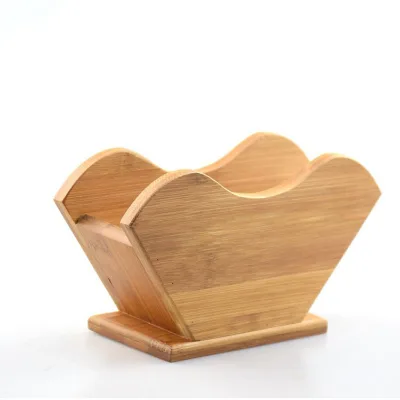
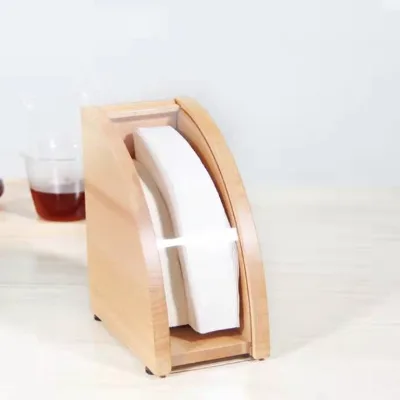
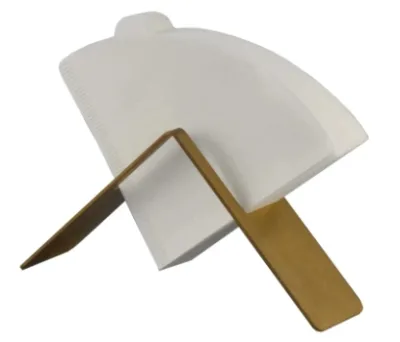
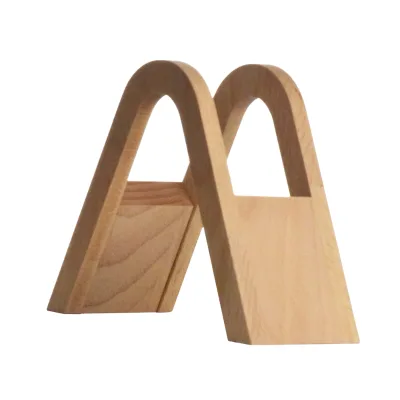
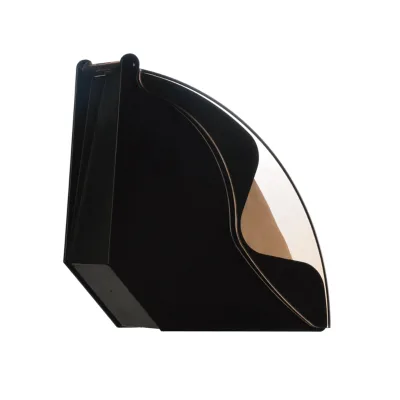
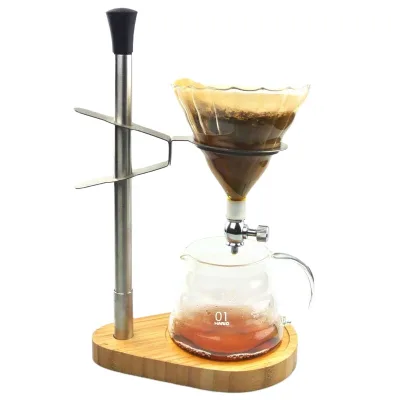
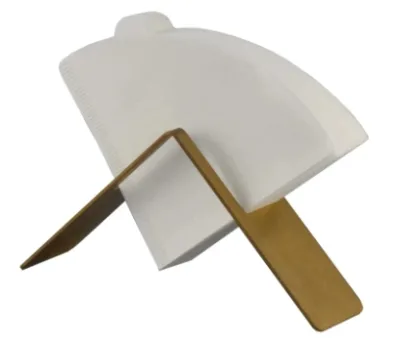
Household Storage Kitchen Accessories Creative Design Coffee Filter Paper Holder
$3.22 - $3.61
MOQ: 180 Pieces



Comprehensive Sourcing Guide
Eco Friendly Coffee Filter Holder Sourcing Guide
Sourcing eco-friendly coffee filter holders requires a nuanced understanding of material science, supply chain transparency, and functional design. The modern hospitality and retail sectors are increasingly prioritizing sustainable alternatives to traditional plastic or non-recyclable paper products. Buyers must navigate a market where "eco-friendly" is a broad descriptor that can encompass biodegradable materials, reusable metals, or sustainably sourced wood. This guide provides a structured approach to evaluating suppliers, verifying technical specifications, and ensuring that procurement decisions align with both environmental goals and operational efficiency. By focusing on evidence-based verification rather than marketing claims, procurement teams can mitigate risk and secure products that deliver genuine value.
The following sections detail the critical steps for sourcing these items, from initial product scope analysis to long-term supplier relationship management. Each section is designed to help buyers make informed decisions by highlighting key verification points, potential pitfalls, and necessary documentation. The goal is to transform vague sustainability claims into actionable procurement criteria, ensuring that the final product meets the specific needs of hotels, restaurants, offices, and home users while adhering to strict quality and compliance standards.
Product Scope and Observed Listing Signals
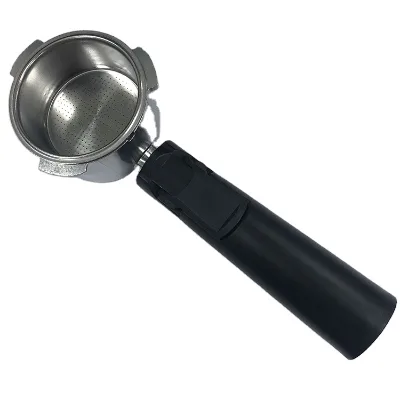
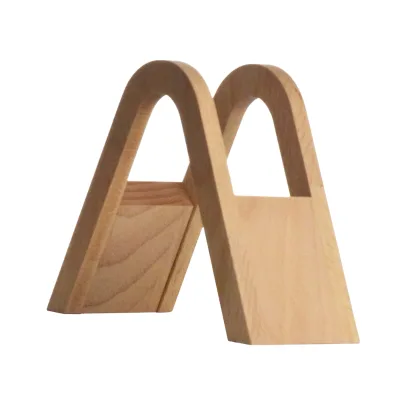
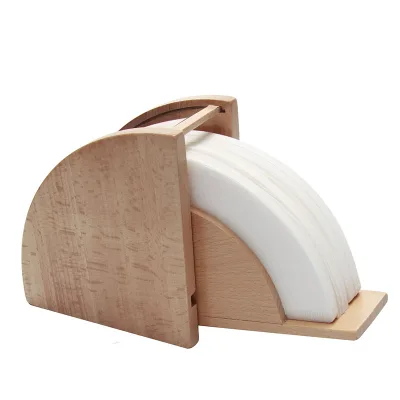
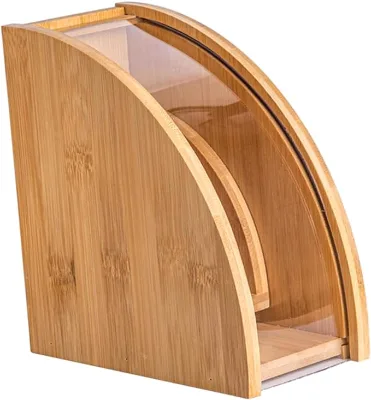
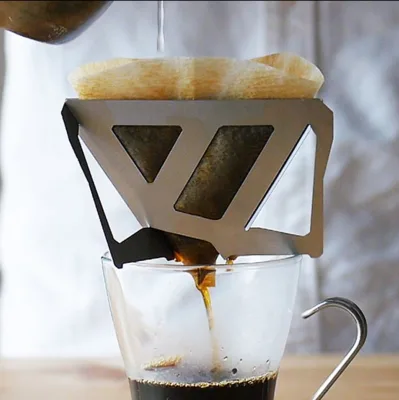
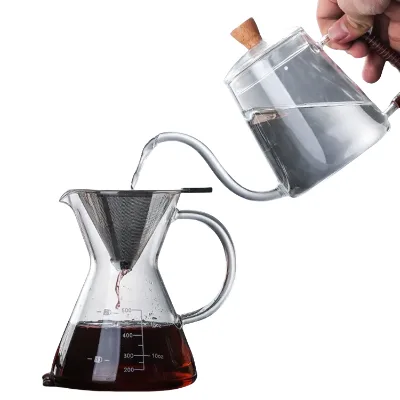
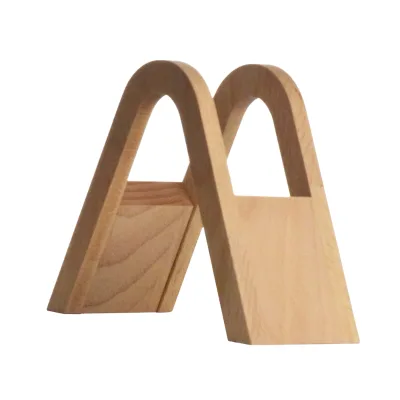
The current market for coffee filter holders presents a diverse range of materials and designs, primarily categorized by their intended use and environmental impact. Observed listings indicate a strong presence of stainless steel and metal options, which are often marketed as durable, reusable, and lightweight solutions for home, hotel, restaurant, and office environments. These products typically feature simple styles and copper or unicolor finishes, emphasizing functionality and aesthetic versatility. Additionally, wooden variants are available, offering a natural, brown aesthetic that appeals to establishments seeking a rustic or organic brand image. Buyers should note that while some products are labeled as disposable, others are explicitly designed for reuse, which significantly impacts their lifecycle cost and environmental footprint.
Listing signals also reveal significant customization capabilities, with many suppliers offering OEM custom services and logo personalization. This is particularly relevant for brands looking to integrate their identity into tableware or coffee service accessories. Packaging varies from standard white or color boxes to brown cardboard, with some suppliers offering customized packing solutions such as 100 pieces per bag or six bags per carton. The observed product names and keywords, such as "Filter Cup Shelf" or "Coffee Filter Handle," suggest that these items may serve dual purposes, acting as both holders and organizational tools. Buyers must carefully distinguish between single-piece units and multi-piece sets, as this affects both the unit price and the logistical complexity of storage and distribution.
Technical Specifications to Verify
Verifying technical specifications is crucial to ensuring that the selected coffee filter holder meets the physical requirements of the end-user environment. For metal and stainless steel models, dimensions such as 213mm103mm45mm are critical for compatibility with standard filter cups and shelf spaces. Buyers should confirm the exact model numbers, such as CH2t, CH4t, EF802, EF803, F817, and F305, as these often dictate the specific shape, size, and functional attributes of the product. The shape is generally described as common, with medium sizes being prevalent, but precise measurements must be validated against the specific filter paper or cup dimensions used in the target market. Inconsistent sizing can lead to product returns and customer dissatisfaction, making dimensional accuracy a non-negotiable verification point.
Material composition and functional design are equally important technical aspects to scrutinize. Stainless steel and metal holders are valued for their durability and ability to hold filter cups securely, while wooden options are chosen for their aesthetic appeal and natural feel. Buyers should verify the finish quality, particularly for copper-colored items, to ensure resistance to tarnishing or chipping. Additionally, the functionality of the holder, whether it is designed to hold a filter cup, filter paper, or both, must be clearly defined. Some products are marketed as having a "simple" style, which may imply a lack of complex moving parts, thereby reducing the risk of mechanical failure. Understanding these technical nuances helps buyers select products that are not only visually appealing but also robust and fit for purpose in high-traffic environments.
Compliance and Safety Documentation
Compliance and safety documentation are essential for mitigating legal and reputational risks in the procurement of food-contact accessories. While specific certification statuses vary by supplier, buyers should actively request evidence of relevant food safety standards, such as CIQ certification, which is observed in some listings. This certification indicates that the product has undergone inspection and quarantine procedures, ensuring it is safe for use in food and beverage applications. Buyers must verify that all materials, including metals and woods, are free from harmful substances and are suitable for repeated contact with hot water and coffee grounds. Without proper documentation, there is a risk of non-compliance with local health regulations, which can lead to product recalls or legal penalties.
In addition to food safety, buyers should inquire about environmental certifications that support the "eco-friendly" claims made by suppliers. Although specific environmental standards are not detailed in the observed listings, buyers should ask for proof of biodegradability for wooden products or recyclability for metal items. This is particularly important for brands that market themselves as sustainable and need to substantiate their claims to consumers. Documentation should also cover the manufacturing process, including any treatments applied to the wood or metal to enhance durability or appearance. By requiring comprehensive compliance documentation, buyers can ensure that their supply chain is transparent and aligned with global sustainability trends, thereby protecting their brand integrity.
Cost Drivers and Commercial Terms
Understanding the cost drivers and commercial terms is vital for effective budgeting and negotiation. The observed price range of 0.01-19 USD suggests a wide variance in product quality, material, and customization level. Factors such as material type (stainless steel vs. wood), finish quality, and packaging complexity significantly influence the final price. Customization services, including logo printing and tailored packaging, often incur additional costs, which buyers should factor into their total cost of ownership. Minimum Order Quantities (MOQs) range from 1 to 650 pieces, offering flexibility for small businesses and large enterprises alike. Buyers should negotiate MOQs based on their storage capacity and sales velocity, avoiding overstocking while ensuring sufficient supply to meet demand.
Commercial terms also include lead times, shipping methods, and payment conditions, which are not explicitly detailed in the observed listings but are critical for supply chain planning. Buyers should clarify these terms with suppliers to avoid delays and unexpected costs. For instance, customized products may have longer lead times due to the additional manufacturing steps involved. Packaging options, such as white boxes, color boxes, or brown cartons, can also affect shipping costs and product protection during transit. By understanding these commercial dynamics, buyers can optimize their procurement strategy, balancing cost efficiency with service level agreements to ensure a smooth and reliable supply chain.
Supplier Qualification and Quality Control
Supplier qualification and quality control are foundational to securing a reliable source of eco-friendly coffee filter holders. Buyers should conduct thorough due diligence on potential suppliers, verifying their business licenses, manufacturing capabilities, and past performance. Given the observed origin in Hunan, China, buyers may need to consider logistical factors and cultural differences in business practices. Quality control measures should include pre-production samples, in-process inspections, and final random inspections to ensure that the products meet the agreed-upon specifications. Suppliers offering OEM services should demonstrate their ability to maintain consistency across large production runs, particularly when custom logos or packaging are involved.
Establishing a robust quality control protocol helps mitigate the risk of defects and ensures that the products meet the high standards expected by end-users. Buyers should define clear acceptance criteria for material quality, finish, and functionality, and communicate these expectations to suppliers. Regular audits and performance reviews can help identify areas for improvement and foster a collaborative relationship with suppliers. Additionally, buyers should inquire about the supplier's approach to sustainability, including their waste management practices and energy usage, to ensure alignment with their own corporate social responsibility goals. By prioritizing supplier qualification and quality control, buyers can build a resilient supply chain that delivers consistent value and minimizes operational disruptions.
Long-Term Procurement Checks
Long-term procurement checks are essential for maintaining the integrity and efficiency of the supply chain over time. Buyers should regularly review supplier performance metrics, including on-time delivery rates, product quality consistency, and responsiveness to issues. This ongoing evaluation helps identify potential risks early and allows for proactive management of supplier relationships. Additionally, buyers should stay informed about changes in market trends, regulatory requirements, and sustainability standards that may impact the sourcing of eco-friendly coffee filter holders. Adapting to these changes ensures that the procurement strategy remains relevant and competitive.
Furthermore, buyers should consider the lifecycle of the products they source, including end-of-life disposal and recycling options. This holistic view of sustainability helps in making informed decisions that align with long-term environmental goals. Regular communication with suppliers about future product developments and innovation can also provide opportunities for cost savings and improved product offerings. By implementing a structured approach to long-term procurement checks, buyers can ensure that their sourcing activities continue to deliver value, support sustainability objectives, and meet the evolving needs of their customers. This proactive stance fosters a resilient and adaptable supply chain capable of navigating future challenges.
FAQs
What materials are used for eco friendly coffee filter holders?
These holders are constructed from stainless steel, metal, or wood to ensure durability and sustainability. The product listings confirm options in copper, brown, and unicolor finishes suitable for various aesthetic preferences.
Can I request custom packaging for these coffee filter holders?
Yes, customized packing is available for these products to meet specific branding needs. Options include white or color boxes, brown cartoon packaging, or bulk bags containing 100 pieces per bag with 6 bags per carton.
Which certifications do these coffee filter holders possess?
Some models carry the CIQ certification to verify compliance with safety and quality standards. This ensures the products meet regulatory requirements for export and use in commercial settings like hotels and restaurants.
How are these coffee filter holders packaged for shipment?
Packaging varies by model, with options including white boxes, color boxes, or brown cartoon packaging. Bulk orders may utilize 100 pieces per bag with 6 bags per carton for efficient logistics and storage.
What is the origin location for these coffee filter holders?
The products originate from Hunan, China, or other regions within China. This location supports the manufacturing of stainless steel, metal, and wood holders designed for home, office, and commercial use.
Are these coffee filter holders suitable for commercial use?
Yes, they are designed for use in homes, hotels, restaurants, offices, and outdoor settings. The simple style and sturdy construction make them ideal for holding filter cups or paper in busy environments.