Source Eco-Friendly Coffee Spoon for Hotels, Restaurants, and Homes
Find and compare 30 eco-friendly coffee spoon options made from bamboo, wood, and stainless steel. Evaluate specifications like weight, size, and certifications to select the right disposable or reusable flatware for your business needs.
Key considerations
Products List


Bamboo Spoon Eco-Friendly Tableware Bamboo Scoop Coffee Honey Tea Spoon
$0.25 - $0.30
MOQ: 5000 Pieces


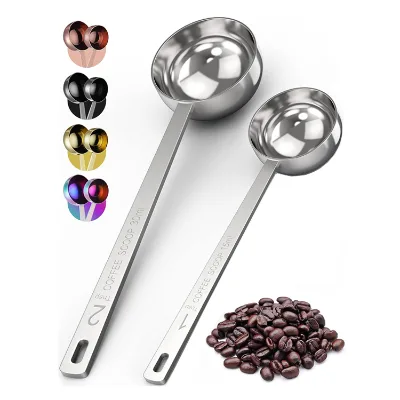





fashion Colorful Stainless Steel Long Handle Tea Coffee Scoop Ice Cream Spoon
$0.59 - $0.79
MOQ: 500 Pieces

Espresso Spoons 12.5cm Mini Coffee Spoon Stainless Steel Small Spoons for Dessert
$0.39 - $0.59
MOQ: 500 Pieces


Comprehensive Sourcing Guide
Eco-Friendly Coffee Spoon Sourcing Guide
Sourcing eco-friendly coffee spoons requires a nuanced understanding of material science, supply chain transparency, and regulatory compliance. Unlike traditional plastic alternatives, sustainable cutlery demands rigorous verification of biodegradability claims and ethical sourcing of raw materials. Buyers must navigate a landscape where "eco-friendly" is often used as a marketing term without substantive backing, making evidence-based procurement essential for maintaining brand integrity and meeting corporate sustainability goals. This guide provides a structured approach to evaluating suppliers, verifying technical specifications, and ensuring that the final product aligns with both environmental standards and commercial viability.
The procurement process for these items involves balancing aesthetic appeal, functional durability, and environmental impact. While bamboo and wood are prevalent materials, their processing methods vary significantly, affecting the final product’s safety and sustainability profile. Buyers must distinguish between genuinely biodegradable options and those that may contain synthetic coatings or adhesives that compromise their eco-friendly status. Furthermore, understanding the commercial terms, such as minimum order quantities (MOQs) and customization capabilities, is crucial for aligning procurement strategies with inventory management and marketing campaigns.
Product Scope and Observed Listing Signals
The current market for eco-friendly coffee spoons is characterized by a diverse range of materials, primarily focusing on bamboo and wood, with some stainless steel options available for reusable applications. Observed listings indicate a strong preference for disposable, single-use items that are marketed as biodegradable and eco-friendly. These products typically feature simple handle designs and are available in both unicolor and multicolor finishes, catering to different branding needs. The presence of customization options suggests that suppliers are equipped to handle OEM and ODM requests, allowing buyers to tailor the product to specific brand identities or promotional campaigns.
Price points and minimum order quantities vary widely, reflecting the complexity of production and the scale of operations. Observed data shows a price range from zero to 157 USD, with MOQs spanning from as low as 100 pieces to 100,000 cartons. This disparity highlights the importance of aligning order volume with supplier capabilities and budget constraints. Additionally, the availability of samples, often with freight collect terms, provides buyers with an opportunity to physically inspect the product quality before committing to large-scale orders. This step is critical for verifying the tactile feel, weight, and overall craftsmanship of the spoons.
Technical Specifications to Verify
Technical verification begins with confirming the material composition and dimensions of the spoons. Suppliers often list materials such as bamboo, wood, or stainless steel, but buyers must ensure that these materials are sourced sustainably and processed without harmful chemicals. Dimensions are critical for functionality, with observed standards ranging from 130mm to 190mm in length. Buyers should request detailed specifications for each model, including weight, which can vary from 4.1g to 6.5g, to ensure consistency across batches. These physical attributes directly impact the user experience and the product’s suitability for specific applications, such as coffee shops, hotels, or home use.
Packaging and labeling requirements are another key area for verification. Observed packing configurations include 600 pieces per carton, 5000 pieces per carton, and individual OPP bag packaging, depending on the product type and supplier. Buyers must ensure that the packaging protects the spoons from damage during transit and complies with any relevant environmental regulations regarding packaging waste. Additionally, the presence of specific product models, such as GH042042 or JS-C1004, indicates that suppliers may have standardized SKUs that buyers can reference for consistency. Verifying these details helps prevent discrepancies between ordered and delivered goods.
Compliance and Safety Documentation
Compliance with international safety and environmental standards is non-negotiable for eco-friendly coffee spoons. Buyers must verify that suppliers hold relevant certifications, such as FDA, LFGB, CE/EU, CIQ, and EEC, which attest to the product’s safety for food contact and compliance with regional regulations. These certifications are particularly important for products intended for export to strict markets like the European Union and the United States. Buyers should request copies of these certificates and verify their validity with the issuing bodies to ensure that the supplier’s claims are accurate and up-to-date.
In addition to certifications, buyers should inquire about the testing procedures used to validate the eco-friendly claims of the products. This includes verifying biodegradability test results and ensuring that no harmful substances, such as heavy metals or toxic adhesives, are present in the final product. For stainless steel options, buyers should confirm that the material is food-grade and resistant to corrosion. Understanding the full scope of compliance documentation helps mitigate legal risks and ensures that the products meet the expectations of environmentally conscious consumers.
Cost Drivers and Commercial Terms
Several factors influence the cost of eco-friendly coffee spoons, including material costs, production complexity, and order volume. Bamboo and wood are generally more expensive than plastic alternatives due to the labor-intensive harvesting and processing required. Customization, such as printing logos or altering dimensions, can further increase costs. Buyers should negotiate clear pricing structures that account for these variables, ensuring that there are no hidden fees for tooling, setup, or sample production. Understanding the cost drivers helps in budgeting accurately and identifying opportunities for cost savings through volume discounts or simplified designs.
Commercial terms, including lead times and payment conditions, are also critical considerations. Observed delivery times range from within 35 days to longer periods, depending on the order size and supplier capacity. Buyers should establish clear timelines for production and shipping to avoid delays that could disrupt their supply chain. Additionally, negotiating favorable payment terms, such as partial upfront payments and balance upon shipment, can help manage cash flow and reduce financial risk. Clear communication regarding these terms ensures a smooth procurement process and fosters a strong relationship with the supplier.
Supplier Qualification and Quality Control
Supplier qualification involves a thorough assessment of the manufacturer’s capabilities, reputation, and quality control processes. Buyers should verify the supplier’s production capacity, facility conditions, and adherence to ethical labor practices. Requesting references from existing clients and conducting site visits, if possible, can provide valuable insights into the supplier’s operational efficiency and reliability. Additionally, buyers should inquire about the supplier’s quality control protocols, including in-process inspections and final product testing, to ensure that the spoons meet the specified standards.
Implementing a robust quality control plan is essential for maintaining product consistency and minimizing defects. Buyers should define clear acceptance criteria for dimensions, weight, appearance, and functionality, and communicate these to the supplier. Conducting pre-shipment inspections or hiring third-party inspection services can help identify and rectify issues before the goods are dispatched. Establishing a feedback loop for continuous improvement ensures that any quality issues are addressed promptly and that the supplier remains committed to delivering high-quality products.
Long-Term Procurement Checks
Long-term procurement success depends on regular performance reviews and continuous improvement initiatives. Buyers should track key performance indicators (KPIs) such as on-time delivery rates, defect rates, and supplier responsiveness to identify areas for improvement. Regular communication with the supplier, including periodic business reviews, helps maintain alignment on quality standards and sustainability goals. Additionally, staying informed about industry trends and regulatory changes ensures that the procurement strategy remains relevant and compliant over time.
Sustainability should be a core component of long-term procurement checks. Buyers should regularly assess the environmental impact of their supply chain, including the sourcing of raw materials and the disposal of packaging waste. Engaging with suppliers on initiatives to reduce carbon footprints and promote circular economy practices can enhance the brand’s sustainability credentials. By prioritizing long-term relationships and continuous improvement, buyers can secure a reliable supply of eco-friendly coffee spoons that meet both commercial and environmental objectives.
FAQs
What certifications do eco-friendly coffee spoons have?
Many eco-friendly coffee spoons carry FDA, LFGB, CE/EU, CIQ, and EEC certifications. These ensure safety for food contact and compliance with international standards for bamboo and wood products used in hotels and restaurants.
Can I customize the size of bamboo coffee spoons?
Yes, customization is available for bamboo and wood coffee spoons. Buyers can request specific dimensions like 130*30mm or 165*32mm, though some models may require minimum order quantities of 100 cartons or 5 cartons depending on the design.
What is the typical lead time for orders?
The delivery time for these products is typically within 35 days. This timeline applies to standard orders of bamboo and wood spoons, though specific lead times may vary based on the total quantity and customization requirements.
Are these spoons suitable for home and hotel use?
Yes, these eco-friendly spoons are designed for use in homes, hotels, and restaurants. They are available in both disposable and non-disposable forms, with features like biodegradability and eco-friendly materials to suit various service environments.
How are the spoons packed for shipment?
Packing varies by model, with options like 600 pieces per carton or 5000 pieces per carton. Some items come in individual OPP bags, while others use standard cartons, ensuring safe transport for bulk orders of bamboo or wood spoons.
What is the minimum order quantity for these spoons?
Minimum order quantities range from 100 pieces to 100,000 pieces depending on the specific model. Some listings require 5 cartons or 3000 pieces, while others start at 100 cartons, so buyers should check the specific product details.
Do these spoons come in different colors?
Yes, options include unicolor and multicolor finishes for bamboo and wood spoons. The color availability depends on the specific model, such as the GH042042 or JS-C1004, allowing buyers to match their branding or aesthetic preferences.