Source Eco-Friendly Composite Polyester Fiber Strap for Transport, Pharma, and Machine Packing
Compare 30 listings for eco-friendly composite polyester fiber strap with varying widths, tensile strengths, and packaging options. Buyers can evaluate customization, certifications, and coil lengths to match specific industrial needs.
Key considerations
Products List


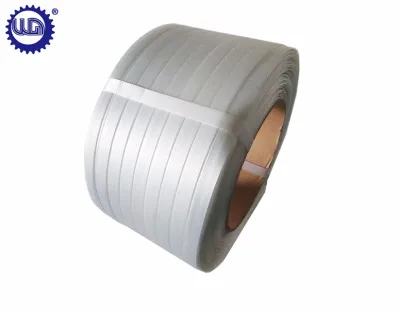


Comprehensive Sourcing Guide
Strategic Sourcing Guide for Eco-Friendly Composite Polyester Fiber Straps
The global logistics and manufacturing sectors increasingly demand sustainable yet high-performance packaging solutions. Among these, eco-friendly composite polyester fiber straps have emerged as a critical component for securing heavy loads during transport. Sourcing these materials requires a nuanced understanding of their technical architecture, compliance frameworks, and supply chain dynamics. This guide provides a comprehensive framework for buyers to evaluate potential suppliers and select the right composite polyester strap for their specific operational needs, focusing on verified attributes and industry standards.
Technical Architecture and Material Composition
Understanding the physical and chemical properties of the strap is the first step in the procurement process. The core material identified in the market is polyester, specifically engineered as a composite structure. This composite nature often involves a layered approach where different functional layers provide distinct benefits. For instance, the functional layer may include EVOH (Ethylene Vinyl Alcohol), which is renowned for its exceptional barrier properties against gases and moisture. This is particularly vital for applications requiring protection against environmental degradation or for securing pharmaceutical goods where contamination must be prevented.
The mechanical strength of these straps is a primary consideration. Data indicates that the tensile strength of these composite polyester straps can range significantly, typically falling between 480 kilograms and 2600 kilograms depending on the specific model and width. This wide range allows for versatility in applications, from securing lighter pallets to stabilizing heavy industrial machinery. The hardness of the material is generally categorized as soft, which facilitates easier handling and wrapping around irregular shapes without damaging the load surface. Furthermore, the transparency of the strap is typically opaque, ensuring that the contents of the package remain visually obscured, which can be a requirement for security or branding purposes.
The manufacturing process often includes customization capabilities. Buyers can expect options for custom processing, allowing for tailored solutions that fit unique machinery or load requirements. The system pull capacity, a measure of the force the strap can withstand before failure, is a critical metric. In verified product lines, this capacity has been observed to reach up to 2480 kilograms, ensuring robust performance in high-stress environments. The color is predominantly white, which aids in visual inspection for wear and tear, although custom colors may be available through specific supplier agreements.
Compliance, Certification, and Regulatory Standards
In the B2B procurement landscape, compliance is non-negotiable. Buyers must verify that their suppliers adhere to recognized international standards. The market data highlights the presence of ISO certification as a standard benchmark. Specifically, products are often associated with SGS ISO standards, indicating that the manufacturing processes and final products have undergone rigorous third-party testing. For buyers in the pharmaceutical or food-related industries, the eco-friendly attribute of the strap is a significant differentiator. This classification suggests that the materials used do not contain harmful substances and are suitable for environmentally conscious supply chains.
When evaluating compliance, it is essential to distinguish between general certifications and industry-specific approvals. While the general standard is ISO, specific applications may require additional verification. For example, the use of these straps in pharmaceutical contexts implies a need for cleanliness and non-reactivity. The "Eco-Friendly" label should be treated as an observation of the product line rather than a universal guarantee for every SKU. Buyers should request specific documentation from the supplier to confirm that the "Eco-Friendly" claim aligns with the relevant environmental regulations in their target export markets, which are noted as global in scope.
Cost Drivers and Pricing Dynamics
The pricing of composite polyester straps is influenced by several variables, including material costs, production complexity, and order volume. The observed price range in the market spans from 0.1 to 50 USD, reflecting the diversity of product configurations and order sizes. This wide variance suggests that unit cost is highly dependent on the specific width, tensile strength, and packaging requirements of the order.
The Minimum Order Quantity (MOQ) is another critical cost driver. The market shows an MOQ range from 1 to 600 units. For small-scale procurement or trial runs, suppliers may accommodate orders as low as a single unit, often providing free samples to facilitate testing. However, for large-scale industrial procurement, the MOQ may increase to 600 units to optimize production runs and reduce per-unit costs. Buyers should be aware that the "Box" or "Carton" packaging specifications can also impact the total landed cost. For instance, a standard packaging size of 383840cm with a gross weight of 8.45 kilograms affects shipping logistics and freight charges.
Additionally, the "Qty/Carton" metric, observed as 2 rolls per carton, influences how efficiently a buyer can store and handle the inventory. Bulk purchasing often leads to better pricing tiers, but the buyer must balance this against storage capacity and cash flow constraints. The business type of the supplier, often a combination of manufacturer and trading company, can also influence pricing structures, as trading companies may add a margin for sourcing services while manufacturers may offer more competitive rates for direct production.
Typical Applications and Operational Fit
The versatility of composite polyester straps makes them suitable for a wide array of industrial applications. The primary use case identified is machine packing, where automated systems require straps with consistent tensile strength and predictable behavior. The specific models available, such as the KYA series with widths of 13mm, 16mm, 19mm, 25mm, and 32mm, allow for precise matching to different machinery and load types.
For the pharmaceutical industry, the strap's opaque nature and potential EVOH functional layer provide a barrier that protects sensitive goods. The "Twist Rope" type designation suggests a specific manufacturing technique that enhances flexibility and grip, making it ideal for securing loads that might shift during transit. The matching buckle systems, such as the "Duel Rectangle Buckle" (likely a typo for Dual Rectangle Buckle) available in various sizes, ensure a secure seal that is easy to apply and remove.
The following table summarizes the key specifications for the most common model variants found in the market, aiding buyers in selecting the appropriate width for their specific application:
| Model Code | Width | Length per Coil | Matching Buckle | Typical Application |
|---|---|---|---|---|
| KYA-13mm | 13mm | 1100m | Duel Rectangle Buckle | Light to Medium Loads |
| KYA-16mm | 16mm | 850m | 16mm Duel Rectangle Buckle | General Industrial Packing |
| KYA-19mm | 19mm | 600m | 19mm Duel Rectangle Buckle | Heavy Machinery |
| KYA-25mm | 25mm | 500m | Duel Rectangle Buckles | Transporting Belt Systems |
Supplier Evaluation and Sourcing Strategy
When evaluating potential suppliers, buyers should look for a combination of manufacturing capability and trading expertise. The ideal partner is often a "Manufacturer and Trading Company," which offers the benefit of direct production control while maintaining the flexibility of a trading entity to handle logistics and customer service. The origin of the products is a key factor, with Changzhou, China, being a verified production hub for these items. This location is known for its robust textile and packaging manufacturing infrastructure.
Buyers should prioritize suppliers who offer free samples. This practice allows for rigorous testing of the strap's tensile strength, heat seal properties, and compatibility with existing machinery before committing to a large order. The "Heat Seal" property, often associated with EVA (Ethylene Vinyl Acetate), is crucial for ensuring that the strap can be securely joined without mechanical fasteners in certain applications.
Furthermore, the "Customized" attribute indicates that suppliers are willing to adapt their products to specific buyer requirements. This could involve custom packaging, such as "Box or Customized Package" or "Carton" options, or specific length requirements. The "Export Markets: Global" status suggests that the supplier has experience navigating international trade regulations, which is beneficial for buyers operating in multiple regions.
Quality Control and Long-Term Procurement Considerations
Ensuring consistent quality is paramount in long-term procurement. The presence of SGS and ISO certifications provides a baseline for quality assurance, but buyers should implement their own quality control protocols. This includes verifying the "Layered" structure of the strap, which is noted as "Basic Level" in some contexts but may vary based on the specific functional layer requirements. The "Custom Processing" capability should be leveraged to ensure that the final product meets the exact specifications of the buyer's machinery.
Long-term considerations also involve the stability of the supply chain. The "Business Type" of the supplier should be assessed for financial stability and production capacity. A supplier that can consistently meet the "Length per Coil" requirements (ranging from 500m to 1100m) without interruption is essential for maintaining production schedules. Additionally, the "Industrial Use" classification, particularly for pharmaceuticals, requires that the supplier maintains a clean and controlled manufacturing environment.
Buyers should also consider the environmental impact of their procurement choices. The "Eco-Friendly" attribute of the strap aligns with global sustainability goals. However, this should be verified through specific documentation rather than assumed. The "Composite Polyester Strap Usage" for transporting belts suggests that the material is designed for durability and reusability in some contexts, which can further reduce waste.
In conclusion, sourcing eco-friendly composite polyester fiber straps requires a detailed analysis of technical specifications, compliance standards, and supplier capabilities. By focusing on verified attributes such as tensile strength, width, and certification, buyers can make informed decisions that enhance their operational efficiency and sustainability goals. The market offers a diverse range of options, from the KYA-13mm to the KYA-25mm models, each tailored to specific industrial needs. Through careful evaluation and strategic partnership, buyers can secure a reliable supply of high-performance straps that meet the rigorous demands of modern logistics and manufacturing.
FAQs
What certifications do these straps have?
These straps carry ISO and SGS ISO certifications. The product data confirms these standards are applied to the manufacturing process, ensuring compliance with international quality benchmarks for industrial and pharmaceutical applications.
Can I get free samples for testing?
Yes, free samples are available for evaluation. Buyers can request these to verify tensile strength and heat seal properties before placing a bulk order, which helps ensure compatibility with existing machinery.
What is the minimum order quantity?
The minimum order quantity ranges from 1 to 600 units depending on the specific model. Small trial orders can be as low as one unit, while larger industrial runs may require higher volumes to optimize costs.
Which widths are available for purchase?
Available widths include 13mm, 16mm, 19mm, 25mm, and 32mm. Each width corresponds to a specific model code like KYA-13mm, allowing buyers to select the exact strap size needed for their load securing requirements.
How is the product packed for shipment?
Products are typically packed in boxes or cartons as per customer requirements. Standard packaging contains two rolls per carton with a gross weight of 8.45 kilograms and dimensions of 38 by 38 by 40 centimeters.
What is the tensile strength range?
The tensile strength ranges from 480 kilograms to 2600 kilograms. This capacity ensures the straps can secure various load types, from lighter pallets to heavy industrial machinery, depending on the selected width and model.
Where are these straps manufactured?
These straps originate from Changzhou, China. This location is a verified production hub known for its robust textile and packaging infrastructure, supporting global export markets with consistent supply capabilities.