Source Eco Friendly Compostable Sushi Boat for Catering, Events, and Retail
Compare 30 listings for Eco Friendly Compostable Sushi Boat options from verified Chinese manufacturers. Buyers can evaluate materials like wood and bamboo, customization features, and pricing to find the right supplier for food service needs.
Key considerations
Products List
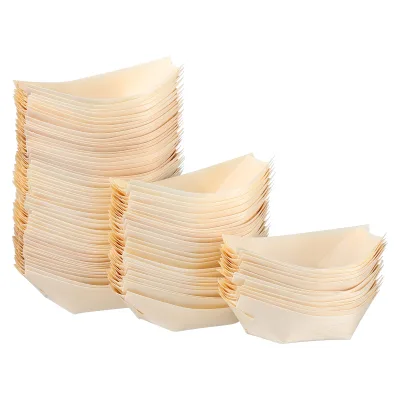
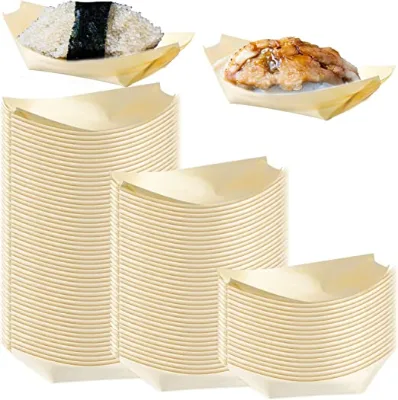

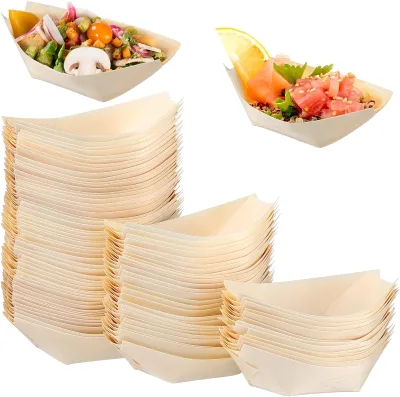
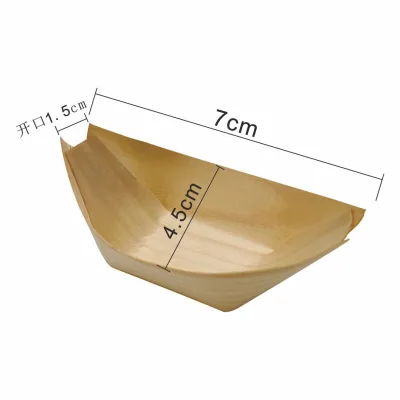


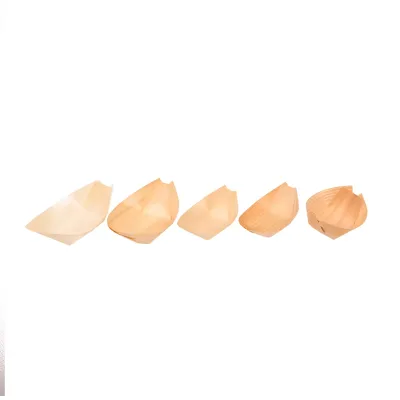
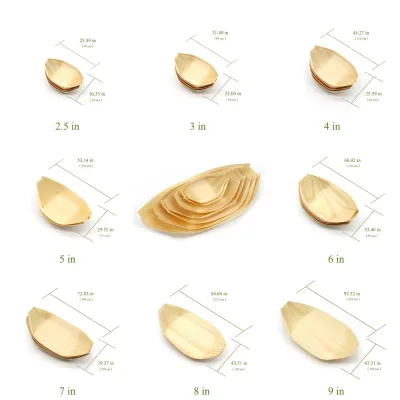
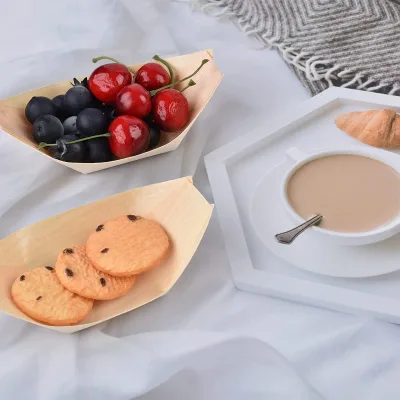
Eco-Friendly Biodegradable Poplar Wood Sushi Boat for Fruits and Cakes
$0.05 - $0.10
MOQ: 10000 pieces
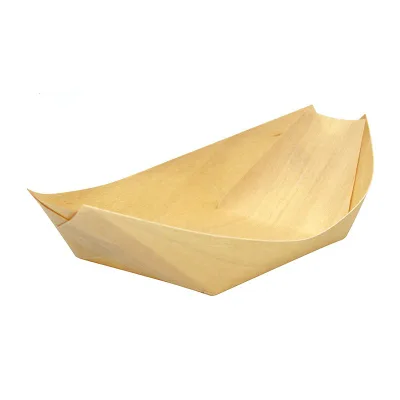
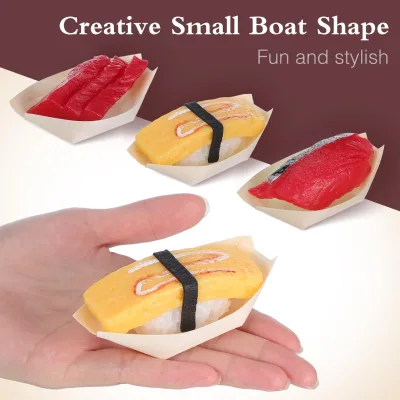
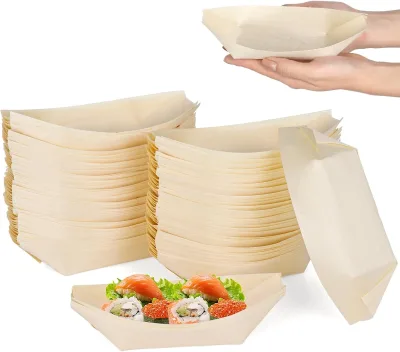
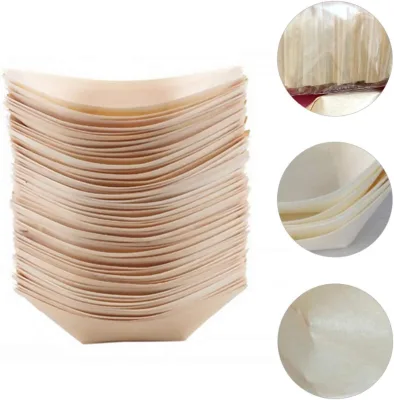
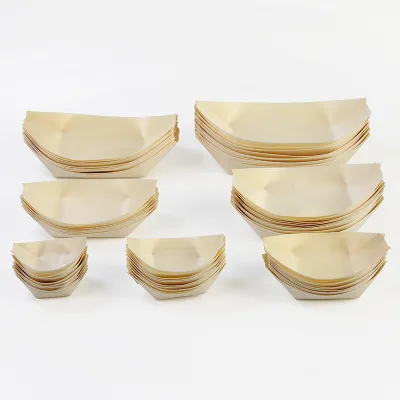
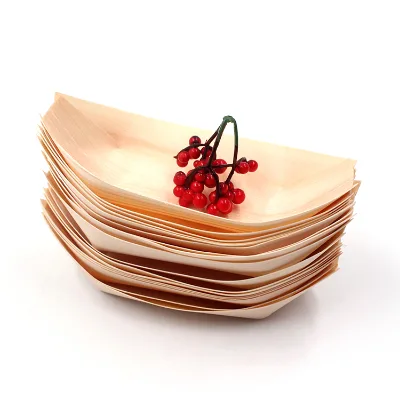
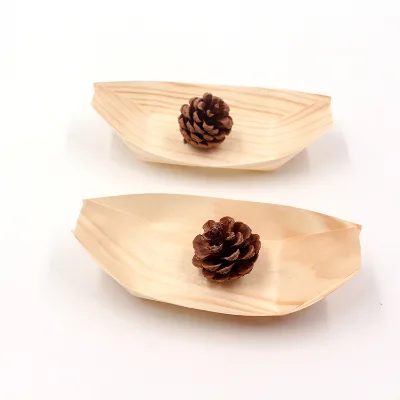
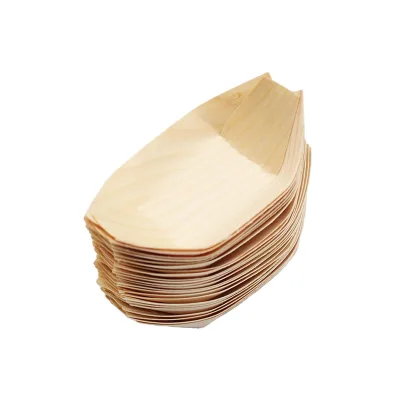
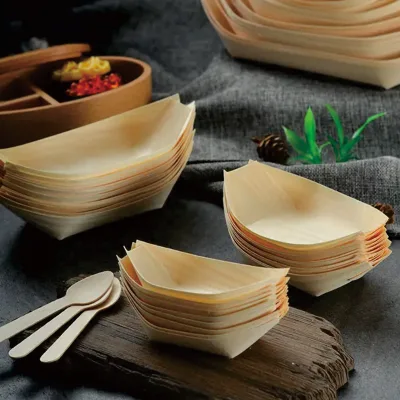


Disposable Food Serving Container Mini Wooden Sushi Boat for Party Wedding
$0.01 - $0.03
MOQ: 200000 Pieces


Birch Wood Eco Friendly Biodegradable for Sushi Serving Disposable Wooden Boats
$0.01 - $0.03
MOQ: 200000 Pieces

Disposable Boat Shape Dish Tray Wood Food Containers Sushi Boat for Party
$0.01 - $0.03
MOQ: 200000 Pieces

Comprehensive Sourcing Guide
Eco Friendly Compostable Sushi Boat Sourcing Guide
Sourcing eco-friendly compostable sushi boats requires a nuanced understanding of material science, supply chain transparency, and regulatory compliance. These vessels serve as critical components in the food service industry, particularly for sushi restaurants, catering services, and food delivery platforms that prioritize sustainability without compromising structural integrity. The market has shifted significantly toward biodegradable alternatives to traditional plastic or styrofoam containers, driven by consumer demand and evolving environmental regulations. Buyers must navigate a landscape where terms like "compostable," "biodegradable," and "eco-friendly" are often used interchangeably but carry distinct legal and technical meanings. A rigorous sourcing strategy ensures that the selected products meet both functional requirements for food safety and environmental claims for marketing authenticity.
The procurement process involves evaluating multiple dimensions, including material origin, manufacturing processes, and certification validity. While many suppliers advertise similar product categories, the underlying quality and environmental impact can vary drastically. For instance, some products may be made from wood or bamboo, which are renewable resources, while others might incorporate bioplastics or molded fiber. Each material type presents unique advantages and challenges regarding moisture resistance, durability, and end-of-life disposal. Buyers need to establish clear criteria for what constitutes an acceptable "eco-friendly" product in their specific market context, ensuring that the sourcing decisions align with corporate sustainability goals and local waste management infrastructure.
Product Scope and Observed Listing Signals
The current market offers a diverse range of disposable wooden and bamboo sushi boats, with observed listings indicating a wide variety of specifications and customization options. Products are frequently described as having natural colors, with sizes ranging from 3 to 9 inches, catering to different portion sizes and presentation styles. Many suppliers highlight features such as food-grade materials, OEM capabilities, and customizable designs, allowing brands to tailor the product to their specific aesthetic and functional needs. The observed price range is relatively low, suggesting competitive pricing for bulk orders, while MOQs vary significantly, from small batches of 500 pieces to large industrial orders exceeding 100,000 pieces. This variability allows buyers to scale their procurement based on demand forecasts and inventory management strategies.
Observations also reveal that packaging and logistics play a crucial role in the overall cost and efficiency of sourcing these items. Typical packaging details include carton quantities, such as 1,000 pieces per carton or bagged configurations, with single package dimensions that facilitate efficient palletizing and shipping. The single gross weight of these items is generally light, around 0.8 to 1.0 kg per package, which helps minimize shipping costs. Additionally, the availability of samples and free sample provisions enables buyers to physically inspect the product quality before committing to large orders. These logistical signals provide valuable insights into the supplier's operational capacity and attention to detail, which are critical indicators of reliability in the long-term supply chain.
Technical Specifications to Verify
Verifying technical specifications is essential to ensure that the sushi boats meet the functional requirements of food service applications. Key attributes to confirm include the material type, such as aspen, pine, or bamboo, and the manufacturing process, which may involve handmade or other specialized techniques. The presence of lids is another important consideration, as some products offer available lids for enhanced containment and presentation. Buyers should also verify the single package size and gross weight to ensure compatibility with their storage and distribution systems. Additionally, the industrial use classification, typically listed as "Food," confirms that the product is intended for direct food contact, but this should be cross-referenced with safety certifications to ensure compliance with food safety standards.
Customization options are a significant technical aspect, with many suppliers offering customizable designs, logos, and packaging. Buyers should clarify the extent of customization available, including minimum order quantities for custom runs and the lead times associated with these modifications. The product model numbers and styles, such as modern designs, can also influence the aesthetic appeal and marketability of the final product. It is crucial to verify that the customization processes do not compromise the structural integrity or food safety of the boats. Furthermore, the absence of accessories in some listings indicates that the product is sold as a standalone item, which may simplify inventory management but requires separate sourcing for any additional components like chopsticks or sauces.
Compliance and Safety Documentation
Compliance with safety and environmental standards is non-negotiable for food contact materials. Buyers must verify that the suppliers hold valid certifications such as FSC (Forest Stewardship Council), BSCI (Business Social Compliance Initiative), and NSF (National Sanitation Foundation). These certifications indicate adherence to sustainable forestry practices, social responsibility, and food safety standards, respectively. The presence of BRC (British Retail Consortium) certification in some listings further suggests a high level of quality management and food safety assurance. However, buyers should not assume that all listed products possess these certifications; each claim must be validated through direct communication with the supplier and, if necessary, through third-party audits.
In addition to product-specific certifications, buyers should inquire about the broader compliance framework of the supplier, including their adherence to local and international regulations. This includes verifying the place of origin, which may be listed as Anhui, Hunan, or other regions in China, and ensuring that the manufacturing facilities comply with relevant environmental and labor laws. The "Food Grade Material" advantage claimed by some suppliers should be substantiated with test reports or material safety data sheets. Buyers should also consider the end-of-life disposal options, ensuring that the "compostable" or "biodegradable" claims are supported by recognized standards and that the products can be processed in the buyer's local waste management infrastructure.
Cost Drivers and Commercial Terms
Understanding the cost drivers and commercial terms is vital for effective budgeting and negotiation. The observed MOQs range from 5,000 to 100,000 pieces, which can significantly impact the unit price and cash flow. Higher volumes typically result in lower per-unit costs due to economies of scale, but they also require greater storage capacity and inventory management. Buyers should evaluate their demand patterns to determine the optimal order quantity, balancing cost savings with inventory holding costs. The supply ability, reported as up to 1,000,000 pieces per day by some suppliers, indicates a high production capacity, which can be advantageous for large-scale procurement but may also lead to longer lead times if not managed properly.
Commercial terms such as payment methods, shipping terms, and return policies should be clearly defined in the contract. Buyers should negotiate for favorable terms that mitigate risk, such as partial payments or escrow services for large orders. The availability of samples, whether paid or free, should be factored into the initial procurement cost. Additionally, buyers should consider the total cost of ownership, including shipping, customs duties, and potential tariffs, which can vary based on the place of origin and the shipping method. Clear communication regarding packaging details and labeling requirements can also help avoid unexpected costs associated with rework or non-compliance.
Supplier Qualification and Quality Control
Supplier qualification is a critical step in ensuring a reliable and consistent supply of eco-friendly sushi boats. Buyers should conduct thorough due diligence on potential suppliers, including verifying their business licenses, production capabilities, and quality control systems. The "Handmade/Other" process mentioned in some listings suggests a level of craftsmanship that may require specific quality control measures to ensure consistency. Buyers should request detailed information about the supplier's quality assurance processes, including inspection protocols, defect rates, and corrective action procedures. This information helps assess the supplier's ability to maintain high standards of product quality and consistency.
Quality control should extend beyond the initial order to include ongoing monitoring and periodic audits. Buyers should establish clear quality benchmarks and communicate them effectively to the supplier. Regular sampling and testing of incoming goods can help detect any deviations from the agreed specifications early in the supply chain. Additionally, buyers should consider the supplier's responsiveness to issues and their willingness to collaborate on continuous improvement initiatives. Building a strong relationship with the supplier based on transparency and mutual trust can lead to better cooperation and problem-solving, ultimately enhancing the reliability and sustainability of the supply chain.
Long-Term Procurement Checks
Long-term procurement success depends on continuous evaluation and adaptation to changing market conditions and regulatory landscapes. Buyers should regularly review their supplier performance metrics, including on-time delivery, product quality, and responsiveness to issues. This data-driven approach helps identify potential risks and opportunities for improvement in the supply chain. Additionally, buyers should stay informed about emerging trends in sustainable packaging and food service, such as new materials, technologies, and consumer preferences. This proactive stance allows buyers to anticipate changes and adjust their sourcing strategies accordingly, ensuring that their products remain competitive and compliant.
Furthermore, buyers should consider the broader environmental impact of their procurement decisions, including the carbon footprint of transportation and the end-of-life disposal of the products. Engaging with suppliers who are committed to sustainability and innovation can help drive positive change in the industry. Buyers should also explore opportunities for collaboration with other stakeholders, such as waste management companies and environmental organizations, to develop comprehensive solutions for sustainable packaging. By taking a holistic approach to procurement, buyers can contribute to a more sustainable future while achieving their business objectives.
FAQs
What materials are used for the Eco Friendly Compostable Sushi Boat?
The product is made from wood, specifically aspen or pine wood, ensuring a natural and biodegradable composition. Some listings also indicate bamboo as a material option, providing flexibility for different sourcing needs while maintaining eco-friendly standards.
Can I request a custom design for the disposable wooden boat?
Yes, customization is approved and the design is fully customizable to meet specific requirements. Buyers can request custom logos and packaging details, with the option for OEM services available to tailor the product to brand specifications.
What certifications do the sushi boat manufacturers hold?
Certifications include FSC, BSCI, NSF, and BRC, ensuring compliance with international safety and sustainability standards. These credentials verify that the food-grade materials and production processes meet rigorous quality and environmental requirements for commercial use.
How large is the single package size for the wooden boat?
The single package size varies, with observed dimensions of 20x15x15 cm or 30x40x2 cm depending on the specific listing. Packaging details typically involve 1000 pieces per carton or 50 to 100 pieces per bag within larger cartons.
What is the minimum order quantity for these disposable boats?
The minimum order quantity ranges from 5000 pieces to 100,000 pieces depending on the supplier and customization level. Some sources list an MOQ of 10,000 pieces, while others may accept orders starting at 1 piece for samples.
Where are the eco friendly compostable sushi boats manufactured?
Products originate from China, with specific manufacturing locations noted in Anhui and Hunan provinces. This regional sourcing allows for efficient logistics while maintaining the high supply ability of up to one million pieces per day.
Are samples available for testing the quality of the sushi boat?
Samples are available and some suppliers offer free samples for evaluation. This allows buyers to verify the food-grade material quality and biodegradable features before committing to a larger bulk order with specific customization needs.