Source eco-friendly disposable rfid wristband for Events, Festivals, and Access Control
Compare 30 listings of eco-friendly disposable rfid wristband options from verified suppliers. Buyers can evaluate specifications like frequency, material, and customization for community cards, smartcard applications, and access control systems.
Key considerations
Products List


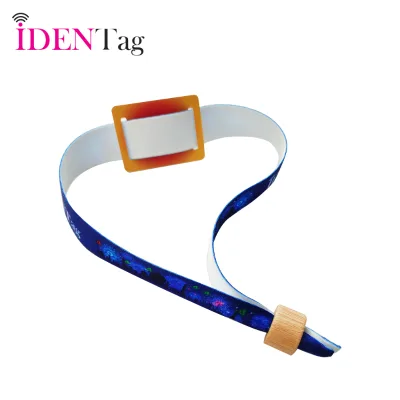
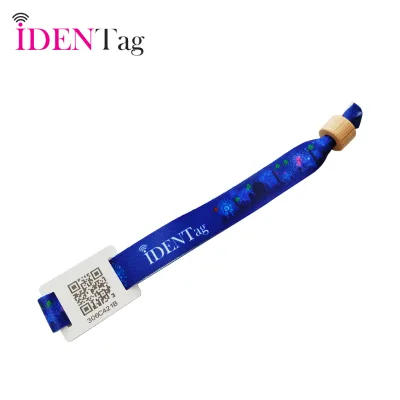
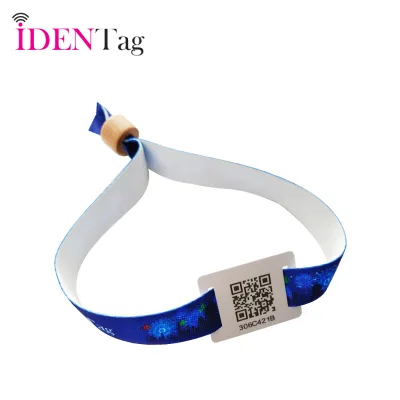


Comprehensive Sourcing Guide
Eco-Friendly Disposable RFID Wristband Sourcing Guide
Sourcing eco-friendly disposable RFID wristbands requires a careful balance between environmental responsibility, technical reliability, and cost efficiency. These wearable identification tools are increasingly vital for event management, access control, and payment systems where hygiene, single-use convenience, and sustainability are paramount. Buyers must navigate a market that offers various material compositions, from traditional PVC to more sustainable silicone and paper-based options, each with distinct performance characteristics. Understanding the specific requirements of your application—whether it involves high-volume festivals, secure facility entry, or cashless transactions—is the first step in defining a successful procurement strategy.
The term "eco-friendly" in this context often refers to the material composition and end-of-life disposal methods of the wristband. While some manufacturers offer recyclable PVC or silicone options, others may utilize biodegradable materials or paper cores with RFID chips embedded within. It is crucial to verify what specific environmental claims are substantiated by the supplier, as marketing terms can sometimes obscure the actual recyclability or compostability of the final product. Buyers should prioritize suppliers who provide transparent data on material sourcing and disposal, ensuring that the "green" attributes align with your organization’s corporate sustainability goals and regulatory compliance needs.
Product Scope and Observed Listing Signals
The current market for RFID wristbands presents a diverse range of products, with observed listings indicating a price range from $0.02 to $12 per unit and minimum order quantities (MOQs) varying significantly from 1 to 50,000 pieces. This wide variance suggests that buyers can find solutions for both small-scale pilot programs and large-scale industrial deployments. The presence of low MOQs indicates that many suppliers are willing to accommodate smaller orders, which is beneficial for testing different chip technologies or material types before committing to a large production run. However, buyers should be aware that lower prices often correlate with standard specifications, while customizations may incur higher unit costs and longer lead times.
Observed product attributes reveal a strong emphasis on customization and versatility. Many suppliers offer OEM/ODM services, allowing for custom logos, Pantone-specific colors, and tailored sizes such as 19mm, 20mm, or 25mm widths with lengths up to 250mm. The standard card shape and passive power supply mode are common features, ensuring compatibility with existing RFID readers without the need for internal batteries. Additionally, the availability of different chip options, including F08, 1K, NTAG213, and NTAG215, allows buyers to select the appropriate memory capacity and security level for their specific application. This flexibility is a key selling point for organizations that require unique identification protocols or data storage capabilities.
Technical Specifications to Verify
Frequency and communication interface are critical technical parameters that determine the compatibility of the wristband with your existing infrastructure. Most observed listings specify a frequency of 13.56MHz, which falls under the High Frequency (HF) category and supports NFC technology. This frequency is ideal for short-range communication, making it suitable for access control, ticketing, and contactless payments. Buyers must verify that the wristband’s read-write method is non-contact type, ensuring seamless interaction with readers without physical alignment issues. Additionally, confirming the data transmission mode as "Data" or similar standard protocols ensures that the wristband can reliably transmit identification and encryption information to the backend system.
Chip selection and memory structure are equally important for ensuring data integrity and security. The observed listings mention chips such as NTAG213 and NTAG215, which are known for their reliability and widespread support in NFC-enabled devices. Buyers should verify the specific chip model to ensure it meets the required memory capacity for storing user data, such as identification numbers or payment tokens. Furthermore, the structure of the wristband as a "Read-Write Card" implies that data can be updated or rewritten, which is useful for dynamic applications like event check-ins or temporary access grants. It is also essential to confirm the power supply mode, with passive cards being the most common and cost-effective option, as they draw power from the reader’s electromagnetic field.
Compliance and Safety Documentation
Certification and safety standards are non-negotiable aspects of sourcing RFID wristbands, particularly for products that come into direct contact with users. Observed listings frequently mention certifications such as ISO, CE, and FCC, which indicate compliance with international quality, safety, and electromagnetic compatibility standards. Buyers should request valid certification documents from suppliers to verify that the products meet the regulatory requirements of their target markets. These certifications not only ensure the safety of the wristband materials but also guarantee that the RFID components do not interfere with other electronic devices, which is crucial in crowded event environments.
Environmental compliance is another critical area that requires careful documentation. While some listings mention "eco-friendly" or "recyclable" attributes, buyers should seek specific documentation regarding the material composition and disposal methods. For instance, if the wristband is made of silicone or PVC, buyers should inquire about the presence of hazardous substances such as phthalates or heavy metals. Additionally, if the product claims to be biodegradable or compostable, buyers should request third-party testing reports or certifications that substantiate these claims. This due diligence helps mitigate environmental risks and ensures that the procurement aligns with sustainability commitments.
Cost Drivers and Commercial Terms
The cost of RFID wristbands is influenced by several factors, including material type, chip selection, customization requirements, and order volume. Observed listings indicate that prices can range from $0.02 to $12, with lower prices typically associated with standard specifications and higher volumes. Customization, such as adding logos, specific colors, or unique sizes, often incurs additional costs due to setup fees and material waste. Buyers should also consider the impact of packaging options, with some suppliers offering bulk packaging (e.g., 100PCS/Bag, 5000PCS/CTN) to reduce shipping costs, while others may provide individual box packaging for premium products.
Commercial terms and payment methods are also key considerations in the procurement process. Observed listings suggest that suppliers accept various payment methods, including T/T, Western Union, and PayPal, providing flexibility for different buyer preferences. However, buyers should be aware of potential risks associated with certain payment methods and ensure that secure transactions are facilitated. Additionally, production times are typically listed as 3-5 working days, but this can vary based on order complexity and volume. Buyers should clarify lead times and delivery schedules to ensure that the wristbands arrive in time for their intended use, especially for time-sensitive events.
Supplier Qualification and Quality Control
Supplier qualification is a critical step in ensuring the reliability and consistency of RFID wristband supplies. Buyers should verify the supplier’s place of origin, with many observed listings indicating production in Guangdong, China, a hub for electronics and wearable technology manufacturing. It is essential to assess the supplier’s production capacity, quality control processes, and ability to meet customization requests. Buyers should also inquire about the supplier’s experience in the RFID industry and their track record of delivering products that meet technical and compliance standards.
Quality control measures should be clearly defined and agreed upon before placing an order. Buyers should request samples to test the wristband’s durability, readability, and material quality. Additionally, it is advisable to establish clear acceptance criteria for defects, such as misprints, chip failures, or material imperfections. Suppliers should provide a warranty or replacement policy for defective products, ensuring that buyers are protected against quality issues. Regular communication with the supplier during the production process can also help identify and resolve potential problems early, ensuring a smooth delivery of high-quality wristbands.
Long-Term Procurement Checks
Long-term procurement success depends on establishing a sustainable supply chain that can adapt to changing market conditions and technological advancements. Buyers should regularly review supplier performance, including delivery times, product quality, and customer service responsiveness. Building a strong relationship with reliable suppliers can lead to better pricing, priority production, and access to new product innovations. Additionally, buyers should stay informed about emerging trends in RFID technology and eco-friendly materials, ensuring that their procurement strategies remain competitive and aligned with industry best practices.
Continuous monitoring of regulatory changes and environmental standards is also essential for long-term compliance. As regulations regarding electronic waste and sustainable materials evolve, buyers must ensure that their suppliers remain compliant with the latest requirements. This may involve periodic audits, updated certification requests, or shifts in material sourcing. By proactively addressing these challenges, buyers can mitigate risks and maintain a resilient supply chain that supports their organization’s operational and sustainability goals.
FAQs
What materials are used for eco-friendly disposable rfid wristbands?
These wristbands are available in PVC and Silicone materials. Silicone options are often marketed as eco-friendly and recyclable, while PVC is also a standard choice for standard card applications.
Can I customize the size and color of the wristband?
Yes, customization is available for both size and color. You can select standard sizes like 350*15mm or request custom dimensions, and any Pantone color can be applied to the band.
What certifications do these rfid wristbands hold?
The products typically hold ISO, CE, and FCC certifications. These standards ensure the devices meet international requirements for safety and electromagnetic compatibility in various applications.
How long does production take for a custom order?
Production time is generally 3 to 5 working days for standard custom orders. This lead time applies to manufacturing the wristbands with specific logos or serial numbers as requested.
Which chips are compatible with these rfid wristbands?
Compatible chips include F08, 1K, NTAG213, and NTAG215. These chips support high-frequency communication at 13.56MHz for identification, payment, and encryption functions.
What is the minimum order quantity for these wristbands?
The minimum order quantity ranges from 1 to 50,000 pieces depending on the supplier. Small orders are accepted, allowing flexibility for buyers with varying procurement needs.
Can I get OEM or ODM logo printing services?
Yes, OEM and ODM logo printing services are available. You can choose from heat transfer, CMYK printing for the band, or full-color printing for the tag to match your branding.