Source Eco Friendly Disposable Tea Strainer for Cafes, Hotels, and Retail
Find and compare 30 listings for Eco Friendly Disposable Tea Strainer options suitable for cafes, hotels, and retail packaging. Evaluate stainless steel and metal variants with features like ultra-quiet operation and medical-grade filtering levels to match your specific sourcing needs.
Key considerations
Products List

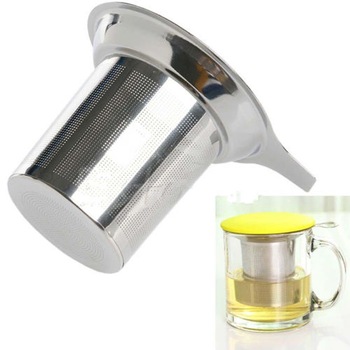
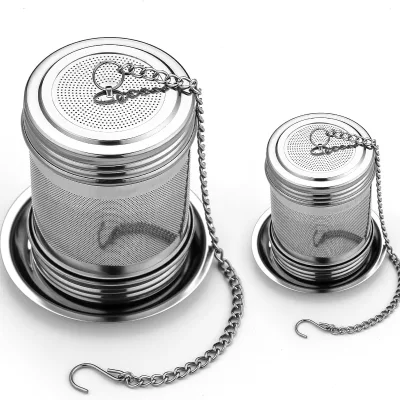
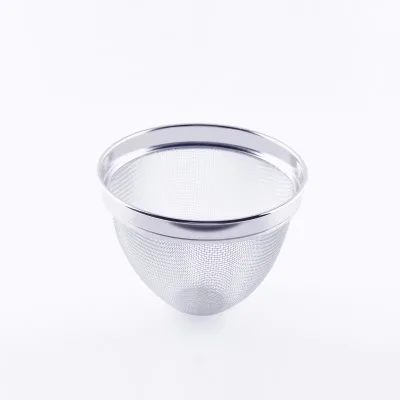
Stainless Steel Heart Shape Tea Infuser Stainless Steel Tea Filter Leaf Tea Strainer
$0.30 - $0.43
MOQ: 1000 Pieces






Comprehensive Sourcing Guide
Eco Friendly Disposable Tea Strainer Sourcing Guide
Sourcing eco-friendly disposable tea strainers requires a nuanced understanding of the tension between sustainability claims and functional durability. Buyers must navigate a market where "disposable" often conflicts with the material integrity required for effective filtration, particularly when dealing with hot water and loose-leaf tea. The core challenge lies in identifying suppliers who can deliver a product that decomposes or recycles effectively without compromising the structural strength needed during the steeping process. This guide provides a disciplined framework for evaluating these products, focusing on material composition, filtration efficiency, and commercial viability.
The procurement strategy must balance environmental responsibility with operational efficiency. While many listings advertise eco-friendly attributes, the actual performance of the strainer—such as its ability to hold fine particles and resist tearing under heat—is paramount. Buyers should prioritize suppliers who provide transparent data on material sourcing and end-of-life disposal methods. This approach ensures that the sustainability claims are backed by tangible product characteristics, reducing the risk of receiving items that fail during use or do not meet the intended environmental standards.
Product Scope and Observed Listing Signals
The current market landscape for tea strainers reveals a diverse range of product types, from traditional metal infusers to specialized disposable units. Observed listings indicate a significant presence of stainless steel products, often marketed with features like ultra-quiet operation and medical-grade filtering levels. These items typically fall under the category of pressure strainers or fine mesh tea strainers, with specific models designed for built-in filter tanks or kitchen water applications. The presence of such high-specification items suggests that buyers must carefully distinguish between reusable industrial-grade filters and true disposable consumer products.
Price and minimum order quantity (MOQ) ranges vary widely, reflecting the heterogeneity of the supply base. Listings show prices ranging from low-cost items to higher-end specialized tools, with MOQs starting as low as one unit and extending up to thousands. This variance indicates that buyers can source small batches for testing or large volumes for distribution, but it also necessitates rigorous verification of product consistency. The observed data highlights the importance of checking specific product attributes, such as weight and dimensions, to ensure they align with the intended use case, whether for single-serve convenience or bulk commercial use.
Technical Specifications to Verify
Material composition is the most critical technical specification for eco-friendly disposable strainers. Buyers must verify whether the product is made from biodegradable materials, such as plant-based fibers, or if it is a thin metal variant that may not be truly disposable in the environmental sense. The supplied facts mention stainless steel and metal types, which are durable but not inherently biodegradable. Therefore, buyers should explicitly confirm the material source and request documentation on its decomposability. Misalignment between the "eco-friendly" label and the actual material can lead to significant reputational and compliance risks.
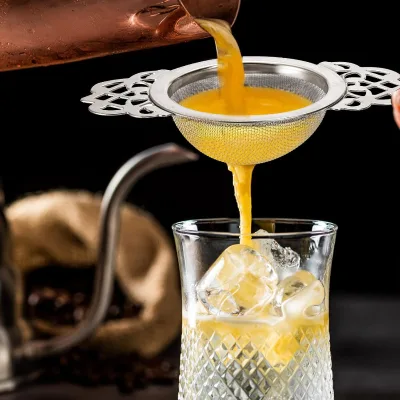
Filtration performance and physical dimensions are equally important for ensuring product satisfaction. The mesh size, often described as "fine mesh" or "medical grade," determines the clarity of the tea and the retention of leaf particles. Buyers should verify the single package size and weight to ensure compatibility with packaging logistics and user expectations. Additionally, the shape and handle design, whether double or single handle, impact usability. Confirming these specifications through sample testing is essential to prevent issues such as clogging, leakage, or awkward handling during the steeping process.
Compliance and Safety Documentation
Food contact safety is the primary compliance concern for any tea strainer. Buyers must ensure that the product meets relevant food-grade standards, regardless of its disposable nature. While some listings mention ISO certification, this is a management system standard and does not guarantee food safety. Buyers should request specific food contact compliance certificates, such as FDA or EU regulations, depending on the target market. Verifying that the materials do not leach harmful substances into hot water is non-negotiable for protecting consumer health and brand integrity.
Environmental certifications provide additional assurance for eco-friendly claims. Buyers should look for recognized compostability or biodegradability certifications, such as those from TÜV or BPI, rather than relying on generic marketing terms. The absence of specific environmental standards in some listings, like the mention of EN13432 in low-confidence data, highlights the need for proactive verification. Buyers must ask suppliers to provide test reports from accredited laboratories to substantiate any environmental claims, ensuring that the product truly aligns with sustainability goals.
Cost Drivers and Commercial Terms
The cost of eco-friendly disposable tea strainers is influenced by material sourcing, production complexity, and order volume. Biodegradable materials often carry a premium compared to conventional plastics or metals, affecting the unit price. Buyers should analyze the price range in the context of the MOQ, as lower MOQs may result in higher per-unit costs. Understanding these cost drivers helps in budgeting and negotiating favorable terms. It is also important to consider the total cost of ownership, including shipping and handling, which can be significant for lightweight but bulky items.
Commercial terms, including payment methods and delivery schedules, play a crucial role in the procurement process. Buyers should negotiate clear terms for sample orders, as free samples are sometimes available for stocked items. However, reliance on free samples should be balanced with the need for bulk pricing quotes. Lead times can vary based on production capacity and customization requirements, so buyers should establish realistic expectations. Clear communication regarding packaging details, such as carton or wooden case options, is essential to avoid unexpected logistics costs.
Supplier Qualification and Quality Control
Supplier qualification begins with verifying their manufacturing capabilities and quality management systems. Buyers should assess whether the supplier has experience in producing eco-friendly products and if they have a robust quality control process. The presence of brand awareness and customization services indicates a mature supplier base, but buyers must still conduct due diligence. Requesting references or case studies from previous clients can provide insights into the supplier's reliability and product consistency.
Quality control measures should include pre-shipment inspections and regular audits. Buyers should define clear acceptance criteria for product defects, such as mesh tears or material inconsistencies. Implementing a sampling plan for bulk orders can help detect issues early. Additionally, buyers should establish a feedback loop with the supplier to address any quality concerns promptly. This proactive approach ensures that the final product meets the specified standards and reduces the risk of receiving substandard goods.
Long-Term Procurement Checks
Long-term procurement success depends on continuous monitoring of supplier performance and market trends. Buyers should regularly review supplier metrics, such as on-time delivery rates and defect percentages, to ensure ongoing reliability. As sustainability standards evolve, buyers must stay informed about new regulations and consumer preferences. This may involve adjusting product specifications or sourcing strategies to remain competitive and compliant.
Building a resilient supply chain requires diversification and strong relationships with key suppliers. Buyers should consider working with multiple suppliers to mitigate risks associated with single-source dependencies. Regular communication and collaboration with suppliers can lead to innovations in product design and cost savings. By maintaining a strategic focus on quality, compliance, and sustainability, buyers can secure a steady supply of eco-friendly disposable tea strainers that meet their business and environmental objectives.
FAQs
What material is used for the tea strainer?
The tea strainer is constructed from stainless steel to ensure durability and safety. This metal type provides resistance to corrosion and is suitable for filtering loose leaf tea in kitchen settings.
Can the product be customized for specific needs?
Yes, customization is available for this product to meet specific buyer requirements. Buyers can request custom logos and packaging details, allowing for tailored solutions for different market segments.
What is the origin location of the product?
The product originates from Hebei, China, which is a known manufacturing hub. This location supports the production of various tea tools and ensures consistent supply for international buyers seeking these items.
How is the product packaged for shipment?
The product is packaged in single cartons or wooden cases depending on the order. Special packaging requirements can be customized, ensuring the tea strainers arrive safely and meet specific logistical needs.
What certifications does the product hold?
The product holds ISO certification, indicating adherence to international quality management standards. This certification helps verify the reliability and safety of the manufacturing process for the stainless steel tea strainers.
What is the typical weight of a single unit?
A single unit weighs approximately 50 grams, making it lightweight for handling. This weight specification is consistent with the product dimensions and material composition of the stainless steel construction.