Source Eco-friendly Egg Whisk for Mixing, Beating, and Whipping
Find 30 Eco-friendly Egg Whisk options with stainless steel or plastic handles, varying sizes, and custom logo capabilities. Buyers can compare models like OT20661 and KI90015 for manual or electric mixing applications.
Key considerations
Products List


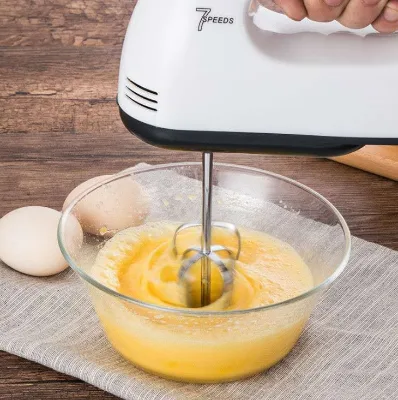





Kitchen Tools Baking Tool Egg Beater Egg Whisk Hand Whisk Kitchenware Bakeware
$0.23 - $0.33
MOQ: 1000 Pieces

Kitchen Tools Baking Tool Stainless Steel Egg Push Whisk Hand Whisk Bakeware
$1.21 - $1.85
MOQ: 1000 Pieces


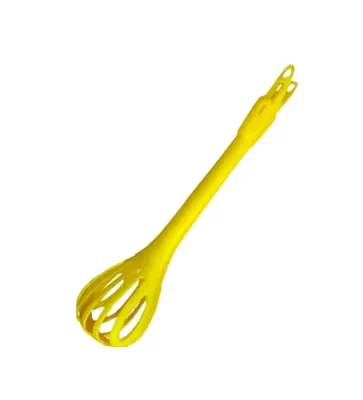
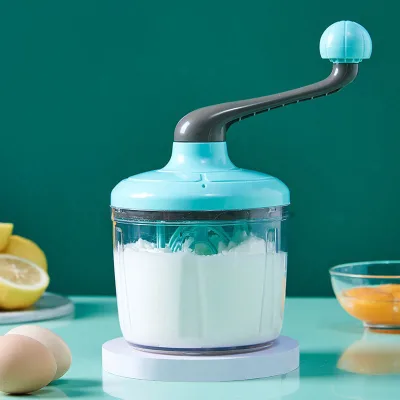


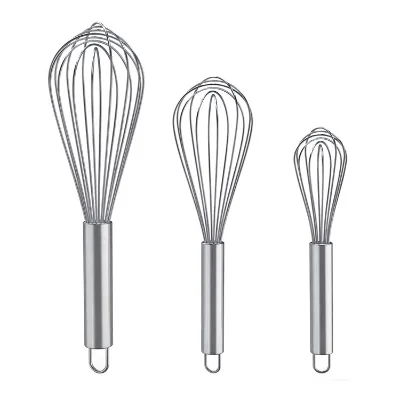
Comprehensive Sourcing Guide
Strategic Sourcing Guide for Eco-Friendly Egg Whisks
Understanding Product Variations and Material Composition
The market for eco-friendly egg whisks presents a diverse landscape where "eco-friendly" often refers to durability, material sustainability, and the elimination of single-use plastics rather than a single universal definition. Buyers must navigate a spectrum of product attributes that define the functional and environmental profile of these kitchen tools. Based on current supply chain data, the core material composition varies significantly between models, with stainless steel and plastic being the primary handle materials observed in the market. Stainless steel variants, such as those identified by model numbers like OT20661 and KI90015, offer robust construction suitable for heavy-duty mixing and egg beating tasks. These models often emphasize a "Non-Disposable" status, aligning with the eco-friendly ethos by promoting long-term reuse over throwaway culture.
Conversely, plastic handle options, such as those associated with model CK0043 and CK0044, provide a different set of characteristics. While plastic is often scrutinized in sustainability discussions, these products are frequently marketed with "Eco-Friendly" attributes, suggesting a focus on recyclability or the use of specific polymer grades that reduce environmental impact compared to traditional alternatives. The weight of these tools varies considerably, ranging from 73 grams for lighter stainless steel models to 97.2 grams for other variants, and 87.3 grams for specific plastic-handled designs. This variance in weight directly impacts user experience, particularly for tasks requiring prolonged hand motion, such as whipping egg whites or mixing batter.
The physical dimensions of the whisks are equally critical for procurement decisions. Product sizes observed in the market span from 21.5 cm by 8.5 cm to larger configurations measuring 29.7 cm by 5.5 cm. Thickness specifications also differ, with some models featuring a thickness of 5.5 mm, while others are designed with a 1.4 mm by 5 mm profile. These dimensional differences dictate the tool's suitability for various bowl sizes and mixing intensities. Buyers should verify that the selected model's dimensions align with the intended application, whether it is for home kitchens, commercial bakeries, or catering services. The "Single Layer" construction noted in certain models suggests a design focused on simplicity and ease of cleaning, which further contributes to the product's longevity and reduced resource consumption over its lifecycle.
Technical Specifications and Functional Performance
When evaluating the technical specifications of eco-friendly egg whisks, functionality is paramount. The primary usage categories identified include "Egg Beating," "Mixing," and "Egg Stirring." These functions are supported by specific design features such as the "Manual" type operation, which distinguishes these tools from electric mixers. The absence of speed adjustment features in certain models, such as those with model numbers KI90015 and KI90016, indicates a reliance on user-controlled motion for performance. This manual operation is a key differentiator, offering a tactile connection to the cooking process that many consumers and chefs prefer for delicate tasks like folding ingredients or creating specific textures in egg dishes.
The length of the whisk is another critical technical parameter. Observed lengths range from 160 mm to 202 mm, with specific standards noting a length of 190 mm. This range ensures compatibility with various pot and bowl depths, preventing the user from having to reach too far or having the whisk bottom out prematurely. The color options are generally flexible, with "Any Color Available" being a common customization feature, allowing buyers to align product aesthetics with brand identity or market trends. The "Silver" color option is frequently associated with stainless steel models, providing a classic, professional look that resists corrosion and maintains its appearance over time.
Customization capabilities are a significant aspect of the technical offering. Suppliers frequently offer "Custom Logo Acceptable" services, enabling brands to imprint their identity directly onto the product. This feature is particularly valuable for B2B buyers looking to create private label products. The packaging standards also vary, with options ranging from standard cartons to customized packing solutions. Some models are packed at a rate of 240 pieces per carton, while others utilize generic carton packaging. Understanding these packaging specifications is essential for logistics planning, as it affects shipping volume, storage requirements, and the overall cost of goods sold. The "Portable" feature noted in several models highlights the design intent for easy storage and transport, making these tools suitable for both stationary kitchen use and mobile catering scenarios.
Compliance, Certification, and Regulatory Standards
Navigating the compliance landscape is a critical step in sourcing eco-friendly kitchenware. The supply chain data indicates that products often carry certifications such as FDA, LFGB, and CE/EU. These certifications are not merely marketing labels but represent adherence to strict safety and material standards. The FDA certification ensures that the materials used in the whisk, particularly those in contact with food, are safe for human consumption and do not leach harmful substances. The LFGB (German Food and Feed Code) certification is particularly rigorous, often exceeding US standards, and is highly valued in European markets. The CE/EU marking confirms that the product meets the health, safety, and environmental protection requirements for products sold within the European Economic Area.
For buyers targeting specific regions, verifying these certifications is non-negotiable. A product claiming to be "Eco-Friendly" must also be "Food Safe." The presence of these certifications suggests that the manufacturers have undergone testing to ensure their products meet international safety benchmarks. However, buyers should remain vigilant and request current, valid certification documents from the supplier rather than relying solely on product listings. The "Non-Disposable" nature of these products also implies a focus on durability, which is often a prerequisite for meeting certain environmental standards that discourage single-use items.
Standardization in production is another area of concern. While specific product standards like "7733.553 cm" and "773251.5 cm" are listed, these often refer to the dimensions of the packaging carton rather than the product itself. Buyers must distinguish between product dimensions and shipping standards to avoid confusion in logistics planning. The "OEM" (Original Equipment Manufacturer) branding indicates that the products are manufactured to the buyer's specifications, which allows for greater control over the quality and compliance aspects of the final product. Ensuring that the OEM process includes rigorous quality checks at the factory level is essential to maintaining the integrity of the certifications.
Cost Drivers and Pricing Dynamics
The pricing structure for eco-friendly egg whisks is influenced by a complex interplay of factors, including material costs, customization levels, and order volume. The observed price range in the market spans from $0.13 to $4.70 USD. This wide disparity suggests that the cost is heavily dependent on the specific model, material composition, and the extent of customization required. Lower-priced items, likely around the $0.13 mark, may correspond to basic models with standard packaging and minimal customization, such as the plastic-handled variants with standard logos. In contrast, the higher end of the spectrum, approaching $4.70, likely reflects premium stainless steel models with custom branding, specialized packaging, or additional features that add value.
Minimum Order Quantity (MOQ) is a significant cost driver in this sector. The observed MOQ range varies from 5 to 3000 units, with a high-confidence fact indicating an MOQ of 100 pieces for many suppliers. This variability allows buyers to scale their orders based on their budget and storage capacity. Smaller buyers can start with lower MOQs, while larger enterprises can leverage bulk purchasing power to negotiate better unit prices. The "Customized" packing option often comes with a higher MOQ requirement, as setting up custom packaging lines incurs additional setup costs for the manufacturer.
Material costs play a pivotal role in pricing. Stainless steel, being a more expensive raw material than plastic, generally commands a higher price point. However, the durability and "Eco-Friendly" status of stainless steel models can justify the higher initial investment through a longer product lifecycle. Buyers should consider the total cost of ownership, which includes the initial purchase price, shipping costs, and the potential for replacement. A slightly more expensive stainless steel whisk that lasts for years may be more cost-effective than a cheaper plastic alternative that requires frequent replacement. Additionally, the "Custom Logo" service adds a layer of cost that varies based on the complexity of the design and the printing method used.
Supplier Evaluation and Origin Verification
Selecting the right supplier is crucial for ensuring product quality and reliability. The supply chain data points to Zhejiang, China, as a primary origin for these products, with some listings simply noting "China" as the location. Zhejiang is a well-known manufacturing hub for kitchenware and small appliances, offering a mature ecosystem of suppliers with varying levels of expertise. Buyers should evaluate suppliers based on their ability to meet the specific technical and compliance requirements outlined in the sourcing guide.
Key evaluation criteria include the supplier's capacity to handle customization requests, their track record with certifications, and their logistical capabilities. The "Custom Logo Acceptable" and "Can Be Your Logo" attributes indicate that many suppliers are willing to work with buyers on branding, but the quality of the logo application must be verified. Buyers should request samples to assess the durability of the logo and the overall finish of the product. Furthermore, the "OEM" status suggests that suppliers are experienced in producing goods for other brands, which is a positive indicator of their manufacturing capabilities.
Logistics and lead times are also critical factors. While specific lead times are not provided in the data, the "Carton" and "CTN" packing standards suggest standard shipping practices. Buyers should inquire about the supplier's ability to meet delivery deadlines, especially for large orders with high MOQs. The "240 PCS Per Carton" specification is useful for calculating shipping volumes and costs. Buyers should also verify the supplier's quality control processes to ensure that the "Non-Disposable" and "Eco-Friendly" claims are backed by consistent manufacturing standards.
Quality Control and Long-Term Procurement Strategy
Implementing a robust quality control (QC) strategy is essential for maintaining the integrity of eco-friendly egg whisk products. Given the "Non-Disposable" nature of these items, buyers must ensure that the products are built to withstand repeated use without degradation. This involves checking for structural integrity, such as the strength of the handle attachment and the durability of the whisk wires. The "Single Layer" design should be inspected to ensure it does not compromise the tool's stability during use.
Long-term procurement considerations should focus on building a sustainable supply chain. This includes establishing clear communication channels with suppliers regarding quality expectations and compliance requirements. Regular audits or third-party inspections can help verify that the products continue to meet the FDA, LFGB, and CE/EU standards over time. Buyers should also consider the environmental impact of the packaging, ensuring that the "Carton" or "CTN" packaging is recyclable or made from sustainable materials where possible.
The "Eco-Friendly" attribute should be a central theme in the procurement strategy, driving decisions on material selection, manufacturing processes, and product lifecycle management. By prioritizing suppliers who demonstrate a commitment to sustainability and quality, buyers can build a brand reputation that resonates with environmentally conscious consumers. The ability to customize the product with a unique logo and design allows buyers to differentiate their offerings in a competitive market. Ultimately, a strategic approach to sourcing eco-friendly egg whisks involves balancing cost, quality, and sustainability to create a product line that meets the needs of modern consumers while maintaining profitability and operational efficiency.
FAQs
What certifications do eco friendly egg whisks typically have?
These products commonly carry FDA, LFGB, and CE/EU certifications to ensure food safety and compliance. Buyers should verify that the specific model matches these standards before ordering, as certifications confirm the materials are safe for human consumption and meet international regulatory requirements.
Which handle materials are available for these kitchen tools?
Available handle materials include stainless steel and plastic, depending on the specific model selected. Stainless steel variants offer durability for heavy-duty mixing, while plastic options provide lightweight alternatives, with some models featuring customizable colors to match brand aesthetics.
Can I request a custom logo on the product?
Yes, suppliers accept custom logos and can print your brand identity directly onto the whisk. This customization is often available for various models, allowing buyers to create private label products, though it may require meeting specific minimum order quantities to cover setup costs.
What is the typical minimum order quantity for these items?
The minimum order quantity typically starts at 100 pieces, though some suppliers may accept orders as low as 5 units. Higher volumes often secure better pricing, and customized packaging or branding usually requires adhering to the standard 100-piece threshold to be feasible.
How long are the product dimensions for standard models?
Product sizes vary, with common dimensions ranging from 21.5 by 8.5 cm to 29.7 by 5.5 cm. Thickness also differs between models, with some measuring 5.5 mm and others 1.4 by 5 mm, so buyers must select dimensions that fit their specific bowl or pot sizes.
Are these egg whisks reusable or disposable?
The listed products are non-disposable and designed for long-term reuse in kitchens. This durable construction aligns with eco-friendly principles by reducing waste, making them suitable for repeated use in both home and commercial settings without the need for frequent replacement.