Source Eco-friendly Elastic Backpack Strap for Camping Hiking Travel
Compare 30 listings for Eco-friendly Elastic Backpack Strap options suitable for outdoor camping, hiking, and traveling. Buyers can review specifications like material, size, and customization features from verified suppliers.
Key considerations
Products List


Lowest Price Hot Sale Cycling Sports Safety Warning Elastic Reflective Backpack Straps
$0.52 - $0.59
MOQ: 1900 Pieces


Durable Weather-Resistant Backpack Compression Straps for Outdoor Adventures
$0.05 - $0.10
MOQ: 1000 Meters


Adjustable Shoulder Straps Comfortable Carry Large Capacity China Factory Backpack Bag
$10.99 - $13.99
MOQ: 500 Pieces

Travel Friendly Luggage Sleeve Adjustable Straps Lightweight China Manufacturer Backpack Bag
$10.99 - $13.99
MOQ: 500 Pieces


Factory Wholesale 38mm Eco-Friendly Elastic Webbing Elastic Straps Rubber Bands
$0.13 - $0.17
MOQ: 1000 Meters


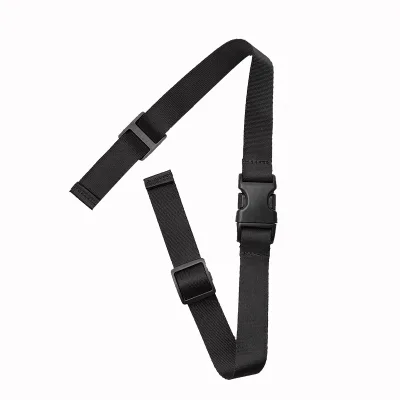


Comprehensive Sourcing Guide
Eco-friendly Elastic Backpack Strap Sourcing Guide
Sourcing elastic backpack straps requires a nuanced understanding of material science, specifically the balance between elasticity, durability, and environmental impact. The term "eco-friendly" in this context often refers to the use of recycled polyester or specific low-impact dyeing processes, rather than a single universal standard. Buyers must distinguish between marketing claims and verifiable material compositions, as the core functionality of the strap relies on high-tensile synthetic fibers that can withstand repeated stretching without permanent deformation. The observed market data indicates a diverse range of products, from simple nylon webbing to complex, multi-functional elastic cords, each serving different load-bearing and aesthetic requirements.
The procurement landscape for these components is characterized by significant variability in specifications, including width, length, and tensile strength. Suppliers often offer customization options, allowing buyers to tailor the strap to specific bag designs or brand identities. However, this flexibility introduces complexity in quality control, as inconsistent elasticity or poor stitching can lead to product failure in the final backpack. Understanding the interplay between the elastic core, the outer woven sheath, and the attachment hardware is essential for ensuring that the final product meets both performance standards and sustainability goals.
Product Scope and Observed Listing Signals
The current market offers a wide array of strap types, ranging from standard nylon webbing to specialized elastic cords with specific diameter and length specifications. Observed listings highlight products with dimensions such as 125cm by 3.4cm, indicating a focus on specific sizing requirements for different bag models. These products are often marketed for outdoor activities like camping, hiking, and traveling, suggesting that durability and weather resistance are key selling points. The presence of features like high-temperature resistance and corrosion resistance further underscores the need for robust materials that can withstand harsh environmental conditions.
In addition to functional attributes, aesthetic and customization options play a significant role in product selection. Buyers can find straps in various colors, including black, white, and mixed colors, with some suppliers offering custom designs and logo printing services. The use of materials like polyester and plastic, including POM (Polyoxymethylene) components, suggests a blend of flexibility and structural integrity. Some listings emphasize eco-friendly coatings and customization availability, appealing to brands looking to align their supply chain with sustainability initiatives. However, the term "eco-friendly" should be verified against specific material certifications rather than accepted at face value.
Technical Specifications to Verify
Verifying the material composition is the first critical step in ensuring product quality. While some listings specify nylon or polyester, others mention plastic components like POM, which may be used for buckles or adjustment mechanisms rather than the strap itself. Buyers should request detailed material breakdowns to confirm the percentage of recycled content or the specific type of synthetic fiber used. The presence of features such as high-temperature resistance and corrosion resistance should be validated through technical data sheets, as these properties are crucial for outdoor gear that may be exposed to extreme conditions.
Dimensional accuracy and elasticity retention are equally important technical parameters. Listings indicate a range of sizes, from 10mm to 50mm in width, and lengths up to 125cm, with some products offering custom sizing. Buyers must verify that the elastic properties remain consistent across the entire length of the strap and that the material does not degrade or lose tension over time. The inclusion of features like adjustable lengths and multi-functionality requires precise manufacturing tolerances to ensure that the strap performs reliably under load. Requesting samples for physical testing is essential to confirm these specifications before placing bulk orders.
Compliance and Safety Documentation
Environmental claims regarding "eco-friendly" materials must be supported by recognized certifications to avoid greenwashing. While some background knowledge suggests standards like Oeko-Tex or GOTS, these are typically associated with textile fabrics rather than synthetic elastic components. Buyers should inquire about specific certifications related to recycled content, such as the Global Recycled Standard (GRS), or chemical safety standards like REACH, which restrict the use of harmful substances in manufacturing. Verifying these certifications ensures that the product meets both environmental and regulatory requirements in target markets.
Safety and performance standards are also critical, particularly for products used in outdoor and sporting goods. Buyers should request test reports for tensile strength, abrasion resistance, and colorfastness to ensure the strap can withstand the rigors of daily use. While some listings mention high-temperature resistance, specific temperature thresholds should be confirmed with the supplier. Additionally, compliance with flammability standards may be required depending on the end-use application, so buyers must clarify these requirements early in the sourcing process to avoid costly rework or rejection.
Cost Drivers and Commercial Terms
The cost of elastic backpack straps is influenced by several factors, including material quality, customization complexity, and order volume. Observed price ranges vary significantly, reflecting differences in material composition and production methods. Customization options, such as specific colors, logos, and dimensions, often incur additional setup fees and higher per-unit costs. Buyers should negotiate clear pricing structures that account for these variables, ensuring that the final cost aligns with their budget and margin targets.
Commercial terms, including minimum order quantities (MOQ) and lead times, also impact the overall procurement strategy. Listings indicate MOQs ranging from 10 to 10,000 pieces, with lead times varying from 2-3 days for samples to 7 days for bulk production. Buyers should assess their inventory needs against these constraints to avoid overstocking or production delays. Additionally, payment terms and shipping costs should be clarified upfront, as these can significantly affect the total landed cost of the product. Understanding these commercial dynamics allows for more accurate forecasting and better negotiation leverage.
Supplier Qualification and Quality Control
Evaluating supplier capabilities is essential for ensuring consistent product quality and reliable delivery. Buyers should verify the supplier's manufacturing processes, including their ability to handle customization and maintain strict quality control measures. Suppliers offering ODM/OEM services should demonstrate a robust design and engineering team capable of translating buyer requirements into production-ready specifications. Requesting references or case studies from previous clients can provide insight into the supplier's reliability and responsiveness.
Quality control procedures should be clearly defined and agreed upon before production begins. This includes establishing acceptance criteria for material defects, dimensional inaccuracies, and cosmetic flaws. Buyers should consider implementing pre-shipment inspections to verify that the delivered goods meet the agreed-upon standards. Additionally, establishing a clear communication channel for addressing any issues that arise during production can help mitigate risks and ensure a smoother procurement process. Building a strong relationship with the supplier based on transparency and mutual trust is key to long-term success.
Long-Term Procurement Checks
Sustainability and ethical sourcing practices should be regularly reviewed to ensure alignment with evolving brand values and regulatory requirements. Buyers should periodically audit their suppliers' environmental policies and supply chain transparency to verify ongoing compliance with stated commitments. This includes monitoring changes in material sourcing, manufacturing processes, and waste management practices. Engaging in continuous dialogue with suppliers about sustainability initiatives can drive innovation and improve the overall environmental footprint of the product.
Market trends and consumer preferences are also subject to change, requiring buyers to stay informed about emerging technologies and design trends in the backpack accessory market. Regularly reviewing product performance and customer feedback can help identify areas for improvement and inform future sourcing decisions. Additionally, maintaining a diversified supplier base can mitigate risks associated with supply chain disruptions and price volatility. By adopting a proactive and strategic approach to procurement, buyers can ensure that their elastic backpack straps remain competitive, sustainable, and aligned with their brand identity.
FAQs
What materials are used for eco friendly elastic backpack straps?
The straps are constructed from nylon, polyester, and plastic materials including POM. These materials are selected to ensure durability and flexibility for outdoor camping and hiking activities while maintaining a modern style.
Can I customize the size and color of the backpack strap?
Customization is available for both size and color options. Buyers can choose from black, white, or mixed colors, and the standard size is 125cm by 3.4cm with other dimensions like 10mm to 50mm available upon request.
What is the minimum order quantity for these elastic straps?
The minimum order quantity is 1000 pieces for standard orders. However, some listings indicate a flexible range starting from 10 pieces up to 10000 pieces depending on the specific supplier and product configuration selected.
How long does it take to receive samples of the product?
Sample time typically ranges from 7 to 10 days for custom designs. Free samples are available for qualified buyers, and the lead time for bulk production is generally 2 to 3 days after sample approval.
Are these backpack straps suitable for all seasons and genders?
Yes, the straps are designed for all seasons and are suitable for unisex use. They feature a double shoulder style with soft mat construction, making them ideal for dating, travel, and general outdoor activities.
What packaging options are available for bulk orders?
Packaging options include OPP bags for individual items or bulk packages containing 500 pieces per bag and 2000 pieces per carton. The final package is typically shipped in cartons to ensure safety during transit.