Source Eco-Friendly Fishing Tackle Box for Boat, Beach, and River
Compare 30 eco-friendly fishing tackle box options from verified suppliers. These durable, high-performance boxes suit freshwater and sea fishing for trout, bass, and saltwater species.
Key considerations
Products List


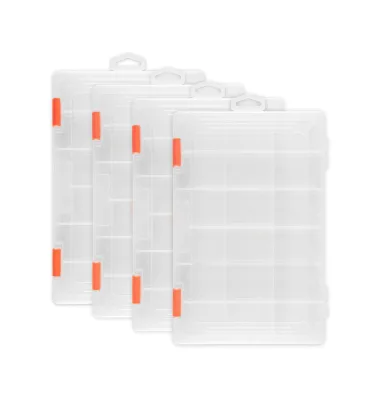
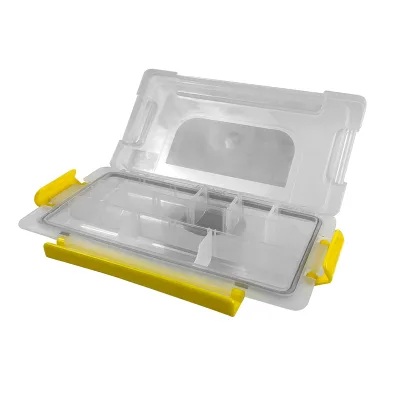
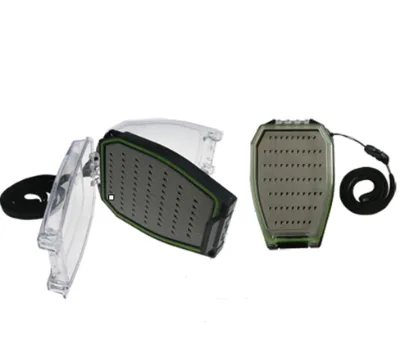
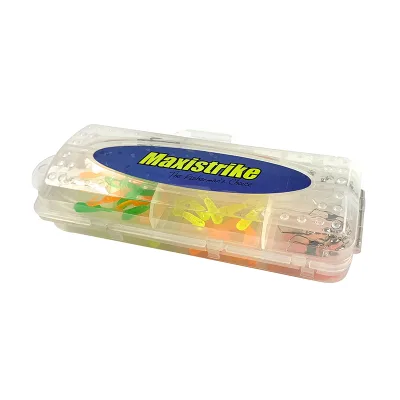
Small Fishing Tackle Box Organizer Removable Fishing Storage Tackle Box
$0.90 - $1.00
MOQ: 1000 Pieces


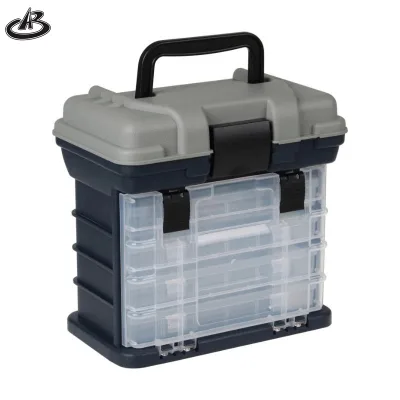

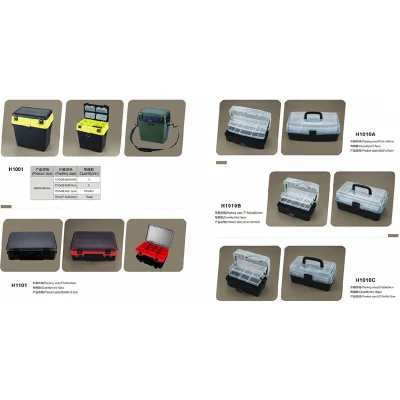
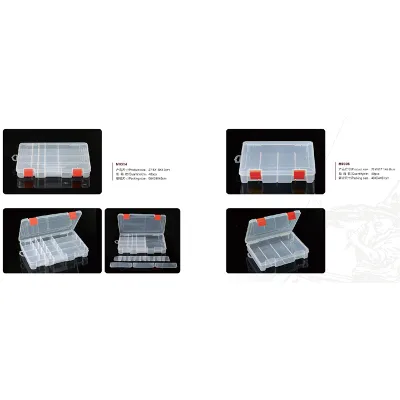


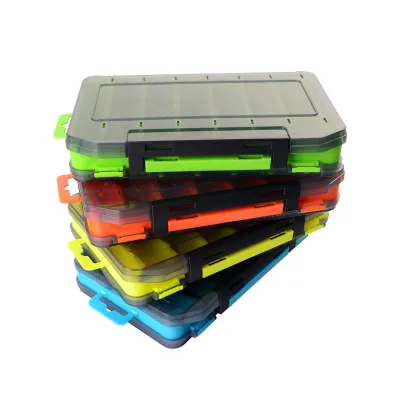

Comprehensive Sourcing Guide
Strategic Sourcing Guide for Eco-Friendly Fishing Tackle Boxes
Understanding the Product Category and Material Composition
When sourcing eco-friendly fishing tackle boxes, buyers must first distinguish between the general category of fishing storage and the specific attributes that define sustainability in this niche. The core product in question is a specialized container designed to organize and protect fishing lures, hooks, lines, and other tackle. Based on observed market data, the primary material composition for these units is typically high-grade plastic or ABS (Acrylonitrile Butadiene Styrene). ABS is frequently cited as a preferred material due to its balance of durability, impact resistance, and potential for recyclability, which aligns with eco-friendly objectives.
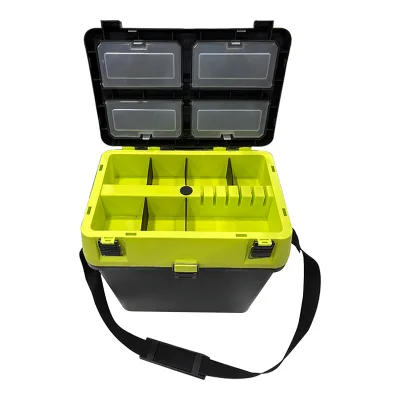
The physical form factor varies significantly across the supply chain. Buyers will encounter models described as "Box" or "Fishing box" types, often featuring a "Wheeled" style for enhanced portability during long excursions. The design philosophy often emphasizes "Shockproof" capabilities to ensure that delicate lures and glass jars remain intact during transport. Furthermore, the product attributes consistently highlight "High Quality" and "Durable" construction, ensuring that the item withstands the harsh environments of ocean, river, and lake fishing.
A critical observation in the current market is the variation in capacity and size. Some units are marketed as "Mini Capacity," catering to anglers who require lightweight, portable solutions for specific techniques like stream fishing. Conversely, larger models are available for extensive tackle organization. The dimensions observed in the market range from compact units measuring approximately 4.5 x 3.2 x 1.3 inches to substantial storage solutions reaching 13.4 x 7 x 7.5 inches. This diversity in sizing means that procurement strategies must be tailored to the specific target species and fishing techniques of the end-user, whether that be freshwater trout, bass, or saltwater marlin.
Technical Specifications and Dimensional Standards
Precision in technical specifications is paramount when evaluating potential suppliers for eco-friendly fishing tackle boxes. The market data indicates a wide spectrum of standardized dimensions, which directly impacts storage efficiency and shipping logistics. Buyers should verify that the supplier provides exact dimensional data for each model number, as these specifications dictate the internal organization and external footprint of the product.
The following table outlines the observed model numbers and their corresponding standard dimensions found in the current supply landscape. This data serves as a reference point for verifying supplier claims and ensuring that the selected product meets the spatial requirements of the intended application.
| Model Number | Standard Dimensions (Inches) | Standard Dimensions (Centimeters) | Capacity Type |
|---|---|---|---|
| ZHZ-396 | 0.9 x 0.3 x 1.5 | N/A | Mini Capacity |
| ZHZ-0400 | 7.87 x 6.69 x 6.97 | N/A | Standard |
| ZHZ-390 | 13.4 x 7 x 7.5 | N/A | Large |
| ZHZ-0380 | 6.3 x 3.5 x 1.7 | N/A | Compact |
| ZHZ-0393 | 4.5 x 3.2 x 1.3 | N/A | Mini Capacity |
| ZHZ-0389 | N/A | N/A | N/A |
| LXY-01 | N/A | 45 x 32 x 36 | Large |
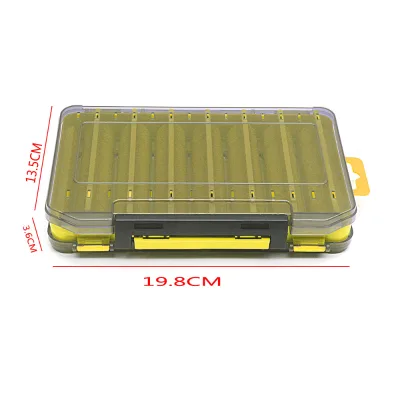
| BST-121445 | N/A | 19.8 CM (Size) | Standard |
It is important to note that while some models provide dimensions in inches, others are listed in centimeters. Buyers must ensure unit consistency when calculating shipping volumes and container loads. For instance, the model LXY-01 is specified with dimensions of 45 x 32 x 36, likely in centimeters, which represents a significantly larger footprint than the ZHZ-396. The "Single package size" for certain units is recorded as 15 x 15 x 15 cm, indicating a cubic packaging efficiency that may reduce waste during transit.
When evaluating the "Eco-Friendly" claim, buyers should look for evidence of material efficiency in these dimensions. A product that minimizes material usage while maintaining structural integrity is a key indicator of sustainable design. The "Lasting" and "High-Performance" attributes suggest that these boxes are engineered for longevity, reducing the frequency of replacement and the associated environmental impact of manufacturing new units.
Compliance, Certification, and Environmental Verification
The term "Eco-Friendly" in the context of plastic fishing tackle boxes requires rigorous verification, as it is often a marketing descriptor rather than a certified status. In the absence of specific, named certifications in the provided data, buyers must adopt a proactive verification strategy. The primary material, ABS, is a thermoplastic that can be recycled, but the eco-credentials depend heavily on the manufacturing process, the presence of recycled content, and the end-of-life disposal options.
Buyers should request documentation regarding the source of the raw materials. Does the supplier use virgin plastic or post-consumer recycled (PCR) ABS? If the product claims to be "Eco-Friendly," it should ideally be supported by a statement on the absence of harmful chemicals such as BPA or phthalates, which are common concerns in plastic fishing gear. The "Environmental Protection" attribute listed in the product data suggests a commitment to this principle, but it must be substantiated by technical data sheets or third-party audit reports.
Furthermore, the "High Quality" and "Superior" quality attributes observed in the market should be linked to compliance with international safety and environmental standards. While specific standard numbers beyond the dimensional specifications are not provided in the source text, buyers should verify adherence to standards such as ISO 14001 for environmental management systems. The "Standard Packing" and "Carton" packaging options also play a role in the overall environmental footprint. Buyers should inquire whether the packaging materials are recyclable or biodegradable, as the "Paper Box" option mentioned for some models is a positive indicator of sustainable packaging practices compared to non-recyclable plastics.
It is crucial to avoid accepting "Eco-Friendly" claims at face value. The verification process should include asking for the supplier's environmental policy, waste management protocols, and any relevant third-party testing results that confirm the safety and recyclability of the ABS material used.
Cost Drivers and Pricing Dynamics
Understanding the cost structure of eco-friendly fishing tackle boxes is essential for effective procurement planning. The observed price range in the market spans from $0.90 to $17.00 USD. This wide variance is driven by several key factors, including material quality, size, complexity of the design, and the extent of customization available.
The "Customization" attribute is a significant cost driver. Suppliers offering the ability to customize the box design, color, or internal layout will typically charge a premium. The "Paper Box" versus "Carton" packaging choice also influences the final unit cost, with more sustainable packaging options sometimes incurring higher material costs. Additionally, the "Wheeled" style and "Shockproof" features add to the manufacturing complexity and, consequently, the price.
The Minimum Order Quantity (MOQ) is another critical factor affecting the unit price. The observed MOQ range is from 1 to 5,000 pieces. Buyers ordering smaller quantities, such as the single-unit or low-volume orders, will likely face a higher per-unit cost. Conversely, larger orders, particularly those meeting the 5,000-piece threshold, may benefit from economies of scale, resulting in a lower price point closer to the lower end of the observed range.
Lead times also impact the overall cost of procurement. A standard delivery time of 15 days is noted for certain models. Expedited shipping or rush orders may incur additional fees. Buyers should factor in the "Delivery" timeline when calculating the total landed cost, especially if the procurement is time-sensitive or if the product is intended for a specific fishing season.
Supplier Evaluation and Quality Assurance
Selecting the right supplier requires a comprehensive evaluation of their capabilities, particularly regarding the "High Quality" and "Durable" attributes observed in the market. The "Place of Origin" for these products is consistently listed as China, with specific regions like Jiangsu identified as a manufacturing hub. While this provides a geographic context, buyers must look beyond location to assess the supplier's operational standards.
Quality assurance should be a central component of the supplier evaluation process. Buyers should request samples to test the "Shockproof" capabilities and the overall structural integrity of the ABS plastic. The "Superior" quality claim should be validated through physical inspection of the product's finish, hinge strength, and latch mechanisms. The "Color" options, such as Black and Green, should be checked for consistency and fade resistance, which are critical for outdoor fishing equipment.
The "Single gross weight" of 1.000 kg for certain units provides a benchmark for shipping calculations and handling requirements. Buyers should verify that the supplier's quality control processes include rigorous testing for durability and environmental resistance. This includes checking for defects in the molding process, ensuring that the "Fishing Technique" compatibility (e.g., Freshwater, Sea Fishing) is met through robust construction, and verifying that the "Target Species" requirements are supported by the box's organizational features.
Additionally, the "Number of Items" per package should be confirmed. Most listings indicate a single item per package, which simplifies inventory management but may increase packaging waste. Buyers should evaluate whether the supplier offers bulk packaging options that maintain product safety while reducing material usage.
Typical Applications and Market Segmentation
The versatility of eco-friendly fishing tackle boxes is evident in their wide range of applications. The "Position" attribute highlights suitability for diverse environments, including Ocean Boat Fishing, Ocean Beach Fishing, Lake, Ocean Rock Fishing, River, and Stream fishing. This broad applicability suggests that the product is designed to withstand varying degrees of exposure to saltwater, freshwater, and abrasive surfaces.
The "Fishing Technique" classification further refines the market segmentation. The boxes are suitable for both Freshwater Fishing and Sea Fishing, catering to a wide spectrum of anglers. The "Target Species" list, which includes Trout, Bass, Bonefish, Marlin, and Saltwater Fish, indicates that the internal organization of these boxes is designed to accommodate a variety of lure sizes and types.
For the "Mini Capacity" models, the primary application is likely for specialized techniques such as stream fishing or rock fishing, where portability is key. These smaller units, with dimensions as compact as 4.5 x 3.2 x 1.3 inches, are ideal for anglers who need to carry a limited selection of lures. In contrast, the larger models, such as the ZHZ-390 with dimensions of 13.4 x 7 x 7.5 inches, are better suited for boat fishing or extended trips where a larger inventory of tackle is required.
The "Practicality" and "High-Performance" attributes underscore the functional design of these boxes. Whether used for organizing lures for Bass or specialized gear for Marlin, the boxes must provide secure storage and easy access. The "Wheeled" style is particularly beneficial for heavy loads in beach or boat fishing scenarios, reducing the physical strain on the angler.
Long-Term Procurement Considerations
Sourcing eco-friendly fishing tackle boxes is not merely a transactional activity but a strategic decision with long-term implications. The "Lasting" and "Durable" nature of these products suggests a lower total cost of ownership compared to cheaper, less durable alternatives. By investing in high-quality ABS boxes, buyers can reduce the frequency of replacements, thereby minimizing waste and supporting sustainability goals.
Buyers should also consider the scalability of their supply chain. The "Customization" availability allows for brand differentiation, which can be a significant competitive advantage in the B2B market. As the demand for eco-friendly products grows, having a supplier capable of adapting to new environmental standards or material requirements will be crucial.
Furthermore, the "Delivery" lead time of 15 days should be integrated into the buyer's inventory management strategy. Consistent lead times ensure that stock levels are maintained without the risk of stockouts, which is vital for meeting customer demand during peak fishing seasons. The "Standard Packing" and "Carton" options should be evaluated for their compatibility with automated warehousing systems to optimize logistics efficiency.
Finally, the "Quality" and "Superior" attributes observed in the market indicate a trend toward higher standards in the industry. Buyers who prioritize these attributes will likely find more reliable suppliers who are committed to continuous improvement and environmental responsibility. By focusing on these long-term factors, buyers can build a resilient supply chain that supports both business growth and environmental stewardship.
FAQs
What materials are used for eco-friendly fishing tackle boxes?
These boxes are primarily constructed from high-grade plastic or ABS materials. The ABS composition offers a balance of durability and impact resistance suitable for shockproof performance. This material choice supports the product's lasting nature and high-quality construction standards.
Which customization options are available for these fishing boxes?
Customization is available for buyers seeking specific design or functional adjustments. Suppliers can tailor features to meet unique requirements while maintaining the high-quality and durable attributes of the product. This flexibility allows for adaptation across different fishing techniques and target species.
How do the dimensions vary across different model numbers?
Dimensions vary significantly, ranging from compact sizes like 4.5 x 3.2 x 1.3 inches to larger units measuring 13.4 x 7 x 7.5 inches. Specific models such as ZHZ-396 and ZHZ-390 offer distinct capacities to suit either mini or standard storage needs for various fishing environments.
Can these boxes be used for both freshwater and sea fishing?
Yes, the boxes are designed for both freshwater and sea fishing techniques. They are suitable for targeting species like trout, bass, and marlin in diverse locations including rivers, lakes, and ocean beaches. The shockproof and durable construction ensures reliability in all these environments.
What is the typical lead time for delivery of these products?
The standard delivery time for these products is approximately 15 days. This lead time applies to orders placed with suppliers who maintain the specified production and logistics capabilities. Buyers should plan their procurement schedule accordingly to ensure timely arrival for their fishing seasons.
What packaging types are offered for these fishing tackle boxes?
Packaging options include paper boxes and standard cartons depending on the specific model and supplier. The paper box option aligns with eco-friendly objectives, while cartons provide robust protection during transit. Each unit is typically packed as a single item with a gross weight of 1.000 kg.
Which suppliers offer the lowest minimum order quantities?
Minimum order quantities range from 1 piece up to 5000 pieces depending on the supplier and product configuration. Some vendors allow single-item purchases, while others require bulk orders to meet the 5000-piece threshold. Buyers should verify specific MOQs to align with their inventory needs.