Source Wear Resistant Braided Fishing Line for Sea, Stream, and Outdoor Gear
Compare 30 listings for Wear Resistant Braided Fishing Line suitable for sea and stream fishing. Options include PE, nylon, and multi-strand constructions with customization and OEM support available for bulk orders; compare the available evidence and request quotations based on your requirements.
Key considerations
Products List


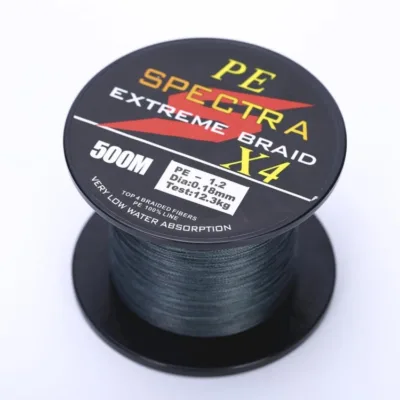


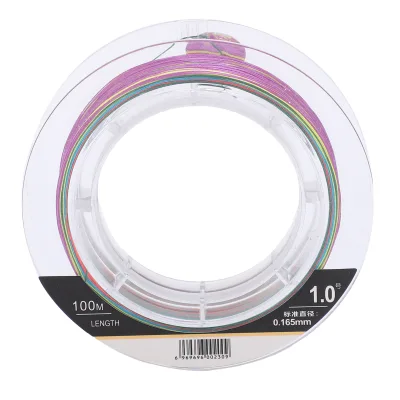
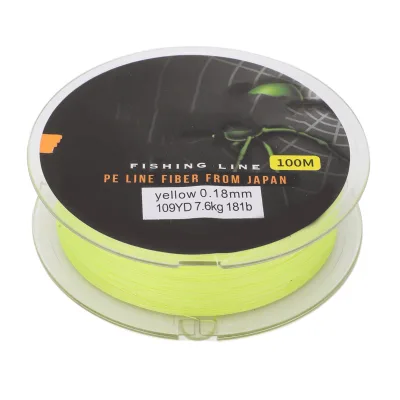
Comprehensive Sourcing Guide
Wear Resistant Braided Fishing Line Sourcing Guide
Buyers evaluating wear-resistant braided fishing lines must first distinguish between floating and sinking variants, as the observed listings explicitly categorize products by buoyancy characteristics. The market data confirms the availability of both floating lines designed for surface applications and sinking lines intended for deeper water pursuits. This distinction is critical because the material composition, such as PE or Nylon, directly influences the line's density and its interaction with water currents. Procurement teams should verify the specific buoyancy requirement for their target fishing environment before selecting a supplier, as a mismatch can compromise catch efficiency.
The product scope also encompasses various strand configurations, ranging from four-strand to eight-strand constructions, which dictate the line's tensile strength and abrasion resistance. Listings indicate that these lines are primarily manufactured for sea and stream environments, suggesting a robust design capable of withstanding harsh conditions. Buyers should note that while some products are marketed as "tough" or "no fade," these are descriptive observations rather than guaranteed performance metrics. It is essential to request specific test data or material certifications to validate claims regarding color retention and structural integrity under stress.
Product Scope and Observed Listing Signals
The observed market signals reveal a diverse range of product models, including specific identifiers like "MINGGUAN" and "YJ-Y-PE-028," which indicate a fragmented supply chain with multiple manufacturers. These models often come in different colors, including black, transparent, and multi-color options, allowing buyers to select lines that match specific visibility requirements or personal preferences. The presence of "4 Strands Tough" and "8 Strands" models suggests that strand count is a primary differentiator for durability, with higher strand counts generally offering increased resistance to wear and tear.
Packaging standards vary significantly across the listings, with options ranging from standard cartons and boxes to specialized carbon boxes. Some suppliers offer flexible packing solutions described as "as Picture," while others adhere to strict standards like "6 pieces a box" or "100m" length specifications. This variability requires buyers to clearly define their packaging needs to avoid logistical complications upon delivery. Additionally, the availability of samples is a positive signal, enabling procurement teams to physically inspect the braided texture and finish before committing to larger orders.
Technical Specifications to Verify
Verification of the line's material composition is the first technical step, as the data confirms the use of PE, Nylon, and braided wire constructions. Buyers must confirm which material is used for their specific order, as PE lines typically offer superior strength-to-diameter ratios, while Nylon may provide different stretch characteristics. The "Line No." specification appears in the context of sea and stream locations, indicating that line thickness or diameter is a key parameter for matching the line to the target fish species and fishing technique.
Length specifications are another critical variable, with listings showing options like "100m" or "50m, 100m, etc." and specific model numbers like "FL-2" and "FL-3." Buyers should verify the exact length per spool to ensure it meets the requirements of their fishing gear and reel capacity. Furthermore, the "Level" shape attribute suggests a specific lay or profile that may affect casting distance and line memory. It is imperative to confirm that the physical dimensions and shape align with the intended application, whether for deep-sea trolling or stream fishing.
Compliance and Safety Documentation
Compliance verification should begin with checking for recognized certifications such as CE and ISO9001, which are explicitly mentioned in the product data. These certifications indicate that the manufacturer adheres to specific quality management systems and safety standards, which is crucial for ensuring consistent product performance. Buyers should request copies of these certificates to validate the supplier's claims, as the presence of "SGS" as a standard in some listings further underscores the importance of third-party verification for material safety and quality.
Safety documentation must also address the intended usage, as some listings mention applications in agriculture and outdoor gear alongside fishing. This broad usage scope requires buyers to ensure that the line meets safety standards for all intended environments, particularly if the line is used in conjunction with other equipment. The "Ready to Ship" status of some items suggests that compliance checks should be completed prior to dispatch to avoid delays. Procurement teams should insist on a certificate of analysis or material safety data sheet to confirm that the line is free from harmful substances.
Cost Drivers and Commercial Terms
Cost drivers for wear-resistant braided lines are heavily influenced by the material type, strand count, and customization options. The data shows a wide price range from $0.01 to $18, reflecting differences in quality, brand, and production complexity. Buyers should understand that higher strand counts and specialized features like "no fade" technology likely command a premium price. Additionally, the availability of OEM services and customizable branding can add to the overall cost, as these services require additional setup and production time.
Commercial terms vary significantly, with MOQs ranging from 10 pieces to 30,000 units, offering flexibility for both small and large buyers. Lead times are generally short, with some suppliers offering a 7-day delivery window, which is advantageous for urgent procurement needs. However, the "Negotiable" standard for some products indicates that pricing and terms are not fixed and require direct discussion. Buyers should clarify all payment terms, shipping costs, and potential volume discounts to ensure the total cost of ownership aligns with their budget constraints.
Supplier Qualification and Quality Control
Supplier qualification should prioritize manufacturers with a proven track record in producing braided lines for sea and stream environments. The data indicates that many suppliers originate from China, with specific mentions of Shandong as a production hub. Buyers should verify the supplier's production capacity and history to ensure they can consistently meet demand without compromising quality. The "Accept" status for OEM and customization suggests that these suppliers are experienced in handling bespoke orders, which is a positive indicator of their operational flexibility.
Quality control processes must be rigorously evaluated, especially given the "Ready to Ship" status of some items. Buyers should inquire about the supplier's internal testing protocols for tensile strength, abrasion resistance, and color fastness. The presence of "Sample" availability is a strong indicator of a supplier's confidence in their product quality, allowing buyers to conduct their own preliminary tests. Establishing a clear quality assurance agreement that includes inspection rights and rejection criteria is essential for maintaining product standards throughout the supply chain.
Long-Term Procurement Checks
Long-term procurement success depends on establishing a reliable supply chain that can adapt to changing market demands and product requirements. Buyers should monitor the supplier's ability to maintain consistent quality over time, particularly for critical attributes like strand count and material composition. The "Can Be Customised" brand attribute suggests that suppliers are willing to evolve their offerings, but buyers must ensure that these changes do not negatively impact the line's performance or durability.
Regular audits and performance reviews are necessary to verify that the supplier continues to meet the agreed-upon standards and specifications. The "Negotiable" nature of some standards implies that terms may shift, requiring ongoing communication to align expectations. Buyers should also track the supplier's lead times and delivery reliability, as any delays can disrupt fishing operations or inventory levels. Building a strong partnership with a qualified supplier ensures a steady supply of high-quality, wear-resistant braided fishing lines for future needs.
FAQs
What materials are used for this braided fishing line?
The line is constructed from high-strength PE and Nylon materials. These components ensure durability and resistance to wear during heavy use. The braided structure provides excellent tensile strength. This combination supports reliable performance in both sea and stream environments. Buyers can choose based on specific fishing conditions and line requirements.
Can I customize the brand and packaging for this line?
Yes, OEM and customization services are available for this product. Buyers can request custom branding and specific packaging options. The standard packing includes cartons or boxes, but alternatives like carbon boxes are possible. This flexibility allows businesses to align the product with their market identity and distribution needs effectively.
What is the minimum order quantity for this fishing line?
The minimum order quantity varies by supplier but typically starts at 10 pieces. Some listings indicate an MOQ of 100 pieces for certain configurations. Buyers should verify the specific MOQ with the supplier before placing an order. This range accommodates both small trial orders and larger bulk purchases for distribution.
How long is the delivery time for this product?
The standard delivery time is approximately 7 days for ready-to-ship items. Lead times may vary depending on customization requirements and order volume. Buyers should confirm the exact timeline with the supplier. This quick turnaround supports efficient inventory management and timely fulfillment for urgent sourcing needs.
What certifications does this braided fishing line have?
The product holds CE and ISO9001 certifications for quality assurance. These standards verify the manufacturing process and material safety. Buyers can rely on these certifications for compliance in international markets. The SGS standard is also referenced for specific product models, ensuring consistent quality control.
What types of fishing environments is this line suitable for?
This line is designed for use in sea and stream environments. It features both floating and sinking line characteristics to suit different fishing techniques. The durable braided construction handles the demands of saltwater and freshwater fishing. Buyers can select the appropriate buoyancy and strand count for their specific fishing style.