Source Rubber Handle Fish Scaler for Commercial Processing
Find and compare 30 Rubber Handle Fish Scaler options for commercial processing, home use, and fishing applications. Evaluate features like steel heads, electric power sources, and stainless steel frames to select the right tool for your seafood preparation needs; compare the available evidence and request quotations based on your requirements.
Key considerations
Products List


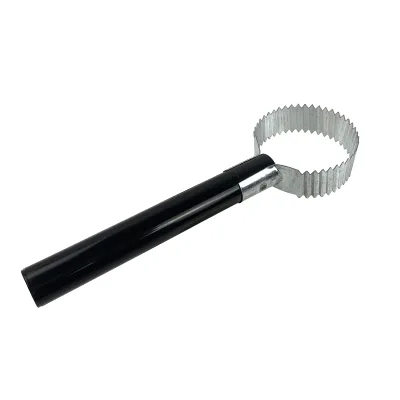
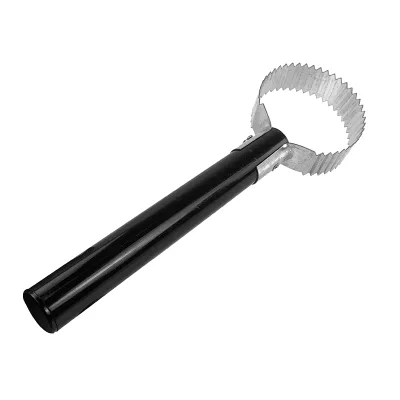
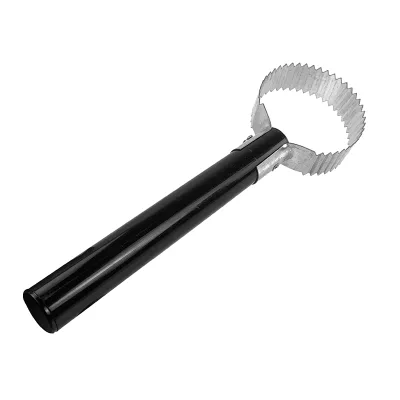
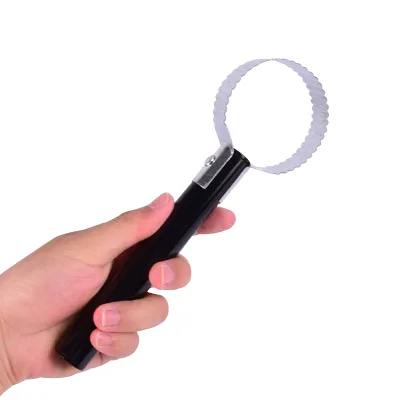


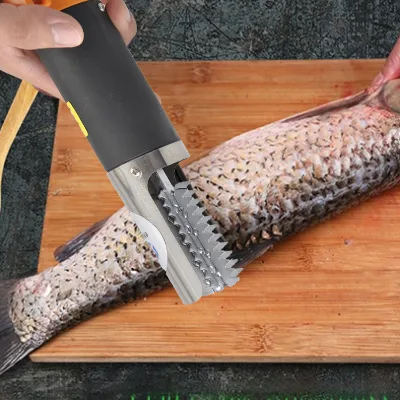
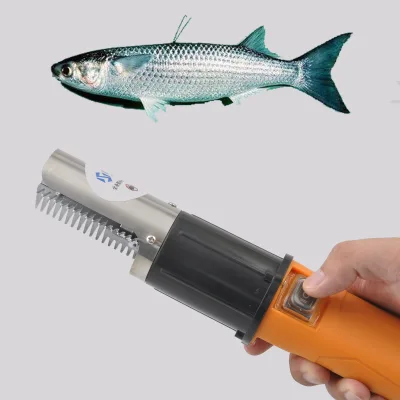
2021 Newest Semi-Automatic Fish Cleaning Machine Mini Fish Skin Remover
$18.46 - $20.52
MOQ: 100 pieces


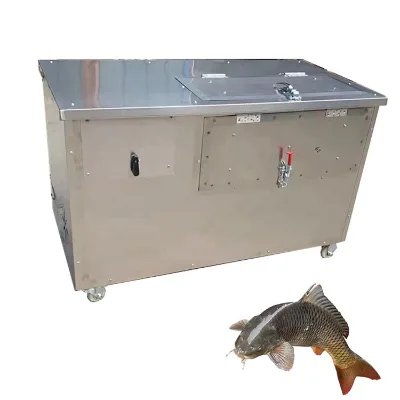

Comprehensive Sourcing Guide
Rubber Handle Fish Scaler Sourcing Guide
Procurement professionals seeking rubber handle fish scalers must first distinguish between industrial automation and manual handheld tools, as the supplied data reveals a split market. While some listings describe heavy-duty stainless steel machines with frequency converters for high-volume processing, other entries focus on portable, lightweight steel scalers with plastic or rubberized grips designed for ocean boat fishing. Buyers must carefully align their operational scale with the specific product model, ensuring they do not confuse a 120KG industrial unit with a 21cm handheld tool intended for individual use.
The observed product range includes specific models like the XBF series and the PFS 21cm scaler, each serving distinct operational needs. Industrial units often feature adjustable high-pressure water spraying systems and dual-function designs for descaling and washing, whereas manual tools emphasize portability and ease of use in fishing scenarios. Understanding this dichotomy is critical before initiating contact with suppliers, as the technical requirements, packaging standards, and minimum order quantities vary significantly between a wooden-cased industrial machine and an individually packed handheld scraper.
Product Scope and Observed Listing Signals
Buyers should verify whether the supplier offers the specific "Fish Killing Machine" or "Fish Scale Remover" configurations that match their workflow, as the data indicates a broad spectrum of keywords including "Fish Gutting Machine" and "Seafood Processing Machine." The presence of terms like "Automatic Grade" and "Mild Processing" suggests that some listed items are fully automated systems, while others are manual tools with features like "light weight and easy to use" designs. This variation requires a precise definition of the desired output to avoid purchasing an oversized industrial unit for a small-scale operation or a manual tool for a high-throughput facility.
Listing signals also reveal distinct packaging and origin details that influence logistics planning. Some products are shipped in "Exported Wooden Cases" with dimensions like 200011001600mm, while others arrive in "Individual Packing Scale scraper" boxes measuring 25X10X10 cm. The origin is consistently listed as China, with specific mentions of Shandong as a place of origin for certain handheld tools. These logistical markers help buyers estimate shipping costs and storage requirements, ensuring that the selected product fits within their existing supply chain infrastructure without unexpected handling complications.
Technical Specifications to Verify
Technical verification must begin with the power source and voltage requirements, as the data explicitly lists "Electric" as the power source and "380V" as a specific voltage for certain industrial models. Buyers must confirm if their facility can support 380V power or if they require a different voltage configuration, as this is a critical compatibility factor for the "Frequency Converter for Stepless Speed Regulation" systems found in larger units. Failing to verify electrical compatibility can lead to installation failures or the need for costly transformers, making this the first technical checkpoint in the sourcing process.
Material composition and structural design are equally vital, particularly regarding the "Full 304 Food Grade Stainless Steel Welded Frame" mentioned in the industrial listings. For manual tools, the focus shifts to the "Steel head + Plastic handle" or rubberized grip construction, which must be durable enough for "Ocean Boat Fishing" conditions. Buyers should request detailed specifications on the head diameter, such as the observed "6cm" or "21cm" sizes, and confirm the "Body" material to ensure it meets food safety standards and can withstand the mechanical stress of descaling operations without degrading over time.
Compliance and Safety Documentation
Safety documentation for industrial fish scalers should include proof of compliance with electrical safety standards, given the "380V" power requirement and the presence of complex systems like "Adjustable High-Pressure Water Spraying." Buyers must request certification that the "Frequency Converter" and motor systems meet international safety protocols to prevent electrical hazards in wet processing environments. Without verified safety data, the risk of equipment failure or operator injury increases significantly, especially when the machinery involves high-pressure water systems and automated moving parts.
For manual tools, compliance focuses on material safety and ergonomic design rather than electrical certification. The "Steel scaler with plastic handle" must be verified for food-grade safety, ensuring that no toxic materials leach into the seafood during the descaling process. Buyers should ask for material safety data sheets (MSDS) or declarations of conformity that confirm the "Plastic handle" and "Steel head" are non-toxic and suitable for direct food contact. This verification is essential to maintain product integrity and adhere to food safety regulations in the final market.
Cost Drivers and Commercial Terms
Cost drivers for these products are heavily influenced by the level of automation and the complexity of the "Dual Function Design for Descaling and Washing." Industrial units with "Automatic Grade" capabilities and stainless steel frames command higher prices due to the engineering involved in the "Frequency Converter" and high-pressure systems. In contrast, manual scalers with simple "Steel head + Plastic handle" construction are priced lower, with observed ranges starting as low as $0.16 for basic tools, though bulk pricing and shipping costs for larger units can drastically alter the final landed cost.
Commercial terms vary significantly based on the product type, with Minimum Order Quantities (MOQ) ranging from 1 unit for industrial machines to 1000 pieces for handheld tools. Buyers must negotiate these terms carefully, as the "1000pcs" MOQ for manual scalers may be prohibitive for small businesses, while the "1" MOQ for industrial units allows for single-purchase testing. Additionally, the "Wooden" or "Exported Wooden Case" packaging adds to the overall cost and must be factored into the total budget, as these materials are necessary for protecting the equipment during international transit from China.
Supplier Qualification and Quality Control
Supplier qualification requires a rigorous check of their production capabilities, specifically their ability to manufacture "Full 304 Food Grade Stainless Steel Welded Frame" units or consistent manual tools. Buyers should request evidence of their welding processes and quality control measures to ensure the structural integrity of the "Body" and the reliability of the "Automatic Grade" systems. A supplier with a proven track record in "Fish Processing Machine" manufacturing is more likely to deliver products that meet the demanding standards of commercial seafood processing facilities.
Quality control protocols must also address the consistency of the "Rubber Handle" or grip components, which are critical for user comfort and safety. For manual tools, buyers should verify that the "Steel head" is securely attached to the handle and that the "Plastic handle" does not degrade under repeated use. Requesting sample units for stress testing is a prudent step to validate the "light weight and easy to use" claims, ensuring that the product performs reliably in real-world "Ocean Boat Fishing" or processing line scenarios before committing to a large order.
Long-Term Procurement Checks
Long-term procurement success depends on establishing a reliable supply chain for spare parts and maintenance support, particularly for the "Frequency Converter" and high-pressure water systems in industrial units. Buyers should confirm the availability of replacement parts for the "Adjustable High-Pressure Water Spraying System" and the "Dual Function Design" components to minimize downtime during peak processing seasons. A supplier that offers comprehensive after-sales support and technical assistance is essential for maintaining the operational efficiency of complex machinery over its lifespan.
For manual tools, long-term checks should focus on the durability of the "Steel scaler" and the grip material under continuous use. Buyers need to assess whether the supplier can consistently provide replacements for worn-out heads or handles, ensuring that the "Fishing Technique" remains effective over time. Establishing a relationship with a supplier who understands the specific demands of "Sea Fishing" and "Fish Gutting" operations will help mitigate the risk of supply disruptions and ensure a steady flow of high-quality tools for ongoing procurement needs.
FAQs
What material is used for the fish scaler head and handle?
The fish scaler features a steel head combined with a plastic handle. This construction provides the necessary durability for scale removal while keeping the tool lightweight and easy to grip. The steel component ensures effective contact with fish skin, and the plastic handle offers a secure hold during processing tasks.
What is the single gross weight of the fish scaler?
The single gross weight of the fish scaler is 0.500 kg. This lightweight design makes it suitable for manual handling and reduces operator fatigue during extended use. The compact size and low weight contribute to its ease of use in various processing environments.
What is the minimum order quantity for this fish scaler?
The minimum order quantity for this specific fish scaler is 1000 pieces. Buyers should plan their procurement volume accordingly to meet this threshold. This MOQ is typical for bulk industrial or commercial tooling orders and helps ensure consistent supply for larger operations.
Where is the place of origin for this fish scaler?
The place of origin for this fish scaler is Shandong, China. This location indicates the manufacturing region for the product. Buyers can use this information to assess logistics, shipping costs, and potential trade considerations when sourcing from this specific origin.
What is the single package size of the fish scaler?
The single package size is 25x10x10 cm. This compact packaging facilitates efficient storage and transportation. The individual packing ensures the tool is protected during transit and ready for immediate use upon arrival at the destination facility.
What fishing technique is this fish scaler designed for?
This fish scaler is designed for sea fishing applications. It is suitable for use in ocean boat fishing scenarios where efficient scale removal is required. The tool's design supports the specific needs of seafood processing in marine environments.
What is the head diameter of the fish scaler?
The head diameter of the fish scaler is 6 cm. This size is appropriate for effective scale removal on various fish species. The specific dimension helps ensure adequate contact area for efficient processing while maintaining maneuverability for the user.