Source Eco-Friendly Fireproof Acrylic Desk Screen for Office, School, Public
Compare 13 Eco-Friendly Fireproof Acrylic Desk Screen options from manufacturers in China. These screens feature B1 fireproof grades, E0 emission standards, and adjustable heights for use in offices, schools, and public spaces.
Key considerations
Products List




Comprehensive Sourcing Guide
Strategic Sourcing Guide for Eco-Friendly Fireproof Acrylic Desk Screens
Understanding Product Definitions and Material Composition
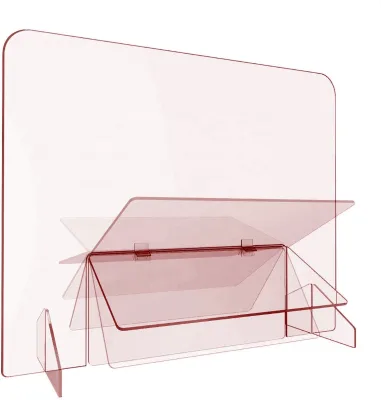
When sourcing an eco-friendly fireproof acrylic desk screen, buyers must first distinguish between the specific material claims and the functional attributes observed in the market. The core keyword implies a product constructed primarily from acrylic, a transparent thermoplastic known for its clarity and durability. However, the supplied product data reveals a complex landscape where "acrylic" and "polyester fiber" often appear as distinct material categories for similar desk applications. For instance, specific listings identify the main material as acrylic with a shelf material of plastic, designed specifically as an acrylic sneeze guard. These units are characterized by a modern style and are intended for desktop installation.
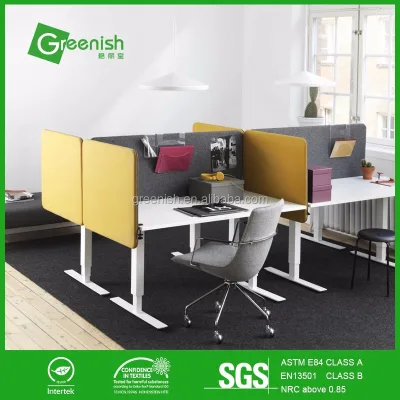
Conversely, other high-confidence facts in the market data point to products labeled as polyester fiber desk screens or acoustic panels. These items are explicitly described as having a surface finishing of 100% polyester fiber and are marketed with an eco-friendly attribute, often achieving an E0 formaldehyde emission standard. While the core keyword focuses on acrylic, a prudent sourcing strategy requires the buyer to verify whether the supplier is offering a true acrylic construction or a polyester-based alternative that mimics the visual transparency or acoustic function of an acrylic screen. The distinction is critical because the fireproof grade and acoustic performance differ significantly between these materials. The observed data indicates a fireproof grade of B1 for certain polyester-based acoustic panels, whereas acrylic screens are often evaluated for their flame retardancy through different testing protocols. Buyers should not assume that all "desk screens" listed under similar keywords share the same material composition; instead, they must request material safety data sheets (MSDS) to confirm the exact polymer type.
Technical Specifications and Performance Metrics
The technical specifications for desk screens vary widely based on the intended function, whether it is acoustic dampening, physical barrier protection, or aesthetic separation. For acrylic sneeze guards, the observed specifications include dimensions such as 256+588+256(L) X 560(H)mm, with customization options available. These units are designed for desktop installation and often feature a square edge finish. In contrast, polyester fiber acoustic screens, such as the PET-DS-02P and PET-DS-03P models, have distinct dimensional standards. The PET-DS-03P, for example, is listed with a standard size of 118034016mm, while the PET-DS-02P is associated with a thickness of 16mm.
A critical performance metric for these products is the Noise Reduction Coefficient (NRC). The supplied data indicates that polyester acoustic panels can achieve an NRC range of 0.75 to 0.95, signifying high sound absorption capabilities. This is a vital specification for buyers targeting office or school environments where noise control is a priority. However, for acrylic sneeze guards, the primary performance metric is optical clarity and structural rigidity rather than acoustic absorption. The observed data also notes a "High" soundproofing level for specific polyester products, but this attribute should not be automatically applied to acrylic units without verification.
Furthermore, the functional capabilities of these screens differ. Some acrylic models offer adjustable heights ranging from 260mm to 360mm and may include magnetic features for modular assembly. The surface finishing for these units often involves electrostatic powder spraying or specific treatments to ensure durability. Buyers must carefully compare the standard dimensions against their specific spatial requirements, as the market offers both fixed-size units and fully customizable options. The thickness of the material is another key specification; while acrylic screens are often thinner to maintain transparency, polyester acoustic panels are frequently 16mm thick to optimize sound absorption.
Compliance, Certification, and Safety Standards
Ensuring that a desk screen meets safety and environmental standards is paramount for B2B procurement, particularly in regulated environments like schools and offices. The supplied product data highlights several certifications that buyers should look for, including CE, ISO, FSC, ASTM, CCC, and RoHS. These certifications indicate compliance with various international and regional safety and environmental regulations. For instance, the presence of CE and ISO marks suggests adherence to European and international quality management standards, while FSC certification points to responsible forestry management, which is relevant for the wood or fiber components often used in acoustic panels.
Regarding fire safety, the data explicitly mentions a fireproof grade of B1 for polyester fiber products. This is a specific classification that buyers must verify for their specific material choice. Acrylic materials have different flammability characteristics, and the standard UL94, mentioned in the background context, is a common benchmark for plastic flammability, though it is noted as low-confidence in the provided text. Therefore, buyers should not rely on this standard as a guaranteed fact but should instead request specific test reports for flame retardancy. The data also references test reports covering eco-protection, sound absorption, and flame retardancy, which serve as evidence of the product's compliance.
Environmental compliance is another critical area. The term "Eco-Friendly" is frequently used, and specific data points to an E0 formaldehyde emission standard. This is a crucial metric for indoor air quality, especially in enclosed office spaces. Buyers should verify that the E0 claim is supported by a valid test report, as this standard indicates extremely low formaldehyde emissions. Additionally, the RoHS certification ensures that the product is free from specific hazardous substances, which is essential for electronic or plastic-heavy components. When evaluating suppliers, buyers must demand documentation that links the product model to these specific certifications, as the presence of a certification logo does not guarantee that every unit in a batch is compliant.
Cost Drivers and Procurement Economics
The cost of sourcing eco-friendly fireproof acrylic desk screens is influenced by several variables, including material composition, customization levels, and order volume. The observed price range in the market spans from $1.8 to $350 USD, reflecting the vast difference between simple, small acrylic barriers and large, customized acoustic systems. The lower end of this range likely corresponds to basic acrylic sneeze guards with standard dimensions, while the higher end may include complex, height-adjustable systems with advanced acoustic properties.
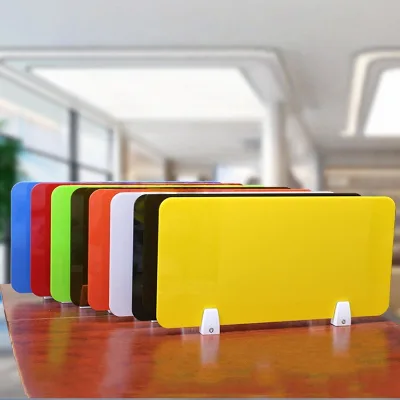
Minimum Order Quantity (MOQ) is a significant factor in procurement planning. The data indicates an MOQ range of 1 to 100 pieces, with a specific observation of 20 pieces per color for certain products. This variability allows buyers to start with small trial orders, which is particularly useful for testing product quality before committing to larger volumes. However, buyers should be aware that customizing dimensions, colors, or adding specific branding can increase the unit cost and potentially raise the MOQ requirements.
Other cost drivers include the complexity of the finishing process. Products with electrostatic powder spraying or specialized surface treatments may command a higher price. Additionally, the inclusion of features like adjustable heights or magnetic attachments adds to the manufacturing complexity and cost. The trade terms, such as EXW, FOB, and CIF, also impact the final landed cost. Buyers should calculate the total cost of ownership, including shipping, insurance, and potential tariffs, rather than focusing solely on the unit price. The warranty period, typically observed as one year, and the availability of after-sales support, such as online assistance, should also be factored into the economic evaluation of a supplier.
Typical Applications and Functional Use Cases
The versatility of desk screens allows them to serve multiple functions in various settings. The primary applications identified in the market data include office environments, schools, and public spaces requiring social distancing barriers. In office settings, these screens are used to create private workspaces, reduce noise distraction, and provide a physical barrier between employees. The high soundproofing level and NRC values of polyester acoustic panels make them particularly suitable for open-plan offices where noise control is essential.
In educational institutions, the focus often shifts to hygiene and safety. Acrylic sneeze guards are commonly installed on desks to protect students and teachers from airborne pathogens, serving as a social distancing barrier. The transparency of acrylic ensures that visibility is maintained, which is crucial for classroom management. The modern style and customizable dimensions allow these screens to blend seamlessly with existing school furniture.
Additionally, the data mentions the use of these products for social distancing barriers in public areas. This application requires robust construction and clear visibility, which acrylic provides. The adjustable height feature, ranging from 260mm to 360mm, allows for flexibility in different seating arrangements. Whether for acoustic separation in a library or a hygiene barrier in a cafeteria, the specific application dictates the choice of material and design. Buyers should align their procurement with the specific environmental demands of the target location, ensuring that the selected product meets the functional requirements of the intended use case.
Supplier Evaluation and Quality Assurance
Selecting a reliable supplier is critical for ensuring product consistency and long-term satisfaction. The market data indicates that suppliers may operate as manufacturers, wholesalers, or retailers, with some offering OEM and ODM services. This suggests a range of capabilities from custom manufacturing to direct sales of standard inventory. Buyers should prioritize suppliers who explicitly state their factory status and offer customization services, as this indicates a higher level of control over the production process.
Quality assurance should be a central part of the evaluation process. Buyers must verify the supplier's ability to provide test reports for fire retardancy, eco-protection, and sound absorption. The presence of certifications like CE, ISO, and ASTM should be confirmed through valid documentation. It is also important to assess the supplier's after-sales service capabilities, such as the availability of online support and the terms of the warranty. A one-year warranty is a common industry standard, but buyers should clarify what is covered under this warranty, including defects in materials and workmanship.
The place of origin is another factor to consider. The data shows products originating from Shanghai and Guangzhou, China. While these are major manufacturing hubs, buyers should ensure that the specific factory has a proven track record of quality control. Requesting samples before placing a large order is a prudent step to verify the actual quality of the product, including the clarity of acrylic, the finish of the edges, and the accuracy of the dimensions. Buyers should also evaluate the supplier's flexibility in handling urgent orders and trial orders, as these capabilities can be crucial for meeting tight project deadlines.
Long-Term Procurement and Maintenance Considerations
Sourcing desk screens is not just a one-time transaction but a long-term investment that requires consideration of maintenance and lifecycle management. The warranty period of one year is a standard starting point, but buyers should inquire about the availability of replacement parts and the ease of maintenance. For acrylic screens, regular cleaning with appropriate solutions is necessary to maintain clarity and prevent scratching. For polyester acoustic panels, dust accumulation can affect sound absorption, so the cleaning instructions provided by the supplier are vital.
The customization aspect of these products also has long-term implications. If a buyer opts for custom dimensions or branding, they must ensure that the supplier can replicate these specifications for future reorders. This is particularly important for large organizations that may need to expand their screen inventory over time. The ability to accept trial orders and urgent orders suggests that the supplier is flexible, which is beneficial for scaling operations.
Finally, buyers should consider the environmental impact of the product throughout its lifecycle. The E0 formaldehyde emission standard and eco-friendly attributes are positive indicators, but buyers should also evaluate the recyclability of the materials. Acrylic and polyester are both recyclable, but the specific processing methods used by the supplier can affect the end-of-life disposal options. By choosing suppliers who prioritize sustainable practices and provide clear information on material composition and disposal, buyers can align their procurement with broader corporate sustainability goals.
FAQs
What certifications do eco friendly fireproof acrylic desk screens have?
Products typically carry CE, ISO, ASTM, FSC, CCC, and RoHS certifications. These marks verify compliance with international safety and environmental standards for indoor use in offices and schools.
How thick are the polyester fiber acoustic desk screens?
The standard thickness for these acoustic panels is 16mm. This dimension supports the high sound absorption capabilities and NRC values observed in the product specifications.
Can I customize the dimensions of the desk screen?
Yes, customization is available for dimensions and styles. Buyers can request specific sizes like 1180*340*16mm or adjustable heights ranging from 260mm to 360mm.
What is the minimum order quantity for these screens?
The minimum order quantity ranges from 1 to 100 pieces depending on the supplier. Some specific products require a minimum of 20 pieces per color.
Which fireproof grade applies to the polyester fiber screens?
The polyester fiber acoustic panels meet the B1 fireproof grade standard. This classification ensures the material is flame retardant for safe indoor installation.
Where are these desk screens manufactured?
Manufacturing origins include Shanghai and Guangzhou in China. Buyers can expect products to originate from these specific Chinese locations.
What is the warranty period for the acoustic panels?
The standard warranty period is one year. This coverage typically includes support for defects and is accompanied by online after-sales service.