Source Eco Friendly Gel Metatarsal Pads for Foot Care, Sports, Orthotics
Explore 30 eco friendly gel metatarsal pads designed for various foot support needs. Buyers can compare material options like silicone and SEBS, along with sizing and packaging details to find the right fit for their sourcing requirements; compare the available evidence and request quotations based on your requirements.
Key considerations
Products List
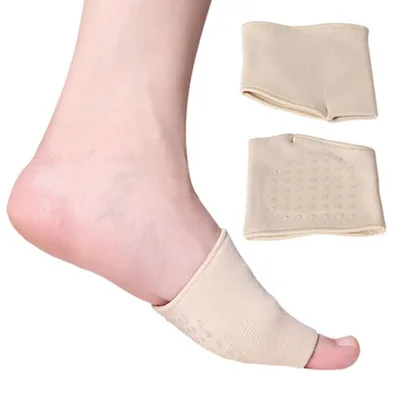
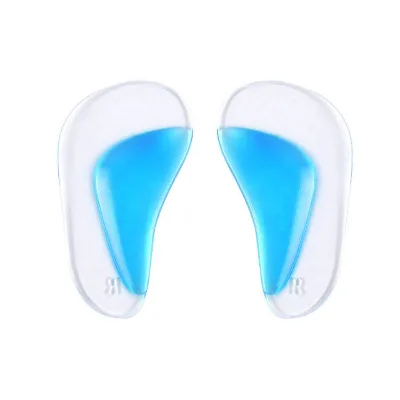
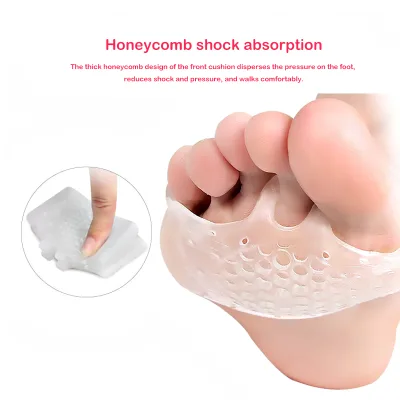
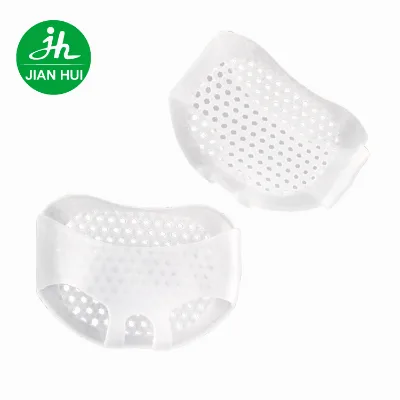
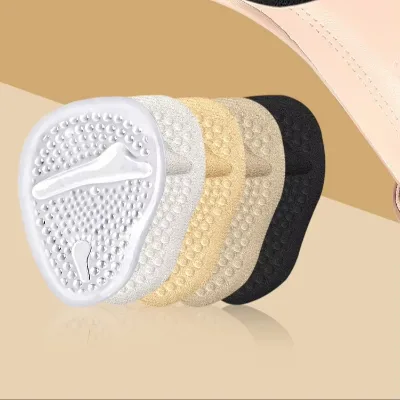
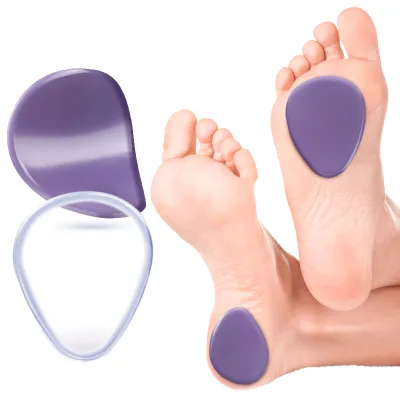
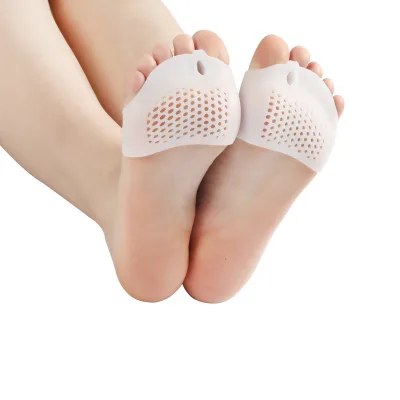


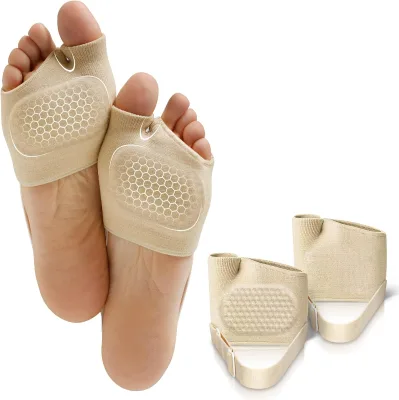
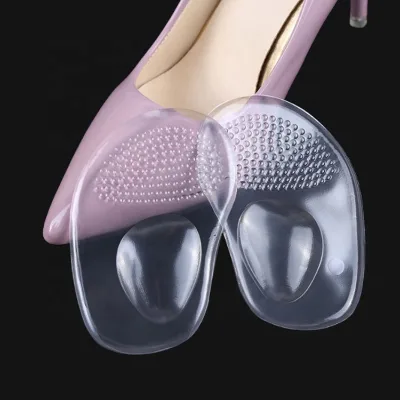
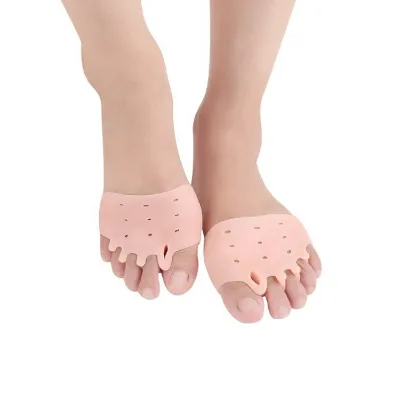


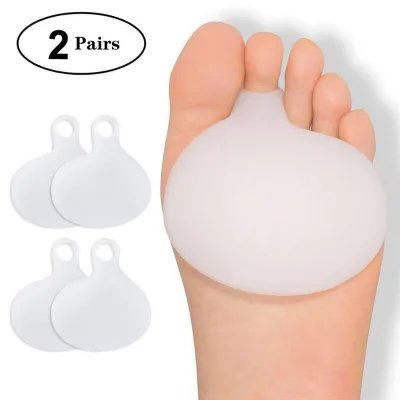
Comprehensive Sourcing Guide
Eco Friendly Gel Metatarsal Pads Sourcing Guide
Procurement teams must first distinguish between products labeled as eco-friendly and those simply made from gel materials, as the supplied data confirms silicone and SEBS compositions without explicit environmental certifications. While the observed listings feature breathable, lightweight, and shock-absorbant attributes, buyers should verify if the "eco-friendly" claim refers to the material sourcing or the manufacturing process, as the provided facts list standard certifications like CE and ISO but do not explicitly confirm biodegradability or recycled content.
Buyers should prioritize suppliers who can articulate the lifecycle of their gel and SEBS materials, ensuring that the "skin-friendly" and "anti-slippery" functions do not come at the expense of environmental safety. The observed product range includes unisex options for sporting activities and general foot care, yet the absence of specific green certifications in the data requires a direct inquiry into the supplier's waste management and material purity standards before finalizing any volume order.
Product Scope and Observed Listing Signals
The market currently offers a diverse array of metatarsal pads ranging from simple silicone inserts to complex SEBS honeycomb structures designed for hallux valgus and bunion relief. Observed listings indicate a price range of 0.25 to 1.83 USD with minimum order quantities varying significantly from 2 pairs to 1000 units, suggesting that buyers can source small trial batches or large commercial shipments depending on their immediate inventory needs.
Buyers must carefully match the specific product function to their target demographic, as the data shows distinct variations in size availability, including S, M, L, and one-size-fits-all options. While some products are explicitly marketed for sporting activities, others focus on orthotic support and arch stability, requiring procurement teams to validate that the selected model number, such as JHZ-076-4 or JPG-21, aligns with the intended clinical or recreational application.
Technical Specifications to Verify
Technical verification must begin with the material composition, as the observed listings specify silicone, gel, and SEBS as the primary components for cushioning and shock absorption. Buyers should confirm that the "light weight" and "breathable" attributes are consistent across the batch, as these features directly impact user comfort during extended wear in shoes or during high-impact sporting activities.
Dimensional consistency is equally critical, with observed single package sizes ranging from 8x6x1 cm to 20x10x10 cm, which affects shipping costs and storage efficiency. Procurement teams must verify that the model numbers correspond to the correct size charts, ensuring that products like the "Spandex Gel FootMatters" or "SEBS forefoot Metatarsal Pad" meet the precise fit requirements for the intended gender and foot type.
Compliance and Safety Documentation
Safety documentation is a primary concern, as the observed data lists certifications including CE, ISO9001, ISO13485, and MSDS, which indicate a baseline of regulatory compliance for medical and consumer goods. Buyers should request current copies of these certificates to ensure that the specific batch of gel pads meets the safety standards required for their target market, particularly since some products are classified as orthotic devices.
In addition to standard certifications, the presence of BSCI certification in some listings suggests a commitment to social compliance, which is increasingly important for global supply chains. Procurement teams must verify that the "skin-friendly" claims are backed by the relevant MSDS data and that the manufacturing process adheres to the ISO13485 standards for medical device quality management systems.
Cost Drivers and Commercial Terms
Cost structures are heavily influenced by the minimum order quantity, which ranges from 2 pairs for sample acquisition to 1000 units for bulk commercial distribution. Buyers should anticipate that the unit price will fluctuate based on the complexity of the design, such as the honeycomb structure in SEBS pads versus standard silicone inserts, and the specific packaging requirements like polybags or OPP bags.
Commercial terms must also account for the availability of customized logos and the potential for free samples, which are noted as available for one pair in the observed data. Procurement teams should negotiate clear terms regarding the transition from sample to production, ensuring that the cost per unit remains stable and that the supplier can maintain the specified gross weight and package dimensions without incurring unexpected surcharges.
Supplier Qualification and Quality Control
Supplier qualification should focus on the origin of the goods, as the observed data consistently lists Guangdong, China, and China as the places of origin. Buyers must verify that the supplier has the capacity to maintain consistent quality across different model numbers, such as JHZ-153 and JHS-018, while adhering to the specified single package sizes and gross weights.
Quality control protocols must include rigorous testing of the "anti-slippery" and "cushioning" features to ensure they perform as advertised in real-world conditions. Procurement teams should request evidence of the supplier's ability to handle customized logo requests and maintain the "transparency" or specific color options like beige, black, blue, and grey without compromising the structural integrity of the gel or SEBS material.
Long-Term Procurement Checks
Long-term procurement strategies require regular audits of the supplier's ability to maintain the "unisex" and "orthotic" specifications over time, as product formulations can drift without strict quality control. Buyers should establish a schedule for re-verifying the CE, ISO, and BSCI certifications to ensure continued compliance with evolving international standards and market regulations.
Finally, procurement teams must monitor the supply chain for any changes in the material composition or packaging details that could affect the product's performance or shipping costs. By maintaining a close relationship with the supplier and regularly reviewing the model numbers and size availability, buyers can ensure a steady supply of high-quality, eco-friendly gel metatarsal pads that meet the specific needs of their customers.
FAQs
What materials are used for eco friendly gel metatarsal pads?
These pads are primarily made from silicone or gel materials to ensure comfort and durability. Some variants utilize SEBS for skin-friendly properties. The selection depends on the specific model number and intended usage for sporting activities or daily orthotic support.
Which certifications do these metatarsal pads typically hold?
Many products carry CE, ISO9001, ISO13485, and MSDS certifications to verify safety and quality standards. Some manufacturers also provide BSCI certification for ethical sourcing. These documents confirm the product meets international regulatory requirements for medical and consumer use.
How can I find suppliers with low minimum order quantities?
You can source from vendors offering minimum order quantities as low as two pairs or ten pairs depending on the specific item. Some suppliers allow free samples for one pair before committing to larger orders. This flexibility helps buyers test product quality before bulk purchasing.
Can I request customized logos on these gel pads?
Yes, many manufacturers accept customized logo requests for branding purposes. This service is often available for unisex shoe insoles and forefoot cushion pads. Buyers should confirm specific customization options and potential additional costs with the supplier before placing a bulk order.
What are the standard packaging details for these products?
Products are typically packed in polybags or OPP bags, with one pair per package. The single package size varies by model, ranging from 8x6x1 cm to 20x10x10 cm. This compact packaging facilitates efficient shipping and storage for international buyers.
Where are these metatarsal pads manufactured?
The majority of these products originate from Guangdong, China, or other regions within China. This location is a major hub for footwear accessories and orthotic manufacturing. Buyers should verify the specific place of origin for each supplier to ensure accurate logistics planning.
What sizes are available for these gel metatarsal pads?
Available sizes include S, M, L, and One Size Fits All options depending on the model. Specific items like the JHZ-076-4 come in S, M, and L, while others are universal. Selecting the correct size ensures proper arch support and metatarsal cushioning for the user.