Source Sports Insoles for Running, Gym, and Skiing
Compare 30 verified Sports Insoles from Chinese manufacturers offering arch support, soft materials, and custom branding. Buyers can evaluate options for running, gym workouts, and skiing with MOQs starting at one pair and free samples available for select models; compare the available evidence and request quotations based on your requirements.
Key considerations
Products List
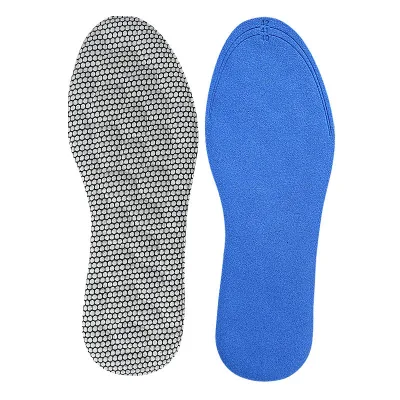
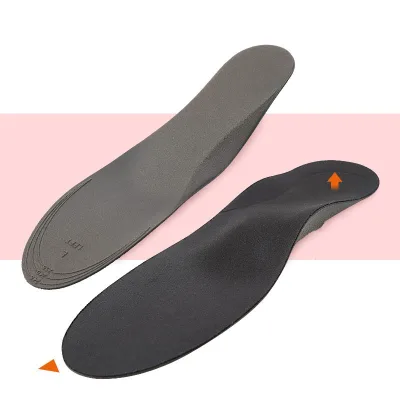


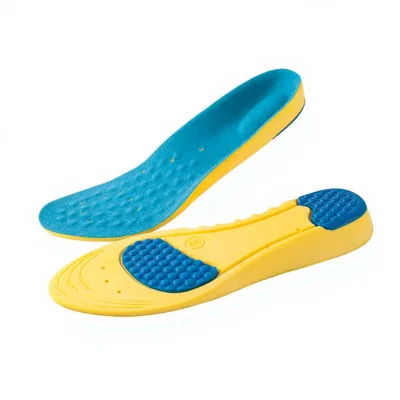
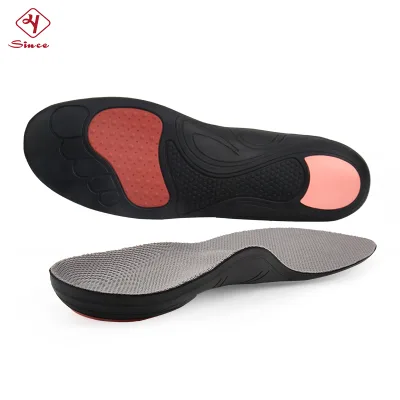


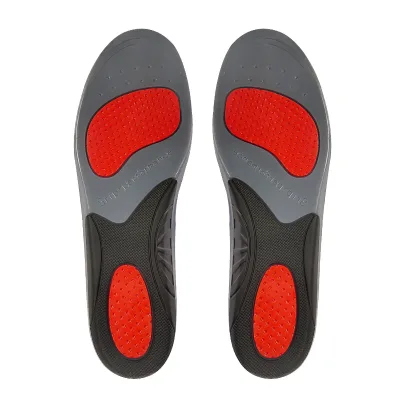
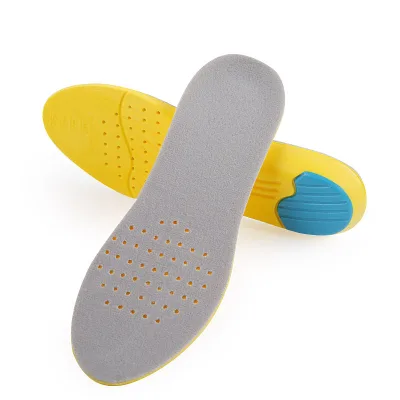
Comprehensive Sourcing Guide
Sports Insoles Sourcing Guide
Procuring Sports Insoles requires a nuanced understanding of material science and biomechanical support, as these components directly influence athlete performance and injury prevention. Buyers must distinguish between generic cushioning and specialized orthotic designs that offer targeted arch support and shock absorption. The market offers a wide array of options, from basic EVA foam inserts to advanced carbon fiber plates, each serving distinct athletic needs. Understanding the specific functional requirements of the end-user is the first critical step in defining the product scope and ensuring the selected insoles meet the intended performance standards.
The observed market signals indicate a diverse range of product types, including skateboard, skiing, table tennis, jogging, and gym-specific orthotic insoles. This variety suggests that suppliers often cater to niche sports with customized geometries and material densities. Buyers should note that while some listings highlight "soft" features for comfort, others emphasize structural integrity through materials like PU foam or carbon fiber. It is essential to align the product selection with the specific impact forces and movement patterns associated with each sport to ensure optimal foot protection and long-term durability for the end consumer.
Product Scope and Observed Listing Signals
The current listing landscape reveals a broad spectrum of Sports Insoles, ranging from general-purpose athletic inserts to highly specialized orthotics for activities like skiing and skateboarding. Key product names observed include "Skateboard Orthotic Insoles," "Skiing Orthotic Insoles," and "Table Tennis Sports Orthotic Insoles," indicating a strong focus on activity-specific design. These products often feature dual-density constructions or reinforced arch supports to handle the unique stresses of each sport. Buyers should recognize that the term "Sports Insoles" encompasses a wide functional range, requiring careful filtering to identify products that match the specific biomechanical demands of the target market segment.
Material composition varies significantly across the observed listings, with options including vigorous cotton, PU foam, and carbon fiber. The presence of "Carbon Fiber Insole for Sneakers" suggests a premium segment focused on energy return and stiffness, while PU foam options likely prioritize lightweight cushioning and breathability. Additionally, some products are described with generic materials like "Other," which necessitates direct supplier clarification to ensure material safety and performance consistency. The color options observed, such as blue, black, and beige, indicate that aesthetic customization is available, allowing brands to maintain visual consistency with their existing footwear lines or marketing strategies.
Technical Specifications to Verify
Verifying technical specifications is crucial for ensuring that the insoles fit correctly and perform as expected. Size ranges observed in the market, such as 34-44 and 38-46, highlight the importance of accurate sizing charts and potential size conversion tables for international markets. Buyers must confirm whether the sizing follows standard European, US, or Asian measurements to prevent return rates due to fit issues. Additionally, weight specifications, such as the observed 22g per unit, provide insight into the material density and potential impact on the overall weight of the footwear, which is a critical factor for performance-oriented athletes seeking lightweight gear.
Model numbers and product codes, such as E0032, FX202228, and XD012, serve as essential identifiers for tracking inventory and communicating with suppliers. These codes often correspond to specific material compositions or structural designs, so buyers should request detailed technical datasheets linked to each model. It is also important to verify the insole type, whether it is a full-length insert or a partial arch support pad, as this affects the compatibility with different shoe types. Confirming the exact dimensions and thickness of the insoles ensures they will fit within the intended footwear without causing crowding or compromising the shoe's structural integrity.
Compliance and Safety Documentation
Compliance with international standards is a non-negotiable aspect of sourcing Sports Insoles, particularly when targeting regulated markets. The observation of BSCI certification in some listings indicates a commitment to social compliance and ethical manufacturing practices, which is increasingly important for brand reputation and risk management. Buyers should verify if suppliers hold additional certifications related to material safety, such as REACH or CPSIA compliance, to ensure that the insoles do not contain harmful substances that could pose health risks to users. These certifications provide assurance that the manufacturing process adheres to strict environmental and labor standards.
Safety documentation also extends to the physical properties of the insoles, including slip resistance and durability under repeated stress. While specific test results were not explicitly listed, buyers should request evidence of performance testing, such as abrasion resistance or compression set tests, to validate the longevity of the product. For orthotic insoles, it is critical to ensure that the arch support structure maintains its shape and function over time, preventing premature failure that could lead to user injury. Clear documentation of these safety and quality metrics helps mitigate liability and builds trust with end consumers who rely on these products for physical support.
Cost Drivers and Commercial Terms
Several factors influence the cost structure of Sports Insoles, including material selection, customization requirements, and order volume. The observed MOQ range of 1-2000 units suggests flexibility for both small batch testing and large-scale production runs. Buyers should note that higher customization levels, such as custom packaging or logo printing, may incur additional setup fees or increase the per-unit cost. Understanding the relationship between MOQ and price tiers is essential for optimizing inventory costs and minimizing capital tie-up, especially for new product launches or seasonal collections.
Commercial terms also include sample availability and pricing, which play a vital role in the evaluation process. The observation of free samples for one pair or available samples indicates that suppliers are willing to facilitate product testing before committing to large orders. Buyers should clarify whether sample shipping costs are covered and how long the sampling process takes to ensure timely decision-making. Additionally, payment terms and lead times should be negotiated clearly to align with production schedules and cash flow requirements, ensuring a smooth transaction from order placement to final delivery.
Supplier Qualification and Quality Control
Supplier qualification involves assessing the manufacturer's capability to produce consistent, high-quality Sports Insoles. Buyers should verify the supplier's production capacity, quality control processes, and experience in the orthotic or athletic footwear sector. The presence of OEM and ODM services indicates that the supplier can accommodate custom designs and branding needs, which is valuable for brands seeking unique product differentiation. It is important to conduct a thorough audit of the supplier's facilities to ensure they adhere to strict quality standards and have the necessary equipment for precise manufacturing and finishing.
Quality control measures should include in-process inspections and final random inspections to catch defects early in the production cycle. Buyers should establish clear acceptance criteria for dimensions, material consistency, and packaging integrity to ensure that the delivered products meet the specified requirements. Implementing a robust quality assurance plan, including periodic audits and performance testing of random samples, helps maintain product quality and reduces the risk of receiving substandard goods. Building a strong relationship with the supplier through regular communication and feedback loops can further enhance quality outcomes and operational efficiency.
Long-Term Procurement Checks
Long-term procurement success depends on continuous monitoring of supplier performance and market trends. Buyers should regularly review supplier metrics, such as on-time delivery rates, defect rates, and responsiveness to issues, to ensure ongoing reliability. Establishing key performance indicators (KPIs) and conducting periodic business reviews helps identify areas for improvement and reinforces accountability. Additionally, staying informed about advancements in insole materials and technologies allows buyers to proactively update their product offerings and maintain a competitive edge in the market.
Sustainability and ethical sourcing are becoming increasingly important in the long-term strategy for Sports Insoles. Buyers should evaluate suppliers' efforts to reduce environmental impact, such as using recycled materials or implementing energy-efficient manufacturing processes. Ensuring that the supply chain remains transparent and compliant with evolving regulations helps mitigate risks and aligns with consumer expectations for responsible business practices. By focusing on these long-term checks, buyers can build a resilient and sustainable supply chain that supports growth and brand integrity over time.
FAQs
How do I choose the right size for Sports Insoles?
Choose the size range that matches your shoe size, such as 34-44 or 38-46 as commonly offered. Trim along the marked outline if the insole is slightly wider than your shoe. Confirm the size chart with the supplier before ordering in bulk, and request a sample pair to verify fit inside your typical athletic footwear.
What materials are commonly used for Sports Insoles?
Sports Insoles are commonly made from PU foam or vigorous cotton, each offering different cushioning and support characteristics. PU foam insoles provide shock absorption for running and gym activities, while cotton-based comfort insoles suit everyday wear. Ask suppliers to confirm material composition, thickness, and weight, since specifications vary between models and sport-specific designs.
Can I get customized logos and packaging for Sports Insoles?
Yes, many suppliers offer customized logo printing and custom packaging for Sports Insoles. You typically provide your logo file and packaging preferences, then approve a sample before mass production. Custom packaging options may include plastic bags or OPP bags, and OEM and ODM services are often available for branded or private-label programs.
What is the typical MOQ when ordering Sports Insoles?
Minimum order quantities for Sports Insoles vary widely, commonly ranging from a single sample pair up to several thousand units. Sample pairs are often available free or at low cost so you can test quality first. Discuss MOQ with each supplier, since sport-specific models such as arch support orthotic insoles may carry different requirements.
Can I get a free sample of Sports Insoles before bulk ordering?
Yes, free samples are commonly offered for one pair of Sports Insoles, letting you evaluate material, arch support, and sizing before committing. Confirm whether shipping costs apply and how long sample preparation takes. Testing a sample from the exact model you plan to order helps verify comfort and durability for your market.
Which Sports Insoles are best for arch support during exercise?
Arch support sport orthotic insoles are designed specifically for activities like jogging, gym workouts, skiing, skateboarding, and table tennis. Look for features such as foot protection, arch support, and soft cushioning. Match the insole type to your activity level, and check that the model supports your shoe size range, such as 34-44 or 38-46.
How should Sports Insoles be packed for shipping?
Sports Insoles are typically packed in plastic bags or OPP bags as single items, with custom packaging available on request. For bulk shipments, confirm carton dimensions and per-carton quantities with the supplier, since product packaging like 30X10X4 cm affects freight costs. Request custom packaging early so artwork approval does not delay production.
Do suppliers offer OEM and ODM services for Sports Insoles?
Yes, many manufacturers offer OEM and ODM services, allowing you to customize insole design, materials, logo, and packaging. Provide your technical requirements or design files, then review samples before production. Certifications such as BSCI may matter for retail buyers, so verify each factory's compliance documents and production capabilities during supplier evaluation.