Source eco-friendly glass oil spray bottle for Kitchen, Cosmetics, and Oil Spraying
Explore 30 verified listings for the eco-friendly glass oil spray bottle, comparing pump types, nozzle designs, and capacities from Chinese manufacturers. Buyers can evaluate options ranging from 10ml to 100ml with screw caps or push buttons for kitchen and cosmetic applications.
Key considerations
Products List



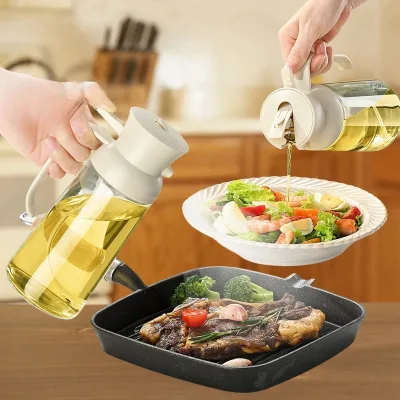
Two in One Glass Oil Spray 470ml Bottle for Kitchen and Home Oil Spray Bottle
$0.63 - $0.70
MOQ: 2000 Pieces



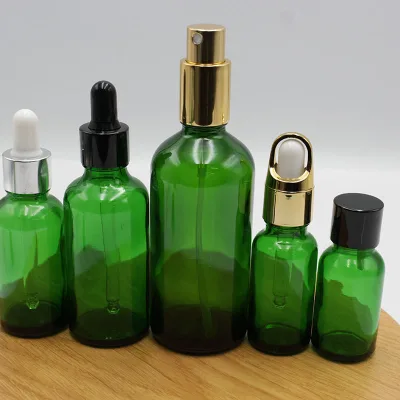


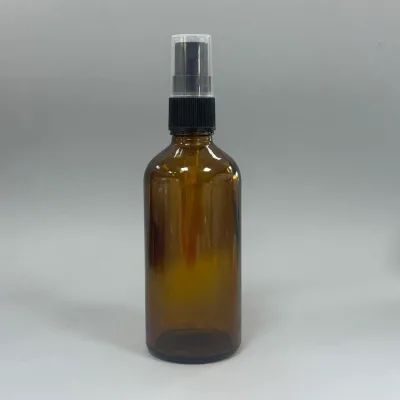
Essential Oil Sprayer and Nozzle Bottle Glass Perfume Sprayer Bottle with Transparent Cap
$0.10 - $0.15
MOQ: 5000 Pieces



Comprehensive Sourcing Guide
Strategic Sourcing Guide for Eco-Friendly Glass Oil Spray Bottles
Procuring eco-friendly glass oil spray bottles requires a nuanced understanding of material properties, mechanical functionality, and supply chain reliability. In the current B2B landscape, buyers are increasingly prioritizing sustainable packaging solutions that maintain product integrity while minimizing environmental impact. The transition from plastic to glass for oil, vinegar, and culinary sprays is driven by the inert nature of glass, which prevents chemical leaching and preserves the purity of sensitive oils. However, the mechanical complexity of the spray mechanism introduces specific technical variables that must be managed during the sourcing process. This guide outlines the critical factors for evaluating suppliers, interpreting technical specifications, and ensuring long-term procurement success for glass oil spray bottles.
Technical Specifications and Material Integrity
The foundation of a successful procurement strategy lies in a precise definition of technical specifications. For glass oil spray bottles, the material composition is paramount. The primary material observed in high-quality listings is glass, which offers superior chemical resistance compared to polymers. When sourcing, buyers must verify the specific glass type, though the standard observation points to clear or tinted glass suitable for kitchen and cosmetic applications. The physical dimensions of the bottle are equally critical for compatibility with existing filling lines and consumer ergonomics.
Data from current market listings indicates a variety of volume capacities, ranging from small 10ml units to larger 100ml containers. Specific models observed include capacities such as 30ml, 50ml, and 100ml, with some listings noting a range of 2-4 oz. The physical dimensions also vary, with standard sizes observed around 17.34.3cm and 184cm. Buyers should not assume a single standard size applies to all suppliers; instead, they must request detailed dimensional drawings for the specific model number, such as MUA002 or HK-8166, to ensure fitment.
The spray mechanism is the most complex component of the assembly. The nozzle design determines the application efficacy. Two primary designs are prevalent: the pump nozzle and the fine mist nozzle. The pump nozzle often utilizes a crimp mechanism to secure the assembly to the glass neck, while the fine mist nozzle is designed for a hollow cone spray pattern. The closure type is another critical specification, with screw caps and push buttons being the dominant options. The spray type, whether stream or mist, directly impacts the user experience for culinary applications like oil spraying or vinegar dispensing. Buyers must specify whether they require a non-spill feature, which is a common attribute in modern designs, to prevent waste and mess during storage.
Compliance, Certification, and Regulatory Standards
While the core keyword emphasizes "eco-friendly," the regulatory landscape for food-contact glass and spray mechanisms is rigorous. Buyers must navigate the distinction between marketing claims and verified compliance. Although some background information suggests ISO 9001:2015 as a potential standard, this should not be assumed as a guaranteed attribute of every listed product without direct verification from the supplier. The absence of explicit certification data in general listings necessitates a proactive approach to compliance verification.
The primary regulatory concern for glass oil spray bottles is food safety. Since these products are intended for kitchen use, such as spraying oil, vinegar, juice, or wine, the glass must be free from lead and cadmium. The HS Code 96161000.00 is commonly associated with perfume spray bottles and similar items, but buyers must ensure the specific classification aligns with food-contact regulations in their target market. In the European Union, for instance, compliance with Framework Regulation (EC) No 1935/2004 is mandatory. In the United States, adherence to FDA guidelines for food-contact substances is essential.
Buyers should request specific test reports rather than relying on general statements. These reports should cover migration tests for heavy metals and organic compounds. Additionally, the plastic components of the spray mechanism, such as the dip tube and the actuator, must be food-grade. The "eco-friendly" claim often implies the use of recyclable materials. Glass is inherently recyclable, but the metal spring and plastic components within the pump must also be considered for end-of-life disposal. Buyers should inquire about the recyclability of the entire assembly, not just the glass vessel.
Cost Drivers and Pricing Structures
Understanding the cost structure of glass oil spray bottles is essential for budgeting and negotiation. The price range observed in the market spans from $0.01 to $2.00 USD per unit, a significant variance that reflects differences in volume, customization, and order quantity. Several key factors drive these costs. First, the volume of the bottle is a primary determinant; a 10ml bottle will inherently cost less than a 100ml bottle due to material usage. Second, the complexity of the spray mechanism adds cost. A fine mist nozzle with a hollow cone design may be more expensive to manufacture than a simple stream spray nozzle.
Customization is another major cost driver. While customization is listed as available, adding specific branding, custom colors (such as mixed colors or specific white/black options), or unique shapes (round/circular) will increase the unit price. The "Custom Order" attribute indicates that suppliers can accommodate bespoke requests, but this typically comes with a higher price point and a longer lead time. The packaging method also influences cost. Bulk packing is generally more economical than individual carton packing, which adds labor and material expenses.
The Minimum Order Quantity (MOQ) is a critical factor in the total cost of ownership. Observed MOQs range widely from 50 to 10,000 pieces. High-volume orders, such as the 10,000-piece threshold noted in some listings, often unlock lower per-unit pricing. Conversely, smaller orders may incur a premium. Buyers must balance the desire for lower unit costs with the risk of inventory holding. The lead time, typically observed between 25 to 30 days, also impacts cash flow and production scheduling. Longer lead times may require earlier commitment and larger inventory buffers, affecting the overall financial planning of the procurement cycle.
Typical Applications and Market Segmentation
The versatility of glass oil spray bottles allows them to serve multiple market segments, from professional culinary use to personal care and cosmetics. The primary application observed is in the kitchen, specifically for oil sprayers, vinegar dispensers, and juice or wine sprayers. The "Non Spill" feature is particularly valuable in this context, ensuring that the bottle can be stored upright without leakage, which is a common pain point with plastic alternatives. The round or circular shape is standard for these applications, providing a comfortable grip and stable base.
Beyond the kitchen, the "Industrial Use" attribute points to the cosmetics industry. The same glass vessels and spray mechanisms used for oil can be adapted for cosmetic mists, toners, and facial sprays. The fine mist spray type is highly desirable in this sector for even application. The "Multipurpose Refillable" design is a significant selling point, appealing to consumers who value sustainability and the ability to reuse the glass container. This aligns with the "eco-friendly" narrative, as refillable systems reduce single-use waste.
The "Main Market" being "All over the world" indicates that these products are suitable for global distribution. However, buyers must consider regional preferences. For example, the "Mixed Color" option might be popular in certain markets for aesthetic variety, while "White, Black" might be preferred for a minimalist, premium look in others. The "Selling Units" being listed as "Single item" suggests that the product is often sold individually, which is typical for retail packaging, but bulk purchasing is available for B2B clients. Understanding the end-user's specific application is crucial for selecting the right nozzle design and closure type.
Supplier Evaluation and Geographic Considerations
Evaluating suppliers requires a focus on their location, production capabilities, and business nature. The "Place of Origin" for many listed products is China, with specific regions including Jiangsu, Ningbo, and Shandong. These regions are known for their manufacturing clusters in glass and packaging. Jiangsu, for instance, is a hub for high-precision manufacturing, while Ningbo is a major port city facilitating export logistics. Shandong is also a significant production center. Buyers should verify the specific factory location to assess logistics costs and lead times accurately.
The "Nature of Business" is a critical filter. Listings indicate that the suppliers are "Manufacturers," which is preferable to trading companies for direct pricing and quality control. However, buyers must verify this claim through audits or site visits. The "Brand Name" such as "Beautypackaging" suggests that some suppliers operate with their own branding, which can be beneficial for private label opportunities. Buyers should look for suppliers who offer "Custom Order" capabilities, as this indicates flexibility and a willingness to collaborate on product development.
When evaluating suppliers, buyers should request samples to test the "Spraying Shape" and "Closure Type" in real-world conditions. The "Single gross weight" of 0.500 kg and "Single package size" of 10X10X10 cm are useful for calculating shipping costs, but these figures can vary based on the specific model. Buyers should ensure that the supplier can provide consistent quality across batches, especially when dealing with large MOQs. The "Lead Time" of 25-30 days is a standard benchmark, but buyers should negotiate this based on their specific volume and urgency.
Quality Control and Long-Term Procurement
Ensuring consistent quality is the responsibility of the buyer, even when sourcing from a manufacturer. Quality control (QC) protocols should be established before production begins. Key QC checkpoints include checking the glass for defects such as bubbles, cracks, or uneven thickness. The spray mechanism must be tested for consistency; the "Hollow Cone" spray pattern should be uniform, and the "Push Button" or "Screw Cap" closure must seal tightly to prevent leaks. The "Non Spill" feature should be validated through drop tests and tilt tests.
Long-term procurement considerations involve building a resilient supply chain. Relying on a single supplier for a critical component like the spray nozzle can be risky. Buyers should consider diversifying their supplier base to mitigate the risk of disruptions. The "Customization" and "Custom Order" attributes suggest that suppliers are willing to adapt, but buyers should formalize these agreements in contracts to ensure that changes in design or material do not compromise quality.
Sustainability is a long-term trend that will continue to influence procurement decisions. Buyers should prioritize suppliers who demonstrate a commitment to environmental responsibility, such as using recycled glass or reducing packaging waste. The "Eco-friendly" aspect of the product is not just a marketing term but a strategic advantage in a market increasingly driven by consumer consciousness. By focusing on durable, refillable, and recyclable designs, buyers can align their procurement strategies with broader corporate sustainability goals.
Conclusion
Sourcing eco-friendly glass oil spray bottles is a multifaceted process that requires attention to technical specifications, regulatory compliance, cost drivers, and supplier reliability. By carefully analyzing the available data on volume, nozzle design, and material properties, buyers can make informed decisions that meet their specific needs. The observed range of capacities, from 10ml to 100ml, and the variety of spray types, including fine mist and stream spray, offer flexibility for different applications. However, the key to success lies in rigorous supplier evaluation and quality control. Buyers must verify certifications, test samples, and establish clear communication channels to ensure that the final product meets their standards for safety, performance, and sustainability. With the right approach, glass oil spray bottles can serve as a valuable asset in both culinary and cosmetic markets, offering a sustainable alternative to plastic packaging.
FAQs
What materials are used for eco-friendly glass oil spray bottles?
The primary material used is glass, which offers superior chemical resistance and prevents leaching. These bottles are designed for kitchen applications like oil and vinegar spraying while maintaining product purity.
Which nozzle designs are available for these glass spray bottles?
Available nozzle designs include pump nozzles and fine mist nozzles with hollow cone spray patterns. The closure types vary between screw caps and push buttons depending on the specific model.
Can I customize the color and volume of the glass bottles?
Yes, customization is available for mixed colors or specific options like white and black. Buyers can select from volumes ranging from 10ml to 100ml or capacities between 2 to 4 ounces.
What is the typical lead time for manufacturing these glass bottles?
The standard lead time is between 25 to 30 days for production. This duration applies to custom orders and bulk shipments originating from manufacturing hubs in China.
How does the packaging affect the shipping weight and dimensions?
Bottles are packed in cartons or bulk packs with a single gross weight of 0.500 kg. The single package size is typically 10x10x10 cm, which aids in logistics planning.
What are the minimum order quantities for purchasing these bottles?
Minimum order quantities range from 50 to 10,000 pieces depending on the supplier and customization level. Higher volumes often unlock better pricing but require longer commitment periods.
Where are the manufacturers of these glass oil spray bottles located?
Manufacturers are located in China, specifically in regions like Jiangsu, Ningbo, and Shandong. These areas are known for their glass and packaging manufacturing clusters.