Source PET Food Storage Container for Feeding, Storage, and Water
Find 26 PET Food Storage Container options made of PP plastic with customizable logos and colors. Buyers can compare features like recyclability, airtight sealing, and various sizes for indoor or outdoor use across all seasons.
Key considerations
Products List


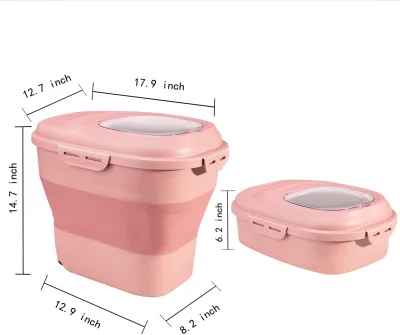
Pet Collapsible Food Storage Containers with Rolling Wheel and Locking Lid
$2.80 - $3.80
MOQ: 2000 Pieces



Comprehensive Sourcing Guide
Strategic Sourcing Guide for Pet Food Storage Containers
The global demand for specialized pet care infrastructure has driven a significant evolution in the storage solutions available for pet food. For procurement professionals and B2B buyers, the core keyword "PET Food Storage Container" represents a complex category that spans from simple dispensing units to sophisticated airtight systems designed for long-term preservation. Sourcing in this sector requires a nuanced understanding of material science, regulatory compliance, and supply chain logistics. The market offers a diverse array of options, ranging from basic polypropylene (PP) bins to complex multi-layer systems with custom branding capabilities. This guide provides a structured approach to navigating the procurement landscape, ensuring that buyers can select products that meet both functional requirements and commercial viability without relying on unverified claims.
Material Composition and Physical Specifications
The foundation of any effective pet food storage solution lies in the material composition and physical dimensions. Based on current market observations, Polypropylene (PP) is the dominant material used in this category. PP is selected for its chemical resistance, durability, and ability to maintain structural integrity under varying temperature conditions. When evaluating potential suppliers, buyers must verify that the material is explicitly identified as PP, as this ensures the container can withstand the oils and moisture often present in pet food without degrading or leaching harmful substances.
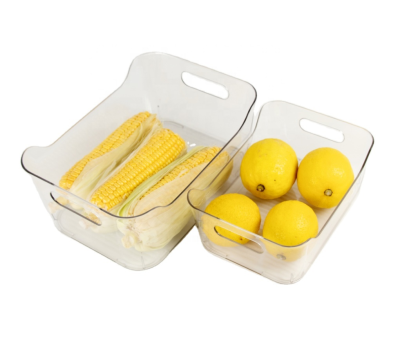
Physical specifications vary significantly across the product range. The observed market data indicates a standardization in sizing, with products typically categorized into Small, Medium, and Large dimensions. This segmentation allows buyers to match inventory to specific retail needs, whether targeting small apartment dwellers or large kennel operations. Furthermore, the structural design often includes specific features such as airtight sealing mechanisms. For instance, certain models are explicitly described as "Clear Airtight Plastic Food Storage Containers," emphasizing the need for transparency to monitor food levels and sealing to prevent pest infestation and moisture ingress.
The craftsmanship of these containers is another critical specification. Injection molding is the prevalent manufacturing technique, ensuring consistent wall thickness and high precision in the fit of lids and bases. This process supports the "Modern Customization" design style observed in the market, allowing for sleek, ergonomic shapes that appeal to commercial buyers in department stores and specialty shops. Buyers should also note the weight tolerance, which is typically maintained within a strict range of less than ±5% to ensure that automated filling and packaging lines operate without interruption.
Compliance, Certification, and Regulatory Standards
In the realm of pet care products, regulatory compliance is not merely a formality but a critical component of brand safety and market access. The primary certifications observed in the current supply landscape include FDA (Food and Drug Administration) and ISO (International Organization for Standardization) standards. These certifications are essential for products intended for direct contact with food, including pet food. The FDA certification ensures that the materials used do not contain toxic substances that could harm animals, while ISO certification typically validates the manufacturer's quality management systems.
When sourcing, buyers must treat these certifications as verified attributes rather than generic marketing claims. It is imperative to request current certification documents from the supplier to confirm that the specific production batch meets these standards. The market data also highlights a "standard or unstandard" classification for product standards, which suggests that while many products adhere to international norms, some may be tailored to specific regional requirements. Buyers should clarify whether the "standard" refers to a specific ISO protocol or a general industry baseline.
Additionally, the environmental profile of the product is increasingly important. Many containers in this category are marketed with features such as "Recyclable," "Biodegradable," and "Environmental Friendly." While these attributes are observed in the product listings, buyers should verify the specific recycling codes and the conditions under which biodegradability occurs. The "Anti-Corrosion and Anti-Rust Properties" are also listed as a quality attribute, which is particularly relevant for containers stored in humid environments or outdoor settings. Ensuring that the material and coating meet these anti-corrosion claims is vital for maintaining the aesthetic and functional longevity of the product.
Cost Drivers and Pricing Dynamics
Understanding the cost structure of pet food storage containers is essential for maintaining healthy profit margins. The observed price range in the market spans from $0.01 to $9.00 USD. This wide variance is driven by several key factors, including the size of the container, the complexity of the design, and the level of customization required. A basic, small-sized PP container will naturally fall at the lower end of this spectrum, while a large, multi-layered unit with custom branding and specialized packaging will command a higher price point.
The Minimum Order Quantity (MOQ) is another significant cost driver. The market data indicates an MOQ range of 8 to 50,000 units. This flexibility allows buyers to scale their orders based on their inventory needs and cash flow. Small batch purchasing is available, which is beneficial for new market entrants or those testing new product lines. However, larger orders typically benefit from economies of scale, reducing the unit cost significantly. Buyers must balance the MOQ requirements with their storage capacity and sales velocity to avoid overstocking or stockouts.
Packaging costs also play a role in the final landed cost. The observed packaging methods include "Inside Plastic Bag, Outside Cartonbox," "Color Box," and "Carton" configurations. The choice of packaging affects both the shipping volume and the retail presentation. For instance, a "Color Box" adds value for retail display but increases the unit cost compared to a simple bulk carton. Additionally, the "Box Regulations" specify that certain containers are packed in quantities of 40 pieces per box, which impacts palletization and shipping efficiency. Buyers should calculate the total cost per unit, including packaging and freight, to determine the true cost of goods sold.
Typical Applications and Usage Scenarios
The versatility of pet food storage containers allows them to serve a wide range of applications across different sectors. The primary usage categories identified include "Feeding," "Feed Water," and "Storage." This triad of functions suggests that the containers are not limited to dry food storage but may also integrate with water dispensing systems, as indicated by the "Pet Water Fountain" type classification. This multifunctional design is particularly appealing to commercial buyers in specialty stores and TV shopping channels, where space-saving and multi-purpose products are highly valued.
The application scenarios extend beyond the home kitchen. While the "Kitchen" is a primary setting, the "Room Space" attribute indicates that these containers are suitable for both "Indoor/Outdoor" use. This durability makes them ideal for kennels, veterinary clinics, and pet boarding facilities where hygiene and ease of cleaning are paramount. The "Specific Uses for Product" such as "Sealing Food" highlight the importance of airtight mechanisms in preventing spoilage and maintaining freshness.
Furthermore, the "Application" scope covers "All Breed Pets," indicating that the sizing and design are adaptable to various pet sizes, from small cats to large dogs. The "Fixed Time Feeding" attribute, noted as "Without Fixed Time Feeding" in some models, suggests that these are manual storage solutions rather than automated dispensers. This distinction is crucial for buyers targeting customers who prefer manual control over feeding schedules. The "Commercial Buyer" segment includes "Department Stores" and "Specialty Stores," which implies that the product design must align with retail aesthetics and shelf-space requirements.
Supplier Evaluation and Production Capabilities
Selecting the right supplier is a critical step in the procurement process. The supply base for pet food storage containers is centered in Qingdao, China, a major manufacturing hub known for its plastic processing capabilities. When evaluating potential partners, buyers should look for suppliers who demonstrate "Customization" capabilities, including "Customized Logo Acceptable" and "Custom Colors" according to customer intentions. This level of flexibility allows brands to differentiate their products in a crowded market.
The production standards and lead times are also key evaluation metrics. The observed delivery time ranges from 15 to 31 days, which is a standard window for manufacturing and shipping from the region. Buyers must verify if this lead time includes packaging and customs clearance or if it refers strictly to production time. The "Transport" options, including Sea Freight, Air Freight, and Land Freight, offer flexibility in logistics planning. For large orders, sea freight is typically the most cost-effective, while air freight may be necessary for urgent restocking.
Quality control should be a priority during supplier evaluation. The "Craftsmanship" of injection molding and the "Weight Tolerance" of less than ±5% are indicators of a mature manufacturing process. Buyers should request samples to verify the "Anti-Corrosion and Anti-Rust Properties" and the integrity of the airtight seals. Additionally, the "Customized Service" support, which includes custom logo and packaging, should be clearly defined in the contract to avoid misunderstandings regarding branding rights and design specifications.
Long-Term Procurement Considerations
Sourcing pet food storage containers is not a one-time transaction but a strategic partnership that requires long-term planning. The "Season" attribute, listed as "All-Season," indicates that these products have year-round demand, reducing the risk of seasonal inventory obsolescence. However, buyers must remain vigilant regarding supply chain disruptions and raw material price fluctuations. The reliance on PP as the primary material means that the procurement strategy should be closely tied to the global plastic resin market trends.
Sustainability is another long-term consideration. With the increasing emphasis on "Recyclable" and "Biodegradable" features, buyers should anticipate stricter regulations regarding plastic waste. Developing a supply chain that prioritizes eco-friendly materials and processes will future-proof the business against potential legislative changes. The "Design Style" of "Modern Customization" suggests that aesthetic trends are evolving, and suppliers must be agile enough to adapt to new design requests without compromising quality.
Finally, the "Quantity Purchased" flexibility, with options for "Small Batches," allows for a phased approach to market entry. Buyers can start with smaller orders to test the market response before committing to large-scale production runs. This strategy minimizes financial risk and allows for iterative improvements based on customer feedback. By maintaining a clear understanding of the product specifications, compliance requirements, and supplier capabilities, buyers can build a robust and resilient supply chain for pet food storage containers.
FAQs
What certifications do pet food storage containers typically have?
Products typically hold FDA and ISO certifications to ensure safety for pet food contact. These standards verify that materials like PP do not leach harmful substances and that manufacturing processes meet quality management requirements for food-grade applications.
How can I customize the logo and packaging for these containers?
Customized logos and packaging are available for buyers seeking brand differentiation. Suppliers support custom colors and packaging designs according to customer intentions, allowing for tailored solutions that meet specific retail or commercial branding needs.
What is the typical lead time for manufacturing and delivery?
The standard delivery time ranges from 15 to 31 days for production and shipping. This timeframe accounts for injection molding processes and packaging preparation, though specific dates may vary based on order volume and shipping method selection.
Which materials are used to construct these storage containers?
Polypropylene (PP) is the dominant material used for these containers due to its durability and chemical resistance. This material ensures structural integrity against moisture and oils found in pet food while maintaining safety for animal consumption.
Can I order small batches or low minimum order quantities?
Small batch purchasing is available with a minimum order quantity ranging from 8 to 50,000 units. This flexibility allows new entrants to test products without committing to large inventory volumes while still accessing bulk pricing tiers.
Where are these pet food storage containers manufactured?
The primary manufacturing origin for these products is Qingdao, China. This region serves as a major hub for plastic processing, offering access to established supply chains and experienced manufacturers specializing in pet care infrastructure.
What features make these containers suitable for indoor and outdoor use?
These containers feature anti-corrosion and anti-rust properties suitable for both indoor and outdoor environments. The design includes airtight sealing to prevent pest infestation and moisture ingress, ensuring food freshness across various storage scenarios.