Find Eco Friendly Glass Tea Cups for offices, homes, and cafes
Source 30 listings of Eco Friendly Glass Tea Cups featuring single and double wall designs with various capacities. Buyers can compare customization options, certifications like FDA and LFGB, and packaging standards across suppliers in China.
Key considerations
Products List


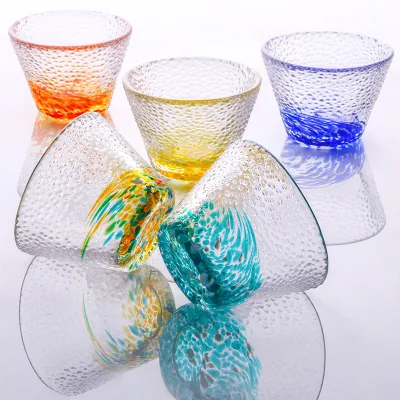


Manufacturers Direct Selling High Quality Glass Tea Cup Custom Glass Cups
$2.00 - $4.00
MOQ: 50 Pieces


Comprehensive Sourcing Guide
Strategic Sourcing Guide for Eco-Friendly Glass Tea Cups
The global shift toward sustainable procurement has elevated the demand for eco-friendly glass tea cups, positioning them as a critical category for businesses seeking to align their operations with environmental responsibility. Sourcing these items requires a disciplined approach that balances aesthetic appeal, functional durability, and rigorous compliance verification. Unlike single-use alternatives, glass offers a reusable solution that minimizes waste, provided the supply chain adheres to strict quality and safety standards. This guide outlines the essential technical, regulatory, and operational factors buyers must evaluate to secure a reliable supply of high-quality glass tea cups.
Technical Specifications and Material Composition
The foundation of any successful procurement strategy lies in a precise understanding of the product's technical specifications. In the context of glass tea cups, the material composition is paramount. The supply market features variations ranging from high-clear glass to high-quality colored glass, with specific applications demanding different optical and thermal properties. Buyers must distinguish between single-wall and double-wall constructions, as the latter offers superior thermal insulation for hot beverages like tea, preventing heat transfer to the hand and reducing the risk of breakage due to thermal shock.
Shape and size are equally critical variables. The market offers cylindrical shapes with wide mouths, which facilitate easier cleaning and the addition of tea leaves or fruit infusions. Dimensions vary significantly; some models are standardized with specific height and diameter ratios, such as a height of 13.0cm with a base diameter of 4.0cm, while others offer custom sizing to meet specific branding or capacity requirements. Capacity is another defining metric, with common offerings ranging from 100ml to 500ml, and specific models available in 12 oz configurations.
The manufacturing techniques employed also dictate the final product's character. Screen printing and decal decoration are the primary methods observed for adding color and design. While some products are available in transparent finishes, others feature colored options such as green, yellow, or grey. The presence or absence of handles is a functional decision that impacts usability; some designs are crafted without handles for a minimalist aesthetic, while others include handles for enhanced grip. Furthermore, the customization landscape is robust, with suppliers offering custom shapes and designs, allowing buyers to tailor the product to specific market needs.
Compliance and Certification Verification
For eco-friendly products, regulatory compliance is not merely a formality but a prerequisite for market entry. Buyers must verify that suppliers possess valid certifications that align with international safety and environmental standards. The supply data indicates a prevalence of certifications such as RoHS, REACH, LFGB, FDA, and ISO. These certifications are essential for products intended for daily use and food contact, ensuring that the glass does not leach harmful substances into beverages.
LFGB (German Food and Feed Code) and FDA (U.S. Food and Drug Administration) standards are particularly critical for tea cups, as they rigorously test for heavy metals and other contaminants. Similarly, RoHS and REACH compliance ensures that the manufacturing process adheres to restrictions on hazardous substances, a key component of the "eco-friendly" claim. For European markets, CE marking and CIQ (China Inspection and Quarantine) certifications may also be required. Buyers should not assume that a product labeled "eco-friendly" automatically meets these standards; instead, they must request current, verifiable documentation for each batch or model.
Cost Drivers and Pricing Dynamics
Understanding the cost structure of glass tea cups is vital for budgeting and negotiation. The observed price range in the market is extensive, spanning from $0.16 to $999 per unit, reflecting the vast difference between basic commodity items and highly customized, premium designs. Several factors drive these costs. First, the complexity of the decoration plays a significant role; products featuring screen printing or decal decoration often command higher prices than plain glass. Second, the type of glass used, such as high-quality colored glass versus standard clear glass, influences the base cost.
Minimum Order Quantity (MOQ) is another major cost driver. The market shows an MOQ range from 5 to 75,000 units. High-volume orders typically benefit from economies of scale, reducing the per-unit cost, while smaller orders may incur higher unit prices. Customization is a primary cost multiplier; requests for custom shapes, specific dimensions, or unique designs often require higher MOQs, such as 3,000 pieces, to justify the setup costs for molds and printing plates. Additionally, the origin of the product affects pricing; manufacturers in regions like Guangdong, Foshan, and Liling, Hunan, offer competitive rates, but logistics and import duties must be factored into the total landed cost.
Typical Applications and Market Usage
Eco-friendly glass tea cups serve a diverse range of applications, extending beyond simple household use. The primary functions identified include drinking and serving beverages, making them suitable for both domestic and commercial settings. In the corporate sector, these cups are frequently utilized as glass office cups, providing a professional and sustainable alternative to disposable paper or plastic cups. Their clear or colored aesthetic allows them to fit seamlessly into modern office environments or boutique cafes.
The versatility of the product is further highlighted by its application in daily use scenarios. Whether used as a crystal glass for formal occasions, a glass beaker for laboratory or educational settings, or a standard drinking vessel for home consumption, the glass tea cup adapts to various contexts. The availability of different styles, from simple and minimalist to creative and decorative, ensures that buyers can source products that match their specific brand identity or target audience. The eco-friendly nature of the product also makes it an ideal choice for promotional campaigns, corporate gifts, and retail packaging where sustainability is a key selling point.
Supplier Evaluation and Geographic Considerations
Selecting the right supplier requires a thorough evaluation of their capabilities, location, and operational standards. The supply data indicates that manufacturers are primarily located in China, with key hubs in Guangdong, Foshan, and Liling, Hunan. Each region may offer distinct advantages; for instance, Guangdong is known for its advanced manufacturing infrastructure, while Liling has a strong reputation for glassware production. Buyers should verify the supplier's production capacity to ensure they can meet demand, especially given the wide range of observed MOQs.
When evaluating suppliers, buyers should prioritize those who demonstrate transparency regarding their production processes and quality control measures. The ability to offer customization, such as custom shapes and designs, is a strong indicator of a supplier's flexibility and technical capability. Additionally, the packaging standards provided by suppliers, such as packing 48 pieces per carton or using boxes and pallets for shipping, are critical for ensuring product safety during transit. Buyers should also assess the supplier's lead times and shipping packaging options to avoid delays and damage.
Quality Control and Packaging Standards
Maintaining product quality throughout the supply chain is essential for customer satisfaction and brand reputation. Glass is inherently fragile, making packaging a critical component of the quality control process. Standard packaging practices observed include packing 48 pieces per carton, with additional protection provided by boxes or pallets. For larger orders, suppliers may utilize carton and pallet packages to ensure stability during shipping. Buyers must verify that the packaging is robust enough to prevent breakage, especially for double-wall or decorated cups which may be more susceptible to impact.
Quality control should extend beyond the final product to include raw material inspection. Buyers should ensure that the glass used meets the specified standards, whether it is high-clear glass or high-quality colored glass. The presence of certifications like LFGB and FDA should be verified through third-party testing reports. Furthermore, the consistency of the decoration, such as screen printing or decals, should be checked to ensure that colors like green, yellow, or grey are applied uniformly and do not fade or peel over time. Regular audits and sample inspections are recommended to maintain these standards.
Long-Term Procurement Considerations
Sourcing eco-friendly glass tea cups is a long-term strategic decision that requires ongoing management and relationship building. Buyers should consider the lifecycle of the product, including its durability and recyclability. High-quality glass is infinitely recyclable, making it a sustainable choice that aligns with long-term environmental goals. However, the initial investment in high-quality materials and certifications must be balanced against the total cost of ownership, including potential returns or replacements due to breakage.
Building a resilient supply chain involves diversifying suppliers and maintaining open communication regarding production schedules and capacity. Buyers should also stay informed about changes in international trade regulations and environmental standards, as these can impact the availability and cost of certified glass products. By focusing on suppliers who prioritize sustainability and quality, buyers can ensure a steady supply of eco-friendly glass tea cups that meet their operational needs and brand values. This approach not only mitigates risk but also enhances the brand's reputation as a leader in sustainable procurement.
FAQs
What certifications do Eco Friendly Glass Tea Cups typically have?
These cups commonly hold LFGB, RoHS, REACH, FDA, and ISO certifications to ensure safety for food contact. Buyers must verify specific batch documentation as not every listed product satisfies all standards simultaneously.
Can I request custom shapes and designs for these glass cups?
Yes, suppliers offer custom shapes and designs with a typical minimum order quantity of 3000 pieces. This customization allows for unique branding but requires higher volume commitments to justify mold and printing setup costs.
Which glass types are available for wide mouth tea cups?
Available options include high clear glass and high quality colored glass in green, yellow, or grey. Some models feature double wall construction for thermal insulation while others use single wall designs for standard daily use.
How are these glass cups packaged for international shipping?
Standard packaging involves 48 pieces per carton with options for box, carton, or pallet shipping. Robust packaging is essential to prevent breakage during transit, especially for decorated or double wall glass items.
What is the price range for sourcing these glass tea cups?
Market prices range from 0.16 to 999 USD per unit depending on complexity and customization. Costs increase with specialized decoration techniques like screen printing or decal application and vary by order volume and origin location.
Where are the primary manufacturing locations for these glass products?
Manufacturers are primarily located in Guangdong, Foshan, and Liling in Hunan, China. These regions offer competitive rates but buyers must factor in logistics and import duties when calculating the total landed cost.
What capacity sizes are available for these glass office cups?
Common capacities range from 100ml to 500ml with specific models available in 12 oz configurations. Custom sizing is also possible to meet specific branding or functional requirements for different beverage serving needs.