Source eco-friendly glitter synthetic leather fabric for Bags, Shoes, and Furniture
Find 30 listings for eco-friendly glitter synthetic leather fabric suitable for bags, shoes, and furniture. Compare options featuring waterproof, elastic, and anti-mildew properties with widths of 54/55 inches and thicknesses from 0.8-1.3mm; compare the available evidence and request quotations based on your requirements.
Updated
Key considerations
Products List
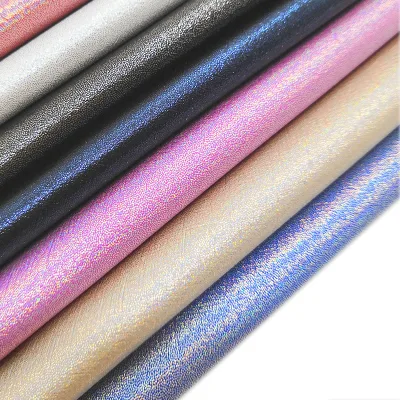
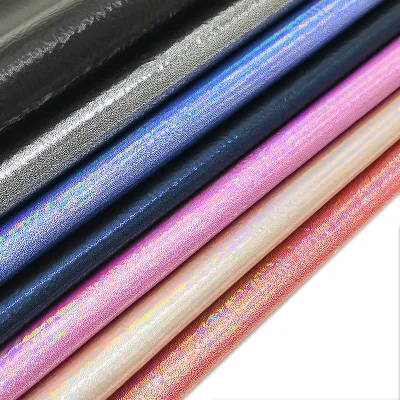
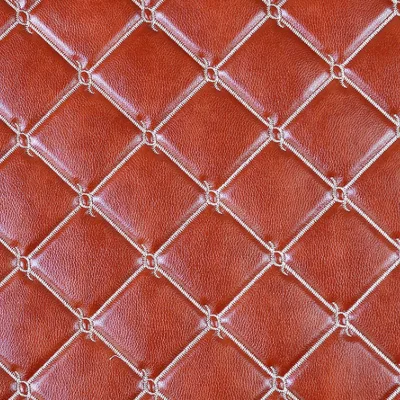
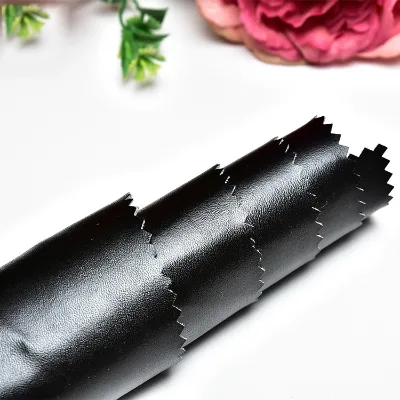


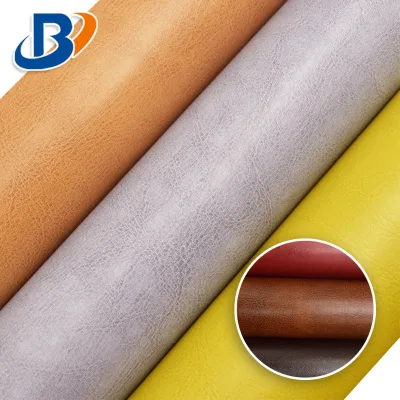
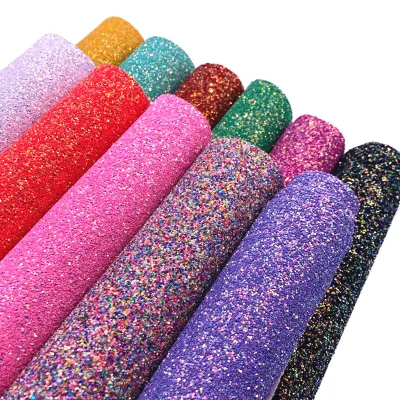
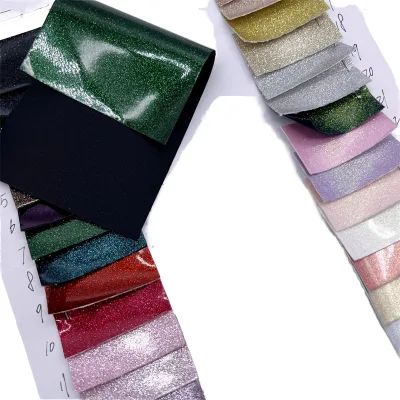
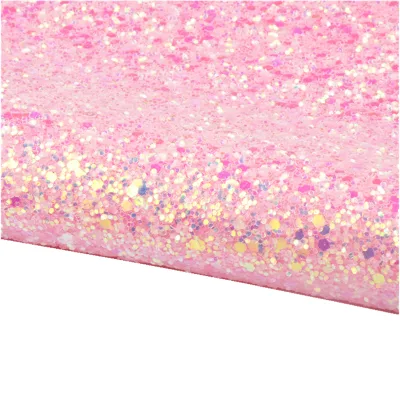
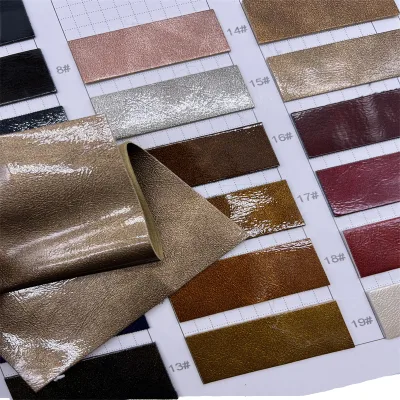
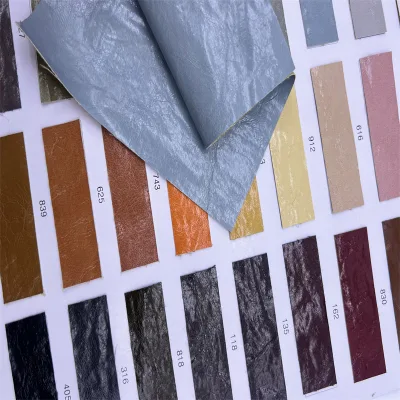
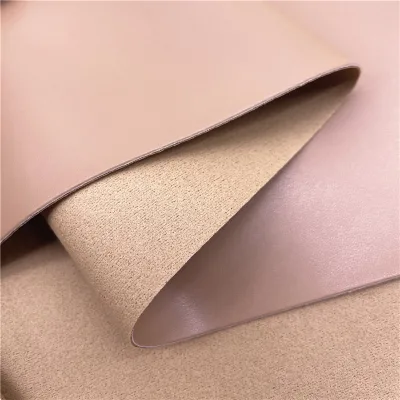
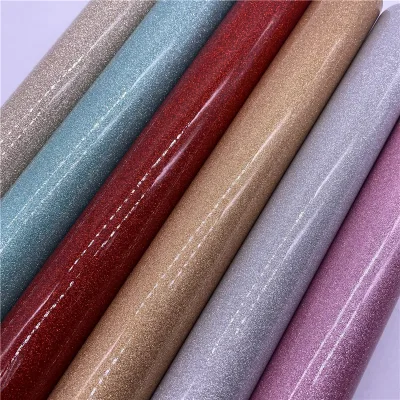
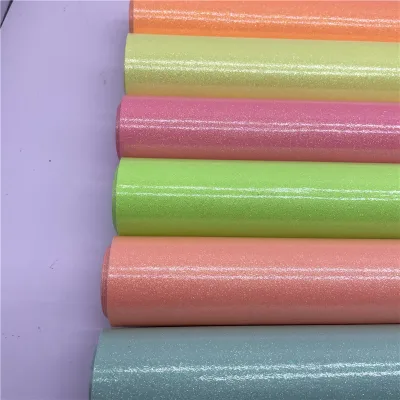
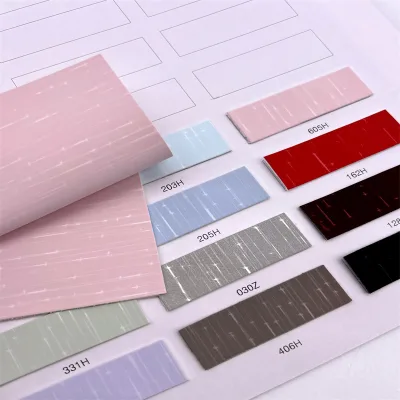
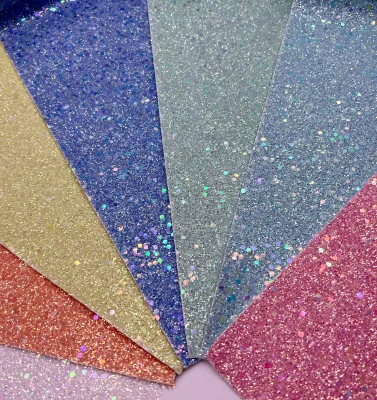

Eco Friendly Synthetic Leather PU Microfiber Leather Fabric for Gloving
$6.98 - $14.80
MOQ: 300 Meters


Comprehensive Sourcing Guide
Eco-Friendly Glitter Synthetic Leather Fabric Sourcing Guide
Sourcing eco-friendly glitter synthetic leather fabric requires a careful balance between aesthetic appeal and functional durability. Buyers must navigate a market where visual characteristics like glitter patterns and color variety are prominent, yet underlying material properties such as backing type and thickness vary significantly across suppliers. This guide provides evidence-based procurement strategies to help buyers identify reliable sources for PU leather materials that meet specific industrial and consumer needs.
The following sections detail the technical specifications, compliance requirements, and commercial terms observed in current market listings. By focusing on verified attributes such as backing technics, width, and delivery times, procurement teams can mitigate risks associated with inconsistent quality and ensure that the selected fabric aligns with both design intent and operational constraints.
Product Scope and Observed Listing Signals
The observed product range includes PU leather materials with glitter patterns, available in colors such as blue, dark gray, navy, pink, and various shades of white and ivory. These fabrics are marketed for diverse applications including home textiles, decorative items, bags, shoes, car seats, and furniture. The presence of terms like "cuero sintetico" and "100% Polyester Eco Friendly Synthetic Skin Leather" suggests a focus on synthetic alternatives to genuine leather, with some listings emphasizing eco-friendly attributes.
Listing signals indicate a high degree of customization, with options for any color according to customer requirements and customized packing. The backing technics are primarily knitted, though woven and nonwoven options are also observed. Buyers should note that while glitter is a common pattern, other finishes like embossed textures are also available. The supply type is often make-to-order, indicating that production is tailored to specific purchase volumes rather than relying on extensive stock inventory.
Technical Specifications to Verify
Thickness is a critical specification, with observed ranges spanning from 0.8mm to 1.3mm, and specific listings noting 0.9mm thickness for a width of 137cm. Width is consistently listed as 54/55 inches, which is standard for many textile applications. Buyers must verify the needle gauge, which can be 14, 18, 20, or 22, as this affects the fabric's suitability for sewing and stitching processes. Stitch length specifications, ranging from 1.0mm to 4.0mm, further define the material's compatibility with manufacturing equipment.
Backing composition is another key verification point, with knitted backing being a prominent feature, alongside woven and nonwoven alternatives. The material is described as PU leather, with some listings specifying 100% polyester as the standard. Features such as waterproofing, elasticity, anti-mildew properties, and abrasion resistance are commonly claimed. Buyers should request physical samples to confirm these attributes, as performance can vary between different backing types and manufacturing batches.
Compliance and Safety Documentation
While specific certification statuses are not definitively confirmed in the observed data, terms like ROHS, REACH, and EN71 appear in background contexts. Buyers should explicitly request current compliance certificates from suppliers to ensure the materials meet regional safety and environmental regulations. The mention of "100% Polyester Eco Friendly" suggests an alignment with sustainable sourcing trends, but this claim requires verification through third-party testing or supplier documentation.
Procurement teams must ensure that the glitter and dye processes used do not introduce hazardous substances. Given the diverse applications, including items like gloves and car seats, safety standards are paramount. Buyers should ask for material safety data sheets (MSDS) and test reports that confirm the absence of harmful chemicals. Verifying compliance with industry-specific standards, such as those for automotive interiors or children's products, is essential to avoid regulatory issues in the final market.
Cost Drivers and Commercial Terms
Pricing in the observed listings ranges from 1 to 14.8 USD, reflecting variations in material quality, thickness, and customization levels. Minimum order quantities (MOQ) vary significantly, with some listings requiring 500 meters per color or 500M PU leather, while others state no MOQ. Buyers should clarify whether the price includes shipping, as sample freight is often separate. Understanding the cost structure helps in budgeting for large-scale production runs versus small prototype orders.
Payment terms typically involve a 50% advance payment, with the balance due upon delivery or before shipment. Delivery times are generally 7-15 days after confirming the order or receiving the deposit. Buyers should negotiate clear terms for delays and quality disputes. Customized packing and printing of lines or logos may incur additional costs. Transparent communication about these commercial terms prevents unexpected expenses and ensures smooth transaction processing.
Supplier Qualification and Quality Control
Suppliers are often identified as factories, which can offer better control over production quality and pricing. Buyers should verify the supplier's company type and production capacity to ensure they can meet order volumes and deadlines. The place of origin is frequently listed as Shanghai, China, a major hub for textile manufacturing. Due diligence should include checking the supplier's reputation, past performance, and ability to provide consistent quality across batches.
Quality control measures should be established before production begins. This includes defining acceptable tolerances for thickness, width, and color consistency. Requesting pre-production samples and conducting in-line inspections can help identify defects early. Buyers should also verify the supplier's ability to handle customized requirements, such as specific needle gauges or embossed patterns. Establishing a clear quality assurance protocol ensures that the final product meets the specified standards.
Long-Term Procurement Checks
Building a long-term relationship with reliable suppliers requires continuous monitoring of performance and compliance. Buyers should track delivery times, defect rates, and responsiveness to issues. Regular audits of the supplier's quality control processes can help maintain high standards. Additionally, staying updated on changes in material regulations and sustainability trends ensures that the sourced fabric remains compliant and competitive in the market.
Evaluating the supplier's ability to innovate and offer new designs, such as updated glitter patterns or eco-friendly backing options, is crucial for staying ahead. Buyers should also consider the flexibility of the supplier in handling order adjustments and custom requests. Establishing clear communication channels and regular review meetings can foster a collaborative partnership. Long-term success depends on selecting suppliers who are not only cost-effective but also committed to quality and continuous improvement.
FAQs
What colors are available for eco-friendly glitter synthetic leather fabric?
Any color is available according to customer requirements. Standard options include Blue, Dark Gray, Gray, Navy, Pink, Sky Blue, Army Green, Black, Burgundy, Gold, Yellow, and various White and Ivory shades. Custom color matching is supported for specific project needs.
What is the MOQ for eco-friendly glitter synthetic leather fabric?
The minimum order quantity is typically 500 meters per color. Some suppliers may offer non-MOQ options for samples or small batches. Bulk orders generally require meeting this 500-meter threshold to proceed with production and customization.
How thick is the eco-friendly glitter synthetic leather fabric?
The thickness ranges from 0.8mm to 1.3mm. Specific models may have a thickness of 0.9mm with a width of 137cm. This range provides flexibility for applications requiring varying durability and texture profiles.
What backing types are used for this synthetic leather?
Backing technics include Knitted, Nonwoven, and Woven options. The specific backing choice depends on the intended application, such as shoes, bags, or furniture. Knitted backing is commonly used for elasticity and durability in various textile products.
What features does this eco-friendly glitter synthetic leather offer?
Key features include Waterproof, Elastic, Anti-Mildew, and Abrasion-Resistant properties. It is also breathable and sustainable. These characteristics make it suitable for raincoats, car seats, and decorative home textiles requiring durability and moisture resistance.
What is the lead time for production?
Delivery time is typically 7-15 days after confirming the order or receiving a 50% deposit. Exact timelines depend on order volume and customization requirements. Suppliers generally require advance payment to initiate the manufacturing process.