Genuine Leather Suppliers and Manufacturers in China
Explore 23 verified suppliers offering Genuine Leather with varying lead times, MOQs, and certifications. Compare response times, locations, and product features like waterproofing or abrasion resistance. Contact suppliers directly to request samples and confirm pricing details; review the available evidence before requesting comparable quotations from suitable candidates.
Suppliers List
Huafon Microfibre (Shanghai) Co., Ltd.
- Verified by TUVRHEINLAND
- Combined
- China Shanghai
- Lead time30 days
- Avg. response≤ 13h
Main productsSynthetic Leather, Microfiber Fabric, Suede
Main marketsOthers(foreignTradeCapacity.exportBusinessCapacityMarketOther)


Real Leather Expert Supplier Home Hotel Guest Living Room Office Direct Sales Model Real Leather
$6.00 - $10.00
MOQ: 50 Meters


Henan Bering Industries Co., Ltd.
- Verified by Intertek
- Trading Company
- Lead time20 days
- Avg. response≤ 2h
Main productsGloves and Mittens, Fur Rug, Sheepskin for Garments and Shoes Lining, Hat and Cap, Sheepskin Boots and Slippers
Guangzhou Weiran Sea Leather Industry Co., Ltd.
- Manufacturer, Trading Company, Distributor/Wholesaler
- Guangdong, China
- Lead time0 days
- Avg. response≤ 2h
Main productsGenuine Leather,Leather,weave,fur,Rare Leather
Main marketsNorth America(25.00%), Mid East(15.00%), Oceania(15.00%), Western Europe(15.00%), Northern Europe(5.00%), Eastern Europe(5.00%), Central America(5.00%), Southeast Asia(3.00%), Domestic Market(2.00%), South Asia(2.00%), Southern Europe(2.00%), Eastern Asia(2.00%), Africa(2.00%), South America(2.00%)
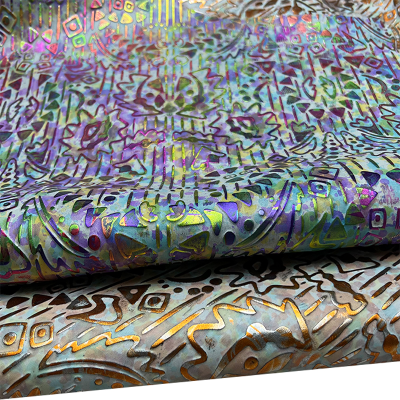
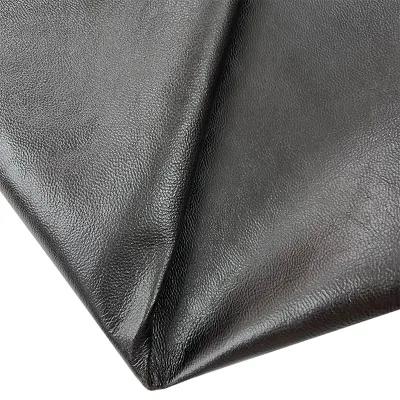
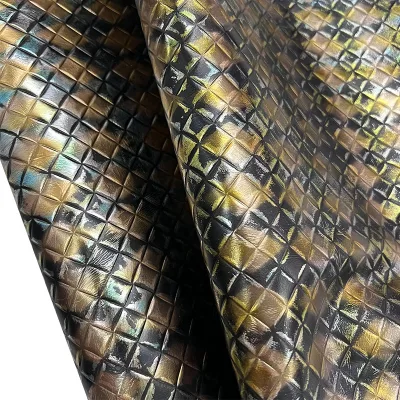

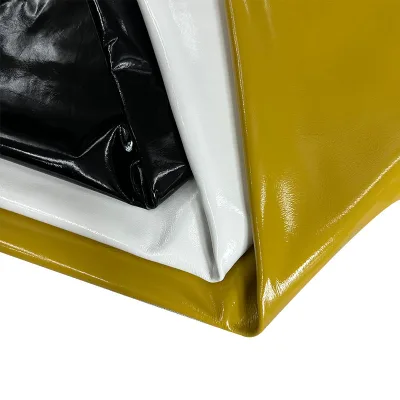
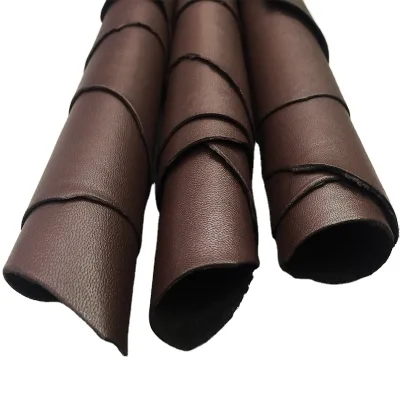
High-End Cowhide Vegetable Tanned Vintage Thick Leather Genuine Leather for Handmade High-Class Bags
$5.11 - $5.62
MOQ: 200 square

Dongguan kailexin trading co., LTD
- Trading Company
- China Guangdong
- Lead time15 days
- Avg. response≤ 4h
Main productsPower Bank, Bluetooth Speaker, Bluetooth Earphone, Phone Screen Protector, Phone Case, Car Dash Cam, Smart Watch, Smart Glasses, 4G Camera, Phone Holder
Main marketsSoutheast Asia/ Mideast
Guangzhou Yujia Industrial Co., Ltd.
- Verified by SGS
- Combined
- China Guangdong
- Lead time15 days
- Avg. response≤ 2h
Main productsPU Leather, PVC Bar Mat, Mouse Pad, Wallets, Rubber Muse Pad, Men's Wallet, Passport Holder, Handbags, Wrist Keyboard Mat
Main marketsDomestic

Microfiber Leather Second Choice for Real Leather Genuine Leather for Bags
$3.05 - $3.50
MOQ: 500 Meters


Zhengzhou Zhuowen Import and Export Trading Co., Ltd.
- Manufacturer
- China Henan
- Lead time30 days
- Avg. response≤ 4h
Main productsAustralian Sheepskins, Sheepskin Slippers, Sheepskin Cushions, Sheepskin Snow Boots, Sheepskin Linings, Sheepskin Rugs, Sheepskin Car Seat Cover, Australian Kangaroo Skin, Lambskin Saddle Pads, Sheepskin Carpets
Main marketsOthers(foreignTradeCapacity.exportBusinessCapacityMarketOther),Europe,Australia
Foshan city suxi hengxuan furniture material Ltd.
- Manufacturer
- Guangdong, China
- Lead time5 days
- Avg. response≤ 1h
Main productspvc leather,microfiber leather,synthetic leather,artificial leather,imitation leather
Main marketsWestern Europe(10.00%), Mid East(10.00%), Southeast Asia(10.00%), Eastern Europe(10.00%), South America(10.00%), North America(10.00%), Domestic Market(5.00%), South Asia(5.00%), Southern Europe(5.00%), Northern Europe(5.00%), Central America(5.00%), Oceania(5.00%), Eastern Asia(5.00%), Africa(5.00%)

Qingdao Driving Sea International Trade Co., Ltd.
- Trading Company,Manufacturer/Factory
- China Shandong
- Lead time23 days
- Avg. response≤ 3h
Main productsSafety Shoes, Work Shoes, Safety Boots, Shoes, PU Shoes, Face Mask, KN95 Mask, N95 Mask, Disposable Medical Mask, FFP2 Mask
Main marketsSouth America,Eastern Europe,Mid East,North America,Southeast Asia,Eastern Asia,Oceania,Western Europe,Africa
Foshan Shenghe New Materials Co., Ltd
- Verified by SGS
- Trading Company
- China Guangdong
- Lead time23 days
- Avg. response≤ 10h
Main productsLeatherette, PVC, PU, Leather, Furniture Material, Bed, Sofa, Floor Mat, Ottomans
Main marketsDomestic
- Verified by Intertek
- Manufacturer, Trading Company
- Lead time10 days
- Avg. response≤ 1h
Main productsCow Leather, Cowhide With Hair, Synthetic Leather
Main marketsDomestic Market(61%), North America(20%), South America(5%)

Fujian Yidai Premiums Mfg Co., Ltd.
- Manufacturer/Factory
- China Fujian
- Lead time15 days
- Avg. response≤ 4h
Main productsLanyards, Wristbands, Tube Bandana, Flags, Bags, Luggage Belts, Sport Bags
Main marketsSouth America,Eastern Europe,Mid East,North America,Southeast Asia,Eastern Asia,Oceania,Western Europe,Africa
Quanzhou Winiw Import and Export Co., Ltd.
- Verified by CTI
- Manufacturer/Factory
- China Fujian
- Lead time23 days
- Avg. response≤ 15h
Main productsMicrofiber Leather, Faux Leather, PU Leather, Synthetic Leather, Artificial Leather, Vegan Leather, Nappa Leather, Upholstery Material, Automotive Leather, Upholstery Leather
Main marketsSouth America,Eastern Europe,North America,Southeast Asia,Eastern Asia,Oceania,Western Europe,Africa

Wenzhou Julong International Trade Co., Ltd.
- Trading Company
- China Zhejiang
- Lead time23 days
- Avg. response≤ 14h
Main productsSynthetic Leather, PU Leather, Artificial Leather, Bag Leather, Shoe Leather, Garment Leather, Sofa Leather, Belt, Car Cushion Leather, Special Shoe Material
Main marketsSouth America,Eastern Europe,Mid East,North America,Southeast Asia,Eastern Asia,Oceania,Western Europe,Africa
- Verified by TUVRHEINLAND
- Combined
- China Fujian
- Lead time15 days
- Avg. response≤ 1h
Main productsPU Synthetic, Microfiber, TPU, Non Woven
Main marketsSoutheast Asia/ Mideast,Domestic

XIAMEN POPTRIMS TEXTILE CO.,LTD.
- Verified by BV
- Trading Company
- China Fujian
- Lead time15 days
- Avg. response≤ 7h
Main productsElastic Webbing, Elastic Suspender, Custom Lanyard, Garment Label, Rubber Patch, Shoelace, Strings & Drawcords, Fancy Satin Grosgrain Ribbon, Jacquard Ribbon, Custom Print Ribbon
Main marketsSouth America,Africa,Southeast Asia/ Mideast,East Asia(Japan/ South Korea),Europe,Australia,North America

Factory Direct Sale Y-Style Handmade Brown Color Genuine Men's Genuine Split Leather Suspender
$3.80 - $4.50
MOQ: 500 piece


QUANZHOU JINJIANG NEW BLT SHOES CO.,LTD
- Verified by BV
- Trading Company,Manufacturer/Factory
- China Fujian
- Lead time0 days
- Avg. response≤ 20h
Main productsSport Shoes, Casual Shoes, Hiking Shoes, School Shoes, Canvas Shoes, Water Shoes, Outdoor Shoes, Skateboard Shoes, PVC Injection Shoes, Running Shoes

Jiangsu Albrich Textile Co., Ltd.
- Trading Company
- China Jiangsu
- Lead time23 days
- Avg. response≤ 6h
Main productsPVC Leather
Main marketsSouth America,Southeast Asia/ Mideast

Hebei Blue Whale Import and Export Trading Co., Ltd.
- Trading Company,Manufacturer/Factory
- China Hebei
- Lead time90 days
- Avg. response≤ 6h
Main productsWomen Bag, Handbags, School Bags, Backpack, Non Woven Bags, Paper Bags, Kraft Paper Bags, Travel Bag, ABS Luggage, Water Smoking Pipe
Main marketsSouth America,Eastern Europe,Mid East,North America,Southeast Asia,Eastern Asia,Oceania,Western Europe,Africa


$30.00 - $115.00
MOQ: 5 Pieces

Classic, Retro, Durable, Natural Color Leather, Simple, Versatile, Light Luxury, Texture, Chain Bag
$30.00 - $115.00
MOQ: 5 Pieces

$30.00 - $115.00
MOQ: 5 Pieces
Ningbo Sunrise Synthetic Materials Co., Ltd.
- Verified by SGS
- Combined
- China Zhejiang
- Lead time15 days
- Avg. response≤ 4h
Main productsPU Leather, PVC Leather, Sofa Leather, Shoes Leather, Bag Leather, Furniture Leather, Thermal Leather, Balll Leather, Synthetic Leather
Main marketsSouth America,Southeast Asia/ Mideast,East Asia(Japan/ South Korea)

SHANDONG DONGTIE LABOUR SUPPLIES CO., LTD.
- Verified by BV
- Combined
- China Shandong
- Lead time30 days
- Avg. response≤ 3h
Main productsCowhide Gloves, Goatskin/Pigskin Golve, Garden Glove, Driver Glove, Winter Glove, Security & Protection Production, General Work Gloves, Cut Resistant Gloves, Leather Gloves, Working Gloves
Main marketsDomestic

Dongguan New Coo Garment Accessories Co., Ltd
- Manufacturer/Factory
- China Guangdong
- Lead time15 days
- Avg. response≤ 5h
Main productsPolyester Button, Plastic Button, Metal Button, Buckle, Metal Label, Leather Label, Hang Tag, Woven Label, Shell Button
Main marketsSouth America,Eastern Europe,Mid East,North America,Southeast Asia,Western Europe

HEBEI FUSHENG DECORATION NEW MATERIAL CO.,LTD
- Trading Company,Manufacturer/Factory,Group Corporation
- China Hebei
- Lead time15 days
- Avg. response≤ 18h
Main productsLeather, PVC Leather, Little Leather, Leather Car Mats, Artificial Leather, High Quality Environmental Protection Automobile, Shoe Leather, Luggage Leather, Decorative Leather
Main marketsSouth America,Eastern Europe,Mid East,North America,Southeast Asia,Eastern Asia,Oceania,Western Europe,Africa

Can Be Customized High-Grade Printed Leather High Quality Artificial Leather
$0.98 - $1.10
MOQ: 1000 Meters

Jinjiang Maituo Import and Export Trading Co., Ltd.
- Verified by CTI
- Combined
- China Fujian
- Lead time60 days
- Avg. response≤ 7h
Main productsShoe, Shoe Accessories, Sporting Shoes, Shoe Machine, Shoe Sole, Microfiber PU, Space Leather, TPU, Basketball Cover, Textile Fabrics
Main marketsEurope


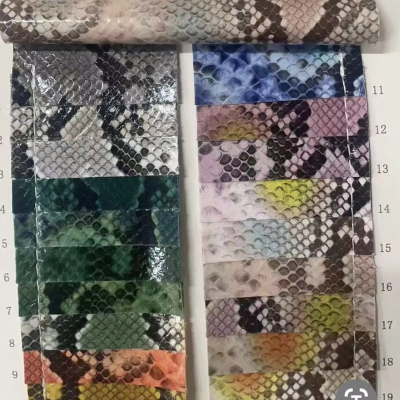


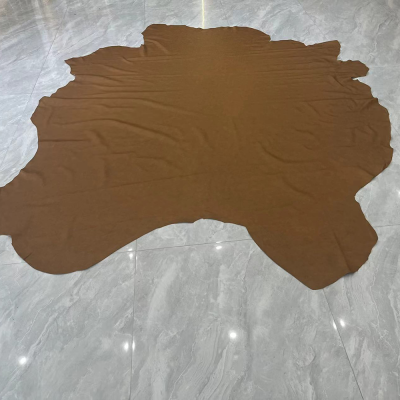
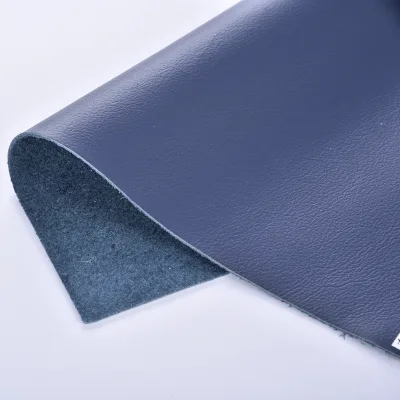
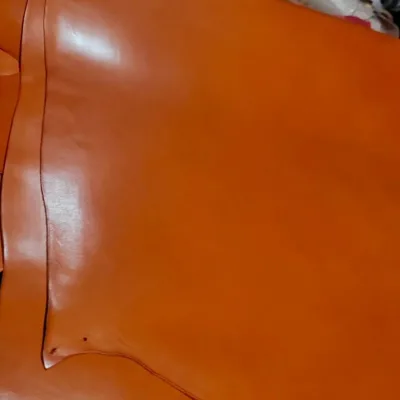
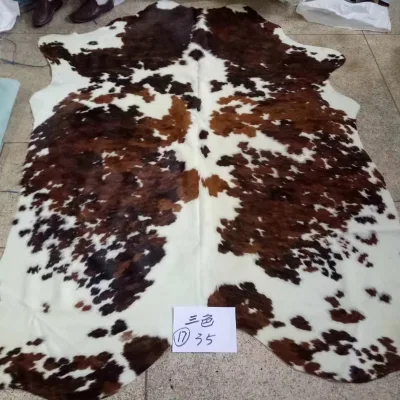
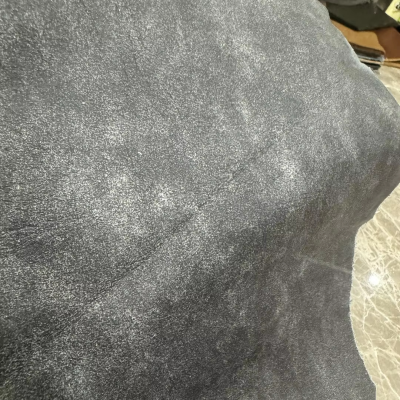
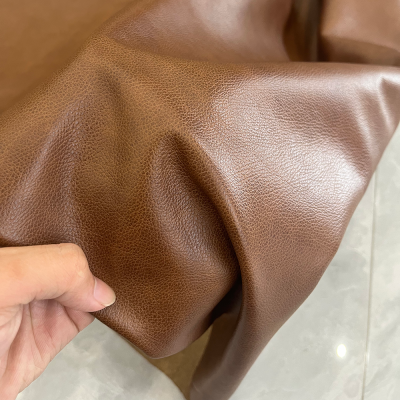


Comprehensive Sourcing Guide
Genuine Leather Supplier Concentration and Factory Types
Current data indicates a concentration of suppliers in Shanghai, China, offering a mix of combined entities and trading companies. These suppliers list main products ranging from synthetic leather and microfiber fabrics to Genuine Leather for garments, shoes, and car seats. Some facilities specialize in specific applications like gloves, mittens, fur rugs, and sheepskin linings, while others focus on furniture and office chair upholstery. The presence of combined company types suggests some entities manage both manufacturing and trading operations, whereas trading companies primarily facilitate the movement of goods from various origins.
Buyers should verify the specific factory type against their sourcing needs, as combined entities may offer more direct production control while trading companies might provide broader product variety. The observed locations are limited to Shanghai and Xinjiang, with some origins noted as Henan for specific sheepskin products. When evaluating clusters, look for suppliers explicitly stating their place of origin in product attributes rather than assuming a regional hub. If a supplier does not list a specific city or province, request this information to confirm their proximity to raw material sources or manufacturing hubs.
How to Verify Genuine Leather Suppliers
Verification status is a critical first step in assessing supplier reliability, with some entities holding TUVRHEINLAND or Intertek certifications. These third-party validations provide a baseline of trust regarding business operations and product quality standards. However, not all suppliers display system certifications, and some may list them as NIL. Buyers must check the verification badge directly on the supplier profile rather than relying on product descriptions alone. A verified status does not guarantee product quality but indicates the business entity has undergone a specific audit process.
Beyond verification badges, examine the product evidence for specific material claims such as "Genuine Leather," "Full Grain," or "Sheep Skin." Some listings explicitly state the material as "Semi Pu" or "Synthetic Fiber Fabric," which contradicts a Genuine Leather claim. Cross-reference the product attributes with the main product list to ensure consistency. If a supplier claims to be a Genuine Leather expert but lists synthetic materials as their primary output, this discrepancy requires immediate clarification. Always request physical samples or third-party test reports to confirm the material composition before committing to an order.
What to Compare Across Genuine Leather Suppliers
When comparing suppliers, focus on tangible operational metrics like lead time, minimum order quantity, and response speed. Observed lead times vary significantly, with some suppliers offering 15-day delivery windows while others require 20 to 30 days. Minimum order quantities also differ, ranging from a single piece for custom garment leather to 300 meters for fabric rolls. Response times are another key differentiator, with some suppliers responding within two hours and others taking over twelve hours. These factors directly impact your production schedule and inventory planning.
Price is another critical comparison point, with observed ranges spanning from approximately $1.63 to $10.00 per unit depending on the product type and specifications. Some suppliers offer free A4 samples, while others require payment for samples or have specific packing requirements like rolls or customer-requested formats. Evaluate the total cost of ownership, including shipping and potential customs duties, rather than just the unit price. Additionally, compare customization capabilities, as some suppliers offer full OEM/ODM services while others have limited pattern or size options.
Common Genuine Leather Sourcing Risks
One significant risk involves the misidentification of material types, where synthetic or semi-Pu products are marketed under generic leather terms. Product attributes sometimes list "Semi Pu" or "Synthetic Fiber Fabric" alongside keywords like "Genuine Leather," creating confusion about the actual composition. Buyers must scrutinize the "Material" field in product attributes to distinguish between real cowhide, sheepskin, and artificial alternatives. Relying solely on product titles or keywords without verifying the specific material attribute can lead to receiving non-compliant goods.
Another risk is the inconsistency in delivery timelines and order fulfillment capabilities. While some suppliers promise 15-day delivery, others list 30 days, and lead times may fluctuate based on order volume or raw material availability. The minimum order quantity of 300 meters for some fabric products may be prohibitive for small buyers, whereas a 1-piece MOQ for garment leather offers flexibility. Verify the supplier's capacity to handle your specific order size and timeline before finalizing agreements. Inconsistent packing standards, such as "Ref to Customer Request" versus standard rolls, can also lead to logistical complications upon arrival.
Genuine Leather Regional Sourcing and Logistics
Geographic origin plays a vital role in sourcing strategies, with current data highlighting Shanghai, Xinjiang, and Henan as key production areas. Shanghai-based suppliers often handle synthetic and microfiber products, while Xinjiang is noted for Genuine Leather used in garments and shoes. Henan appears as a source for sheepskin products intended for furniture and handbags. Understanding these regional specializations helps buyers align their sourcing with the most appropriate supply chain nodes. If a supplier does not specify their origin, request this detail to assess logistics costs and potential trade barriers.
Logistics planning must account for the specific packing requirements and shipping distances associated with each region. Some products are packed in standard rolls, while others require custom packaging based on customer requests. The effective width of the material, such as 1370mm or 1420mm, also influences shipping efficiency and waste reduction during cutting. Buyers should calculate freight costs based on the volume and weight of the specific product dimensions. For international orders, verify if the supplier handles export documentation and if the origin country has any specific export restrictions on leather goods.
Genuine Leather Commercial Terms and Order Planning
Commercial terms vary widely among suppliers, particularly regarding minimum order quantities and sample policies. Some suppliers accept orders as low as one piece, ideal for prototyping or small batch production, while others enforce a 300-meter minimum for fabric rolls. Sample availability is another variable, with some offering free A4 samples and others charging for samples or requiring specific payment terms. Clearly define your order volume requirements before contacting suppliers to ensure they can meet your needs without excessive minimums.
Payment and delivery terms should be explicitly agreed upon before production begins. Lead times range from 15 to 30 days, and these durations must be factored into your overall project timeline. Some suppliers offer customization services, including logo printing and pattern embossing, which may extend the production schedule. Verify the specific delivery time for customized orders, as these often differ from standard stock items. Additionally, confirm the packing method and whether it aligns with your downstream logistics capabilities to avoid unexpected handling costs or delays upon arrival.
FAQs
What is the typical lead time for Genuine Leather orders?
Typical lead times range from 15 to 30 days depending on the supplier and order volume. Some manufacturers offer faster delivery for standard items, while custom orders may require additional processing time. Buyers should confirm specific timelines with the supplier before placing orders to ensure timely delivery.
What is the minimum order quantity for Genuine Leather?
Minimum order quantities vary significantly, starting from just one piece for some suppliers up to 300 meters for others. Many manufacturers offer low MOQs to accommodate small businesses, while larger orders may benefit from volume discounts. Always verify the specific MOQ requirements with the supplier before proceeding.
How quickly do suppliers respond to inquiries?
Response times generally range from 2 to 12 hours for Genuine Leather inquiries. Faster response times often indicate more active sales teams and better customer service. Buyers should prioritize suppliers with quick response times to ensure efficient communication throughout the sourcing and negotiation process.
Where are Genuine Leather suppliers primarily located?
Suppliers are primarily located in China, with specific hubs in Shanghai and Xinjiang. These regions offer established manufacturing infrastructure and access to raw materials. Buyers should consider location when evaluating shipping costs and lead times for their specific sourcing requirements.
What certifications do Genuine Leather suppliers hold?
Verification services include TÜV Rheinland and Intertek for some suppliers. System certifications may not be explicitly listed for all manufacturers. Buyers should request specific certification documents directly from suppliers to ensure compliance with their quality and safety standards.
What is the price range for Genuine Leather?
Prices typically range from $1.64 to $10.00 per unit depending on material quality and specifications. Factors such as thickness, finish, and customization options influence the final cost. Buyers should compare multiple quotes to ensure competitive pricing for their specific requirements.