Source eco-friendly indoor pine timber for furniture, cabinetry, and flooring
Compare 30 listings for eco-friendly indoor pine timber from Chinese manufacturers. Buyers can evaluate specifications like thickness, core materials, and bonding strength to find suitable options for furniture, cabinetry, and flooring projects.
Key considerations
Products List


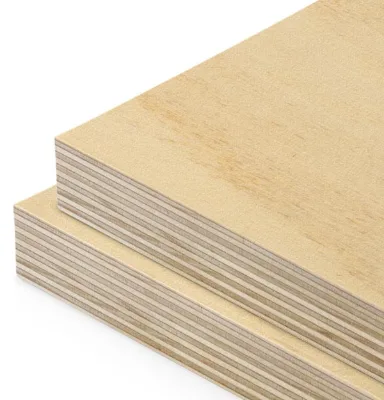
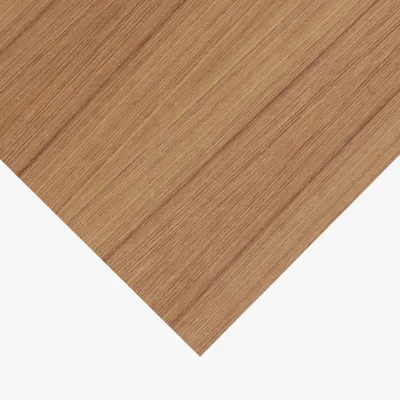


Eco-Friendly Solid Pine Wood Lumber with Smooth Surface for Furniture
$520.00 - $580.00
MOQ: 5 Cubic Meter


Comprehensive Sourcing Guide
Sourcing Guide for Eco-Friendly Indoor Pine Timber
Understanding Material Composition and Core Variants
When sourcing eco-friendly indoor pine timber, the primary objective is to identify products that balance structural integrity with environmental responsibility. The market offers a diverse range of plywood configurations, and understanding the core composition is the first step in the evaluation process. In the current supply landscape, pine is frequently utilized as a primary face veneer material, often paired with various core structures to enhance stability and load-bearing capacity. Buyers must distinguish between solid pine panels and composite plywood systems where pine serves as the decorative surface.
The core materials available in the market vary significantly, influencing both the weight and the acoustic properties of the final product. Common core options include poplar, hardwood, birch, and eucalypts, which can be selected based on specific project requirements. Some manufacturers offer combi cores that mix different wood species to optimize cost and performance. Additionally, specialized cellular board cores are available, providing unique insulation properties that may be beneficial for specific indoor applications. The density of these materials is a critical metric; observed ranges indicate densities between 520-590kg/M3 for certain veneer boards, while other high-density variants may exceed 0.88g/Cm.
Grain patterns also play a substantial role in the aesthetic and functional selection of pine timber. Buyers should be aware that pine timber is available in both straight grain and angle grain configurations. Straight grain offers a classic, uniform appearance suitable for traditional furniture and cabinetry, whereas angle grain can provide a more dynamic visual texture for modern interior designs. The moisture content is another technical specification that requires verification, with standard ranges typically falling between 8% and 14% to ensure dimensional stability in indoor environments.
Technical Specifications and Dimensional Standards
Precision in technical specifications is paramount when ordering bulk quantities of timber products. The dimensions of the panels directly impact cutting efficiency, waste reduction, and installation logistics. Standard sheet sizes observed in the market include 12202440mm and 12502500mm, with custom dimensions often available to meet specific architectural needs. Thickness is a variable that spans a wide spectrum, ranging from thin sheets of 2.0mm up to heavy-duty panels of 40mm. For indoor furniture applications, thicknesses between 16mm and 25mm are frequently utilized, while structural applications may require the full 40mm range.
The ply count is another critical specification that defines the layering structure of the plywood. Products are available in various ply counts, such as 9-ply and 13-ply configurations. A 13-ply structure generally offers superior rigidity and resistance to warping, making it suitable for high-stress indoor applications like shelving or flooring underlayment. In contrast, 9-ply options may be preferred for lighter-duty furniture or decorative panels where weight is a concern. The bonding strength is equally important, with classifications ranging from I(NQF) to Ⅲ(Nc), indicating different levels of water resistance and adhesive durability. For indoor use, ensuring the correct bonding strength class is essential to prevent delamination over time.
Width specifications can also vary, with some specialized products offering widths between 600mm and 1050mm, deviating from the standard sheet format. This flexibility allows for custom joinery and reduced seam lines in large installations. Buyers should verify that the product model, such as Ply-P06 or DFW-Plywood, aligns with the specific dimensional requirements of their project. The ability to cut plywood into specific sizes is a common service offered, allowing for a reduction in on-site waste and labor costs.
Compliance, Environmental Standards, and Certification Verification
The term "eco-friendly" in the timber industry is often associated with formaldehyde emission standards and sustainable sourcing practices. Buyers must rigorously verify the environmental claims made by suppliers. Formaldehyde emission standards are a critical compliance metric, with observed classifications including EGrade:Grade One and EGrade:Excellent Grade. These grades indicate the level of volatile organic compounds (VOCs) released by the adhesive used in the plywood manufacturing process. For indoor applications, selecting products that meet the highest emission standards is essential to ensure indoor air quality and occupant health.
Certification status is another area requiring careful scrutiny. While FSC certification is a widely recognized benchmark for sustainable forestry, its presence in the supply chain varies and should not be assumed without verification. Buyers should request current certification documents to confirm that the timber originates from responsibly managed forests. Additionally, product standards such as CE, SGS, and ISO are frequently cited as compliance markers. These standards often encompass quality management systems, product safety, and environmental performance. It is crucial to distinguish between voluntary certifications and mandatory regulatory requirements for the target market.
The origin of the timber also influences the regulatory landscape. Products originating from China, and specifically regions like Shandong, are common in the global market. However, the specific environmental regulations of the destination country must be met. Buyers should ensure that the supplier can provide test results or certificates of analysis that validate the formaldehyde levels and other chemical properties against local building codes. The absence of burl in the veneer is another quality indicator, suggesting a focus on uniformity and aesthetic consistency, which is often a requirement for high-end interior finishes.
Cost Drivers and Economic Considerations
The pricing of eco-friendly indoor pine timber is influenced by a complex interplay of factors, including raw material costs, processing complexity, and logistics. The observed price range in the market spans from 5 to 856 USD, reflecting the vast diversity in product quality, thickness, and customization levels. Thicker panels, those with higher ply counts, or those featuring exotic face veneers like Okoume or Bintangor will naturally command higher prices. Conversely, standard poplar cores with pine face veneers in common thicknesses may fall on the lower end of the spectrum.
Minimum Order Quantity (MOQ) is a significant economic driver for buyers. The market shows an MOQ range from 5 to 1000 pieces, with some specialized orders requiring quantities as high as 2000 pieces. High MOQs can be a barrier for small-scale projects but often result in lower unit costs for bulk purchasers. Buyers should negotiate based on their volume requirements and consider the total landed cost, which includes shipping, insurance, and potential tariffs. The packing method also impacts cost; options range from carton packing and loose loading to extra strong export pallets. While palletized shipping is more expensive, it reduces the risk of damage during transit and simplifies handling at the destination.
Customization is a key cost variable. Products that require specific sizes, such as cutting into custom dimensions, or those with unique melamine colors like Red, Yellow, or Cherry, will incur additional processing fees. The bonding strength class and the specific core material selected also contribute to the final price. Buyers should request detailed quotations that break down these variables to understand the true cost drivers. It is advisable to compare multiple suppliers not just on unit price but on the total value proposition, including lead times, payment terms, and after-sales support.
Typical Applications and Functional Performance
Eco-friendly indoor pine timber is versatile and finds application in a wide array of interior settings. The combination of pine face veneers with various core materials makes it suitable for furniture manufacturing, including cabinets, wardrobes, and tables. The straight grain and angle grain options allow designers to achieve different aesthetic effects, from rustic to contemporary. The moisture content range of 8%-14% ensures that the wood remains stable in typical indoor climate conditions, minimizing the risk of expansion or contraction.
Beyond furniture, this material is often used in decorative timber applications, such as wall paneling and ceiling treatments. The availability of melamine finishes in various colors expands the design possibilities, allowing for seamless integration with existing interior color schemes. The bonding strength classifications, such as Ⅱ(Ns) and Ⅲ(Nc), indicate that certain grades are suitable for environments with higher humidity, making them appropriate for kitchens and bathrooms, provided the specific grade is selected. The cellular board core option offers additional acoustic insulation, which is beneficial for office partitions and residential soundproofing.
The specifications of 1220244018mm and similar dimensions make these panels ideal for standard construction and renovation projects. The ability to cut the plywood into size allows for efficient use of materials in custom-built installations. The "Indoor" usage classification confirms that these products are designed for protected environments, shielding them from direct weather exposure. However, the availability of "Outdoor" usage attributes in some product lines suggests that certain pine timber variants may possess enhanced durability, though buyers should verify the specific treatment and bonding strength before applying them to exterior or semi-exterior applications.
Supplier Evaluation and Quality Control Protocols
Selecting a reliable supplier is critical to ensuring the consistency and quality of the timber products. Buyers should evaluate suppliers based on their production capabilities, quality control systems, and adherence to stated standards. The presence of certifications like CE, SGS, and ISO is a positive indicator, but these should be verified against the specific product batch. Suppliers should be able to provide documentation that confirms the formaldehyde emission standards and the specific core composition of the panels.
Quality control should be an integral part of the procurement process. Buyers must verify the density, moisture content, and bonding strength of the received goods against the agreed specifications. The absence of burl and the consistency of the grain pattern are visual indicators of quality that should be inspected upon delivery. The packing method, whether it is loose packing, carton packing, or strong pallets, should be assessed to ensure that the products arrive in good condition. Extra strong export pallets are generally recommended for international shipments to prevent damage.
Lead times and production capacity are also key factors in supplier evaluation. While specific lead times vary, buyers should establish clear expectations regarding delivery schedules. The ability to meet MOQ requirements without compromising quality is another important criterion. Suppliers that offer customization services, such as cutting into specific sizes or applying specific melamine colors, should be evaluated on their ability to maintain precision and consistency. Building a long-term relationship with a supplier who demonstrates reliability and transparency can lead to better pricing and priority service in the future.
Long-Term Procurement and Sustainability Strategy
Adopting a long-term procurement strategy for eco-friendly indoor pine timber involves more than just securing a single order. It requires a commitment to sustainability, quality assurance, and supply chain resilience. Buyers should prioritize suppliers who demonstrate a clear understanding of environmental standards and are willing to provide ongoing verification of their compliance. The trend towards higher formaldehyde emission standards, such as EGrade:Excellent Grade, indicates a market shift towards healthier indoor environments, and suppliers should be aligned with this trajectory.
Sustainability is not limited to the wood source but extends to the entire production process. Buyers should inquire about the adhesive systems used, ensuring they are low-VOC and environmentally friendly. The use of poplar, pine, and other fast-growing species as core materials can contribute to a more sustainable supply chain, provided these resources are managed responsibly. The ability to customize products reduces waste by allowing for precise cutting and efficient material usage, which aligns with broader sustainability goals.
Future-proofing the procurement strategy involves staying informed about evolving regulations and market trends. As environmental standards become more stringent, buyers should be prepared to adapt their specifications accordingly. Building a diverse supplier base can mitigate risks associated with supply chain disruptions. Regular audits and quality checks should be part of the ongoing relationship with suppliers to ensure that the products continue to meet the required standards. By focusing on these long-term considerations, buyers can secure a steady supply of high-quality, eco-friendly indoor pine timber that meets both functional and environmental objectives.
FAQs
What core materials are available for eco-friendly indoor pine timber?
Core materials include poplar, hardwood, birch, eucalypts, and combi options. Some specialized variants feature cellular board cores for enhanced insulation properties in indoor applications.
Which formaldehyde emission standards apply to this plywood?
Products meet EGrade:Grade One and EGrade:Excellent Grade standards. These classifications ensure low volatile organic compound emissions suitable for indoor air quality requirements.
Can I find pine timber with specific thickness specifications?
Yes, thickness ranges from 2.0mm to 40mm depending on the product model. Indoor furniture often utilizes 16mm to 25mm panels for optimal structural balance.
How is the bonding strength classified for indoor use?
Bonding strength is classified as I(NQF), II(Ns), or III(Nc). These grades indicate varying levels of water resistance and adhesive durability for different indoor environments.
What packing options are available for export shipments?
Options include extra strong export pallets, carton packing, and loose loading. Strong pallets are recommended to reduce transit damage risks during international shipping.