Source eco-friendly indoor outdoor rodent barriers for gardens, warehouses, and homes
Find 30 eco-friendly indoor outdoor rodent barriers designed for gardens, warehouses, and homes. Buyers can compare specifications, materials, and prices for live catch traps and rodent barriers from verified suppliers.
Key considerations
Products List
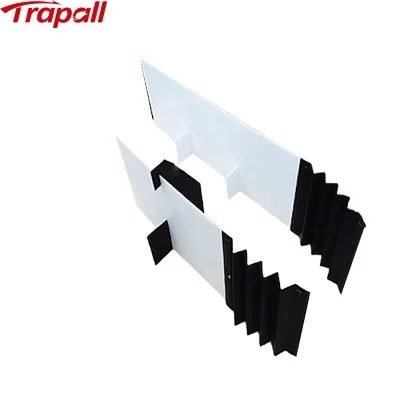
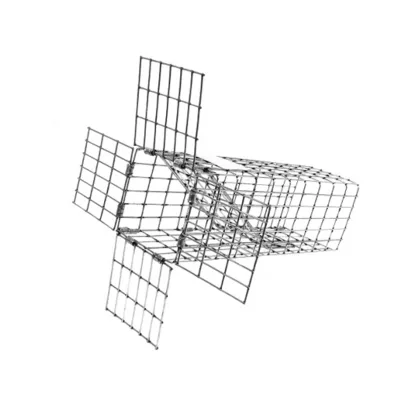
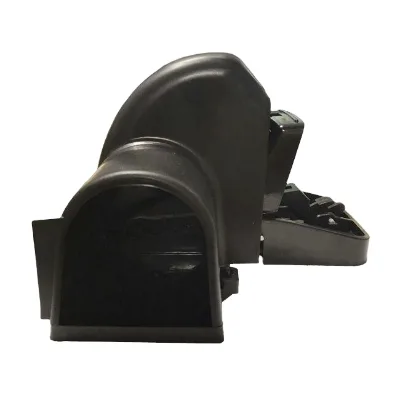


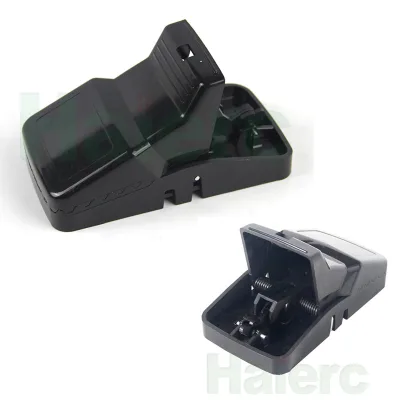
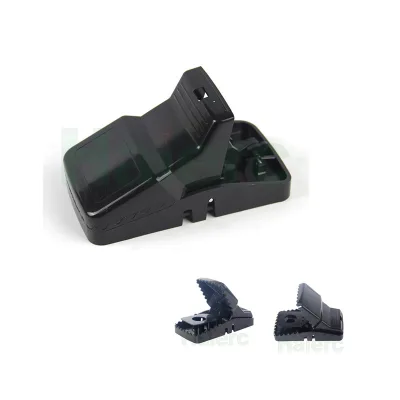
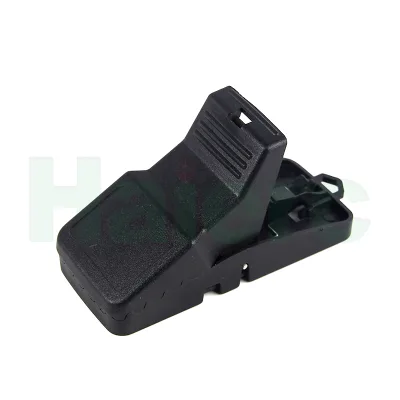
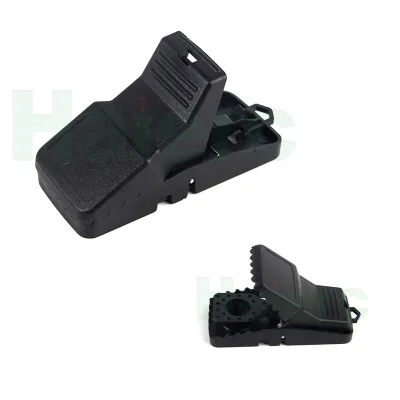
Home Use Sanitary Mouse Trap Plastic Rodent Trap
$0.42 - $0.46
MOQ: 1000 Pieces
Wenzhou Huanting Environmental Protection Technology Co., Ltd.


Eco-Friendly Humane Mouse Trap for Safe Rodent Control
$1.10 - $1.50
MOQ: 4008 Pieces
Dongguan Baikang Environmental Protection Technology Co., Ltd.


Eco-Friendly Rodent Trap for Safe Home Pest Control
$1.10 - $1.50
MOQ: 4008 Pieces
Dongguan Baikang Environmental Protection Technology Co., Ltd.

Eco-Friendly 3D Wire Mesh Curved Steel Outdoor Fence for Rodent Protection
$1.30 - $2.89
MOQ: 100 Square Meters


Eco-Friendly Rechargeable Mouse Trap Rat Trap for Indoor Rodent Mouse Control
$12.58 - $15.98
MOQ: 1000 Pieces





Comprehensive Sourcing Guide
Eco-Friendly Indoor Outdoor Rodent Barriers Sourcing Guide
Sourcing effective rodent control solutions requires a clear understanding of the distinction between exclusion barriers and active trapping mechanisms. The market offers a diverse range of products designed to manage pests such as rats, mice, and squirrels, with a growing emphasis on eco-friendly materials and reusable designs. Buyers must navigate between passive barriers that seal entry points and active traps that capture or remove animals, ensuring the selected product aligns with the specific pest pressure and environmental constraints of the end-use location.
This guide focuses on the procurement of rodent barriers and traps that are suitable for both indoor and outdoor applications. By analyzing observed listing signals, technical specifications, and commercial terms, buyers can make informed decisions that balance efficacy, durability, and cost. The following sections provide a structured approach to evaluating suppliers and products, ensuring that the final selection meets the rigorous demands of commercial and residential pest management.
Product Scope and Observed Listing Signals
The current market landscape for rodent control products includes a variety of items categorized under barriers, traps, and accessories. Observed listings indicate a significant presence of products labeled as "Rodent Barriers" and "One Way Door Rodent Traps," which serve different functions in pest management. Barriers are typically designed to seal holes and prevent entry, while one-way doors allow animals to exit but not re-enter, offering a humane approach to removal. These products are often marketed as eco-friendly, appealing to buyers who prioritize sustainable and non-toxic solutions over chemical deterrents.
Material composition plays a crucial role in the durability and suitability of these products for various environments. Listings reveal the use of materials such as plastic, alloy steel, and PC (polycarbonate), each offering distinct advantages in terms of strength, weather resistance, and weight. For instance, alloy steel traps provide robustness for catching larger rodents, while plastic barriers may offer flexibility and ease of installation for sealing irregular gaps. Buyers should carefully review the material specifications to ensure the product can withstand the intended indoor or outdoor conditions without degrading prematurely.
Technical Specifications to Verify
When evaluating rodent barriers and traps, precise dimensional and weight specifications are critical for ensuring proper fit and functionality. Products vary significantly in size, with single package dimensions ranging from compact units measuring 20x4.7x10cm to larger barriers spanning 41x25x153 cm. Buyers must verify that the selected product dimensions match the physical constraints of the installation site, whether it is a small indoor gap or a large outdoor foundation opening. Additionally, the gross and net weights of the products, which range from 0.5 kg to 0.9 kg, should be considered for shipping costs and ease of handling during installation.
Model numbers and specific product attributes provide further clarity on the intended use and target pests. For example, models like ATPL7259-w and ATM3083-s are associated with specific functions such as sealing holes or catching mice, while others are designed for broader rodent control. Buyers should confirm that the product’s target pests, which may include rats, mice, squirrels, and chipmunks, align with the local pest profile. Furthermore, features such as being non-rechargeable, solid state, and available in colors like black, white, or silver can influence aesthetic integration and operational requirements.
Compliance and Safety Documentation
While specific certification statuses are not universally disclosed in all listings, buyers must prioritize products that adhere to safety and environmental standards. Eco-friendly claims should be substantiated by the use of non-toxic materials and designs that minimize harm to non-target species, including pets and wildlife. For products marketed as live catch traps, it is essential to verify that the mechanism ensures humane handling and that the product includes clear instructions for safe release or disposal. Buyers should request documentation from suppliers regarding material safety data sheets (MSDS) and any relevant environmental compliance certificates.
Safety considerations also extend to the installation and use of the products, particularly in indoor environments. Products made from materials like PC or alloy steel should be free from sharp edges or hazardous coatings that could pose risks to humans or animals. Buyers should ensure that the product design includes features that prevent accidental injury during handling or operation. Additionally, for products used in outdoor gardens or commercial settings, compliance with local pest control regulations and zoning laws may be required, necessitating verification of the product’s legal status in the target market.
Cost Drivers and Commercial Terms
The cost of rodent barriers and traps is influenced by several factors, including material quality, manufacturing complexity, and order volume. Observed price ranges in the market vary widely, reflecting differences in product features and supplier pricing strategies. Buyers should consider the total cost of ownership, which includes not only the unit price but also shipping costs, import duties, and potential returns due to product failure. High-volume orders may offer economies of scale, but buyers must balance cost savings with the need for consistent quality and timely delivery.
Minimum Order Quantities (MOQs) and lead times are critical commercial terms that impact procurement planning. Listings indicate MOQs ranging from 1 to 10,000 units, allowing for flexibility in order sizes based on buyer needs. However, smaller orders may incur higher per-unit costs, while larger orders require careful inventory management to avoid excess stock. Buyers should negotiate clear terms regarding payment methods, shipping responsibilities, and return policies to mitigate financial risks. Additionally, customization options may be available for bulk orders, allowing buyers to tailor products to specific branding or functional requirements.
Supplier Qualification and Quality Control
Selecting a reliable supplier is paramount to ensuring the quality and consistency of rodent control products. Buyers should verify the supplier’s location, with many products originating from regions like Fujian, China, known for manufacturing expertise in plastic and metal goods. Due diligence should include assessing the supplier’s production capacity, quality control processes, and track record in the pest control industry. Requesting samples before placing large orders allows buyers to physically inspect the product’s build quality, material integrity, and functional performance.
Quality control measures should be established to monitor product consistency and address any defects or performance issues. Buyers should implement incoming inspection protocols to check for dimensional accuracy, material defects, and packaging integrity. For products with specific features like one-way doors or sealing mechanisms, functional testing is essential to ensure they operate as intended. Establishing a clear communication channel with the supplier for feedback and issue resolution helps maintain high standards and fosters a long-term partnership based on mutual trust and reliability.
Long-Term Procurement Checks
Sourcing rodent control products is an ongoing process that requires regular review and adaptation to changing market conditions and pest pressures. Buyers should periodically reassess their supplier base to ensure continued compliance with quality and ethical standards. Monitoring market trends for new eco-friendly materials or innovative trap designs can provide opportunities to enhance product offerings and stay competitive. Additionally, staying informed about regulatory changes in pest control and environmental protection helps buyers avoid compliance risks and align their procurement strategies with industry best practices.
Feedback from end-users and field performance data are valuable indicators of product effectiveness and customer satisfaction. Buyers should collect and analyze this information to identify areas for improvement and make informed decisions about future purchases. Building a robust supply chain involves diversifying suppliers to mitigate risks associated with single-source dependencies and ensuring backup options are available in case of disruptions. By maintaining a proactive approach to procurement, buyers can secure a steady supply of high-quality rodent barriers and traps that meet the evolving needs of their customers.
FAQs
What materials are used for eco-friendly indoor outdoor rodent barriers?
These barriers are constructed from plastic, alloy steel, or PC materials to ensure durability. The product features an eco-friendly design suitable for both indoor and outdoor environments while targeting pests like rats and mice effectively.
Which trap types are available for catching mice and rats?
Available options include live catch traps and one-way door rodent traps designed for removal. These units function to catch or remove mice, squirrels, and chipmunks without requiring rechargeable power sources for operation.
Can these barriers be used in all seasons and locations?
Yes, the products are designed for all-season use in both indoor and outdoor settings. They are suitable for application in outdoor gardens and general areas where rodent control is necessary for commercial buyers.
How do the dimensions vary across different rodent barrier models?
Package sizes vary significantly, ranging from 26x21x16 cm to 41x25x153 cm depending on the specific model. Single gross weights also differ, typically falling between 0.700 kg and 0.900 kg for standard units.
What customization options exist for eco-friendly indoor outdoor rodent barriers?
Customization is available for buyers seeking specific product configurations. These barriers often feature advantages like sealing holes and come in colors such as black, silver, or black and white to match various aesthetic needs.
Which commercial buyers typically purchase these rodent control products?
E-commerce stores and department stores are the primary commercial buyers for these items. The products are categorized as accessories or traps and are often sold as single items with specific model numbers like ATPL7259-w.