Source eco-friendly household shower filter for Bathrooms, Gyms, and Hotels
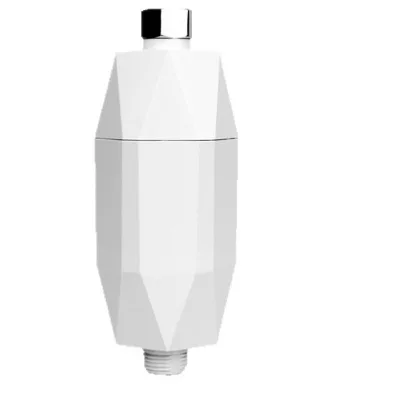
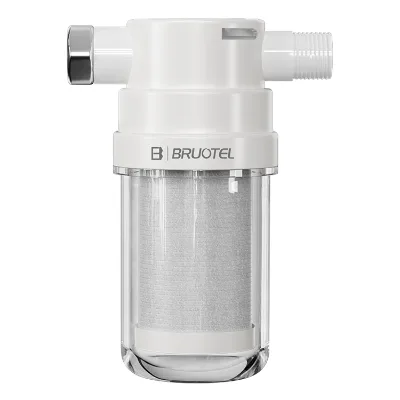
Explore 30 listings of eco-friendly household shower filter options designed for bathrooms, gyms, and hotels. Buyers can compare features like activated carbon filtration, compact designs, and sediment removal capabilities from verified Chinese manufacturers.
Key considerations
Products List


Bath Water Filter Shower Water Filter
$2.80 - $4.50
MOQ: 1 Pieces
Changsha Pasteur Environmental Protection Technology Co., Ltd




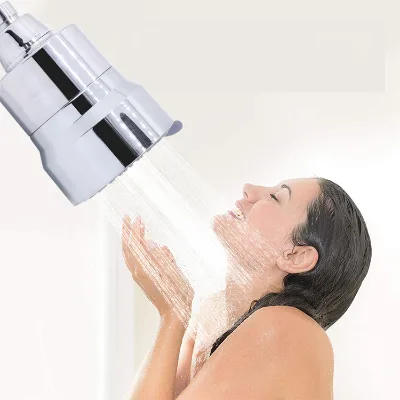
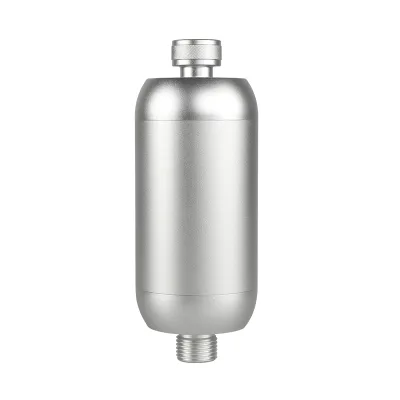
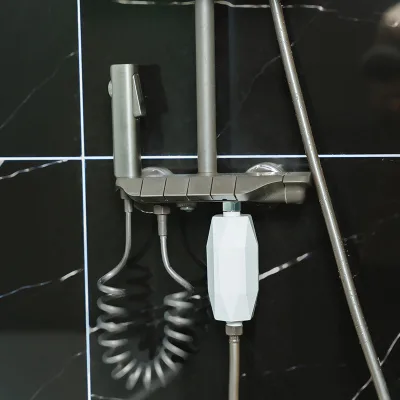
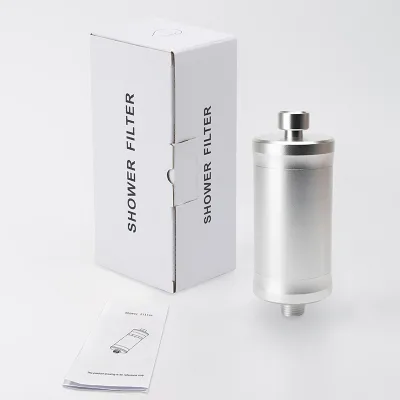


Comprehensive Sourcing Guide
Strategic Sourcing Guide for Eco-Friendly Household Shower Filters
Understanding the Product Landscape and Technical Variants
The global market for household water filtration has expanded significantly, driven by consumer demand for eco-friendly solutions that reduce plastic waste and improve water quality without relying on complex plumbing modifications. When sourcing an eco-friendly household shower filter, buyers must first navigate a diverse array of technical configurations. The core keyword implies a device designed specifically for shower applications, yet the supply chain often presents a mix of product types that may or may not fit this specific use case. Based on available market data, the category includes products explicitly labeled as "Shower" filters, but also encompasses "Faucet Water Filters," "PP Filters," and "Activated Carbon Filters" that require careful differentiation.
A critical technical distinction lies in the filtration grade and media. The supply chain features "Medium Filter" grades utilizing "Activated Carbon" as a primary media type, which is essential for reducing chlorine and organic compounds often found in municipal tap water. Some units are described as "Compact" in design, optimizing space within standard shower enclosures. However, buyers must be vigilant regarding the "Filtration Grade" and "Filter Media" specifications. While some products utilize "Carbon" or "Resin" media, others may list "Carbon / Ceramic" combinations. The "Operating Principle" for many of these units is based on activated carbon adsorption, which is the standard for improving water taste and odor.
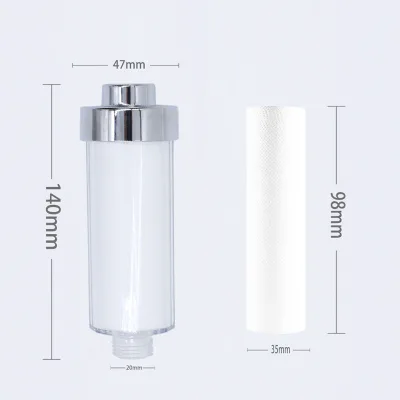
The physical construction of these filters varies significantly. Materials range from "Metal" to "ABS" plastic, with some units featuring a "Silver" finish. The "Pipe Design Rate" is another critical technical attribute; some models offer "Self-Cleaning" capabilities, while others utilize an "Incremental" design. This distinction affects long-term maintenance and the eco-friendly nature of the product, as self-cleaning mechanisms can extend the lifespan of the filter media. Furthermore, the "Water Temperature" tolerance is a vital specification. While some units are rated for "Cold & Hot" or "Warm & Hot" water, others may be limited to specific temperature ranges. Buyers must verify that the selected filter can withstand the thermal stress of a typical shower environment without degrading the filter media or the housing material.
Compliance, Certification, and Regulatory Verification
In the B2B procurement of water filtration devices, compliance with international safety and environmental standards is non-negotiable. The supply chain for these products, particularly those originating from major manufacturing hubs in China, often includes certifications such as "CE" and "RoHS." These certifications indicate that the product meets European Union standards for health, safety, and environmental protection. Specifically, RoHS compliance ensures that the product does not contain restricted hazardous substances, which aligns with the "eco-friendly" premise of the core keyword.
However, the presence of a certification label does not guarantee universal applicability. Buyers must verify that the "Certification" status applies specifically to the shower filter variant being sourced, as some suppliers may list certifications for a broader product line that includes faucet purifiers or table-top units. The "Standard" designation for these products often references specific model numbers, such as "BSD-HF" or "BSD-WF," or general descriptions like "multi stage." It is crucial to understand that a "multi stage" filtration system implies a specific sequence of filtration layers, which may differ from single-stage activated carbon units.
When evaluating compliance, buyers should also consider the "Water Purification Efficacy" claims. Some products are marketed with the capability to produce "Straight Drink" water, while others explicitly state "Not Straight Drink." For a shower filter, the primary function is typically the removal of sediments, rust, and chlorine to protect skin and hair, rather than potable water production. Therefore, a product claiming "Straight Drink" efficacy might be over-engineered or mislabeled for a shower application. Conversely, a product designed for "Faucet-Mounted" use with "Bacteria" removal capabilities may not be optimized for the high-flow, high-temperature environment of a shower.
Buyers must also scrutinize the "Product Origin" and "Place of Origin" details. While many products originate from "Ningbo, China" or "Changsha," the specific manufacturing location can influence the consistency of quality control and adherence to local environmental regulations. The "prod_standard" field often mirrors the model number, suggesting that the standard is model-specific rather than a universal industry standard. This necessitates a request for specific test reports or certification documents that correspond to the exact model number (e.g., "RY-75" or "RY-67") rather than relying on general category claims.
Cost Drivers and Pricing Dynamics
The pricing structure for eco-friendly household shower filters is influenced by several key factors, including material composition, filtration complexity, and packaging requirements. The observed price range in the market spans from $1.80 to $129.00 USD. This wide variance indicates a highly segmented market where low-cost, basic units coexist with premium, multi-stage systems. The lower end of the spectrum typically corresponds to simple "PP Filter" or basic "Activated Carbon Filter" units with minimal housing complexity. In contrast, the higher price points often reflect advanced features such as "Self-Cleaning" pipe designs, "Carbon / Ceramic" media combinations, and robust "Metal" construction.
Material costs play a significant role in pricing. Units constructed from "ABS" plastic are generally more affordable than those using "Metal" housings, which offer greater durability and a premium aesthetic. The "Filter Media" is another major cost driver; "Resin" and standard "Carbon" media are cost-effective, while specialized "Ceramic" or multi-layered carbon blends command higher prices. Additionally, the "Descaling Function" can impact the cost. Products offering a "Descaling Function" may utilize more complex internal mechanisms or specialized media, whereas units listed as "Without Descaling Function" are typically simpler and less expensive.
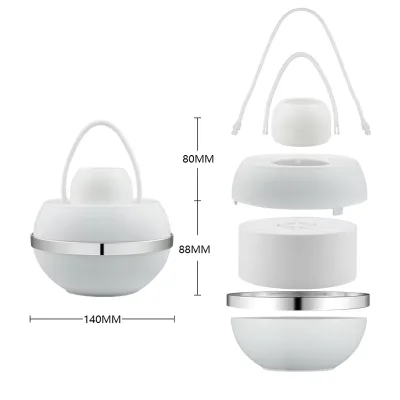
Packaging and branding also contribute to the final cost. Some suppliers offer "Carton" packaging, which is standard for bulk shipping, while others provide "Gift Box / Master Carton" or "Gift Bo / Master Carton" options. These premium packaging solutions increase the unit cost but may be necessary for retail-ready products targeting high-end consumer markets. The "Style for Purifier" is another variable; "Portable" or "Table Top" styles may have different manufacturing costs compared to fixed "Shower" or "Faucet-Mounted" units.
Buyers should also consider the "MOQ" (Minimum Order Quantity) as a cost driver. The observed MOQ range is 1 to 2000 units. High-volume orders often benefit from economies of scale, potentially lowering the per-unit cost. However, the specific MOQ may vary by model and customization requirements. For instance, "OEM" and "ODM" support, which are available for many products, may require higher MOQs to justify the tooling and setup costs. Understanding the relationship between price, MOQ, and customization is essential for developing a cost-effective procurement strategy.
Typical Applications and Functional Suitability
The application of eco-friendly household shower filters extends beyond simple water filtration; it encompasses health, environmental, and lifestyle considerations. The primary application is for "Household" use, specifically targeting "Tap Water" sources from "Municipal Tap Water." These filters are designed to "Block Sediments and Rusts From Tap Water," improving water clarity and reducing the load of particulate matter that can clog showerheads and irritate skin. The "Function" of these units is often to remove chlorine and other chemicals that can dry out skin and hair, aligning with the eco-friendly goal of reducing the environmental impact of harsh chemicals on water systems.
However, buyers must carefully match the product's intended application to their specific needs. While some products are explicitly labeled for "Shower" use, others are designed for "Faucet-Mounted" applications or "Table Top" setups. A "Faucet Water Purifier" with "Straight Drink" efficacy is not necessarily suitable for a shower, as the flow rates and pressure requirements differ significantly. Similarly, "Portable" styles may be intended for travel or temporary use, whereas "Compact" units are designed for permanent installation.
The "Water Temperature" tolerance is a critical factor in application suitability. Showers often involve "Cold & Hot" or "Warm & Hot" water, and the filter must be able to withstand these temperatures without degrading. Products rated for "Cold & Hot" water are generally more versatile, while those with limited temperature ranges may fail in a standard shower environment. Additionally, the "Pipe Design Rate" affects the application; "Self-Cleaning" designs are ideal for high-use scenarios where maintenance is a concern, while "Incremental" designs may require more frequent replacement.
Buyers should also consider the "Contaminant Removal" capabilities. While "Bacteria" removal is a common claim, it is important to verify if the filter is designed to handle biological contaminants in a shower context. In many cases, the primary goal is chemical reduction (chlorine, heavy metals) rather than sterilization. The "Applied for" specification, such as "Tap Water," confirms the source water type, but buyers must ensure the filter is compatible with the specific water quality of their target market.
Supplier Evaluation and Sourcing Strategy
Evaluating suppliers for eco-friendly household shower filters requires a multi-faceted approach that goes beyond price and basic specifications. The supply chain includes manufacturers from various locations, with "Ningbo" and "Changsha" in China being prominent origins. Buyers should verify the "Place of Origin" and "prod_origin" to ensure the supplier has a track record of producing high-quality water filtration devices. The availability of "OEM" and "ODM" support indicates that the supplier is capable of customizing products to meet specific brand requirements, which is a valuable asset for buyers looking to differentiate their offerings.
When assessing suppliers, buyers should request detailed documentation regarding the "prod_model" and "prod_standard." These identifiers are crucial for tracing the product back to its specific manufacturing batch and quality control processes. For example, models like "BSD-HF," "BSD-WF," "RY-75," and "RY-67" represent distinct product lines with potentially different performance characteristics. Buyers should ensure that the supplier can provide consistent quality across these models and that the "prod_packing" (e.g., "Carton," "Gift Box") meets their logistical requirements.
The "Customization" attribute is a key differentiator. Suppliers offering "Customization" can adapt the "Style for Purifier," "Color," and "Material" to suit specific market demands. This flexibility is essential for buyers targeting niche markets or requiring specific branding. However, customization often comes with higher MOQs and longer lead times, which must be factored into the procurement plan.
Buyers should also evaluate the supplier's commitment to sustainability. While the "eco-friendly" label is a marketing term, it should be backed by tangible actions, such as the use of recyclable "Carton" packaging or the implementation of energy-efficient manufacturing processes. The "Certification" status, particularly "CE" and "RoHS," is a strong indicator of a supplier's adherence to environmental and safety standards. Buyers should verify that these certifications are current and applicable to the specific product being sourced.
Quality Control and Long-Term Procurement Considerations
Maintaining product quality in the water filtration sector requires rigorous quality control measures and a long-term perspective on procurement. The "Water Purification Efficacy" is a critical metric that must be consistently monitored. Buyers should establish clear acceptance criteria for filtration performance, ensuring that the "Activated Carbon Filter" or "PP Filter" meets the expected standards for contaminant removal. Regular testing of the "Filter Media" and "Filter Cartridge" is essential to verify that the product continues to perform as advertised over time.
Long-term procurement considerations also include the availability of replacement parts and the lifecycle of the filter. Products with "Self-Cleaning" features may offer longer lifespans, reducing the frequency of replacements and the associated environmental impact. However, buyers must ensure that the supplier can provide a steady supply of replacement cartridges or filters to maintain the product's functionality. The "prod_packing" and "prod_model" consistency are also important for ensuring that replacement parts are compatible with the original units.
Buyers should also consider the "Water Temperature" and "Descaling Function" in the context of long-term durability. Filters that are exposed to high temperatures or hard water may degrade faster if not properly designed. The "Descaling Function" can mitigate this issue, but buyers must verify that the mechanism is reliable and does not introduce new failure points. Additionally, the "Material" of the housing, whether "Metal" or "ABS," should be evaluated for resistance to corrosion and wear over time.
Finally, buyers should establish a robust relationship with their suppliers to ensure continuity of supply. This includes maintaining open communication regarding production schedules, quality issues, and market trends. By focusing on long-term partnerships and continuous improvement, buyers can secure a reliable supply of high-quality, eco-friendly household shower filters that meet the evolving needs of their customers. The ability to adapt to changes in "Water Temperature" requirements, "Filtration Grade," and "Certification" standards will be key to maintaining a competitive edge in this dynamic market.
FAQs
What materials are used for eco-friendly household shower filters?
These filters are constructed from metal or ABS plastic materials. Some units feature a silver finish while others use compact designs suitable for standard shower enclosures.
Can these filters remove bacteria from tap water?
Yes, certain models are designed to block sediments, rusts, and bacteria from tap water. However, not all units are rated for straight drinking water, so verify the specific purification efficacy.
Which certifications do manufacturers typically provide for these products?
Many suppliers offer CE and RoHS certifications for their water filtration devices. These standards ensure the product meets safety and environmental protection requirements for the European market.
How does the filtration grade affect water quality in showers?
The products often utilize a medium filter grade with activated carbon or resin media. This configuration effectively reduces chlorine and organic compounds found in municipal tap water sources.
What is the price range for sourcing these shower filters?
The observed market price ranges from 1.8 to 129 USD per unit. Costs vary based on material quality, filtration complexity, and whether the unit includes descaling functions.
Which customization options are available for bulk orders?
Suppliers provide OEM and ODM customized support for bulk procurement. Buyers can request specific model numbers like BSD-HF or RY-75 to match their branding and technical needs.
Can these filters operate with hot and cold water temperatures?
Yes, many units are rated for cold, warm, and hot water temperatures. Ensure the selected model supports the specific thermal stress of your intended shower environment.