Source eco-friendly indoor cat tree for Climbing, Scratching, and Resting
Source 30 eco-friendly indoor cat tree options featuring bamboo, wood, and rattan materials. Compare minimalist designs, stable structures, and various sizes suitable for kittens and adult cats to find the right fit for your inventory.
Key considerations
Products List


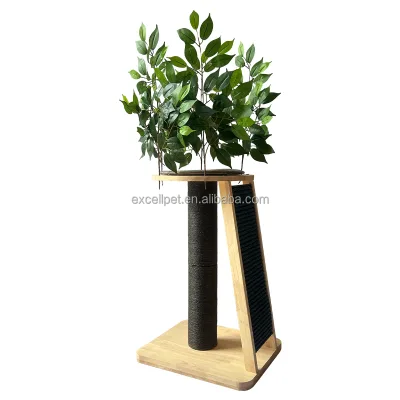


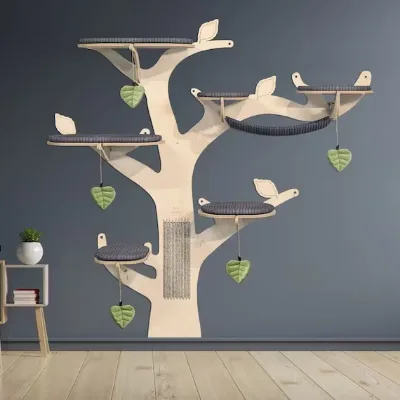
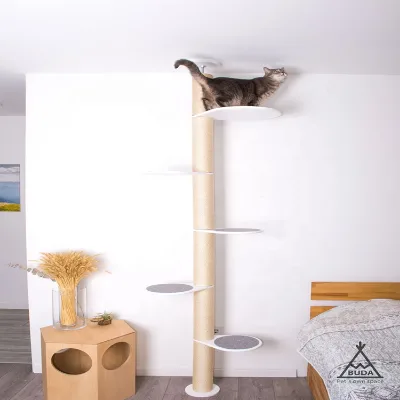
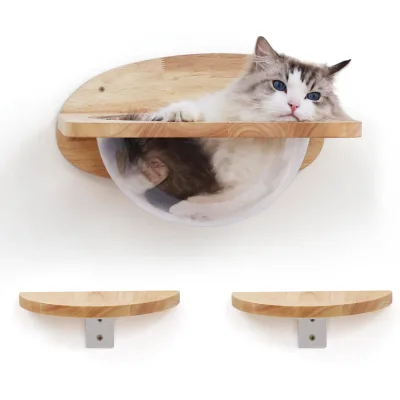


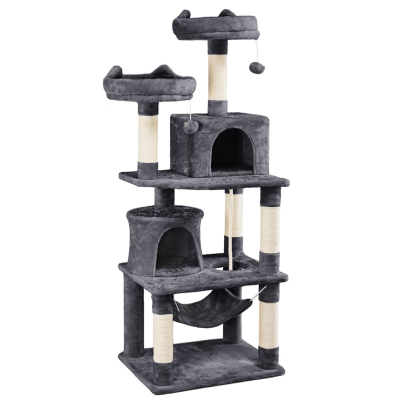
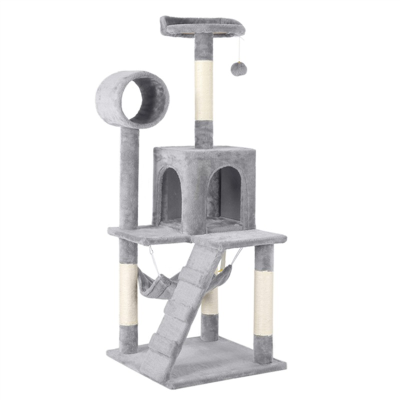
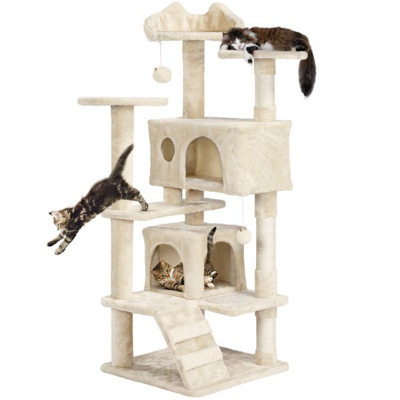

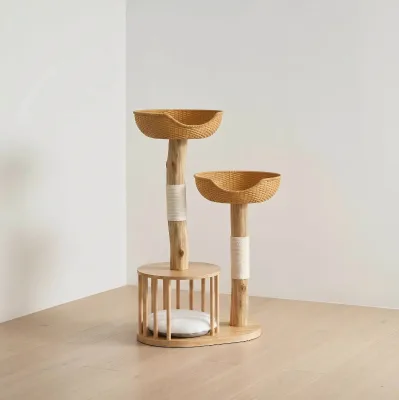
Premium Cat Tree with Climbing Frame- Floor to Ceiling Cat Tree for Indoor Cats
$90.00 - $105.00
MOQ: 5 Pieces
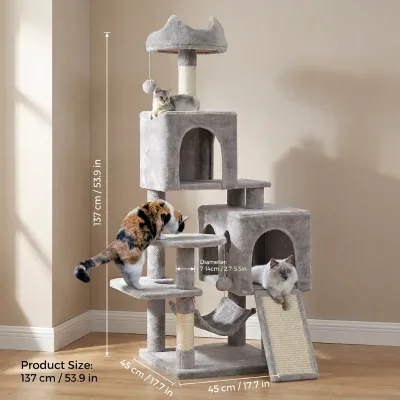
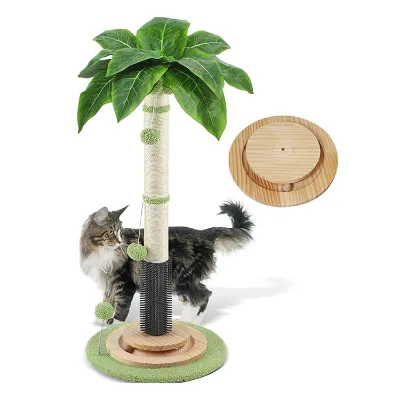
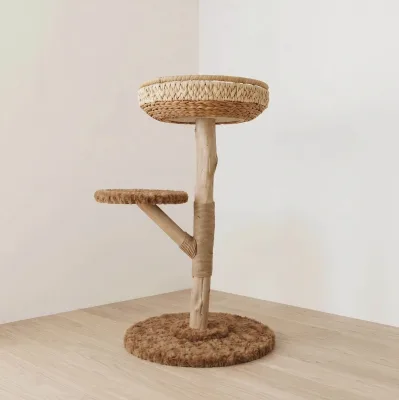
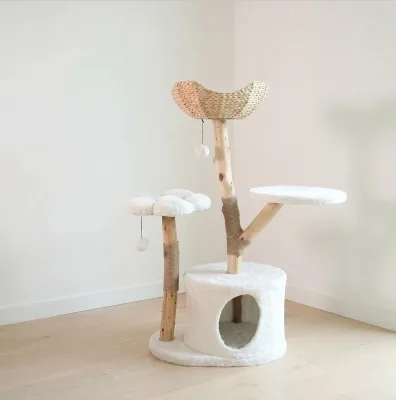
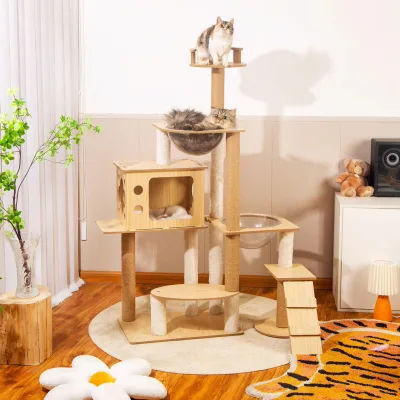
Comprehensive Sourcing Guide
Eco-Friendly Indoor Cat Tree Sourcing Guide
Sourcing eco-friendly indoor cat trees requires a strategic balance between sustainable material selection, structural durability, and aesthetic integration into modern home environments. Buyers must navigate a market where "eco-friendly" is often a marketing term rather than a verified specification, necessitating rigorous verification of raw material origins and manufacturing processes. The following guide provides evidence-based procurement strategies for sourcing these products, focusing on verified attributes, technical specifications, and commercial realities observed in current listings.
Product Scope and Observed Listing Signals
The current market for indoor cat trees exhibits a wide variance in material composition, with suppliers offering options ranging from solid wood and bamboo to rattan and metal frames. Observed listings indicate that bamboo is a prominent material choice, often marketed for its rapid renewability and natural aesthetic, while wooden structures provide the necessary stability for taller models. Buyers should note that "eco-friendly" claims must be cross-referenced with specific material declarations, such as the use of solid wood versus engineered boards like MDF or particle board, which may involve adhesives with higher volatile organic compound (VOC) potential.
Color and style design are critical factors for indoor integration, with beige and multicolor options being prevalent to match minimalist modern or interior design styles. The observed product range includes single-post, double-post, and triangular support structures, catering to different spatial constraints and cat behavioral needs. Procurement teams should prioritize suppliers who offer customization options, as this allows for brand alignment and tailored solutions for specific retail demographics, ensuring the final product aligns with both functional requirements and visual merchandising goals.
Technical Specifications to Verify
Verification of structural integrity and dimensional accuracy is paramount, as cat trees must withstand dynamic loads from climbing and scratching activities. Key specifications to validate include the product size, such as the observed 50x40x125cm dimension for medium cat models, and the weight capacity, which can vary significantly from 5kg to over 10kg per unit. Buyers must ensure that the core functions—climbing, scratching, resting, perching, and hiding—are physically supported by the design, particularly the inclusion of features like cat houses or multiple levels, which are essential for comprehensive feline enrichment.
The choice of scratching material is a critical technical differentiator, with sisal rope being the industry standard for durability and cat preference. Suppliers should be required to confirm the quality and density of the sisal wrapping, as well as the stability of the attachment to the wooden or bamboo posts. Additionally, the packing dimensions, such as 53x53x20cm or 50x42x17cm, directly impact logistics costs and warehouse storage efficiency, making accurate packing data a vital component of the initial supplier evaluation and cost modeling process.
Compliance and Safety Documentation
While specific certification statuses like CE are mentioned in background data, buyers must independently verify the compliance of all materials with the target market’s safety regulations. This includes ensuring that any wood products meet formaldehyde emission standards and that fabrics or ropes are free from harmful chemicals. The absence of electric components in observed models simplifies electrical safety compliance, but mechanical stability remains a primary concern, requiring verification of high-stability claims through structural testing or third-party audit reports.
Documentation should also cover the origin of materials, particularly for bamboo and rubber wood, to ensure they are sourced from sustainably managed forests or certified suppliers. Buyers should request material safety data sheets (MSDS) for any adhesives or finishes used in the construction of MDF or particle board components. Transparency in supply chain documentation is essential for maintaining the "eco-friendly" narrative and avoiding reputational risks associated with unsustainable sourcing practices or non-compliant chemical usage.
Cost Drivers and Commercial Terms
The observed price range of 2-105 USD reflects significant variability based on material quality, size, and complexity of design. Higher-priced items typically feature solid wood construction, larger dimensions, and more complex multi-level structures, while lower-cost options may utilize particle board or simpler single-post designs. Buyers must analyze the cost breakdown to understand the value proposition, ensuring that price differences correlate with tangible improvements in durability, material sustainability, and functional features.
Minimum Order Quantities (MOQ) vary widely, ranging from 5 to 500 pieces, with some suppliers setting specific thresholds such as 300 pcs for certain models. These MOQs directly influence inventory management and cash flow, requiring buyers to align order volumes with sales forecasts and storage capabilities. Negotiation leverage can be gained by consolidating orders across different models or committing to longer-term contracts, which may result in more favorable pricing and flexible payment terms, especially for customized designs or specific material requirements.
Supplier Qualification and Quality Control
Supplier qualification should extend beyond basic product catalogs to include an assessment of manufacturing capabilities and quality control processes. Buyers should verify the supplier’s ability to maintain consistency in material sourcing, particularly for natural materials like bamboo and rattan, which can vary in quality and appearance. Factories with established quality control protocols for structural integrity, such as testing for stability and load-bearing capacity, are preferred to minimize the risk of product failures in the field.
Inspection protocols should include checks for packing integrity, as observed packing methods like carton or paper packaging must protect the product during transit. Buyers should consider implementing pre-shipment inspections to verify that the final products match the approved samples in terms of dimensions, materials, and finish. Additionally, assessing the supplier’s responsiveness to customization requests and their ability to provide accurate lead times is crucial for maintaining supply chain reliability and meeting retail demand cycles.
Long-Term Procurement Checks
Long-term procurement success depends on the ability to monitor supplier performance and adapt to evolving market trends. Buyers should establish key performance indicators (KPIs) related to product quality, delivery timeliness, and responsiveness to issues, reviewing these metrics regularly to ensure continued alignment with business objectives. Continuous engagement with suppliers to discuss new material innovations or design improvements can help maintain a competitive edge in the eco-friendly pet product market.
Sustainability commitments should be revisited periodically to ensure that suppliers are adhering to their stated environmental practices. This may involve requesting updated certifications or conducting periodic audits of the supply chain to verify sustainable sourcing claims. By maintaining a proactive approach to supplier management and quality assurance, buyers can mitigate risks and ensure that their eco-friendly indoor cat tree offerings remain compliant, durable, and appealing to environmentally conscious consumers.
FAQs
What materials are used for eco-friendly indoor cat trees?
These products commonly use solid wood, bamboo, rattan, and sisal rope as primary materials. Some models also incorporate MDF or particle board for structural support while maintaining a natural aesthetic suitable for indoor environments.
Which cat sizes are suitable for these cat trees?
The available models are designed for medium cats and accommodate all ages including kittens and adults. Specific tall models are recommended for adult cats while shorter versions suit kittens effectively.
Can buyers request customization for these cat trees?
Yes, customization is available for many of the listed products. Buyers can often specify design elements or features to match their specific interior style requirements without compromising the core structure.
How stable are the structures of these cat trees?
The structures feature high stability with designs including single posts, double posts, and triangular supports. These configurations ensure the tree remains secure during climbing and scratching activities by cats.
What are the typical dimensions for these cat trees?
Product sizes vary, with common dimensions around 50x40x125cm or 48x40x124cm. Some models reach heights of 200cm while others are more compact, fitting various indoor living room spaces.
Are these cat trees suitable for multiple pets?
Yes, certain models are applicable for both cats and dogs. The sturdy construction and multiple levels provide adequate space for different pet sizes to rest, climb, and play together.
What is the minimum order quantity for these products?
The minimum order quantity ranges from 5 to 500 pieces depending on the specific supplier and model. Some standard items require a minimum of 300 pieces while others may accept smaller bulk orders.