Source Eco-friendly Magnetic Spice Jar for Kitchen Storage
Explore 30 listings for the eco-friendly magnetic spice jar designed for kitchen storage, dining room organization, and space-saving solutions. Buyers can compare specifications, pricing, and customization options from verified suppliers in Guangdong and Zhejiang.
Key considerations
Products List
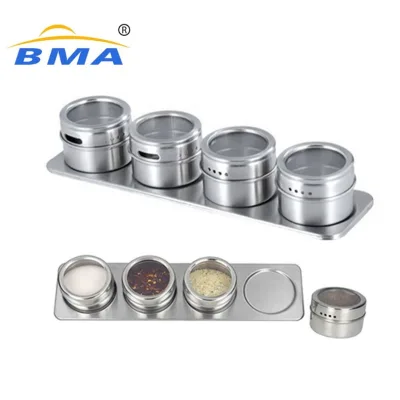


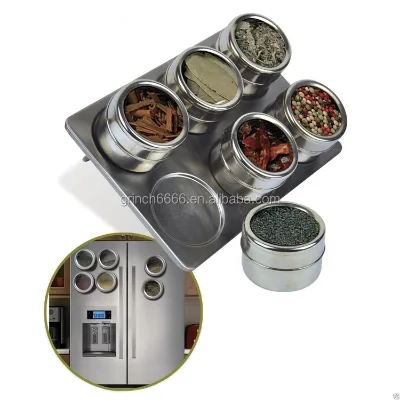


Comprehensive Sourcing Guide
Strategic Sourcing Guide for Eco-Friendly Magnetic Spice Jars
Navigating the global market for kitchen storage solutions requires a precise understanding of material science, supply chain logistics, and compliance frameworks. The eco-friendly magnetic spice jar represents a convergence of functional design and sustainability, appealing to modern kitchen aesthetics while addressing storage efficiency. For procurement professionals, sourcing these items involves more than selecting a visual style; it demands a rigorous evaluation of the supply chain's ability to deliver consistent quality, adhere to environmental standards, and maintain cost-effectiveness at scale. This guide outlines the critical factors buyers must consider when evaluating suppliers for stainless steel magnetic spice jars, ensuring that procurement decisions are grounded in verified data and industry best practices.
Technical Specifications and Material Integrity
The foundational element of any sourcing strategy for magnetic spice jars is the verification of technical specifications. The primary material for these units is stainless steel, a choice driven by its durability, resistance to corrosion, and ability to maintain hygiene standards in kitchen environments. When evaluating a product, buyers must confirm that the material specification explicitly states "Stainless Steel" rather than generic "Metal," as the latter could imply inferior alloys prone to rust. The magnetic functionality is a critical technical feature, allowing the jars to adhere to metal surfaces, thereby saving counter space and organizing the kitchen efficiently.
Dimensions play a pivotal role in logistics and storage planning. Observed specifications for similar products indicate a single package size of 50x50x50 cm, which significantly impacts shipping volume calculations. However, the individual unit dimensions, such as 39x11x4 cm, are equally important for determining the internal capacity and usability. The capacity of these jars often exceeds 501ml, making them suitable for storing larger quantities of spices or bulk ingredients. Furthermore, the shape is typically round, which facilitates stacking and magnetic alignment. Buyers should verify that the weight tolerance is within acceptable limits, often cited as less than ±5%, to ensure consistency across large production batches. The finish of the product is another technical consideration; processes such as brushing or polishing are standard to achieve a sleek, light grey appearance that resists fingerprints and smudges.
Compliance, Certification, and Environmental Standards
In the realm of eco-friendly products, compliance is not merely a formality but a core component of the value proposition. The term "eco-friendly" suggests that the product lifecycle minimizes environmental impact, from raw material extraction to end-of-life disposal. Stainless steel is inherently recyclable, which supports this claim, but buyers must verify if the supplier provides specific documentation regarding the sourcing of raw materials or the manufacturing process. While specific certification names cannot be assumed without direct supplier confirmation, the presence of features like "Freshness Preservation" and "Anti-Corrosion and Anti-Rust Properties" indicates a focus on product longevity, which is a key aspect of sustainability.
Buyers should request evidence of adherence to relevant safety standards, particularly those governing food contact materials. The product is designed for use in the kitchen and dining room, meaning it must meet strict hygiene requirements. The "Quality" designation for anti-corrosion properties implies a level of testing, but procurement teams should not rely on marketing terms alone. Instead, they should ask for third-party test reports or compliance certificates that validate the material's safety for food storage. Additionally, the "Eco-friendly" feature should be backed by a clear explanation of the manufacturing process, such as energy-efficient production methods or the use of non-toxic coatings. Without verified data, these claims remain unproven assertions that could pose reputational risks for the buyer.
Cost Drivers and Pricing Dynamics
Understanding the cost structure of magnetic spice jars is essential for budgeting and negotiation. The observed price range for these products spans from $0.08 to $14.00 USD, a wide variance that reflects differences in material quality, customization levels, and order volume. Several factors drive these costs. The primary driver is the material grade of the stainless steel; higher-grade alloys command a premium but offer superior durability and corrosion resistance. Customization is another significant cost factor. Options such as screen printing, laser engraving, or custom colors according to customer intentions add to the unit price. The complexity of the design, such as the two-layer structure or specific magnetic mechanisms, also influences the final cost.
Order volume is perhaps the most critical variable in pricing. The Minimum Order Quantity (MOQ) can vary significantly, with observed ranges from 1 to 10,000 units. However, a specific high-confidence fact indicates an MOQ of 1,000 sets for certain product lines. This threshold is crucial for buyers to consider, as it determines the feasibility of small-batch procurement versus bulk purchasing. Small batches are available in some cases, but they may come with a higher per-unit cost. Buyers must balance the need for inventory flexibility against the economies of scale offered by larger orders. Additionally, packaging costs, such as the use of white boxes or cartons, and the complexity of the single package size (50x50x50 cm) affect shipping expenses, which are a hidden but substantial component of the total landed cost.
Typical Applications and Functional Design
The functional design of magnetic spice jars is tailored to specific application scenarios, primarily the kitchen and dining room. The "Multifunctional" nature of these jars allows them to serve multiple purposes, from organizing spices to saving space in compact kitchens. The magnetic feature is particularly advantageous in modern kitchen designs where counter space is at a premium. By adhering to metal surfaces, these jars free up valuable countertop area, promoting a clutter-free environment. The "Freshness Preservation" feature ensures that spices remain potent and dry, extending their shelf life and reducing food waste.
The product is designed for adult use, with an age group specification that aligns with general household management. The "Save Space" attribute is a direct response to the needs of urban dwellers and those with limited storage capacity. The two-layer design mentioned in some specifications suggests a capacity for organizing different types of spices or separating dry and wet ingredients. The "No Electricity Required" aspect highlights the passive nature of the product, making it energy-efficient and reliable. Whether used in a professional restaurant setting or a home kitchen, the versatility of these jars makes them a practical addition to any storage system. Buyers should consider the specific layout of their target market's kitchens when selecting models, as the magnetic strength and dimensions must align with the available metal surfaces.
Supplier Evaluation and Production Capabilities
Selecting the right supplier is a critical step in the procurement process. The supply chain for these products is primarily located in China, with specific ports of loading including Guangzhou, Shenzhen, and Jiangmen. The place of origin is noted as Guangdong, with some variations pointing to Zhejiang, indicating a robust manufacturing hub in the region. Buyers should verify the supplier's production capacity and their ability to meet delivery timelines. The standard delivery time ranges from 15 to 31 days, with a specific observation of 30 days for certain orders. This lead time must be factored into inventory planning to avoid stockouts.
When evaluating suppliers, buyers should look for evidence of quality control processes. The "High Quality" advantage and "Quality" anti-corrosion properties suggest a commitment to standards, but these should be validated through audits or site visits. The availability of customization options, such as logos via screen printing, laser engraving, or engraving, indicates a flexible manufacturing capability. Payment terms like T/T and L/C are standard, but buyers should negotiate terms that protect their interests. The "Single item" selling unit and "Small Batches Are Available" options suggest that the supplier can accommodate diverse order sizes, but the MOQ of 1,000 sets for specific models must be confirmed. Buyers should also assess the supplier's logistics capabilities, including their experience with sea, air, and land freight, to ensure timely and cost-effective delivery.
Quality Control and Long-Term Procurement Considerations
Maintaining product quality over time requires a robust quality control (QC) strategy. The weight tolerance of less than ±5% is a specific metric that buyers should use to monitor consistency. Regular inspections should verify that the magnetic strength remains consistent and that the stainless steel does not degrade over time. The "Eco-friendly" claim should be periodically re-verified to ensure that the supplier continues to adhere to environmental standards. Packaging integrity is also crucial; the use of white boxes or cartons must protect the product during transit, especially given the single package size of 50x50x50 cm.
For long-term procurement, buyers should consider the scalability of the supply chain. The ability to handle large orders without compromising quality or delivery times is essential. The "Custom Colors" and "Customization" options allow for brand differentiation, but buyers must ensure that the supplier can maintain consistency across multiple production runs. The "Box Regulations" of 1 PCS per box indicate a specific packing standard that should be adhered to for retail readiness. Finally, buyers should establish a clear communication channel with the supplier to address any issues promptly. By focusing on these long-term considerations, buyers can build a resilient supply chain that delivers value and reliability over time.
FAQs
What material is used for the eco-friendly magnetic spice jar?
The product is constructed from stainless steel to ensure durability and hygiene. This material offers anti-corrosion and anti-rust properties suitable for kitchen environments.
How large is the capacity of the magnetic spice jar?
The capacity exceeds 501ml, making it suitable for storing larger quantities of spices. This volume supports efficient organization in both home and commercial kitchens.
Can I customize the logo on the stainless steel spice jar?
Yes, customization is available through screen printing, laser engraving, or engraving techniques. Buyers can request specific logos to match their brand identity.
What is the minimum order quantity for these spice jars?
The standard minimum order quantity is 1000 sets for specific product lines. Small batches may be available depending on the supplier's flexibility and model selection.
How long does delivery take for orders from China?
Delivery typically takes between 15 to 31 days, with a standard observation of 30 days. This lead time applies to shipments from ports in Guangzhou, Shenzhen, or Jiangmen.
Which features ensure freshness preservation in the spice container?
The jar includes sealing capabilities designed to preserve spice freshness and prevent moisture. The stainless steel construction also resists rust, maintaining product quality over time.
What payment terms are accepted for purchasing these jars?
Standard payment terms include T/T and L/C for secure transactions. These methods are commonly used for international trade involving stainless steel kitchen storage products.