Source Eco-Friendly Marble Dining Table for Hotel, Home, Dining Room
Compare 30 listings for Eco-Friendly Marble Dining Table available in modern styles with square, round, or rectangular shapes. Buyers can review specifications, pricing, and customization options for hotel, home, and dining room applications.
Key considerations
Products List


$150.00 - $180.00
MOQ: 30 Pieces


$118.00 - $119.90
MOQ: 30 Pieces



Comprehensive Sourcing Guide
Eco-Friendly Marble Dining Table Sourcing Guide
Sourcing eco-friendly marble dining tables requires a nuanced understanding of material sustainability, manufacturing ethics, and supply chain transparency. While marble is a natural stone often perceived as inherently green due to its durability and longevity, the "eco-friendly" label in B2B procurement typically refers to responsible quarrying practices, low-VOC finishes, and efficient logistics. Buyers must distinguish between marketing claims and verifiable environmental standards, focusing on suppliers who can demonstrate adherence to recognized certifications and transparent sourcing protocols. This guide provides a structured approach to evaluating suppliers, verifying technical specifications, and ensuring commercial terms align with sustainability goals.
The procurement process for marble furniture involves balancing aesthetic preferences with functional requirements and ethical considerations. Modern design trends favor minimalist, square, or round marble tops paired with wood or metal bases, creating versatile pieces suitable for both hotel and residential dining rooms. However, the environmental impact extends beyond the stone itself to include the energy used in cutting, polishing, and transporting heavy materials. Buyers should prioritize suppliers who utilize water-recycling systems in fabrication, minimize waste through precise cutting patterns, and offer robust packaging solutions that protect goods while reducing material usage.
Product Scope and Observed Listing Signals
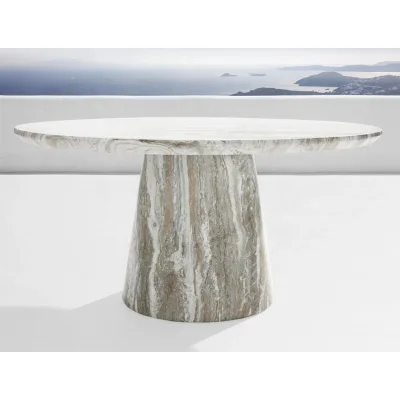
The current market landscape for marble dining tables reveals a diverse range of product configurations, with observed listings indicating a strong preference for modern design aesthetics. Common shapes include square, round, and rectangular forms, often paired with materials such as wood or metal for the base structure. The color palette is predominantly white, which aligns with contemporary interior design trends, though other natural stone hues are available. Listings frequently highlight customization options, allowing buyers to tailor dimensions and finishes to specific project requirements, which is critical for large-scale hospitality or residential developments.
Observed listing signals also point to specific operational parameters that influence procurement decisions. Minimum Order Quantities (MOQs) vary significantly, ranging from single-piece orders for boutique hotels to bulk quantities for large residential projects. Delivery times typically span 30 to 45 days, reflecting the time required for stone fabrication, quality control, and logistics coordination. Packaging is a critical factor, with suppliers employing strong wooden crates, foam, and plastic layers to prevent damage during long-sea freight. Buyers should verify these logistical details early in the sourcing process to ensure alignment with project timelines and budget constraints.
Technical Specifications to Verify
Technical verification begins with confirming the material composition and structural integrity of the dining table. Buyers must distinguish between solid marble tops and marble-veneer or composite alternatives, as the latter may not meet the durability or aesthetic expectations associated with natural stone. The base material, often wood or metal, should be inspected for stability and finish quality, ensuring it complements the marble top without compromising structural safety. Dimensions are critical, with standard sizes observed in the market including 1200x1200x740mm, 1500x1500x760mm, and 2400x1000x750mm configurations, each serving different seating capacities and room layouts.
Surface finish and edge detailing are equally important technical aspects that affect both aesthetics and maintenance. The marble surface should be polished to a consistent sheen, free from visible cracks, pits, or discoloration that could indicate poor quality or structural weakness. Edge profiles, whether eased, beveled, or bullnose, must be uniform and securely attached to the main slab. Additionally, buyers should verify the thickness of the marble slab, as thinner slabs may require additional reinforcement to prevent cracking under load. These specifications should be explicitly stated in the purchase agreement to avoid disputes upon delivery.
Compliance and Safety Documentation
Compliance with international safety and environmental standards is non-negotiable for eco-friendly marble dining tables. Buyers should request documentation verifying adherence to ISO 9001 quality management systems, which indicates a supplier’s commitment to consistent manufacturing processes and quality control. While specific environmental certifications like FSC are mentioned in background data, buyers must verify the current status and scope of such certifications, ensuring they apply to the wood components used in the table bases. This verification process helps mitigate risks associated with illegal logging and unsustainable forestry practices.
Safety documentation also includes testing reports for structural stability and load-bearing capacity. Suppliers should provide evidence that the tables meet relevant furniture safety standards, particularly regarding tip-over resistance and joint integrity. For the marble component, buyers may request data on formaldehyde emissions if composite materials are used, although solid marble typically does not emit volatile organic compounds (VOCs). However, sealants and finishes applied to the stone may contain VOCs, so buyers should inquire about the use of low-VOC or water-based sealants to ensure indoor air quality safety.
Cost Drivers and Commercial Terms
Cost drivers for marble dining tables are multifaceted, influenced by material quality, design complexity, and logistical expenses. The type and grade of marble significantly impact the base cost, with rare or exotic varieties commanding higher prices. Customization options, such as unique shapes or specific edge profiles, add to the manufacturing complexity and cost. Additionally, the weight and dimensions of the marble top necessitate robust packaging and specialized shipping arrangements, which can increase freight costs, especially for long-sea freight routes from origin points like Quanzhou or Xiamen in China.
Commercial terms play a crucial role in the overall procurement cost and risk management. Payment terms typically include T/T (Telegraphic Transfer) and PayPal, with varying deposit requirements depending on the supplier’s policy. Buyers should negotiate clear terms regarding payment milestones, such as a deposit upon order confirmation and the balance upon proof of shipment or inspection. Warranty periods, often ranging from one to three years, should be clearly defined, covering defects in materials and workmanship. Understanding these commercial terms helps buyers budget accurately and manage cash flow effectively throughout the procurement cycle.
Supplier Qualification and Quality Control
Supplier qualification is a critical step in ensuring the reliability and sustainability of the marble dining table supply chain. Buyers should conduct thorough due diligence, verifying the supplier’s business license, production capacity, and past performance records. Visiting the factory or engaging third-party inspection services can provide valuable insights into manufacturing practices, including waste management, energy usage, and worker safety conditions. Suppliers with a proven track record in exporting to international markets are often more reliable in meeting quality and compliance standards.
Quality control measures should be integrated into the procurement process from order placement to final delivery. Buyers should establish clear quality acceptance criteria, including visual inspections for surface defects and dimensional checks for accuracy. Pre-shipment inspections are recommended to verify that the products meet the agreed-upon specifications before they leave the factory. Additionally, buyers should inquire about the supplier’s aftersale service capabilities, ensuring they can provide timely support for any issues that arise after delivery. A robust quality control framework minimizes the risk of receiving substandard products and reduces potential disruptions to the buyer’s operations.
Long-Term Procurement Checks
Long-term procurement success depends on establishing a sustainable and resilient supply chain for marble dining tables. Buyers should regularly review supplier performance metrics, including on-time delivery rates, product quality consistency, and responsiveness to issues. Building a strong relationship with suppliers can lead to better pricing, priority production scheduling, and collaborative improvements in product design and sustainability practices. Regular communication and feedback loops help align supplier capabilities with evolving buyer needs and market trends.
Sustainability efforts should be continuously monitored and improved over time. Buyers can encourage suppliers to adopt more eco-friendly practices, such as using recycled packaging materials, optimizing logistics to reduce carbon emissions, and sourcing marble from quarries with strong environmental stewardship records. By prioritizing suppliers who demonstrate a genuine commitment to sustainability, buyers can enhance their own brand reputation and contribute to a more responsible global supply chain. Long-term procurement checks should also include periodic audits of supplier compliance with environmental and social standards to ensure ongoing alignment with corporate sustainability goals.
FAQs
What customization options are available for these tables?
Customization is available for these tables to meet specific buyer needs. The products are offered in a modern style with options for square, round, or rectangular shapes. Buyers can select from various materials including wood and metal to suit their design preferences.
How long is the delivery time for orders?
The standard delivery time ranges from 30 to 45 days after order confirmation. This timeline applies to orders placed with suppliers located in China, specifically in Quanzhou or Xiamen. Buyers should account for this lead time when planning their procurement schedules.
Which certifications do the products hold?
The products hold ISO9001 certification and some items carry TUV certification. These standards ensure quality management and safety compliance for the dining tables. Buyers can verify these certifications when reviewing supplier documentation for specific product models.
Can I order a single piece as a sample?
Yes, some suppliers allow a minimum order quantity of just one piece. However, other listings require a minimum of 30 sets for purchase. Buyers should check the specific MOQ requirements for the model they intend to order before proceeding.
What payment terms are accepted by suppliers?
Suppliers typically accept payment via T/T or PayPal for these transactions. These terms provide flexibility for international buyers sourcing from China. Buyers should confirm the specific payment method with the vendor before finalizing the order details.
How are the tables packaged for shipping?
Tables are packed in strong wooden crates with plastic and foam protection. Some models use standard export cartons reinforced with wooden frames. This packaging ensures the items are worthy for long sea freight and arrive in good condition.
What warranty is provided for the dining tables?
Warranty periods range from 1 to 3 years depending on the specific product model. Some listings explicitly state a 3-year warranty for certain items. Buyers should verify the exact warranty duration for the specific table they are purchasing.