Source eco-friendly metal tea tin with cover for Food, Gifts, and Toys
Compare 30 listings of eco-friendly metal tea tin with cover options suitable for food, gifts, and toys. Buyers can review customization, certifications, and packaging details to find the right supplier for their needs.
Key considerations
Products List








Comprehensive Sourcing Guide
Sourcing Guide for Eco-Friendly Metal Tea Tins with Covers
Procuring eco-friendly metal tea tins with covers requires a disciplined approach that balances material integrity, regulatory compliance, and supply chain reliability. The global market for metal packaging has shifted significantly toward sustainable solutions, driven by consumer demand for reusable containers and stricter environmental regulations. For buyers in the food and gift sectors, selecting the right tinplate solution involves more than aesthetic considerations; it demands a rigorous verification of material composition, coating processes, and certification validity. This guide outlines the essential factors for sourcing these products, ensuring that procurement decisions are grounded in verified facts rather than marketing claims.
Technical Specifications and Material Composition
The foundation of a high-quality tea tin lies in its material composition and structural design. The primary material identified in the current market landscape is tinplate, specifically metal tin plate with a thickness of 0.23mm. This gauge offers an optimal balance between durability and cost-effectiveness, providing sufficient rigidity to protect tea leaves from moisture and light while remaining lightweight for shipping. The weight of individual units is typically observed to be under 0.5 kg, a critical factor for logistics planning and inventory management.
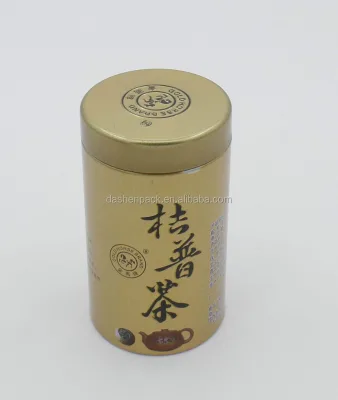
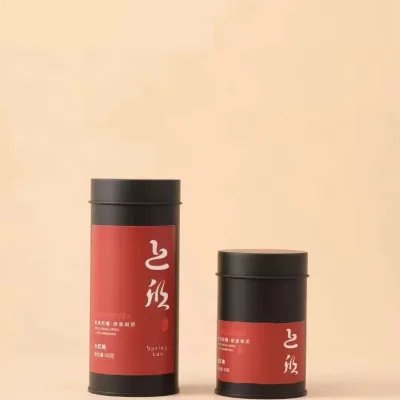
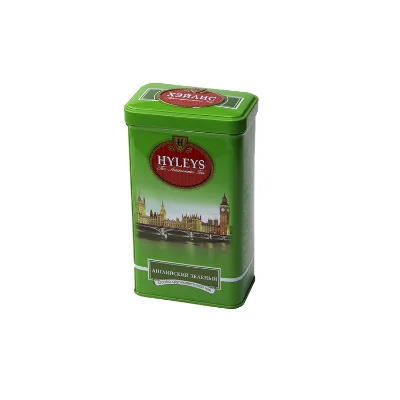
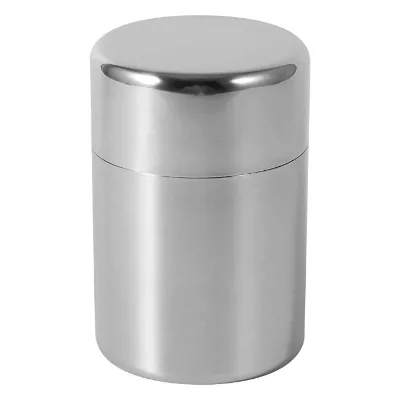
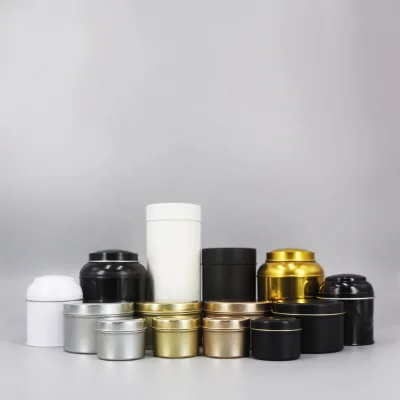
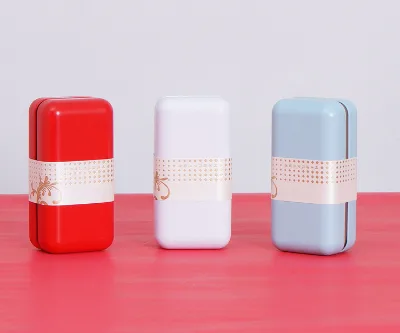
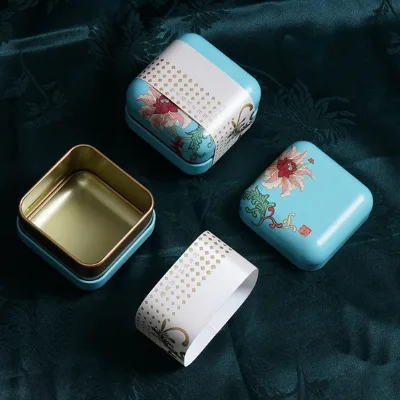
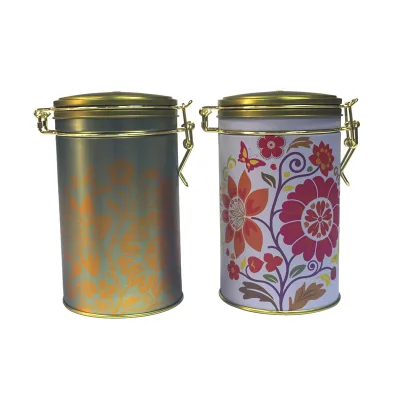
Shape and form factor vary significantly based on the intended application. Buyers should expect to encounter rectangular, square, and round configurations. Rectangular models, such as those designated by model numbers like WM21-135-B, often feature a simple, space-efficient design suitable for bulk storage. Square variants, including models like WM21-139, provide a modern aesthetic that appeals to premium gift markets. Round tins, which may come with inner lids or plastic lids secured by metal clips, offer a classic look often associated with traditional tea packaging.
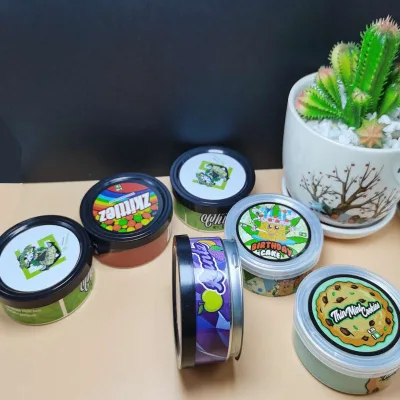
The lid mechanism is a crucial technical differentiator. Options include press lids, which provide a tight seal to maintain freshness, and clip-on lids that offer easy access while maintaining structural integrity. Some specialized designs feature three-part constructions, which may include a base, a main body, and a separate lid assembly. The internal coating process is equally vital; the interior is typically plain or lacquered with food-grade, eco-friendly coatings to prevent metal leaching and ensure the purity of the tea flavor.
Compliance and Certification Verification
Navigating the regulatory landscape is paramount when sourcing food-contact packaging. The market data indicates that reputable suppliers often hold certifications such as ISO, BSCI, Sedex, and Brc. These certifications serve as third-party validations of the supplier's management systems, labor practices, and food safety protocols. However, buyers must verify the specific scope of these certifications rather than assuming blanket coverage.
For food safety, testing against international standards is non-negotiable. Products should be tested to meet FDA (Food and Drug Administration) standards for the United States market, LFGB (Lebensmittel- und Futtermittelgesetzbuch) for European markets, and En71-3 for toy safety if the tin is marketed for children's gifts. Additionally, verification of BPA-free status is essential, as bisphenol A is a chemical often scrutinized in food packaging. The supply chain should provide test reports confirming that the lacquer and metal components do not leach harmful substances under normal storage conditions.
While some background information mentions ISO9001 or ROHS, these should be treated as secondary indicators unless explicitly confirmed in the supplier's current documentation. The primary focus must remain on food-grade certifications and the specific testing standards relevant to the target export market. Buyers should request current certificates of analysis (CoA) and third-party audit reports to ensure that the "Eco-Friendly" and "Food" usage claims are substantiated by valid documentation.
Cost Drivers and Pricing Dynamics
Understanding the cost structure of metal tea tins helps buyers negotiate effectively and forecast budget requirements. The observed price range in the market spans from $0.12 to $6.07 USD per unit. This wide variance is driven by several key factors, including the complexity of the shape, the type of lid mechanism, and the extent of customization.
The most significant cost driver is customization. While standard plain or 4C printing options are available, custom orders involving specific logo printing, unique mold designs, or specialized coatings will increase the unit price. The MOQ (Minimum Order Quantity) also plays a pivotal role in pricing, with observed ranges from 1 to 20,000 units. Smaller orders typically command a higher per-unit cost due to setup fees and machine time inefficiencies, whereas large-volume orders can leverage economies of scale to reduce costs significantly.
Packaging standards also influence the final price. Medium-sized packaging pots and small-sized packaging tins may have different material requirements and labor costs associated with their assembly. The origin of the product, specifically from regions like Dong Guan or Guangdong, China, impacts logistics costs. Buyers should factor in the cost of polybagging and export cartons, which are standard for protecting the tins during transit. The "1PCS/Polybag/Export Carton" or "1PC in a Polybag, Suitable PCS Per Carton" configurations are standard, but the density of packing per carton can affect shipping efficiency and overall landed cost.
Typical Applications and Usage Scenarios
Eco-friendly metal tea tins with covers serve a diverse range of applications, extending beyond simple storage. The primary usage categories identified include Food, Gifts, and Toys. In the food sector, these tins are ideal for packaging loose-leaf tea, coffee, spices, and confectionery. The metal construction provides an excellent barrier against humidity, light, and oxygen, which are the primary enemies of tea freshness.
The gift market represents a substantial segment for these products. The availability of logo printing and various shapes (square, rectangular, round) allows brands to create distinctive packaging that enhances perceived value. The "Eco-Friendly" attribute is a strong selling point in this sector, as modern consumers prefer sustainable packaging solutions that can be reused after the initial product is consumed. The tins' durability ensures they can be repurposed for storage of other household items, extending the brand's visibility.
In the toy and novelty sector, the tins are often used for small gift sets or promotional items. The "Toy" usage category suggests that the design must meet specific safety standards, such as En71-3, to ensure there are no sharp edges or small parts that could pose a choking hazard. The versatility of the product allows it to be adapted for various industries, from high-end tea houses to corporate promotional campaigns.
Supplier Evaluation and Selection Criteria
Selecting the right supplier requires a thorough evaluation of their capabilities and track record. Buyers should prioritize suppliers who demonstrate transparency in their production processes and provide clear evidence of their certifications. The presence of specific model numbers, such as WM21-135-B, WM22-152, or SL-K243, indicates a mature product line with established specifications.
When evaluating potential partners, buyers should assess their ability to handle custom orders. The market data confirms that "Custom Order: Accept" and "Customization: Available" are standard capabilities, but the extent of this service varies. Some suppliers may offer limited customization, while others provide full design support, including mold creation and color matching. The "Style: Simplicity" attribute suggests a trend toward minimalist designs, but buyers should verify if the supplier can accommodate more complex branding needs.
Logistics and lead times are critical components of supplier evaluation. While specific lead times are not provided in the source data, buyers should inquire about production capacity and the ability to meet tight deadlines. The origin location, specifically Guangdong, China, is a major manufacturing hub, but the specific factory location (e.g., Dong Guan) can impact shipping times and costs. Buyers should also verify the supplier's quality control processes, ensuring they have robust systems in place to detect defects before shipment.
Quality Control and Long-Term Procurement Strategies
Implementing a rigorous quality control (QC) protocol is essential for maintaining product consistency. Buyers should establish clear acceptance criteria based on the observed specifications, such as material thickness (0.23mm), weight limits (<0.5 kg), and coating integrity. Regular third-party inspections during production and pre-shipment audits can help identify issues early and prevent costly returns.
For long-term procurement, building a strategic relationship with a reliable supplier is key. This involves moving beyond transactional interactions to collaborative partnerships where both parties share insights on market trends and sustainability goals. The "Eco-Friendly" and "Durable" features should be continuously monitored to ensure they remain relevant as consumer preferences evolve. Buyers should also consider the scalability of their orders, ensuring that the supplier can handle volume increases without compromising quality or delivery schedules.
Standardization of packaging and labeling is another long-term consideration. Adhering to consistent standards, such as the "Medium-Sized Packaging" or "Small-Sized Packaging" classifications, helps streamline inventory management and reduces confusion in the supply chain. By focusing on these strategic elements, buyers can secure a stable supply of high-quality eco-friendly metal tea tins that meet their business objectives and customer expectations.
Conclusion
Sourcing eco-friendly metal tea tins with covers is a complex process that requires careful attention to technical details, regulatory compliance, and supplier capabilities. By leveraging the available market data and adhering to strict verification protocols, buyers can make informed decisions that drive value and sustainability. The key lies in balancing the aesthetic and functional requirements of the product with the rigorous demands of food safety and environmental responsibility. With the right approach, buyers can secure a supply chain that supports their brand's growth and meets the evolving needs of the global market.
FAQs
What certifications do eco-friendly metal tea tins with cover typically hold?
Reputable products often hold ISO, BSCI, Sedex, and Brc certifications. These validate management systems and food safety protocols, ensuring the tinplate meets international standards for food contact and ethical labor practices.
How thick is the metal tin plate used for these tea tins?
The primary material is metal tin plate with a thickness of 0.23mm. This gauge provides an optimal balance between durability and cost-effectiveness while protecting tea leaves from moisture and light.
Can I order custom logo printing on these eco-friendly metal tea tins with cover?
Yes, customization is available with options for plain or 4C printing including logo application. Buyers can request specific designs, though custom orders may affect the minimum order quantity and unit pricing.
What shapes are available for eco-friendly metal tea tins with cover?
Available shapes include rectangular, square, and round configurations. Rectangular models offer space efficiency, while square and round variants provide modern or classic aesthetics suitable for different gift and food packaging needs.
Which food safety standards must these tea tins meet?
Products should be tested to meet FDA, LFGB, and En71-3 standards. Verification of BPA-free status is also essential to ensure the food-grade coating prevents metal leaching and maintains tea purity.
What is the typical weight range for these metal tea tins?
Individual units are typically observed to weigh under 0.5 kg. This lightweight characteristic is critical for logistics planning and helps reduce shipping costs for international buyers.
How are these eco-friendly metal tea tins with cover packaged for export?
Standard packaging involves 1 piece per polybag within an export carton. This configuration protects the tins during transit while allowing for flexible carton quantities based on the specific product model and size.