Source eco-friendly microfiber raschel blanket for Home, Hotel, and Travel
Explore 30 verified listings for eco-friendly microfiber raschel blanket suitable for home, hotel, and travel applications. Buyers can compare features like softness, warmth retention, and customization options to find the right supplier.
Key considerations
Products List

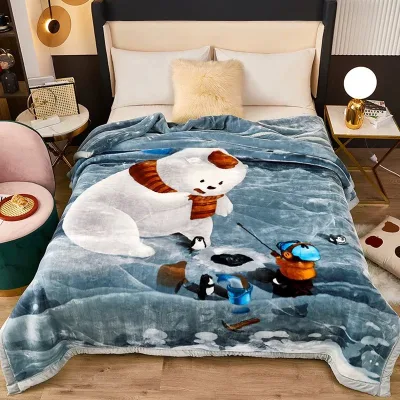
Home Textile Raschel Blanket Microfiber Weighted Blanket Fleece Flower Blankets
$13.00 - $15.00
MOQ: 300 Pieces


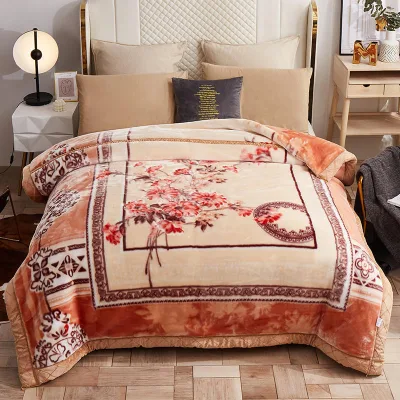
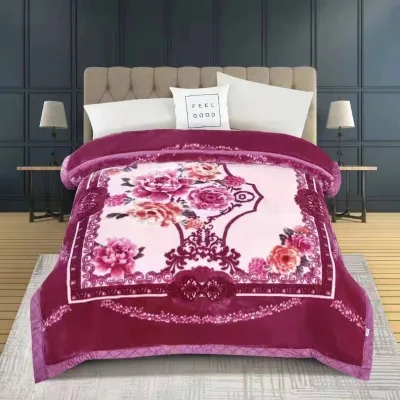
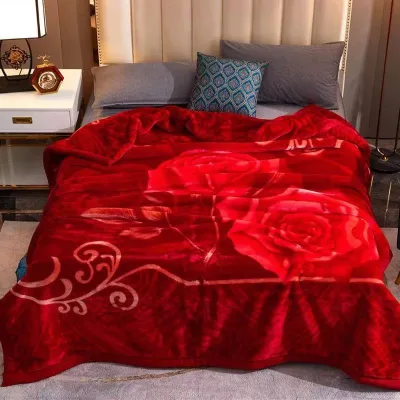
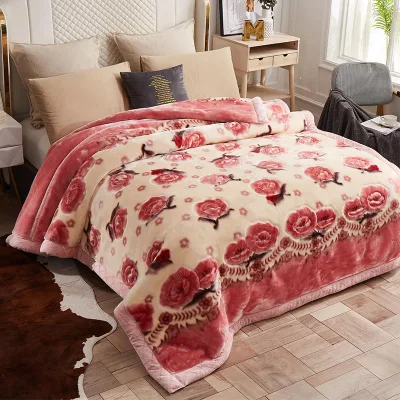


Comprehensive Sourcing Guide
Strategic Sourcing Guide for Eco-Friendly Microfiber Raschel Blankets
Understanding Product Definitions and Technical Attributes
When sourcing eco-friendly microfiber raschel blankets, buyers must first distinguish between generic microfiber products and those specifically engineered with Raschel knitting techniques. The core keyword implies a convergence of material science and manufacturing method. Based on observed product data, the primary material composition for these items is consistently identified as Polyester. This synthetic fiber is selected for its durability, softness, and ability to hold reactive dyes effectively. The manufacturing process is a critical differentiator; the data explicitly highlights "Raschel" as a specific craft or technique, alongside "Reactive Dyeing." This combination suggests a fabric structure that is distinct from standard warp knitting or machine weaving, offering a specific texture and drape often associated with high-end home textiles.
The technical profile of these blankets varies significantly across different product models. For instance, one observed model, designated as BR-1002, utilizes a warp knitting method, while another, XY1101, is described as machine weaved. However, the specific "Double-Layer Thickened Raschel Blanket" (Model BK250708101-YA706) represents the target category for eco-conscious buyers. This specific type is characterized by "Super Soft" softness and "Excellent Warmth Retention," attributes that are directly linked to the Raschel construction. The fabric is noted for "Good Breathability," ensuring that the warmth does not come at the cost of air circulation. Furthermore, the washing durability is a key technical specification, with claims of being "Machine Washable" and "No Fading," which is essential for commercial applications like hotels and hospitals where frequent laundering is required.
Compliance Verification and Environmental Standards
The term "eco-friendly" in the context of microfiber blankets requires rigorous verification, as it is not a self-regulating label. The supplied product data mentions "Eco-Friendly Reactive Dyeing" as a specific attribute for the Raschel blanket models. This indicates that the coloring process may adhere to lower environmental impact protocols compared to traditional dyeing methods. However, buyers must not assume that all listed products meet this standard without direct confirmation. The data also references "OEKO-TEX" in a low-confidence background section. This suggests that while OEKO-TEX certification is a relevant industry standard for textile safety, it should not be treated as a guaranteed attribute for every item listed without explicit documentation from the supplier.
When evaluating compliance, buyers should verify the specific chemical restrictions applied during the reactive dyeing process. The presence of "Reactive Dyeing" implies a chemical bonding process that can be more sustainable if managed correctly, reducing water usage and improving color fastness. However, the buyer must request test reports to confirm that the final product is free from harmful substances such as azo dyes or heavy metals. The "Eco-Friendly" claim should be backed by third-party laboratory results rather than marketing assertions. Additionally, the "Endurable" feature listed in the product attributes suggests a focus on longevity, which is an inherent aspect of sustainability by reducing waste. Buyers should prioritize suppliers who can demonstrate that their polyester production aligns with circular economy principles, such as the use of recycled polyester (rPET), although this specific material composition is not explicitly confirmed in the provided data.
Cost Drivers and Pricing Structure Analysis
The pricing for eco-friendly microfiber raschel blankets is influenced by a complex interplay of material costs, manufacturing complexity, and order volume. The observed price range in the market spans from 2.3 to 148.2 USD. This wide variance indicates that the final cost is highly dependent on the specific model, size, and customization level. The lower end of the spectrum likely corresponds to standard, single-layer, or smaller-sized blankets with minimal customization, while the higher end reflects premium features such as double-layer thickening, complex printing patterns, or larger dimensions like Queen or Full sizes.
A significant cost driver is the customization capability. The data confirms that "Customization" is available for size, weight, pattern, and logo. Customizing the pattern to include specific designs such as "Floral, Landscape, Animal, or Abstract" adds to the production complexity and cost. Similarly, the choice of packing—ranging from simple "OPP Bag" to "Portable Zipper Bag/Gift Box/Compressed Packing"—directly impacts the unit price. The "Mass Production" lead time of 30 days is another factor; while this is a standard timeframe, rush orders or complex custom designs could extend this period, potentially incurring expedited shipping or production surcharges.
The Minimum Order Quantity (MOQ) also plays a crucial role in cost efficiency. The observed MOQ range is 10 to 5000 units, with a specific data point indicating an MOQ of 300 PCS for certain models. Buyers must balance their inventory needs against the MOQ to optimize the per-unit cost. For smaller buyers, the higher per-unit price may be unavoidable, whereas bulk purchasers can leverage economies of scale to bring the cost closer to the lower end of the observed range. It is essential to note that the "Ready Stock" availability mentioned for some items can reduce lead times and potentially lower costs for immediate needs, but this may limit customization options.
Typical Applications and Usage Scenarios
The versatility of eco-friendly microfiber raschel blankets makes them suitable for a diverse range of applications. The product data explicitly lists usage scenarios including "Home, Hotel, Hospital, Travel, Airplane, Picnic," and "Air-Conditioned Room." This broad applicability is driven by the blanket's specific features, such as being "Portable," "Wearable," and "Waterproof" in certain models. The "Waterproof" attribute is particularly valuable for travel and outdoor use, such as picnics or camping, where protection against moisture is essential.
In commercial settings like hotels and hospitals, the "Fireproof" and "Anti-Pilling" features are critical. The "Fireproof" capability ensures compliance with safety regulations in public accommodations, while "Anti-Pilling" maintains the aesthetic quality of the blanket over time, which is vital for hospitality brands. The "Disposable" feature noted in some product attributes suggests a specific use case for medical or temporary travel scenarios where hygiene is paramount. For home use, the "Cozy" and "Modern" styles, along with "Excellent Warmth Retention," make these blankets ideal for bedrooms and living rooms, especially in air-conditioned environments where lightweight yet warm coverings are preferred.
The "Double-Layer Thickened" construction is particularly suited for winter use, providing superior insulation. The "Softness" and "Breathability" ensure comfort for sensitive skin, making them appropriate for hospital patients or children. The ability to customize the pattern allows businesses to align the product with their brand identity or seasonal themes, further enhancing their utility in marketing and guest experience.
Supplier Evaluation and Quality Control Protocols
Selecting a reliable supplier for eco-friendly microfiber raschel blankets requires a multi-faceted evaluation strategy. The data indicates that the origin of these products is "China," a major hub for textile manufacturing. Buyers should verify the supplier's production capacity, specifically their ability to handle the "30 days" mass production timeline without compromising quality. The "Ready Stock" availability is a positive indicator of a supplier's ability to meet immediate demand, but it should not be the sole criterion for selection.
Quality control must focus on the consistency of the Raschel knitting and the durability of the reactive dyeing. Buyers should request samples to test the "Machine Washable" claim, ensuring that the blanket does not shrink, fade, or lose its "Super Soft" texture after multiple wash cycles. The "Edge Type," described as "Edged/Broad Edge," should be inspected for neatness and durability to prevent fraying. For the "Waterproof" models, buyers must verify the integrity of the coating through water resistance tests.
The customization process is another area requiring strict oversight. Since patterns can range from "Plain Color" to "Printing Pattern" with specific designs like "Floral" or "Abstract," the color accuracy and print registration must be checked. The supplier's ability to provide "Size/Weight/Pattern/Logo Customizable" options should be validated through a trial run. Additionally, the packaging method, whether "PVC Bag with Carton," "OPP," or "Gift Box," should be evaluated for its ability to protect the product during transit, especially for international shipments.
Long-Term Procurement Considerations and Sustainability
Long-term procurement of eco-friendly microfiber raschel blankets involves more than just securing a one-time supply; it requires building a sustainable supply chain. The "Eco-Friendly Reactive Dyeing" attribute is a strong starting point, but buyers should inquire about the supplier's broader environmental policies. This includes waste management practices, water treatment facilities, and energy consumption during the Raschel knitting process. The "Endurable" nature of the product aligns with sustainability goals by extending the product lifecycle, but buyers should also consider the end-of-life disposal options for polyester products.
The "Stock Availability" and "Fast Delivery for Bulk Order" features suggest that the supply chain is relatively robust. However, buyers should assess the risk of supply chain disruptions, particularly given the global nature of the textile industry. Diversifying suppliers or maintaining a buffer stock can mitigate these risks. The "Customization Available" feature offers flexibility for future product lines, allowing buyers to adapt to changing market trends without needing to switch suppliers entirely.
Finally, the "MOQ" of 300 PCS for certain models indicates a barrier to entry for very small buyers. For long-term partnerships, buyers should negotiate terms that allow for flexible order quantities as their business scales. The "30 days" lead time should be factored into inventory planning to ensure that stock levels are maintained without overstocking. By focusing on suppliers who demonstrate transparency in their manufacturing processes and a commitment to environmental standards, buyers can ensure a reliable and sustainable source for their eco-friendly microfiber raschel blanket needs.
FAQs
How long is the mass production lead time for these blankets?
The mass production lead time is typically 30 days for bulk orders. This timeline applies to standard models like BR-1002 and XY1101, though custom designs may require additional scheduling time.
What is the minimum order quantity for purchasing these blankets?
The minimum order quantity ranges from 10 to 5000 pieces depending on the supplier and model. Specific models like the Double-Layer Thickened Raschel Blanket often require a minimum of 300 pieces.
Which materials are used to make these eco-friendly microfiber blankets?
These blankets are primarily constructed from polyester, classified as chemical fiber. Some models feature reactive dyeing techniques to ensure color fastness and reduce environmental impact during the manufacturing process.
Can buyers customize the size, pattern, and logo on these blankets?
Yes, customization is available for size, weight, pattern, and logo. Buyers can select from various designs including floral, abstract, or plain colors, and choose specific dimensions like 180x220cm.
What features make these blankets suitable for hotel and hospital use?
These blankets offer features like fireproofing, anti-pilling, and waterproofing, making them ideal for commercial settings. They are also durable, machine washable, and provide excellent warmth retention for winter use.
How are these blankets typically packaged for shipping and storage?
Packaging options include OPP bags, PVC bags with cartons, or portable zipper bags. Some premium models come in gift boxes or compressed packing to save space during international transport.
What is the price range for eco-friendly microfiber raschel blankets?
The observed price range spans from 2.3 to 148.2 USD per unit. The final cost depends heavily on the specific model, size, customization level, and the quantity ordered.