Source Eco-Friendly Metal Salt and Pepper Shakers for Bars, Homes, and Restaurants
Find 30 Eco-Friendly Metal Salt and Pepper Shakers for commercial and residential use. Compare glass, ceramic, and stainless steel options with rotary or LED designs. Evaluate customization, MOQs, and shipping methods to select the ideal shaker for your business needs.
Key considerations
Products List


Salt and Pepper Grinder Salt and Pepper Shakers with Adjustable Grinder
$0.65 - $2.00
MOQ: 3000 Pieces


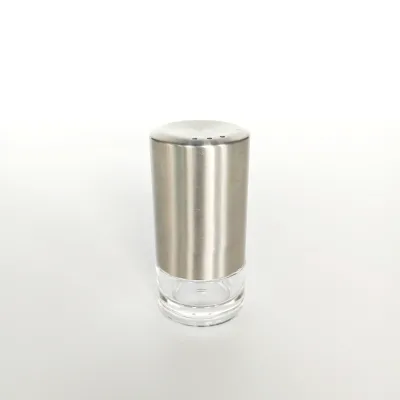
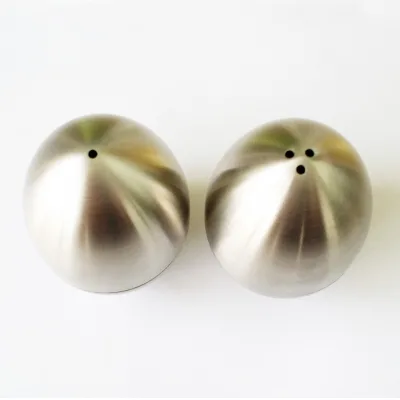
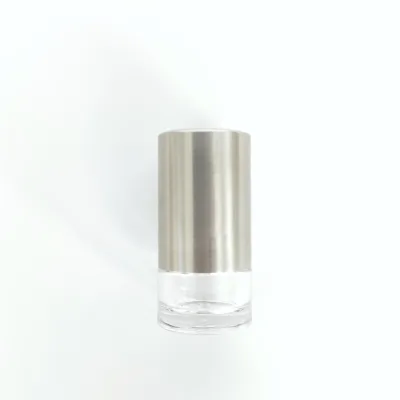
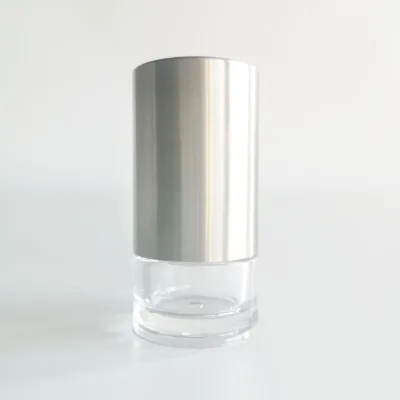
Metal Salt and Pepper Shaker Mini Spice Shaker Set with Stainless Steel Cap
$0.69 - $0.86
MOQ: 100 pieces




New Design Manual Table Salt and Pepper Shakers Ceramic Pepper Grinder Bottle
$0.35 - $0.50
MOQ: 1000 Pieces
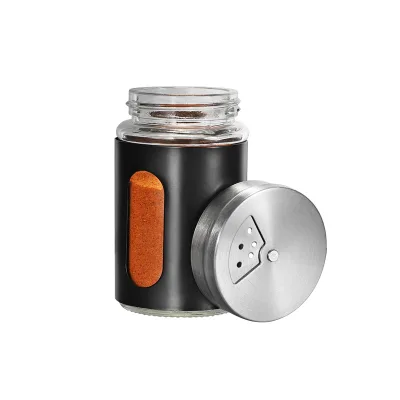


4 in 1 Plastic Salt and Pepper Shaker for Kitchen Cooking and Seasoning
$0.30 - $0.35
MOQ: 5000 Pieces
Comprehensive Sourcing Guide
Eco-Friendly Metal Salt and Pepper Shakers Sourcing Guide
Procuring eco-friendly metal salt and pepper shakers requires a strategic focus on material integrity and sustainable manufacturing practices. Buyers must prioritize suppliers who utilize recycled stainless steel or other durable metals to minimize environmental impact while ensuring product longevity. The definition of "eco-friendly" in this context extends beyond the primary material to include packaging, production energy sources, and the absence of harmful chemical coatings. It is essential to distinguish between products that are merely metal-based and those that are genuinely sustainable, as the latter often involve specific recycling processes or low-carbon manufacturing techniques that justify a premium price point in the B2B market.
Understanding the scope of available options helps buyers align their procurement strategy with specific operational needs. Listings indicate a variety of shapes, including round and shaker designs, which cater to different aesthetic and functional requirements for home or bar applications. The presence of customizable features, such as logos and specific cap materials, suggests that suppliers are prepared to accommodate brand-specific needs. However, buyers should be cautious of generic descriptions and seek detailed specifications regarding the metal grade and any additional components, such as ceramic cores or plastic inserts, to ensure the product meets both sustainability goals and functional expectations for daily use.
Product Scope and Observed Listing Signals
The observed product listings reveal a diverse range of materials and designs, with stainless steel being a prominent choice for metal shakers. While some products feature glass or ceramic components, the focus on metal indicates a preference for durability and a sleek, modern aesthetic. Buyers should note that "metal" can refer to various alloys, and the specific type of steel used significantly impacts the product's resistance to corrosion and its overall lifespan. Verifying whether the metal is food-grade is a critical step, as this ensures safety for direct contact with condiments. Additionally, the inclusion of features like LED lighting or scales in some listings highlights the trend toward multifunctional kitchen accessories.
Listing signals also point to significant customization capabilities, with options for OEM services and custom logos. This flexibility allows businesses to create branded items for retail or hospitality use, enhancing brand visibility. However, the variation in standard sizes, ranging from small to medium capacities, requires buyers to match the product dimensions to their specific storage and usage scenarios. For instance, a 180ml capacity might suit individual use, while larger options could be better for commercial settings. Buyers should request detailed technical sheets to confirm exact dimensions and material compositions, as these details are often omitted in general product descriptions. This ensures that the final product aligns with both aesthetic preferences and practical requirements.
Technical Specifications to Verify
When evaluating metal salt and pepper shakers, buyers must scrutinize the material composition to ensure it meets food safety standards. Stainless steel is a common choice, but the specific grade, such as 304 or 316, determines its resistance to rust and chemical interaction with salt or pepper. Verifying the presence of a lead-free feature is also crucial, as this indicates compliance with basic safety regulations. Additionally, the design of the shaker mechanism, whether rotary or manual, affects the user experience and the consistency of the dispensed condiment. Buyers should request samples to test the smoothness of the mechanism and the precision of the holes, as these factors directly impact the product's functionality and customer satisfaction.
Beyond the primary material, the cap and lid materials play a significant role in the product's overall durability and aesthetic appeal. Listings indicate options for stainless steel, plastic, or ceramic cores, each offering different benefits. For example, a ceramic core can provide a smoother grinding action, while a metal cap offers greater durability. Buyers should verify the compatibility of these components with the main body to ensure a secure fit and prevent leakage. Furthermore, the size specifications, such as height and diameter, must be confirmed to ensure the shaker fits within existing storage solutions or display units. Detailed technical drawings or CAD files can be requested to facilitate this verification process and ensure accurate production.
Compliance and Safety Documentation
Compliance with international safety standards is a non-negotiable aspect of sourcing food-contact metal products. Buyers should request documentation proving that the metal shakers meet relevant food safety regulations, such as those governing heavy metal migration and surface finish. While specific certifications like ISO are mentioned in some listings, buyers must verify the scope of these certifications to ensure they cover the specific product in question. Additionally, documentation regarding the absence of harmful substances, such as lead or cadmium, is essential for ensuring consumer safety. This documentation should be provided by the supplier and may include test reports from accredited laboratories, which serve as evidence of the product's compliance with safety standards.
In addition to safety certifications, buyers should inquire about the environmental certifications that support the "eco-friendly" claim. This may include certifications related to recycled content, energy efficiency in manufacturing, or sustainable sourcing of raw materials. Verifying these claims through third-party audits or certifications helps buyers make informed decisions and avoid greenwashing. Furthermore, compliance with packaging regulations is important, especially for international shipments. Buyers should ensure that the packaging materials are also eco-friendly and comply with local regulations regarding waste management and recycling. This holistic approach to compliance ensures that the product meets both safety and sustainability criteria, reducing the risk of regulatory issues and enhancing brand reputation.
Cost Drivers and Commercial Terms
The cost of eco-friendly metal salt and pepper shakers is influenced by several factors, including the type of metal used, the complexity of the design, and the level of customization. Stainless steel, particularly higher grades, tends to be more expensive than other metals due to its superior durability and corrosion resistance. Customization options, such as laser engraving for logos or specific color finishes, can also increase the unit price. Buyers should request detailed quotations that break down the costs associated with each component, allowing for a clear understanding of the price structure. Additionally, the minimum order quantity (MOQ) plays a significant role in determining the unit price, with larger orders often resulting in lower per-unit costs.
Commercial terms, such as payment methods and shipping options, also impact the overall cost of procurement. Listings indicate that air express and sea shipping are available, with sea shipping generally being more cost-effective for large volumes. Buyers should negotiate payment terms that align with their cash flow, such as partial payments or letters of credit, to mitigate financial risk. Furthermore, the availability of free samples can be a valuable tool for evaluating product quality before committing to a large order. Buyers should clarify the terms for sample requests, including any associated costs or shipping fees, to avoid unexpected expenses. By carefully negotiating these commercial terms, buyers can optimize their procurement costs while maintaining a strong supplier relationship.
Supplier Qualification and Quality Control
Selecting a qualified supplier is critical to ensuring the consistent quality of eco-friendly metal salt and pepper shakers. Buyers should evaluate suppliers based on their manufacturing capabilities, quality control processes, and track record of delivering on time. Requesting a factory audit or visiting the production facility can provide valuable insights into the supplier's operations and commitment to quality. Additionally, reviewing the supplier's client portfolio and references can help assess their reliability and ability to meet specific requirements. Suppliers with a proven history of working with reputable brands are often more likely to deliver high-quality products that meet stringent standards.
Implementing a robust quality control process is essential to minimize defects and ensure product consistency. Buyers should agree on a quality control plan with the supplier, including pre-production samples, in-line inspections, and pre-shipment inspections. This multi-stage approach helps identify and address potential issues early in the production process, reducing the risk of receiving defective products. Additionally, buyers should specify the acceptable defect rate and the criteria for rejecting non-conforming products. By establishing clear quality control protocols, buyers can ensure that the final products meet their expectations and maintain a high level of customer satisfaction. This proactive approach to quality management helps build a long-term partnership with the supplier and ensures the success of the product in the market.
Long-Term Procurement Checks
Establishing a long-term procurement strategy involves more than just securing a single order; it requires building a sustainable relationship with the supplier. Buyers should regularly review the supplier's performance, including on-time delivery rates, quality metrics, and responsiveness to inquiries. Conducting periodic audits or reviews helps ensure that the supplier continues to meet the required standards and adapts to any changes in market conditions or regulations. Additionally, maintaining open communication channels with the supplier allows for the timely resolution of any issues and the exploration of new opportunities for collaboration. This ongoing engagement helps foster a partnership that is built on trust and mutual benefit.
Sustainability considerations should also be integrated into long-term procurement checks. Buyers should monitor the supplier's environmental practices and ensure that they continue to align with the company's sustainability goals. This may involve reviewing the supplier's carbon footprint, waste management practices, and efforts to reduce their environmental impact. Additionally, buyers should stay informed about emerging trends and technologies in the metal shaker industry, such as new materials or manufacturing processes that offer improved sustainability. By staying proactive and engaged, buyers can ensure that their procurement strategy remains aligned with their long-term business objectives and contributes to a more sustainable supply chain. This holistic approach to procurement helps mitigate risks and enhances the overall value of the product for end consumers.
FAQs
Can I get free samples for Eco-Friendly Metal Salt and Pepper Shakers?
Yes, free samples are available for these shakers to help you evaluate quality before placing a bulk order. This allows buyers to verify the lead-free glass or stainless steel construction and the rotary design features without initial cost.
What is the minimum order quantity for these shakers?
The minimum order quantity varies by model, ranging from 500 pieces to 5000 pieces in stock. Specific models like the porcelain shaker require 500 pieces, while others may need 3000 or 5000 pieces depending on the customization and material selected.
Which certifications do these shakers hold for safety?
These shakers hold ISO certification to ensure they meet international safety and quality standards. The products are also lead-free, making them safe for home and bar use while complying with necessary regulatory requirements for food contact materials.
How can I customize the logo on these shakers?
You can request a customized logo on these shakers as OEM services are acceptable for most models. This customization option allows you to brand the rotary or manual shakers with your specific design while maintaining the high-quality ceramic or stainless steel finish.
What materials are used for the caps and lids?
The caps and lids are made from stainless steel, plastic, or a combination with a ceramic core. Some models offer customizable options for these components, ensuring durability and a secure fit for the glass or stainless steel body of the shaker.
Can these shakers be used in commercial bar settings?
Yes, these shakers are suitable for bar usage as well as home applications. The durable stainless steel and glass construction supports frequent handling, while the rotary design and various capacities like 450ml meet the needs of professional bartenders and home cooks alike.
What is the lead time for shipping these shakers?
Shipping options include air express and sea shipping, with lead times depending on the selected method and order volume. The products are sourced from China, and specific delivery schedules will be determined based on your location and the total quantity ordered.