Source Eco-Friendly Modern Sling Chair for Office, Hotel, Bar
Find 30 Eco-Friendly Modern Sling Chair options from China. Compare specifications for fabric, metal, and wood materials. View prices, MOQs, and delivery times for commercial and home office applications; compare the available evidence and request quotations based on your requirements.
Key considerations
Products List

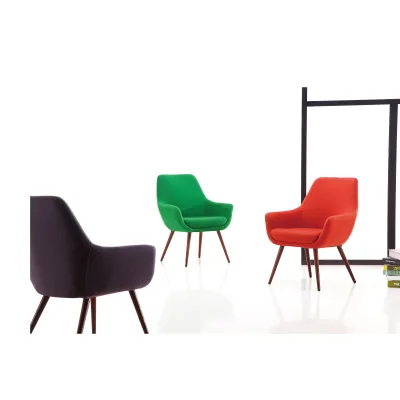


Comprehensive Sourcing Guide
Eco-Friendly Modern Sling Chair Sourcing Guide
Sourcing eco-friendly modern sling chairs requires a careful balance between aesthetic appeal, structural integrity, and sustainable material sourcing. The term "sling chair" typically refers to seating where the seat and backrest are suspended from a frame using tensioned fabric or mesh, offering a lightweight yet durable solution for various environments. Buyers must distinguish between chairs that utilize natural wood frames and those that rely on metal structures, as each material class presents different environmental and durability profiles. The modern design style often emphasizes clean lines and minimalism, which can be achieved through both contemporary fabric choices and simple geometric forms. Understanding these distinctions is crucial for aligning product selection with specific brand values and functional requirements.
The procurement landscape for these items is diverse, with suppliers offering a wide range of customization options to meet specific commercial needs. Many manufacturers provide customized designs, allowing buyers to tailor dimensions, colors, and materials to their exact specifications. This flexibility is particularly valuable for hospitality and office sectors where brand consistency is paramount. However, the availability of eco-friendly credentials varies significantly among suppliers. While some products may highlight sustainable materials like FSC-certified wood or OEKO-TEX certified fabrics, these attributes are not universal across all listings. Buyers must verify these claims individually rather than assuming they apply to the entire category, ensuring that their sustainability goals are genuinely met by the specific products they intend to purchase.
Product Scope and Observed Listing Signals
The observed market signals indicate a broad spectrum of products categorized under leisure and office furniture, with prices ranging from approximately $1.90 to $1500 USD. This wide variance suggests that the category includes both basic, mass-produced items and high-end, specialized designs. The minimum order quantities (MOQ) also vary significantly, starting from just one piece for some customized items up to large container loads like 40HQ for standardized bar or outdoor furniture. This disparity highlights the importance of defining your volume requirements early in the sourcing process. Smaller MOQs are ideal for prototyping or small-scale commercial projects, while larger volumes may unlock better pricing but require stricter adherence to standardized designs.
Product attributes observed in listings include materials such as wood, metal, and fabric, with specific mentions of Textilene and polyester cushions. The style is predominantly modern or contemporary, often featuring simple or fixed rotary mechanisms. Some products are designed for specific applications like bars, hotels, dining rooms, and outdoor settings, while others are intended for home offices. The packaging methods also differ, with some items shipped in cartons with wood frames and others in brown boxes, potentially stacked. These logistical details are critical for calculating landed costs and ensuring that the products arrive in pristine condition. Buyers should carefully review the packing specifications to determine if additional protective measures or handling instructions are necessary for their supply chain.
Technical Specifications to Verify
Verifying technical specifications is essential to ensure that the sling chairs meet the functional and spatial requirements of the intended environment. Key dimensions such as length, width, and height must be confirmed, as variations can impact seating comfort and space planning. For instance, some models have specific standard sizes like 740830750mm or 566588cm, while others may have multiple size options listed. Buyers should request detailed technical drawings or 3D models to visualize how the chair will fit within their layout. Additionally, the frame material, whether steel or wood, and the coating process, such as gray powder coating, affect both the aesthetic and the longevity of the product. These details must be explicitly stated in the product specifications to avoid discrepancies between the ordered item and the delivered product.
The type of fabric used for the sling is another critical technical aspect, with Textilene being a common choice due to its durability and breathability. The fabric density, such as 2*1 Textilene, and the cushion material, like polyester, contribute to the overall comfort and wear resistance of the chair. Buyers should inquire about the tensile strength and UV resistance of the fabric, especially for outdoor applications. Furthermore, the assembly requirements and foldability of the chair should be clarified, as some models are designed to be unfolded and fixed, while others may offer portability. Understanding these technical nuances helps in selecting the right product for specific use cases, whether it is for high-traffic commercial areas or more relaxed leisure settings.
Compliance and Safety Documentation
Compliance with safety and quality standards is non-negotiable when sourcing furniture for commercial use. Buyers must ensure that the suppliers provide relevant certifications, such as TUV, which indicates that the product has undergone rigorous testing for safety and performance. While some listings mention FSC certification for wood materials, this is not a universal attribute and must be verified on a case-by-case basis. Similarly, OEKO-TEX certification for fabrics ensures that the materials are free from harmful substances, which is particularly important for indoor environments like offices and hotels. These certifications serve as proof of the supplier's commitment to quality and environmental responsibility, providing buyers with the necessary documentation for their own compliance audits.
In addition to material certifications, buyers should request test reports that validate the structural integrity and durability of the sling chairs. These reports should cover load-bearing capacity, stability, and resistance to wear and tear. For outdoor furniture, additional tests for weather resistance and UV stability are crucial to ensure the product can withstand environmental exposure. Buyers should also verify that the suppliers adhere to relevant international standards for furniture safety, such as those set by BIFMA or EN standards, depending on the target market. Having these documents readily available not only mitigates risk but also enhances the credibility of the final product in the eyes of end-users and regulatory bodies.
Cost Drivers and Commercial Terms
The cost of eco-friendly modern sling chairs is influenced by several factors, including material selection, customization level, and order volume. High-quality materials like solid wood or premium Textilene fabric will naturally command higher prices compared to standard alternatives. Customization options, such as bespoke dimensions or unique color schemes, can also increase the unit cost due to the additional labor and material waste involved. Buyers should negotiate clearly on the pricing structure, understanding whether the quoted price includes packaging, shipping, and any applicable taxes. The observed price range of $1.90 to $1500 USD reflects these variables, so it is essential to align the budget with the desired quality and feature set.
Commercial terms, including payment methods and delivery times, play a significant role in the overall procurement strategy. Common payment terms include T/T and PayPal, offering flexibility for different transaction sizes. Delivery times typically range from 30 to 45 days, which buyers must account for in their inventory planning. For larger orders, such as those requiring 40HQ containers, lead times may be longer due to production scheduling and logistics. Buyers should also consider the aftersale service provided by the supplier, as a robust support system can reduce long-term maintenance costs. Clear communication regarding these terms helps in avoiding unexpected expenses and ensures a smooth transaction process from order placement to delivery.
Supplier Qualification and Quality Control
Qualifying suppliers is a critical step in ensuring the reliability and consistency of the sourced products. Buyers should conduct thorough due diligence, verifying the supplier's business license, production capacity, and quality management systems. Suppliers with a proven track record in manufacturing modern furniture are more likely to deliver products that meet specified standards. It is advisable to request samples before placing bulk orders to assess the build quality, material finish, and overall aesthetic. This hands-on evaluation allows buyers to identify any potential issues early in the process, reducing the risk of receiving substandard products. Additionally, checking references from previous clients can provide insights into the supplier's reliability and customer service quality.
Implementing a robust quality control process is essential to maintain product consistency across large orders. Buyers should define clear quality acceptance criteria, including tolerances for dimensions, fabric tension, and frame stability. Regular inspections during production and before shipment can help catch defects early, allowing for timely corrections. For customized orders, close collaboration with the supplier's design team is necessary to ensure that the final product matches the approved prototypes. Buyers should also establish a clear protocol for handling defective items, including return policies and compensation terms. A proactive approach to quality control not only protects the buyer's investment but also enhances the reputation of the brand in the market.
Long-Term Procurement Checks
Long-term procurement success depends on establishing a sustainable and adaptable supply chain. Buyers should regularly review supplier performance metrics, such as on-time delivery rates, defect rates, and responsiveness to issues. Continuous monitoring helps in identifying potential risks and opportunities for improvement. Building strong relationships with suppliers can lead to better pricing, priority production scheduling, and access to new product innovations. It is also important to stay updated on industry trends and regulatory changes that may impact material sourcing or product design. By maintaining a flexible and informed procurement strategy, buyers can ensure that their product offerings remain competitive and relevant in the evolving market landscape.
Sustainability should be a core component of long-term procurement strategies, driving decisions towards more eco-friendly materials and processes. Buyers should encourage suppliers to adopt sustainable practices, such as using recycled materials or reducing waste during production. Regular audits of the supply chain can help verify these commitments and ensure compliance with environmental standards. Additionally, exploring opportunities for local sourcing or regional manufacturing can reduce carbon footprints and logistical complexities. By prioritizing sustainability, buyers not only contribute to environmental preservation but also appeal to increasingly eco-conscious consumers. This strategic focus on long-term value creation fosters resilience and competitiveness in the global marketplace.
FAQs
What customization options are available for this chair?
Customization is available for this modern sling chair to meet specific buyer needs. The product supports customized designs while maintaining high quality standards. Buyers can request specific features to align with their office or leisure requirements without compromising durability.
How long does delivery take for these chairs?
Delivery typically takes between 30 to 45 days after order confirmation. This lead time applies to the standard production cycle for the listed models. Buyers should plan their procurement schedule accordingly to ensure timely arrival at their destination.
What is the minimum order quantity for this product?
The minimum order quantity can be as low as one piece for certain items. However, some specific models may require a higher volume such as a 40hq container. Please check the specific model details to confirm the exact MOQ before placing an order.
Which certifications does the manufacturer hold?
The manufacturer holds TUV certification for the products listed on the page. This indicates compliance with specific safety and quality standards. Buyers seeking certified office furniture can rely on this documented verification for their procurement decisions.
Can I find these chairs in a modern style?
Yes, the product is explicitly described as having a modern design style. It is categorized as contemporary office furniture suitable for home offices or commercial spaces. The sleek appearance aligns with current trends in modern interior design.
What materials are used to construct the frame?
The frames are constructed from steel or wood depending on the specific model. Some versions feature textilene fabric while others use polyester cushions. These durable materials ensure the chairs are suitable for both indoor and outdoor commercial use.
Where are these chairs manufactured and shipped from?
These chairs originate from Guangdong, China, as stated in the product facts. The place of origin is clearly identified as China for all listed items. Buyers can expect shipping logistics to be managed from this specific regional location.