Source Eco Friendly Modern Wooden Placemat and Coaster Set for Home Hotel
Find 30 Eco Friendly Modern Wooden Placemat and Coaster Set options from Chinese manufacturers. Compare custom sizes, oval and round shapes, and heat-resistant features for home, hotel, and restaurant use; compare the available evidence and request quotations based on your requirements.
Key considerations
Products List

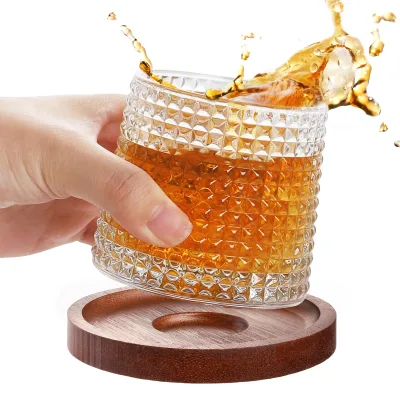
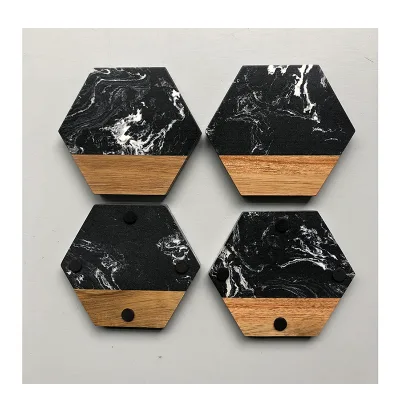
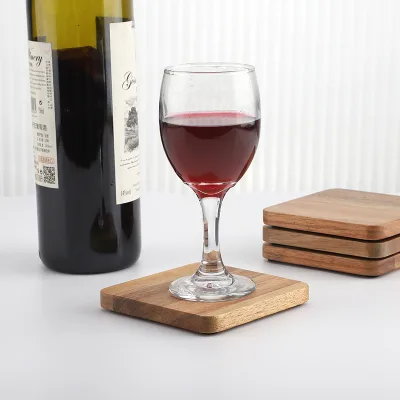
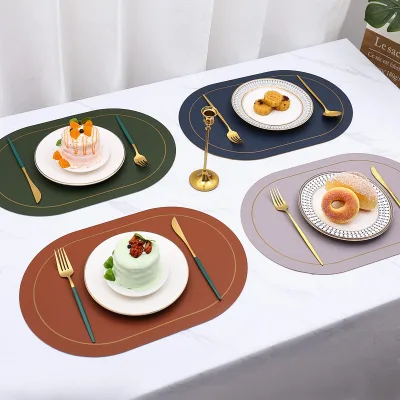
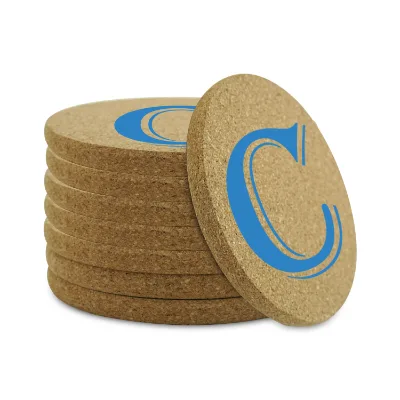



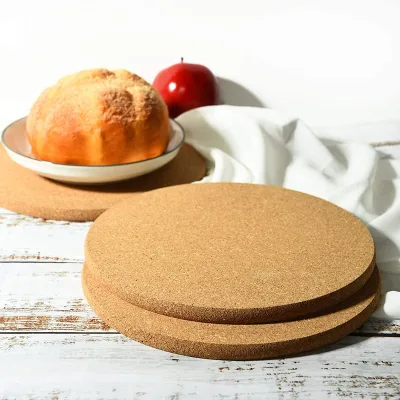

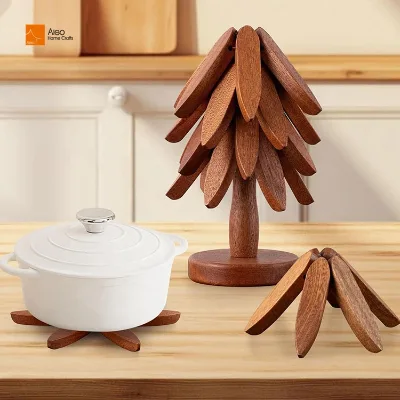
Modern Beech Wood Coaster Set with Snow Flower Shape Eco-Friendly Minimalist Design
$0.22 - $0.39
MOQ: 1000 pieces
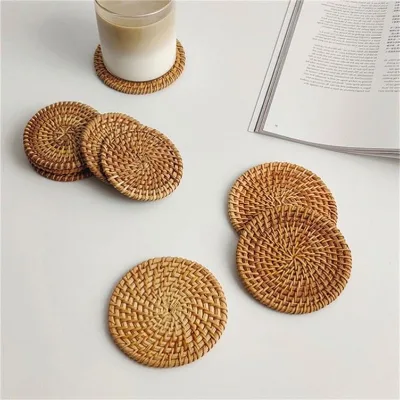


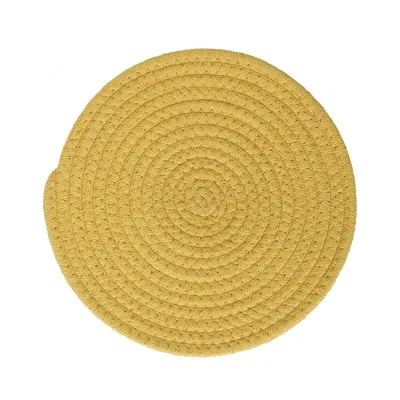
Minimalist Cotton Woven Cup Coaster Absorbent Coaster Set for Home Decor
$1.79 - $1.86
MOQ: 500 Pieces

Comprehensive Sourcing Guide
Eco Friendly Modern Wooden Placemat and Coaster Set Sourcing Guide
Sourcing eco-friendly modern wooden placemats and coaster sets requires a careful balance between aesthetic appeal, functional durability, and sustainable material sourcing. Buyers must navigate a market where "wood" is a broad category, encompassing everything from solid hardwoods to engineered composites, each with distinct performance characteristics. The observed product landscape includes items labeled as wooden coasters with specific styles such as American or New Chinese designs, indicating a diverse range of aesthetic preferences in the current supply chain. Understanding these variations is crucial for aligning product selection with target market expectations, whether for high-end hospitality or contemporary home decor.
The procurement process also involves verifying the specific attributes that define the "eco-friendly" claim, such as the use of natural materials and heat-resistant properties. Listings often highlight features like reusability and natural health benefits, which are key selling points for environmentally conscious consumers. However, buyers must distinguish between marketing terms and verifiable material compositions, such as 100% natural marble or specific wood types. This guide provides a structured approach to evaluating suppliers, ensuring that the final product meets both functional requirements and sustainability standards without compromising on quality or design integrity.
Product Scope and Observed Listing Signals
The current market for wooden placemats and coasters exhibits a wide range of stylistic and material variations, as evidenced by observed listings featuring American style, Christmas themes, and contemporary designs. Products are frequently described with attributes such as "high quality," "heat resistant," and "customized logo acceptable," indicating a strong demand for branded and functional table accessories. The presence of items made from 100% natural marble alongside wooden options suggests that buyers often consider mixed-material sets or alternative natural stone products when seeking eco-friendly solutions. This diversity requires buyers to clearly define their material preferences early in the sourcing process to avoid misalignment with supplier capabilities.
Observed specifications reveal significant variability in dimensions, with sizes ranging from custom dimensions to specific measurements like 182CM or 1010cm. Packaging details, such as single package sizes of 23X21X6 cm or 30X30X30 cm, highlight the logistical considerations involved in shipping these items. Buyers should note that while some products are marketed as "stocked," others require custom manufacturing, which impacts lead times and inventory management. The emphasis on customized colors and shapes, including oval and irregular forms, underscores the importance of verifying sample quality before committing to large orders, ensuring that the final product matches the desired aesthetic and functional standards.
Technical Specifications to Verify
Verifying technical specifications is critical to ensuring that wooden placemats and coasters meet functional requirements, particularly regarding heat resistance and durability. Buyers should confirm the exact material composition, distinguishing between solid wood, engineered wood, or composite materials, as each offers different levels of resistance to moisture and heat. Specifications such as thickness, for example, 1cm for marble coasters, provide insight into the product's sturdiness and longevity. It is essential to request detailed material data sheets that outline the wood species, treatment processes, and any coatings used, ensuring that the product aligns with the claimed eco-friendly and heat-resistant attributes.
Dimensional accuracy and packaging integrity are also key technical factors that impact both product performance and logistics. Buyers must verify that the single gross weight and package dimensions match the supplier's declarations to avoid unexpected shipping costs or handling issues. The presence of custom size options suggests flexibility, but buyers should establish clear tolerances for these customizations to ensure consistency across batches. Additionally, verifying the shape and finish, whether round, oval, or irregular, is necessary to guarantee that the products fit the intended table settings and aesthetic themes, preventing discrepancies between samples and bulk production.
Compliance and Safety Documentation
Compliance with safety and environmental standards is paramount when sourcing wooden table accessories, especially those marketed as eco-friendly and natural. Buyers must request documentation that verifies the absence of harmful chemicals, such as formaldehyde in adhesives or toxic finishes, which are common concerns in wood product manufacturing. While specific certification statuses are not universally listed, buyers should inquire about compliance with international standards for food contact safety and sustainable forestry practices. This due diligence ensures that the products are safe for use in homes, hotels, and restaurants, protecting both the end consumer and the brand's reputation.
Additionally, buyers should verify any claims related to the "natural healthy" advantages of the products, ensuring that these assertions are supported by credible testing or certification. Documentation should include proof of origin, particularly for products sourced from regions like Shandong, China, to assess the sustainability of the supply chain. Buyers must also consider the environmental impact of packaging materials, ensuring that they are recyclable or biodegradable to align with the eco-friendly positioning of the products. This comprehensive approach to compliance helps mitigate risks and ensures that the sourced items meet the highest standards of safety and sustainability.
Cost Drivers and Commercial Terms
Cost drivers for wooden placemats and coasters include material selection, customization levels, and order volume, all of which significantly impact the final price. The observed price range of 0.19-6.45 USD reflects the variability in product quality, design complexity, and material type, with higher prices often associated with premium woods or intricate designs. Buyers should consider the minimum order quantity (MOQ), which ranges from 1 to 1000 pieces, as this affects unit costs and inventory management. Understanding these cost dynamics allows buyers to negotiate effectively and align their procurement strategy with their budget and sales projections.
Commercial terms, such as sample times and payment conditions, also play a crucial role in the sourcing process. Sample times of 7-10 days indicate the lead time required for product evaluation, which buyers must factor into their planning. The acceptance of customized logos and colors adds value but may incur additional costs or extend production times. Buyers should clearly define their requirements for packaging and branding early in the negotiation process to avoid hidden fees. Establishing clear commercial terms ensures transparency and helps prevent disputes, facilitating a smoother procurement experience from sample approval to final delivery.
Supplier Qualification and Quality Control
Supplier qualification is a critical step in ensuring the reliability and consistency of wooden placemat and coaster supplies. Buyers should assess suppliers based on their production capabilities, quality control processes, and ability to meet customization requests. The presence of brands like KHMY, Qilukangyi, and Cosen in the market indicates a competitive landscape with varying levels of expertise. Buyers must verify the supplier's track record in producing high-quality, eco-friendly products, paying attention to their ability to maintain consistency in material sourcing and manufacturing processes. This due diligence helps mitigate the risk of receiving substandard products that do not meet the specified requirements.
Quality control measures should include rigorous inspection of samples and bulk production, focusing on aspects such as material integrity, finish quality, and dimensional accuracy. Buyers should establish clear quality standards and inspection protocols, ensuring that any deviations are identified and addressed promptly. The ability to provide customized packaging and logos is also a key indicator of a supplier's flexibility and commitment to meeting buyer needs. By implementing robust quality control practices, buyers can ensure that the final products meet their expectations and maintain the brand's reputation for quality and sustainability.
Long-Term Procurement Checks
Long-term procurement success depends on establishing strong relationships with suppliers and continuously monitoring product performance and market trends. Buyers should regularly review supplier performance metrics, including on-time delivery, product quality, and responsiveness to issues, to ensure ongoing reliability. The dynamic nature of the market, with evolving consumer preferences for eco-friendly and modern designs, requires buyers to stay informed about new materials and technologies. This proactive approach allows buyers to adapt their sourcing strategies and maintain a competitive edge in the marketplace.
Additionally, buyers should conduct periodic audits of their supply chain to ensure compliance with sustainability and ethical standards. This includes verifying the source of raw materials and assessing the environmental impact of production processes. By maintaining a focus on long-term sustainability and quality, buyers can build a resilient supply chain that supports their brand's values and meets the evolving needs of their customers. Continuous improvement and collaboration with suppliers are key to achieving long-term procurement success and delivering high-quality, eco-friendly products to the market.
FAQs
What materials are used for these coasters?
The coasters are crafted from wood and 100% natural marble. The wooden options feature an eco-friendly design suitable for home, hotel, or restaurant use. Marble variants offer a contemporary style with a thickness of 1cm. Both materials ensure durability and heat resistance for daily table decoration and accessory needs.
Can I customize the logo and color?
Yes, customized logos and colors are acceptable for these products. Buyers can select specific shades like chocolate or brown for wooden items. Marble coasters also allow for custom sizing in various dimensions. This flexibility ensures the products align with your brand identity and specific interior design requirements for commercial or residential settings.
What is the minimum order quantity for these items?
The minimum order quantity is typically 500 sets or pieces, depending on the specific product variant. Some listings indicate an MOQ range of 1 to 1000 units. Buyers should verify the exact requirement for their chosen style, whether it is the American style wooden coaster or the contemporary marble option, to ensure compliance with supplier policies.
How long does sample production take?
Sample production generally requires 7 to 10 days. This timeframe allows for the creation of prototypes with customized logos, colors, or sizes. Buyers can use this period to evaluate the quality, heat resistance, and eco-friendly features before committing to a larger bulk order for their home, hotel, or restaurant decoration needs.
Where are these products manufactured?
These products originate from Shandong, China, and other regions within China. The manufacturing facilities produce both wooden and marble variants. Buyers can expect high-quality standards and customized packaging options. The location supports efficient sourcing for global markets, ensuring reliable delivery for commercial buyers seeking eco-friendly and heat-resistant table accessories.
Are these coasters heat resistant?
Yes, the coasters are designed to be heat resistant. This feature makes them ideal for protecting tables from hot drinks and cookware. The wooden and marble materials provide durable protection for home, hotel, or restaurant use. Buyers can rely on this functionality for daily table decoration, ensuring safety and longevity for both the product and the furniture surface.