Source Eco Friendly Modern Wine Glass for bars, hotels, and restaurants
Compare 30 listings for Eco Friendly Modern Wine Glass options featuring glass materials, various shapes, and customization services. Buyers can review certifications like LFGB and FDA, MOQs ranging from 24 to 10,000 sets, and packaging details for wholesale sourcing.
Key considerations
Products List


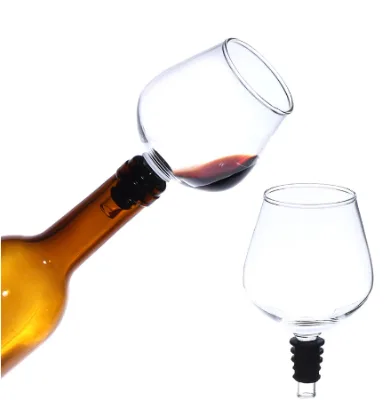
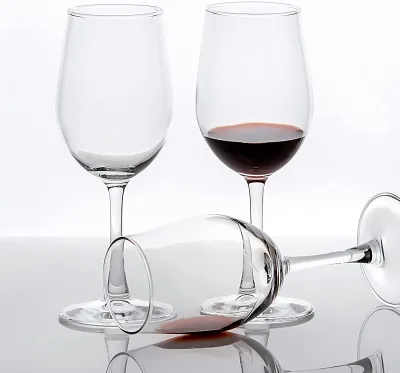
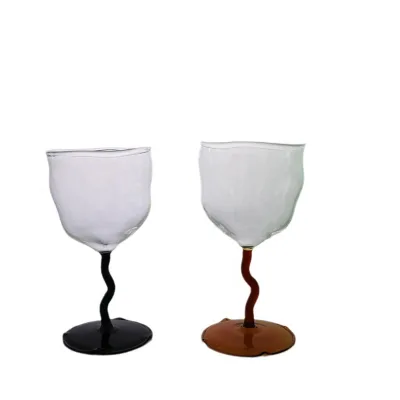


Comprehensive Sourcing Guide
Sourcing Guide for Eco-Friendly Modern Wine Glasses
Understanding Product Definitions and Material Standards
When sourcing eco-friendly modern wine glasses, buyers must first distinguish between the specific product categories available in the global market. The core keyword often encompasses a range of vessel types, from traditional goblets to contemporary tumblers. Based on current market observations, the material composition is a primary differentiator. The dominant material observed in this segment is glass, which offers the clarity and tactile quality expected in modern dining settings. However, the "eco-friendly" designation in this context frequently relates to the manufacturing process, the durability of the product to reduce replacement frequency, and the recyclability of the material at the end of its lifecycle.
The market presents distinct product models that align with the "modern" aesthetic. These include cylindrical shapes and rectangular designs, catering to diverse interior design styles ranging from casual to modern luxury. For instance, specific product lines are identified by model numbers such as WG-013, WG-001, and WG-014, each potentially offering unique dimensions and capacities. The capacity of these vessels varies, with observed specifications ranging from less than 10 ounces to specific volumes like 160ml and 300ml. This variation allows buyers to select products that match specific serving requirements, whether for fine dining in hotels or casual service in bars. The "modern" aspect is further realized through the availability of customization options, including custom shapes and logos applied via laser, spray, decal, or painted techniques.
Compliance and Certification Verification
For B2B procurement, particularly in the food and beverage sector, verifying compliance with international safety standards is non-negotiable. The "eco-friendly" claim must be substantiated by rigorous testing and certification. In the observed product data, a high frequency of certifications includes LFGB (German Food and Feed Code), FDA (US Food and Drug Administration), and CE / EU standards. These certifications indicate that the glass products meet specific safety thresholds regarding chemical migration and heavy metal content, ensuring they are safe for contact with food and beverages.
Additionally, other critical certifications such as CIQ (China Inspection and Quarantine), ROHS (Restriction of Hazardous Substances), and REACH (Registration, Evaluation, Authorisation and Restriction of Chemicals) are frequently cited. These standards are particularly relevant for suppliers exporting to Europe and North America. The presence of these certifications suggests that the manufacturing facilities adhere to strict environmental and safety protocols. However, buyers should not assume that every listed product possesses every certification. It is essential to request specific test reports for the exact model number being ordered. For example, while some product entries list EEC and CIQ alongside LFGB and FDA, others may only list LFGB and ROHS. The verification process should involve confirming that the certification applies to the specific production batch and that the documentation is current and valid for the target export market.
Cost Drivers and Minimum Order Quantities
The pricing structure for eco-friendly modern wine glasses is influenced by several variables, including material quality, customization complexity, and order volume. The observed price range in the market spans from approximately $0.04 to $12.00 per unit. This wide disparity indicates that the final cost is highly dependent on the specific product configuration. Basic, unbranded tumblers or goblets likely fall at the lower end of this spectrum, while customized sets with complex branding, unique shapes, or premium packaging will command higher prices.
Minimum Order Quantity (MOQ) is another significant cost driver. Suppliers typically enforce MOQs to ensure production efficiency. The observed MOQ range in the market is substantial, varying from 24 pieces to 10,000 sets. Specific models demonstrate this variance clearly: one model may require an MOQ of 100 sets, while another might demand 480 pieces, and a third could require 240 pieces. For larger commercial buyers, an MOQ of 3,000 pieces is also observed. These thresholds directly impact the unit cost; higher volumes generally result in lower per-unit pricing. Buyers must align their order quantities with their inventory needs and cash flow constraints. It is also important to note that customization services, such as ODM (Original Design Manufacturing) or OEM (Original Equipment Manufacturing) logo application, may incur additional setup fees or higher MOQs compared to standard stock items.
Technical Specifications and Packaging Logistics
Technical specifications extend beyond the physical dimensions of the glass to include packaging and shipping logistics. The standard dimensions for the glassware itself vary by model, with capacities ranging from 100ml to 200ml or specific volumes like 160ml and 300ml. The physical packaging is equally critical for protecting the product during transit. Common packaging methods include carton boxes or wooden boxes, with some suppliers offering customizable packaging solutions.
The logistical data provides insight into the efficiency of the supply chain. Standard carton dimensions are observed, such as 383214cm, 605045cm, and 705030cm. These dimensions correlate with the number of pieces per carton; for example, one configuration holds 48 pieces per carton weighing 16kg, while another holds 24 pieces weighing 8kg. Understanding these metrics is vital for calculating freight costs and optimizing container loading. Shipping methods are flexible, with options available for sea, air, and train transport. The origin of these products is predominantly China, with specific manufacturing hubs noted in locations like Liling, Hunan. Buyers should factor in the lead time for sample production, which is typically observed between 3 to 7 days, and the longer lead times associated with bulk production and custom branding.
Typical Applications and Market Segmentation
The versatility of eco-friendly modern wine glasses allows them to serve a broad spectrum of commercial applications. The primary target markets include restaurants, bars, and hotels, where durability and aesthetic appeal are paramount. The "Casual, Classic, Modern, and Modern Luxury" design styles observed in the product data suggest that these glasses can be integrated into various interior themes. For instance, a rectangular shape might suit a modern, minimalist bar, while a cylindrical goblet could complement a classic wine cellar.
Beyond hospitality, these products are also utilized for promotional gifts and commercial buyer events. The ability to apply custom logos via laser or spray makes these glasses ideal for corporate branding, event souvenirs, and retail promotions. The "Support" for occasion selection indicates that suppliers are prepared to tailor products for specific events, such as weddings, corporate anniversaries, or product launches. The commercial buyer profile often includes food and beverage stores, further expanding the potential market reach. The "Eco-Friendly" feature is increasingly a selling point for establishments aiming to reduce their environmental footprint, appealing to a growing demographic of environmentally conscious consumers.
Supplier Evaluation and Quality Control Protocols
Evaluating suppliers requires a multi-faceted approach that goes beyond price comparison. Buyers should prioritize suppliers who demonstrate transparency in their certification status and production capabilities. The presence of ODM and OEM services indicates a supplier's ability to collaborate on design and branding, which is crucial for buyers seeking unique products. When evaluating quality, the focus should be on the consistency of the glass material and the precision of the manufacturing process.
Quality control protocols should be established before production begins. This includes verifying the "Sample" provision process. Many suppliers offer free samples or samples upon request, with a typical sample time of 3 to 7 days. Buyers should utilize these samples to physically inspect the glass for defects, clarity, and the quality of any applied logos. It is also essential to confirm the "Custom Shape" capabilities if a unique design is required. The supplier's ability to maintain consistent dimensions and weight, as seen in the standard packaging data, is a key indicator of manufacturing reliability. Furthermore, buyers should inquire about the supplier's internal quality assurance measures, ensuring that every batch meets the agreed-upon specifications for capacity, shape, and certification compliance.
Long-Term Procurement Considerations
Sourcing eco-friendly modern wine glasses is not merely a transactional event but a strategic decision that impacts long-term brand reputation and operational efficiency. The durability of the glass is a critical factor; high-quality glass reduces breakage rates and replacement costs over time. The "Eco-Friendly" attribute, when backed by genuine certifications like LFGB and ROHS, adds value to the buyer's brand by aligning with sustainability goals. This alignment can be a differentiator in competitive markets like the hospitality industry.
Buyers should also consider the scalability of their supply chain. The wide range of MOQs, from 24 to 10,000 units, allows for flexibility in scaling orders up or down based on demand fluctuations. However, maintaining a relationship with a supplier who can handle both small, custom orders and large, standardized batches is advantageous. The availability of various shipping methods (sea, air, train) ensures that buyers can adapt to changing logistics requirements. Finally, the potential for future customization, such as new logo applications or design updates, should be discussed early in the procurement process to ensure the supplier remains a viable long-term partner. By focusing on these strategic elements, buyers can secure a reliable supply of high-quality, eco-friendly glassware that meets both functional and ethical standards.
FAQs
What certifications do eco friendly modern wine glasses typically have?
These glasses commonly carry LFGB, FDA, CE, and ROHS certifications to ensure safety. Some models also include CIQ and REACH compliance for export markets. Buyers should verify that specific test reports match the exact model number ordered before purchasing.
Can I get custom shapes and logos on these wine glasses?
Yes, customization is available with options for custom shapes and various logo application methods. Suppliers offer laser, spray, decal, and painted techniques for branding. ODM and OEM services are supported to meet specific design requirements for commercial buyers.
What are the typical minimum order quantities for these glass products?
Minimum order quantities vary significantly by model, ranging from 24 pieces up to 10,000 sets. Specific models may require 100 sets, 480 pieces, or 240 pieces as a baseline. Larger commercial orders often start at 3,000 pieces to secure better pricing.
How long does it take to receive samples for these wine glasses?
Sample production typically takes between 3 to 7 days to complete. Suppliers often provide free samples or samples upon request for quality inspection. Buyers should use this time to verify clarity, shape, and logo application quality before committing to bulk orders.
Which materials and shapes are used for modern wine glass sets?
The primary material used is glass, available in cylindrical and rectangular shapes. Products include goblets and tumblers with capacities ranging from under 10 ounces to 300ml. These designs support various styles from casual to modern luxury for restaurants and bars.
Where are these eco friendly modern wine glasses manufactured?
Most products originate from China, with specific manufacturing hubs noted in locations like Liling, Hunan. Suppliers utilize sea, air, and train transport for shipping. Buyers should confirm the exact origin and packaging details for each model to ensure logistics compatibility.