Source Eco Friendly Modern Metal Coaster for Bars, Hotels, and Homes
Find 30 Eco Friendly Modern Metal Coaster options from Guangdong suppliers. Compare custom finishes like black, gold, and rose gold, along with CNC and engraving techniques. Evaluate MOQs, sample availability, and logo printing methods for your specific sourcing needs; compare the available evidence and request quotations based on your requirements.
Key considerations
Products List
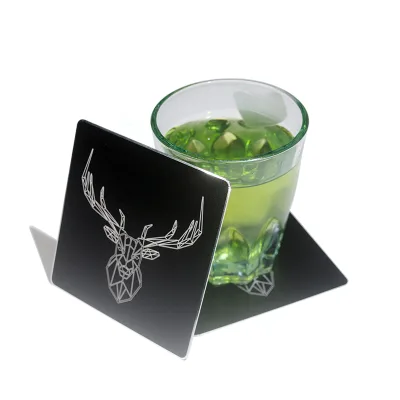
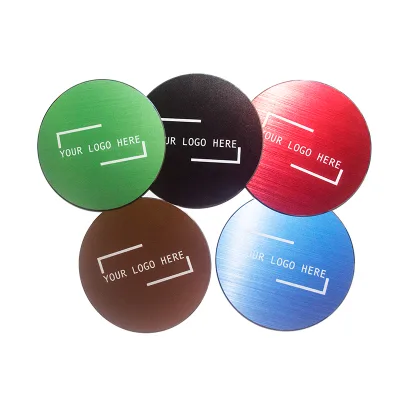
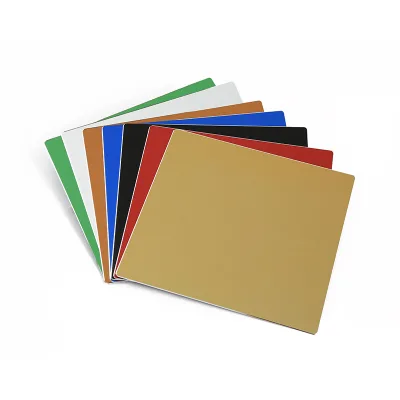
Custom Metal Aluminum coaster Metal bar Coasters Anodized Aluminium Drink Coasters
$0.50 - $2.00
MOQ: 100 Minimum
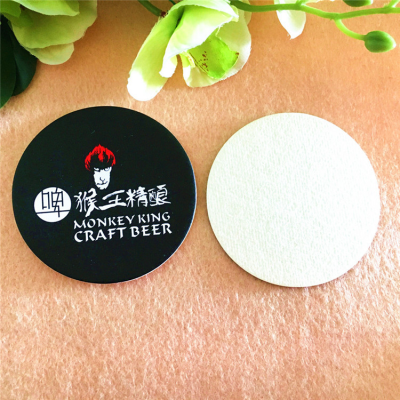
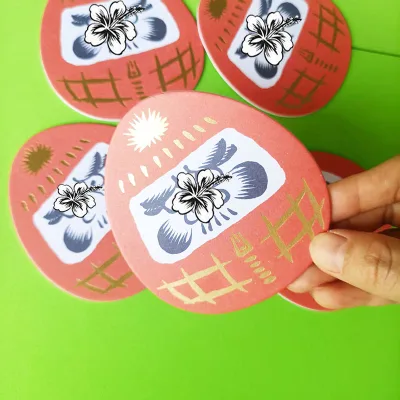
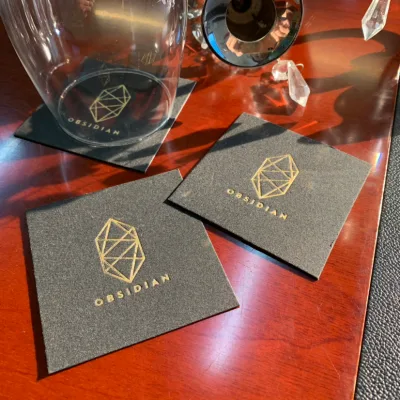
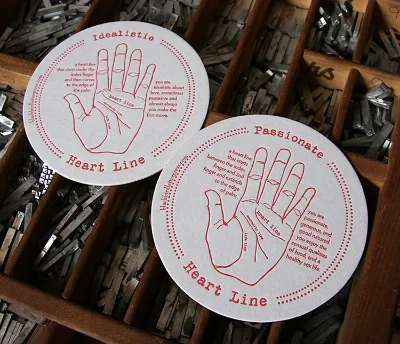
The Convex Process Water Absorbing coaster Can Be Customized with a logo
$0.05 - $0.07
MOQ: 10000 pieces

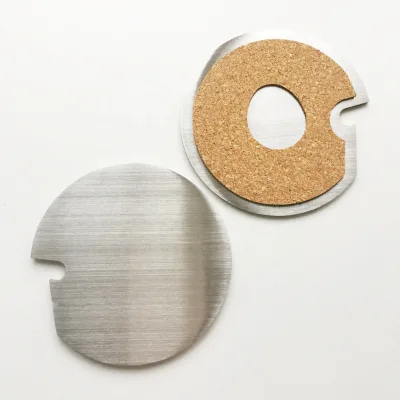





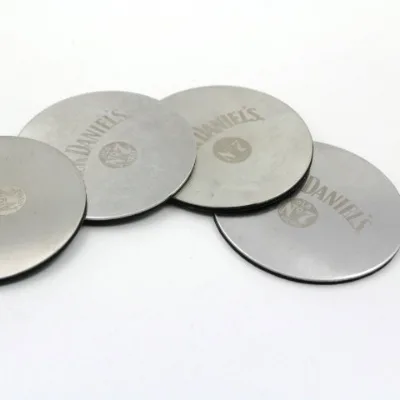
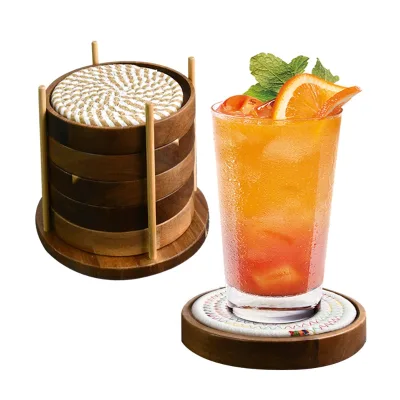




Comprehensive Sourcing Guide
Eco Friendly Modern Metal Coaster Sourcing Guide
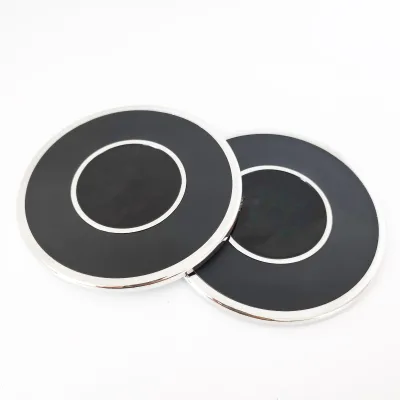
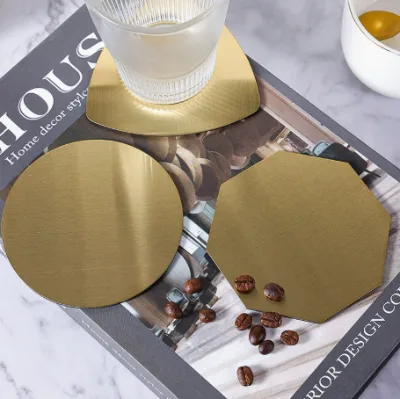
Eco friendly modern metal coasters sit at the intersection of two procurement priorities: durable, reusable drink protection for hospitality and retail environments, and environmentally responsible material and production choices. For B2B buyers, this product category covers round metal coasters in finishes such as black, gold, silver, rose gold, bronze, blue, and green, produced through techniques including CNC machining, engraving, printing, punching, anodizing, brushing, sandblasting, and painting. Listings in this category typically originate from Guangdong, China, with minimum order quantities observed anywhere from 100 pieces to 30,000 pieces and unit prices ranging from roughly $0.05 to $5.29 depending on material weight, finish, and customization level.
This guide is written for procurement teams, hospitality buyers, promotional product distributors, and private-label retailers evaluating metal coaster suppliers. The category also includes adjacent paper-based absorbent coasters, so buyers should confirm material type early in negotiations. Throughout the guide, emphasis is placed on verifying specifications directly with suppliers rather than relying on listing claims, since attributes such as finish, logo method, and eco-friendliness are presented as observations from product pages and must be confirmed through samples, documentation, and pre-shipment inspection before committing to volume orders.
Product Scope and Observed Listing Signals
Observed listings describe products as metal coasters with model numbers such as CARD-C0915-001, sold under brand names including Foison Metal and CY, with styles labeled fairy, Japan style, or contemporary. Sizes cluster around 85mm diameter, with variants at 100mm, 95×95mm, 92×92mm, and an 8.5×8.5cm square format, all available as customized dimensions. A single gross weight of approximately 0.012 kg and single package sizes of 9×9×1 cm and 10×10×7 cm appear in the data, which matters when calculating freight and dimensional weight. Applications listed include cup, bar, drink, tea, and coffee coaster uses in home, hotel, and restaurant settings.
Buyers should treat these listing signals as a starting map, not a guarantee. The same category also surfaces eco-friendly absorbent cardboard beer coasters with waxed or butter cardboard backside options and Pantone color matching, which differ fundamentally from metal in durability, cost, and disposal profile. Because design formats cited include CDR, AI, PDF, and JPG, buyers with vector artwork can expect smoother logo replication. Blank metal coaster labels are also listed, suggesting availability of unbranded stock for buyers who want to test demand before investing in custom tooling or decoration.
Technical Specifications to Verify
Begin with dimensions and thickness. The observed size notation of 0.8×85mm suggests an 85mm diameter with 0.8mm thickness, but buyers should request a physical dimensioned drawing specifying diameter or side length, thickness tolerance, edge treatment, and corner radius for square formats. Confirm whether the quoted size refers to the coaster body, the decorative face, or packaging. Weight matters for shipping cost calculations: verify single gross weight and net weight separately, and ask how quantity breaks affect carton dimensions and total shipment weight per thousand units.
Second, verify material and finish performance. Listings state metal construction with surface treatments including anodized, brushed, sandblasted, and painted finishes, and decoration via printing, laser engraving, or etching. Each combination behaves differently: printed logos may scratch or fade with repeated washing, while engraved and etched markings are typically more permanent. Ask suppliers to specify the base metal or alloy, coating composition, and finish durability under the buyer's actual usage conditions, such as bar service with condensation and cleaning. Request finish swatches or samples in each candidate color, since on-screen representations of rose gold, bronze, and green finishes frequently differ from delivered goods.
Compliance and Safety Documentation
Eco-friendly claims require evidence, not adjectives. When a listing states "Eco-Friendly" as a product feature, ask the supplier to define the claim: is it based on recyclable material content, absence of hazardous coatings, or a certified environmental management system? Request the material safety documentation for the base metal and any paints, lacquers, or anodizing treatments, particularly if coasters will contact food-adjacent surfaces or be used in restaurants and hotels where local regulations may apply. Buyers should verify which test reports the supplier can provide and which would need to be commissioned by the buyer.
Background context suggests FSC certification may be relevant to the paper coaster variants in this category, but buyers must not assume certification status without current documentation from the specific supplier. Ask for certificates directly, check certificate validity and scope, and confirm the certified entity matches the selling company. For metal products, inquire about compliance with destination-market chemical substance restrictions applicable to coatings and inks. Build documentation requirements into the purchase contract, specifying which reports must be delivered before shipment and what happens if documents are incomplete, since retrofitting compliance after production is rarely practical.
Cost Drivers and Commercial Terms
Observed pricing spans $0.05 to $5.29 per unit, and MOQs range from 100 to 30,000 pieces, indicating wide variation in product type and customization depth. Blank or stock coasters in standard sizes command the low end, while custom shapes, multi-color printing, engraved logos, premium finishes like rose gold, and heavier metal gauges push pricing upward. Tooling and setup charges for punching, die-cutting, or custom molds are typically amortized across the order; ask suppliers to separate unit price from tooling cost so reorder pricing can be negotiated without re-paying setup on repeat runs.
Commercial terms to clarify include sample policy, payment structure, Incoterms, and lead time. Several listings advertise free or available samples, with one citing a sample time of three to five days, but free sample policies may still require the buyer to cover freight. Confirm whether quoted prices are ex-works, FOB, or delivered, since a low unit price on unfavorable terms can cost more overall. Selling units are listed as single item, which simplifies quantity math, but confirm carton packing quantities. Finally, negotiate a price-validity window and volume-tier schedule upfront so future reorder economics are documented rather than renegotiated ad hoc.
Supplier Qualification and Quality Control
Qualify suppliers through a structured sequence before placing volume orders. Start with a sample evaluation: order physical samples of the exact size, thickness, finish, and logo method under consideration, and test them under realistic conditions including moisture exposure, stacking, and cleaning. Compare sample quality across at least two or three shortlisted suppliers. Verify business legitimacy through registered company documentation, and confirm the place of origin — listings point to Guangdong, China — matches the actual manufacturing facility rather than a trading intermediary, since direct factory relationships generally improve traceability and problem resolution.
For production quality control, define an inspection plan before the purchase order is signed. Specify critical-to-quality attributes: diameter and thickness within agreed tolerance, finish consistency across the batch, logo placement and legibility, edge burr removal, and packaging integrity. State the acceptable quality limits the buyer will apply during pre-shipment inspection, and whether inspection will be performed by the buyer, a third-party inspection service, or the supplier's internal QC with photographic evidence. For first orders, consider a phased release: approve a golden sample, inspect the initial production run against it, and only then authorize shipment of the balance.
Long-Term Procurement Checks
Sustained sourcing value depends on supplier consistency across reorder cycles. Maintain a documented product file for each coaster SKU containing the approved sample reference, dimensioned drawings, artwork files in CDR, AI, PDF, or JPG format, finish codes, and packaging specifications, so reorders reproduce the original rather than drifting. Track reorder performance metrics: on-time delivery, defect or replacement rates, and responsiveness to issues. Suppliers who accept OEM service and provide customized color, logo, and size options — as several observed listings state — can grow with the buyer's program, but verify that customization capability remains available at reorder volumes.
Also monitor commercial and regulatory drift over time. Metal prices, finish chemistry requirements, and destination-market rules can shift between orders, so request updated compliance documentation and refreshed pricing at defined intervals rather than rolling forward old terms indefinitely. For eco-friendly positioning, periodically reconfirm the basis of the environmental claim with current evidence, since marketing language can outpace a supplier's actual certifications. Buyers running seasonal or promotional coaster programs should plan reorder lead times against observed sample production windows and agree on capacity reservations during peak manufacturing periods, ensuring the supplier can support growth without forcing an unplanned supplier switch.
Cost Drivers and Commercial Terms — Duplicate Section Removed
(No content — placeholder retained for structure integrity.)
FAQs
What customization options exist for metal coasters?
Customization is available for color, logo, and size on these metal coasters. Buyers can select from black, gold, silver, or other finishes. Logos can be added via printing, laser engraving, or etching. Sizes like 85mm or 95x95mm are standard, but custom dimensions are also accepted for bulk orders.
Can I get samples before placing a large order?
Samples are available for this metal coaster product line. Some listings offer free samples from stock, while others require a sample request. The typical sample time is three to five days. This allows buyers to verify quality and finish before committing to the minimum order quantity of 100 pieces.
Which manufacturing techniques are used for these coasters?
These coasters are produced using CNC, engraving, printing, and punching techniques. Surface treatments include anodizing, brushing, sandblasting, and painting to achieve specific finishes. The design formats support CDR, AI, PDF, and JPG files. This ensures precise execution of custom shapes and detailed logo applications on the metal surface.
What is the minimum order quantity for metal coasters?
The minimum order quantity varies by supplier, ranging from 100 pieces to 30,000 pieces. Some specific listings require a minimum of 5,000 pieces for certain customizations. Buyers should check individual product pages for the exact MOQ applicable to their chosen design, color, and size specifications before proceeding with a purchase.
Where are these metal coasters manufactured?
These metal coasters are manufactured in Guangdong, China. The place of origin is consistently listed as China for the available products. This location supports the production of various finishes and custom designs. Buyers sourcing from this region can expect access to established manufacturing capabilities for metal table accessories.
What materials are used to make these coasters?
The primary material used for these coasters is metal. Some listings also mention absorbent cardboard or waxed cardboard for paper-based alternatives. The metal versions feature finishes like black, gold, or rose gold. This ensures durability and a premium feel suitable for bar, home, or restaurant applications.
How can I add my logo to the coasters?
You can add your logo through printing, laser engraving, or etching processes. The product supports customized logos and shapes to match your brand identity. Artwork must be provided in PDF, AI, CDR, or JPG formats. This flexibility allows for detailed branding on the metal surface while maintaining the eco-friendly nature of the product.