Source Eco-Friendly Oversized Pencil Dress for Daily Wear
Source an Eco-Friendly Oversized Pencil Dress from 30 verified listings. Compare features like breathable rayon and polyester blends, custom sizing, and ODM services. Evaluate suppliers in Guangdong for bulk orders with flexible MOQs and fast sampling; compare the available evidence and request quotations based on your requirements.
Key considerations
Products List
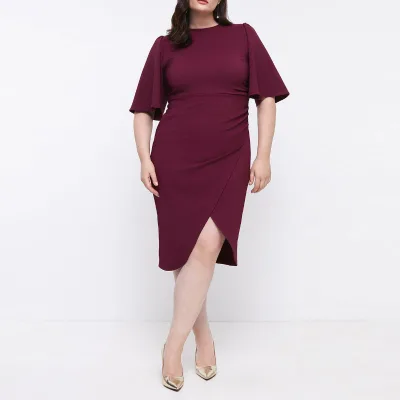
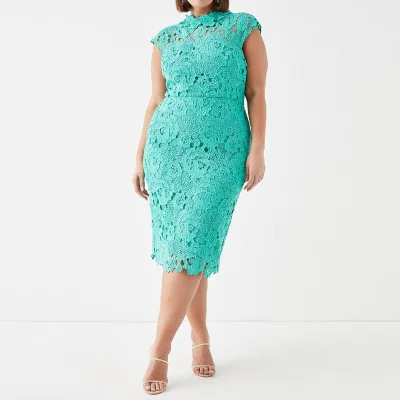


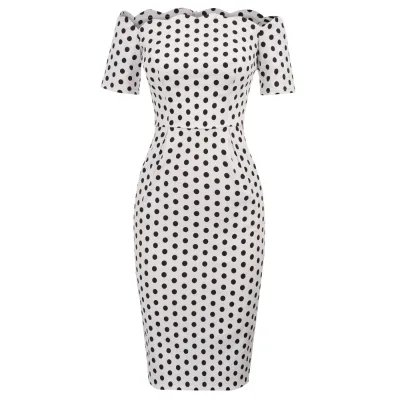


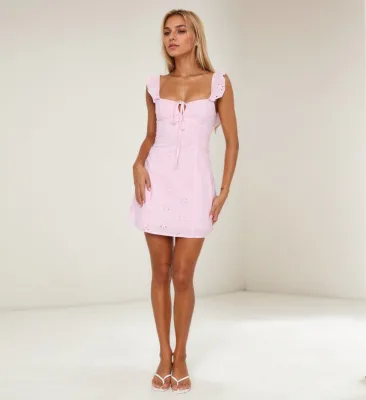


Comprehensive Sourcing Guide
Eco-Friendly Oversized Pencil Dress Sourcing Guide
Procuring eco-friendly oversized pencil dresses requires balancing specific silhouette constraints with sustainable material sourcing, as the supplied data indicates a market heavily focused on loose silhouettes and casual wear rather than fitted pencil cuts. Buyers must carefully distinguish between the "loose" and "asymmetric" styles observed in current listings and the structured "pencil" shape required for this specific keyword, ensuring that any supplier claims align with the actual product attributes available. The observed inventory features polyester, cotton, and rayon blends, which offer breathability and washability but may require specific verification to meet strict eco-friendly definitions beyond standard marketing terms.
Sourcing strategies should prioritize suppliers offering ODM and OEM services who can adapt their existing casual summer dress lines to meet the structural demands of a pencil silhouette while maintaining the requested oversized fit. The observed supply chain in Guangdong, China, demonstrates a capacity for 20,000 pieces monthly with flexible sampling times, yet the transition from loose to pencil cuts may necessitate new pattern development and fabric testing. Buyers should verify if the "anti-wrinkle" and "breathable" features of the current stock can be replicated in a tighter weave required for pencil dresses without compromising the eco-friendly material integrity.
Product Scope and Observed Listing Signals
The current market signals reveal a strong prevalence of mid-calf and knee-length dresses with V-necks and sleeveless or flare sleeve options, which diverges from the traditional short-sleeved or long-sleeved pencil dress profile. While the observed products feature "plus sizes" and "customized sizes" with empire waistlines, the "loose" silhouette dominates the listings, suggesting that a true pencil dress in this category may be a custom development rather than an off-the-shelf item. Buyers must scrutinize the "pattern type" and "fashion element" data, as the current mix of dot prints and asymmetric designs may not align with the classic, streamlined aesthetic of a pencil dress.
Commercial listings indicate a price range of 0.5 to 49.99 USD with MOQs varying from 1 to 2000 pieces, but the specific "eco-friendly" claim often relies on the fabric composition of rayon or polyester blends rather than certified organic materials. The observed "single package size" and "gross weight" suggest efficient logistics for standard casual wear, yet the structural changes needed for a pencil cut could alter packaging dimensions and shipping costs. Procurement teams should treat the "daily life" and "formal evening party" occasions as distinct market segments, ensuring the selected supplier can pivot their production lines to accommodate the specific formality and fit of the target product.
Technical Specifications to Verify
Technical verification must begin with the fabric composition, as the observed materials include polyester, cotton, and rayon, which offer different performance characteristics regarding drape and sustainability. Buyers should confirm whether the "rayon" fabric meets specific eco-standards or if it is a generic viscose, as this distinction impacts the "eco-friendly" claim validity. The "woven" and "printed" techniques observed in the data suggest that the fabric structure is critical for maintaining the pencil silhouette, requiring a tight weave that resists wrinkling while allowing for the necessary stretch often found in spandex blends.
Fit specifications are equally critical, as the observed "loose" silhouette and "empire" waistline differ significantly from the fitted nature of a pencil dress. Buyers must request detailed technical packs that define the exact ease allowance, hem width, and seam placement to ensure the "oversized" aspect does not compromise the intended shape. The "zipper" decoration and "soft bell sleeves" noted in current listings may need to be adapted or removed to achieve the clean lines of a pencil dress, requiring precise communication with the supplier regarding the "model number" and pattern adjustments.
Compliance and Safety Documentation
Compliance verification should focus on the "eco-friendly" and "anti-static" features observed in the product attributes, ensuring these claims are backed by verifiable documentation rather than marketing assertions. While the data mentions "OEKO-TEX" and "GOTS" as background standards, buyers must explicitly request current certificates for the specific fabric batches used in the pencil dress production to confirm the absence of harmful substances. The "washable" and "dry cleaning" features listed in the attributes should be validated through lab tests to ensure the garment maintains its shape and colorfastness after repeated cleaning cycles.
Safety documentation must also address the "plus size" and "customized size" aspects, ensuring that the garment construction meets durability standards for larger body types without compromising safety. Buyers should verify that the "polybag" and "carton" packaging materials are indeed eco-friendly as claimed, checking for specific recycling codes or biodegradable certifications. The "production lead time" of 15-30 days after sample approval provides a window for quality audits, during which suppliers should provide evidence of their "high-end" quality control processes and adherence to international safety regulations.
Cost Drivers and Commercial Terms
Cost drivers for eco-friendly oversized pencil dresses are heavily influenced by the complexity of the pattern making and the specific fabric sourcing required to achieve the desired silhouette. The observed "supply ability" of 20,000 pieces per month suggests economies of scale, but the transition from standard loose dresses to fitted pencil cuts may increase the cost per unit due to additional labor and pattern engineering. Buyers should anticipate that "customized sizes" and "plus sizes" will incur higher material waste and production costs compared to standard sizing, impacting the final landed cost significantly.
Commercial terms must account for the "sampling time" of 5-7 days and the "production lead time" of 15-30 days, which can affect inventory planning and cash flow. The "MOQ" of 50 to 100 pieces per style or color offers flexibility for smaller buyers, but larger orders may be required to secure the best pricing on eco-friendly materials. Buyers should negotiate clear terms regarding "OEM" and "ODM" services, ensuring that any design modifications for the pencil silhouette are included in the initial cost estimate to avoid unexpected charges later in the production cycle.
Supplier Qualification and Quality Control
Supplier qualification should prioritize manufacturers with proven experience in "ODM" and "OEM" services who can demonstrate the ability to handle complex silhouettes like the pencil dress. The observed "place of origin" in Guangdong, China, indicates a mature manufacturing hub, but buyers must verify the specific factory's capability to produce fitted garments rather than just loose casual wear. Quality control protocols should include rigorous checks on the "fabric type" and "seam strength" to ensure the pencil dress maintains its shape and does not sag or stretch out of form during wear.
Quality control processes must also address the "decoration" elements, such as zippers and prints, ensuring they are securely attached and do not detract from the garment's structural integrity. Buyers should implement a multi-stage inspection plan, including pre-production sample approval, in-line checks during cutting and sewing, and final random inspections before shipment. The "single gross weight" and "package size" data should be used to verify that the supplier's packing methods protect the garment's shape during transit, preventing creases that could ruin the pencil silhouette.
Long-Term Procurement Checks
Long-term procurement checks should focus on the supplier's ability to maintain consistent quality and eco-friendly standards over multiple production cycles. Buyers must establish a system for periodic re-verification of fabric certifications and material sourcing to ensure that the "eco-friendly" claim remains valid as supply chains evolve. Regular audits of the "production lead time" and "sampling time" are essential to identify any bottlenecks that could delay future orders, especially when dealing with customized sizes and complex patterns.
Sustainability tracking should extend beyond the initial product launch to include end-of-life considerations, such as the recyclability of the "polyester" and "cotton" blends used in the dresses. Buyers should maintain open communication channels with suppliers to discuss potential improvements in fabric technology and manufacturing processes that could further enhance the product's environmental profile. Establishing a long-term partnership based on transparent data sharing and mutual commitment to quality will ensure the continued success of the eco-friendly oversized pencil dress line in the competitive market.
FAQs
What materials are used for the Eco-Friendly Oversized Pencil Dress?
The dress is crafted from a blend of polyester and cotton or rayon, ensuring comfort and durability. Some variations include spandex for added stretch. These fabric choices support breathability and eco-friendly production standards, making them suitable for daily wear or formal occasions while maintaining a loose, comfortable silhouette.
Can I customize the size for plus size requirements?
Yes, customized sizes are available for plus size requirements. The product supports ODM and OEM services, allowing buyers to specify exact measurements. Standard plus size options include US sizes 2XL to 6XL, but tailored fits can be arranged to meet specific demographic needs or brand sizing charts effectively.
What is the minimum order quantity for bulk purchases?
The minimum order quantity varies by style, typically ranging from 50 to 100 pieces per style and color. Some listings indicate an MOQ of 100 pieces, while others allow as low as 50 pieces. This flexibility supports both small batch testing and larger bulk orders for diverse retail channels.
How long does production take after sample approval?
Production lead time is generally 15 to 30 days after the pre-production sample receives approval. Sampling itself takes 5 to 7 days. This timeline ensures quality control and allows for adjustments before mass manufacturing begins, helping buyers plan their inventory and shipping schedules accurately for timely delivery.
What features make this dress suitable for summer wear?
The dress features breathable fabrics like rayon or cotton blends, making it ideal for summer. It includes sleeveless or short sleeve designs with V-necks and loose silhouettes. These elements enhance airflow and comfort in warm weather, while anti-wrinkle and washable properties ensure practicality for daily life and travel.
Where are these dresses manufactured and shipped from?
These dresses are manufactured in Guangdong, China, with dispatch ports including Shenzhen, Guangzhou, and Hong Kong. This location offers efficient logistics for global shipping. Buyers can expect reliable supply chain management from this region, ensuring consistent quality and timely export processes for international orders and distribution networks.