Source Eco Friendly Oversized Hoodie for Retail, Events, and Promotions
Source Eco Friendly Oversized Hoodie options from 30 verified listings. Compare fabric weights, printing methods, and customization features to find the right fit for your brand's needs. Explore various styles including crew neck and zip designs with long sleeves. Select from multiple colors and sizes to match your specific requirements. Evaluate different material blends and technical features for optimal performance.
Key considerations
Products List
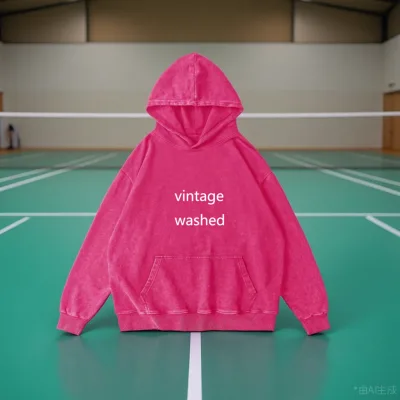

Print Heavyweight Cotton Custom Hoody Sweatshirt Oversized Men's Hoodie
$10.99 - $13.99
MOQ: 100 pieces


OEM Oversize Logo Custom Streetwear Heavyweight Oversized Hoodie for Men
$4.00 - $8.00
MOQ: 100 Pieces


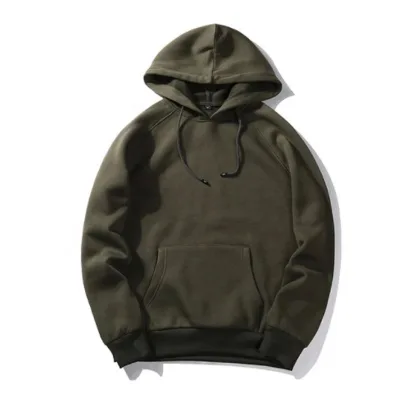
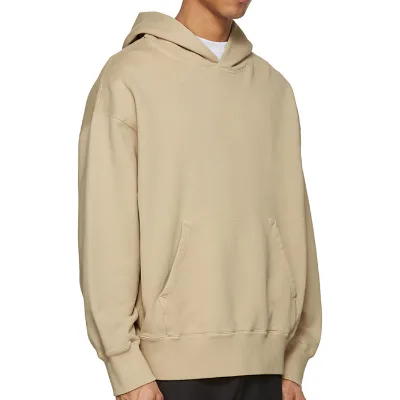


Custom High Quality Men's Casual Sweatshirt Long Sleeve Cotton Hoodies Pullover
$9.90 - $10.90
MOQ: 100 Pieces

Autumn Casual Style 100% Cotton Heavyweight Oversized Custom Logo Print Hoodie
$5.00 - $13.00
MOQ: 100 Pieces


Comprehensive Sourcing Guide
Eco Friendly Oversized Hoodie Sourcing Guide
Sourcing eco-friendly oversized hoodies requires balancing aesthetic trends with sustainable material claims. Buyers must verify that "eco-friendly" labels correspond to actual fabric compositions, such as cotton or certified blends, rather than generic marketing terms. The observed market signals indicate a strong preference for customizable designs, with suppliers offering OEM services and various printing methods like digital or discharge printing. This flexibility allows brands to create unique products while maintaining a commitment to responsible sourcing.
Procurement teams should focus on suppliers located in established manufacturing hubs like Guangdong, China, where infrastructure supports both rapid sampling and bulk production. The availability of sample orders within five to seven days enables quick validation of quality before committing to larger volumes. Understanding the specific fabric weights, ranging from 100 to 500 grams, is crucial for defining the garment’s drape and warmth, ensuring the final product meets the intended seasonal and stylistic requirements of the target market.
Product Scope and Observed Listing Signals
The current market for oversized hoodies features a wide range of styles, including crew neck and zip options, catering to adult women and general casual wear. Listings frequently highlight customization capabilities, allowing buyers to specify logo positions on the front, back, sleeves, or lower hem. This level of personalization is essential for brand differentiation, enabling companies to create cohesive apparel lines that reflect their identity. The observed color palettes often include versatile shades like black, pink, purple, and army green, which appeal to broad consumer demographics.
Technical attributes such as fabric type and weaving method significantly influence the final product’s feel and durability. Suppliers offer various fabric weights, from lightweight 100-gram options to heavy 500-gram constructions, allowing buyers to select materials appropriate for different climates and use cases. Additionally, features like anti-shrink, breathable, and quick-dry properties are commonly advertised, though buyers must verify these claims through physical sampling. The presence of lined designs and specific printing techniques further expands the scope of available products, supporting diverse branding needs.
Technical Specifications to Verify
Fabric composition is the primary technical specification to validate when sourcing eco-friendly hoodies. While some listings claim cotton or cotton blends, others may list polyester or other synthetic materials, which affects both sustainability credentials and performance. Buyers should request detailed material breakdowns to ensure the product aligns with their environmental goals. The observed fabric weights vary significantly, so specifying the exact gram weight is critical for achieving the desired fit and thermal properties. Verifying the weaving method, such as dobby or crocheted, ensures the texture matches the brand’s aesthetic standards.
Printing and decoration methods also require careful verification to maintain quality and sustainability. Techniques like digital printing, discharge printing, and heat-transfer printing offer different visual effects and environmental impacts. Buyers must confirm that inks and processes used are free from harmful chemicals, especially if claiming eco-friendly status. Additionally, specifications such as single package size and gross weight impact logistics and shipping costs. Ensuring that the model numbers and size ranges, including XS to 2XL or free sizes, align with inventory planning prevents stock discrepancies and customer dissatisfaction.
Compliance and Safety Documentation
Sustainability claims must be backed by credible certifications to avoid greenwashing risks. Buyers should request documentation for standards such as GOTS or OEKO-TEX, which verify organic content and chemical safety. Although these certifications are mentioned in background data, their presence on specific products must be confirmed through supplier declarations. Without verified certificates, claims of being eco-friendly remain unsubstantiated and may expose brands to reputational damage. Procurement teams should prioritize suppliers who can provide transparent supply chain information and third-party audit reports.
Safety and quality standards are equally important for consumer protection and regulatory compliance. Buyers must ensure that hoodies meet relevant textile safety regulations in their target markets, including restrictions on harmful substances. Documentation should include test reports for colorfastness, shrinkage, and pilling resistance, especially given the advertised features like anti-shrink and anti-pilling. Verifying that the production process adheres to ethical labor practices is also essential for maintaining brand integrity. Requesting sample approvals before bulk production helps mitigate risks associated with non-compliance and quality issues.
Cost Drivers and Commercial Terms
Pricing for eco-friendly hoodies is influenced by material costs, customization complexity, and order volume. The observed price range of $2.88 to $28 reflects variations in fabric quality, printing methods, and MOQ requirements. Buyers should analyze the cost breakdown to understand how specific features, such as heavy fabric weights or intricate designs, impact the final price. Negotiating favorable terms based on volume commitments can lead to significant savings, especially for long-term partnerships. Understanding the MOQ flexibility, which can range from single pieces to larger batches, allows for strategic inventory management.
Lead times and shipping methods are critical commercial terms that affect cash flow and market responsiveness. Sample orders typically take five to seven days, while bulk production may require additional time depending on complexity. Buyers should clarify delivery windows and shipping options, such as DHL, to ensure timely arrival of goods. Packaging requirements, whether individual OPP bags or carton packages, also influence logistics costs and storage efficiency. Clear communication regarding payment terms and production schedules helps prevent delays and ensures a smooth procurement process.
Supplier Qualification and Quality Control
Evaluating supplier capabilities is essential for ensuring consistent quality and reliable delivery. Buyers should assess the supplier’s experience in producing oversized hoodies and their ability to handle custom designs. Verifying their production capacity and quality control processes helps mitigate risks associated with large orders. Suppliers located in Shenzhen or Guangdong often have access to advanced manufacturing technologies and skilled labor, which can enhance product quality. Requesting references or case studies from previous clients provides additional insight into their reliability and performance.
Quality control measures should be implemented at various stages of production to maintain high standards. Buyers should define clear acceptance criteria for fabric weight, stitching, and printing quality before production begins. Conducting pre-production samples and inline inspections helps identify and rectify issues early. Post-production audits ensure that the final products meet all specifications and packaging requirements. Establishing a robust quality assurance framework fosters trust and ensures that the eco-friendly claims are supported by tangible product attributes.
Long-Term Procurement Checks
Building a sustainable supply chain requires ongoing monitoring and relationship management. Buyers should regularly review supplier performance metrics, including on-time delivery rates and defect percentages. Continuous feedback loops help identify areas for improvement and strengthen partnerships over time. Evaluating the supplier’s commitment to sustainability practices, such as waste reduction and ethical labor, ensures alignment with long-term brand values. Regular audits and site visits can provide deeper insights into operational practices and compliance levels.
Adapting to market trends and consumer preferences is crucial for maintaining competitiveness. Buyers should stay informed about emerging materials and technologies that enhance the eco-friendly profile of hoodies. Flexibility in order quantities and design variations allows for responsive inventory management. Developing contingency plans for supply chain disruptions ensures business continuity. By focusing on strategic supplier development and continuous improvement, buyers can secure a reliable source of high-quality, sustainable apparel that meets evolving market demands.
FAQs
What customization options are available for the hoodie?
Customization is available for this Eco Friendly Oversized Hoodie. You can select from various printing methods including digital, heat-transfer, and flock print. Logo placement options include the front, back, sleeves, and lower hem to meet your specific branding needs.
How long does it take to receive a sample order?
A sample order lead time is supported within 7 days. Some listings indicate a sample lead time of 5 to 7 days. This allows you to verify the fabric weight and print quality before committing to a larger bulk order for your business.
Which fabric weights are offered for this garment?
Multiple fabric weights are available ranging from 100 grams up to 500 grams. Specific options include 120, 140, 160, 180, 200, 220, 240, 260, 280, 300, 320, 340, 360, 380, 400, 420, 440, 460, 480, and 500 grams to suit different seasonal requirements.
Can I order a single piece as a minimum quantity?
Yes, a minimum order quantity of one piece is available for this product. The selling unit is listed as a single item, and some suppliers explicitly state that one piece is available. This supports small batch testing or initial sample verification for buyers.
What materials are used to make this hoodie?
The primary material is cotton, though blends are also listed as an option. The fabric type is identified as Dobby, and the weaving method is crocheted. These materials contribute to features like being breathable, anti-shrink, and eco-friendly for various seasons.
Where are these products manufactured and shipped from?
Products originate from Guangdong, China, and Shenzhen, China. Shipping methods include DHL for delivery. The place of origin is confirmed as China, ensuring that buyers can trace the supply chain back to these specific manufacturing regions for quality assurance.
What sizes are available for the oversized hoodie?
Standard sizes include XS, S, M, L, XL, and 2 XL. Some listings also offer Free Size or No Size Limit options. This variety ensures that the Eco Friendly Oversized Hoodie fits different body types while maintaining the intended loose and casual style.