Source Eco Friendly Polyester Hajj Towel for Gifts, Home, Beach
Find 30 Eco Friendly Polyester Hajj Towel options from Hebei, China. Compare specifications like GSM, size, and weaving techniques for home, gift, and beach applications. View pricing and MOQ details for bulk sourcing.
Key considerations
Products List


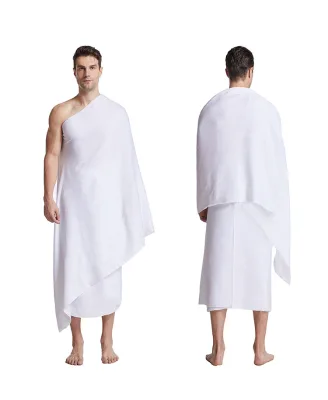

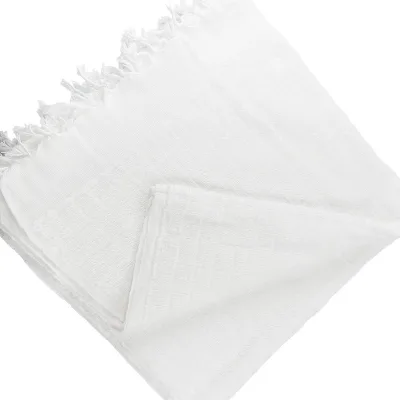
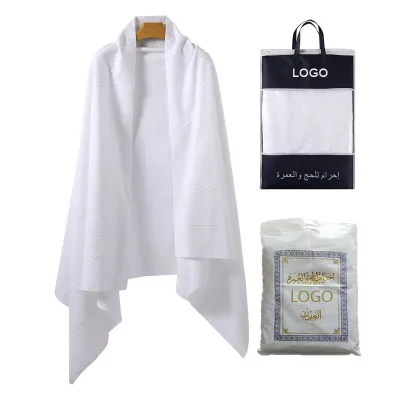
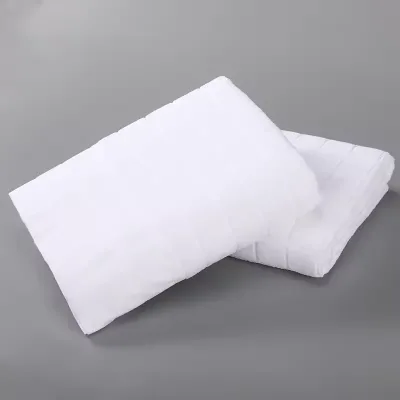
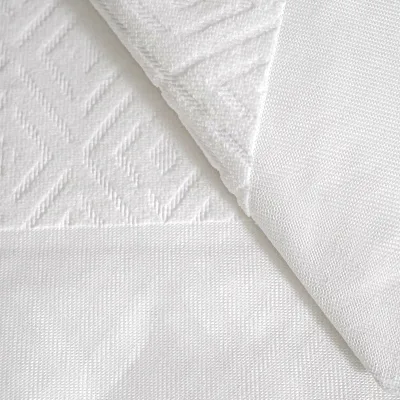
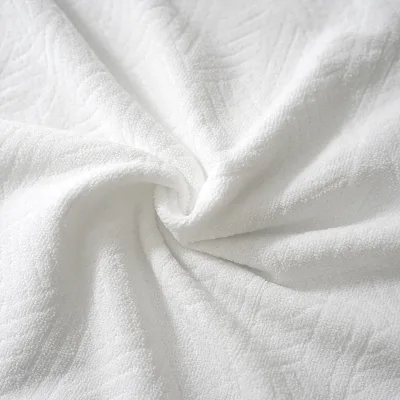
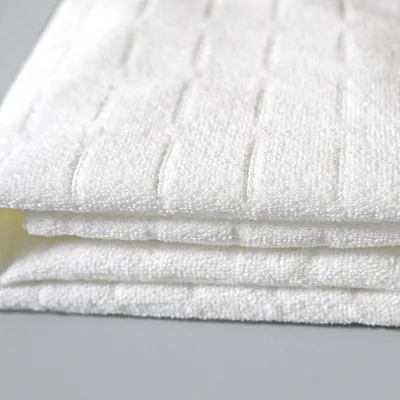
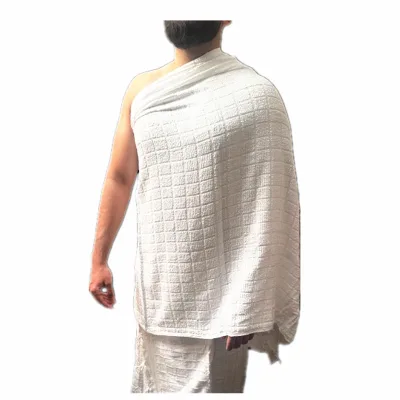

Comprehensive Sourcing Guide
Eco Friendly Polyester Hajj Towel Sourcing Guide
Sourcing eco-friendly polyester towels for Hajj requires a nuanced understanding of material science, religious compliance, and supply chain transparency. While the term "eco-friendly" often suggests natural fibers, in the context of modern textile manufacturing, it frequently refers to recycled polyester (rPET) or highly efficient synthetic production processes that reduce water and energy consumption. Buyers must distinguish between marketing claims and verifiable material compositions, ensuring that the polyester used meets specific durability and absorbency standards required for religious rituals. The intersection of sustainability and functionality is critical, as the towel must withstand rigorous use while minimizing environmental impact.
This guide provides a structured approach to evaluating suppliers, verifying technical specifications, and managing commercial risks. It focuses on the specific attributes observed in current market listings, such as GSM weight, weaving techniques, and customization options, while adhering to strict evidence-based procurement principles. By aligning product features with operational needs, buyers can secure inventory that satisfies both ethical sourcing mandates and the practical demands of pilgrims. The following sections detail the essential verification steps and strategic considerations for successful procurement.
Product Scope and Observed Listing Signals
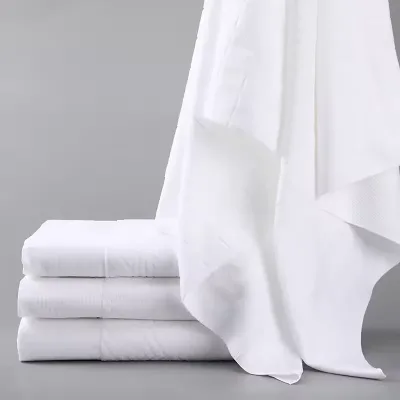
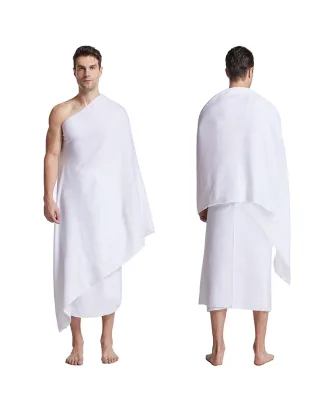
The current market landscape for Hajj towels reveals a diverse range of product configurations, primarily driven by customization requests and specific ritual requirements. Observed listings indicate a strong preference for white-colored towels, which are traditionally associated with Ihram attire, though other color options may be available upon request. The shape of these towels varies, with square and rectangular forms being the most common, catering to different packing efficiencies and usage preferences. Suppliers frequently offer OEM services, allowing buyers to imprint custom logos or religious text, which is a critical feature for brands aiming to provide a personalized experience to pilgrims.
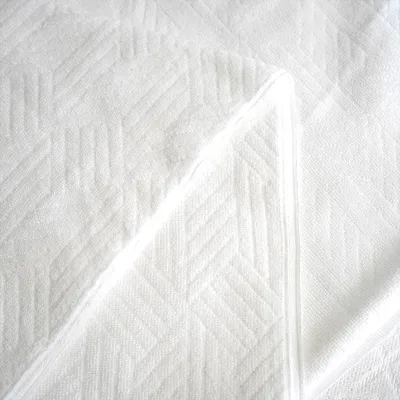
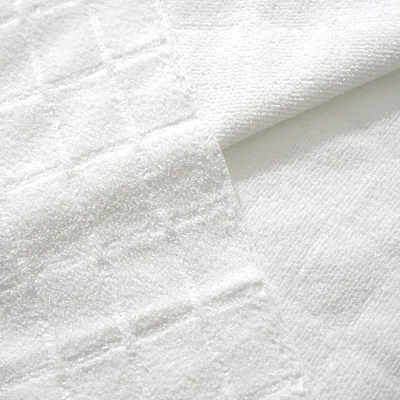
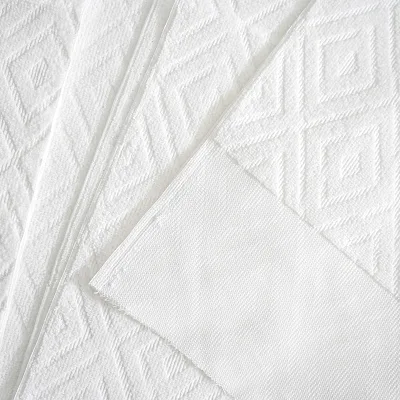
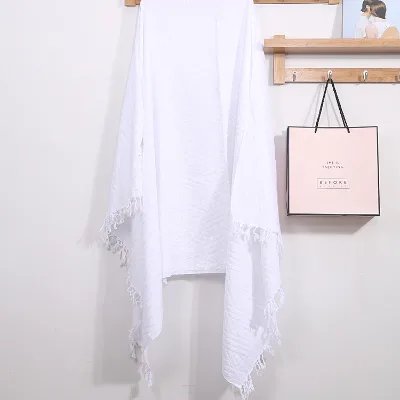
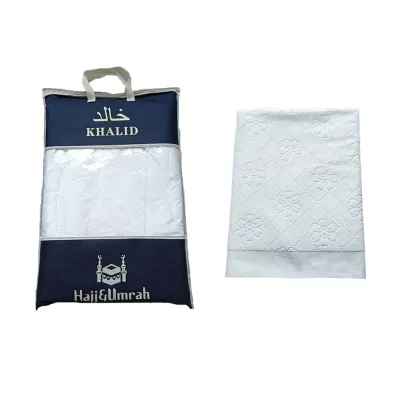
Technical attributes observed in listings highlight a focus on performance and comfort. Key features include "ultra-soft" textures and "quick-dry" capabilities, which are essential for hygiene and convenience during travel. The manufacturing techniques vary between knitted and woven structures, each offering distinct benefits in terms of durability and softness. Additionally, patterns such as embroidery and jacquard weaves are available, adding aesthetic value and brand differentiation. Buyers should note that while "eco-friendly" is a desired attribute, the specific material composition, such as microfiber or recycled polyester, must be explicitly confirmed with the supplier to ensure alignment with sustainability goals.
Technical Specifications to Verify
Verifying technical specifications is paramount to ensuring the towel meets the functional demands of Hajj pilgrims. Weight, measured in GSM (grams per square meter), is a critical indicator of quality and absorbency. Observed data suggests a wide range, from lightweight options around 280-350 GSM to heavier, more plush towels weighing 700-1400 GSM or even up to 1000-1500g per pair. Buyers must determine the optimal weight for their target market, balancing portability with comfort. Thicker towels offer superior absorbency and a premium feel, while lighter options are more cost-effective and easier to pack in bulk.
Size and dimensions also require careful verification, as standard sizes may not suit all packaging or usage needs. Common dimensions observed include 70x140cm, 60x120cm, and larger formats like 105x210cm or 106x189cm. Custom sizes are frequently available, allowing buyers to tailor products to specific branding or functional requirements. The edge finish, often described as "roll" or hemmed, impacts durability and prevents fraying. Additionally, the packing method, whether in individual polybags, OPP bags, or bulk cartons, affects logistics and retail presentation. Buyers should request detailed spec sheets to confirm these dimensions and finishes before placing orders.
Compliance and Safety Documentation
Compliance and safety documentation are non-negotiable for textile imports, particularly those intended for religious use where skin contact is prolonged. Buyers must ensure that suppliers provide relevant certifications, such as OEKO-TEX, which verifies that the textiles are free from harmful substances. While specific certification status may vary by supplier, requesting proof of compliance with international safety standards is essential to mitigate health risks and regulatory hurdles. This documentation serves as a critical safeguard, ensuring that the towels are safe for use by diverse populations, including those with sensitive skin.
Furthermore, sustainability claims must be backed by credible evidence. If the product is marketed as "eco-friendly," buyers should request documentation regarding the source of the polyester, such as Global Recycled Standard (GRS) certification for recycled content. This verification process helps prevent greenwashing and ensures that the sustainability claims align with actual manufacturing practices. Buyers should also inquire about the chemical treatments used in the dyeing and finishing processes, ensuring they meet environmental regulations in both the country of origin and the destination market. Transparent supply chain documentation is key to maintaining brand integrity and consumer trust.
Cost Drivers and Commercial Terms
Understanding the cost drivers associated with eco-friendly polyester Hajj towels is essential for accurate budgeting and pricing strategies. The primary cost factors include the type of polyester used, the GSM weight, and the complexity of customization. Higher GSM weights and intricate weaving techniques, such as jacquard or embroidery, typically increase production costs. Additionally, the choice of packaging, whether simple polybags or premium OPP bags with custom printing, impacts the final unit price. Buyers should analyze these variables to identify opportunities for cost optimization without compromising quality.
Commercial terms, including MOQ (Minimum Order Quantity) and lead times, vary significantly among suppliers. Observed MOQs range from as low as 1 piece for sampling to 800 pieces for bulk orders, reflecting the flexibility of many manufacturers. Lead times are influenced by the level of customization and the current production schedule. Buyers should negotiate clear terms regarding payment methods, shipping responsibilities, and penalties for delays. Establishing a robust commercial agreement that accounts for these variables helps mitigate financial risks and ensures a smooth procurement process.
Supplier Qualification and Quality Control
Supplier qualification is a critical step in mitigating procurement risks. Buyers should conduct thorough due diligence, verifying the supplier's manufacturing capabilities, quality control processes, and past performance. Requesting samples is essential to assess the tactile quality, absorbency, and durability of the towels. Buyers should test these samples under conditions that mimic actual use, such as repeated washing and drying, to ensure longevity. Additionally, verifying the supplier's location, such as Hebei, China, can provide insights into their logistical advantages and supply chain efficiency.
Quality control measures should be integrated into the procurement process to ensure consistency. Buyers should establish clear quality standards and inspection criteria, including checks for stitching integrity, color fastness, and dimensional accuracy. Implementing third-party inspections before shipment can help identify and rectify defects early, reducing the risk of receiving substandard goods. Building a strong relationship with the supplier through regular communication and feedback loops can also enhance quality outcomes. A proactive approach to quality management ensures that the final product meets the high standards expected by pilgrims and retailers.
Long-Term Procurement Checks
Long-term procurement success depends on continuous monitoring and adaptation to market changes. Buyers should regularly review supplier performance metrics, including on-time delivery rates, product quality consistency, and responsiveness to issues. Establishing a scorecard system can help track these metrics objectively, facilitating data-driven decisions regarding supplier relationships. Additionally, staying informed about industry trends, such as new sustainable materials or manufacturing technologies, can provide competitive advantages. Buyers should be prepared to pivot their sourcing strategies as needed to align with evolving consumer preferences and regulatory requirements.
Sustainability is an ongoing commitment rather than a one-time achievement. Buyers should engage in regular dialogues with suppliers to explore opportunities for further environmental improvements, such as reducing water usage or increasing recycled content. This collaborative approach fosters innovation and strengthens the supply chain. Furthermore, maintaining open lines of communication with end-users can provide valuable insights into product performance and satisfaction. By continuously refining their procurement practices, buyers can ensure that their eco-friendly polyester Hajj towels remain relevant, high-quality, and ethically sourced in the long run.
FAQs
What materials are used for the Eco Friendly Polyester Hajj Towel?
The towels are made from microfiber material designed for quick drying and ultra softness. Some models feature knitted or woven technics with weights ranging from 280 to 1500 grams depending on the specific style and customization requirements.
Can I customize the size and logo of the hajj towel?
Yes, customization is available for size, logo, and packaging. Sizes include standard dimensions like 70x140cm or 105x210cm, and logos can be added via printing, embroidery, or hot transfer methods according to your specific request.
What are the standard dimensions for the Eco Friendly Polyester Hajj Towel?
Standard sizes vary by model, including 70x140cm, 60x120cm, 105x210cm, and 106x189cm. Customized sizes are also accepted to meet specific buyer needs for the Ihram Haji towel application.
How is the Eco Friendly Polyester Hajj Towel packaged for shipment?
Packaging options include OPP bags, polybags, cartons, or individual polybags with one OPP per dozen. Buyers can request specific packing arrangements such as 10 pieces per bag or 20 bags per carton to suit their logistics.
What features make the Eco Friendly Polyester Hajj Towel suitable for gifts?
The towels feature ultra soft texture, quick drying capabilities, and sustainable properties making them ideal for gifts. They are available in white with embroidered patterns and can be customized with customer logos for special occasions.
Which manufacturers produce the Eco Friendly Polyester Hajj Towel in China?
Products originate from Hebei, China, with brands like Tangju offering various models. These manufacturers provide OEM services and accept customized orders for specifications like weight, size, and packaging requirements.
What is the weight range for the Eco Friendly Polyester Hajj Towel?
Weight varies by model, ranging from 280 to 350 GSM for standard towels up to 1000 to 1500 grams per pair for heavier options. Customized weights between 700 and 1400 GSM are also available upon request.