Source Eco-Friendly Polyester Ribbon for Garments, Shoes, Bags
Compare 30 listings for Eco-Friendly Polyester Ribbon suitable for garments, shoes, and bags. Buyers can review specifications like width, composition, and customization options from verified Chinese manufacturers offering various sizes and features for daily life applications; compare the available evidence and request quotations based on your requirements.
Key considerations
Products List




Comprehensive Sourcing Guide
Eco-Friendly Polyester Ribbon Sourcing Guide
Sourcing eco-friendly polyester ribbon requires a nuanced understanding of material composition, functional features, and supply chain transparency. Buyers must distinguish between marketing claims of sustainability and verifiable product attributes that align with environmental standards. This guide provides a structured approach to evaluating suppliers, verifying technical specifications, and ensuring commercial terms support long-term procurement goals. By focusing on evidence-based decision-making, purchasers can mitigate risks associated with greenwashing and ensure that selected ribbons meet both aesthetic and regulatory requirements.
The following sections outline critical verification steps, from technical specifications to supplier qualification. Each section is designed to help buyers navigate the complexities of sourcing polyester-based textiles and labels. The guidance emphasizes the importance of cross-referencing supplier claims with observable listing signals and trusted industry knowledge. By adhering to these principles, procurement teams can build a resilient supply chain that delivers high-quality, sustainable products while maintaining cost efficiency and operational reliability.
Product Scope and Observed Listing Signals
The observed product landscape for eco-friendly polyester ribbon reveals a diverse range of applications, including garments, shoes, bags, and various packaging needs. Listings frequently highlight features such as waterproofing, fluorescence, and eco-friendly certifications, which are critical for buyers seeking durable and visually striking materials. The material composition is predominantly 100% polyester, often woven into satin or label tape formats. These attributes suggest a focus on versatility, allowing the ribbons to serve as both decorative elements and functional components in final products. Buyers should verify that the "eco-friendly" claim is supported by specific material treatments or recycling processes, rather than relying solely on general descriptors.
Observed listing signals indicate a wide variation in product models, such as DR201, YG-SW22, and YG-DW22, each potentially catering to different industrial needs. Sizes range from 7mm to 150mm, with custom options available to meet specific design requirements. The origin is consistently noted as China, with Ningbo emerging as a key manufacturing hub. This geographic concentration suggests a mature supply chain with established logistics networks. However, buyers must carefully review the "usage" tags, which include everything from price tags to medicine labels, to ensure the product’s intended application aligns with their specific operational context.
Technical Specifications to Verify
Technical verification begins with confirming the material composition and structural integrity of the ribbon. The supplied facts indicate a 100% polyester composition, which offers high tenacity and abrasion resistance. Buyers should request detailed specifications regarding the weave type, such as woven or single-face styles, and verify the thickness range, which can vary from 0.24cm to 3cm. Additionally, the width specifications, including 25mm, 50mm, and custom sizes, must be cross-checked against production capabilities. Ensuring that the ribbon meets the required dimensional tolerances is crucial for compatibility with automated labeling and packaging equipment.
Further verification should focus on performance characteristics such as low shrinkage, high-temperature resistance, and elasticity. These features are particularly important for applications involving washing, drying, or exposure to varying environmental conditions. Buyers must also confirm the packing standards, which may include shrink packages, export cartons, or specific yardage per roll (e.g., 25 meters or 100 yards). Understanding the meterage per roll helps in calculating material usage and waste. It is essential to ensure that the technical data provided by the supplier matches the physical samples received, as discrepancies can lead to production delays and quality issues.
Compliance and Safety Documentation
Compliance with safety and environmental standards is a critical aspect of sourcing eco-friendly polyester ribbon. Buyers should request documentation that verifies the material’s compliance with relevant international standards, such as OEKO-TEX, which ensures the absence of harmful substances. While specific certification status may not be explicitly listed in all observations, buyers must proactively ask for test reports and certificates of conformity. This due diligence is essential to mitigate risks associated with chemical exposure and to ensure that the product meets the regulatory requirements of the target market.
In addition to environmental compliance, buyers should verify the product’s suitability for its intended use, such as food contact or medical applications, if applicable. The observed usage tags include food, medicine, and bottled beverages, which may require specific safety certifications. Buyers must ensure that the supplier can provide evidence of compliance with these specialized standards. Furthermore, understanding the product’s origin and manufacturing processes can provide insights into the overall sustainability profile. Transparent supply chains are more likely to adhere to rigorous safety and environmental protocols, reducing the risk of non-compliance and associated reputational damage.
Cost Drivers and Commercial Terms
Cost drivers for eco-friendly polyester ribbon include material quality, customization options, and order volume. The observed MOQ range of 5 to 5000 units suggests flexibility for both small-scale and large-volume purchases. Buyers should analyze how customization, such as specific sizes or colors, impacts pricing. Customization often incurs additional setup costs, which can be amortized over larger orders. Understanding the relationship between MOQ and unit price is crucial for optimizing procurement budgets. Buyers should also consider the cost implications of different packing methods, such as shrink packaging versus export cartons, as these can affect shipping and handling expenses.
Commercial terms, including payment methods and lead times, play a significant role in the overall cost structure. While specific lead times are not detailed in the observed data, buyers should negotiate clear delivery schedules to avoid production bottlenecks. It is advisable to request a detailed quotation that breaks down costs by material, labor, and logistics. This transparency allows for better cost control and comparison between suppliers. Additionally, buyers should be aware of potential currency fluctuations and import duties, which can impact the final landed cost. Establishing a robust commercial agreement that addresses these variables is essential for maintaining profitability and supply chain stability.
Supplier Qualification and Quality Control
Supplier qualification is a critical step in ensuring the reliability and consistency of eco-friendly polyester ribbon supplies. Buyers should conduct thorough due diligence on potential suppliers, verifying their manufacturing capabilities, quality control processes, and business legitimacy. The observed origin of Ningbo, China, indicates a region with a strong textile industry, but buyers must still assess individual supplier performance. Requesting factory audits or third-party verification reports can provide valuable insights into the supplier’s operational standards. This step helps to identify suppliers who are capable of meeting strict quality and delivery requirements.
Quality control measures should be integrated into the procurement process to ensure product consistency. Buyers should establish clear quality standards and inspection protocols, including pre-shipment inspections and random sampling. The observed features, such as waterproofing and fluorescence, should be tested to verify their effectiveness. Additionally, buyers should monitor the supplier’s ability to maintain consistent color and texture across batches. Establishing a feedback loop with the supplier can help address quality issues promptly and improve overall product performance. A proactive approach to quality control minimizes the risk of defects and enhances customer satisfaction.
Long-Term Procurement Checks
Long-term procurement checks involve continuous monitoring of supplier performance and market trends. Buyers should regularly review supplier metrics, such as on-time delivery rates, defect rates, and responsiveness to issues. This data-driven approach helps to identify potential risks and opportunities for improvement. Additionally, staying informed about advancements in eco-friendly materials and manufacturing technologies can provide a competitive advantage. Buyers should engage in ongoing dialogue with suppliers to explore new product offerings and sustainability initiatives. This collaborative approach fosters innovation and ensures that the supply chain remains aligned with evolving market demands.
Furthermore, buyers should periodically reassess their sourcing strategy to ensure it remains cost-effective and resilient. This may involve diversifying the supplier base, negotiating better terms, or exploring alternative materials. The observed product range, including various models and sizes, suggests a dynamic market with numerous options. Buyers should leverage this diversity to optimize their procurement strategy. By maintaining a proactive and adaptive approach, buyers can mitigate risks, reduce costs, and enhance the overall value of their eco-friendly polyester ribbon supply chain. Continuous improvement and strategic planning are key to long-term success in this competitive landscape.
FAQs
What material is used for the Eco-Friendly Polyester Ribbon?
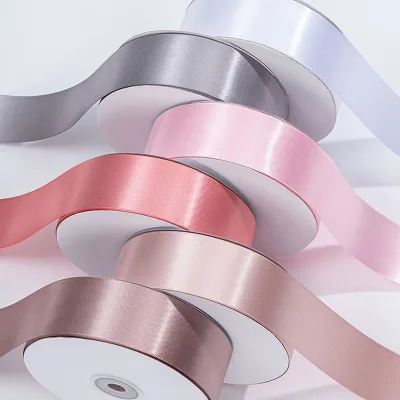
The ribbon is made of 100% polyester material. It features a satin finish and is available in various widths like 25mm or 50mm. This composition ensures durability and suitability for garments, shoes, and bags while maintaining an eco-friendly profile.
Can the ribbon be customized for specific sizes?
Yes, customization is available for specific sizes. The product supports various standard widths including 10mm, 20mm, 25mm, and 30mm. Buyers can request dimensions as per their specific requirements to ensure the ribbon fits their unique packaging or garment needs perfectly.
Which features make this ribbon suitable for daily life?
This ribbon offers waterproof, fluorescent, and eco-friendly features. It also provides abrasion resistance and low shrinkage properties. These characteristics make it ideal for daily life applications such as price tags, shipping labels, and decorative uses on various consumer goods.
How is the ribbon packed for export shipping?
The ribbon is packed in shrink packages or export cartons. Each roll typically contains 25 meters or 100 yards depending on the specific model. This secure packaging ensures the product arrives safely and maintains its quality during international transit to global destinations.
What is the minimum order quantity for this product?
The minimum order quantity ranges from 5 to 5000 units. This flexible MOQ allows buyers to order small batches for testing or larger volumes for mass production. The specific quantity depends on the supplier and the selected product model or customization level.
Where is the Eco-Friendly Polyester Ribbon manufactured?
The ribbon is manufactured in China, specifically in Ningbo. This location is a major hub for textile production. Products originate from this region and are shipped globally, ensuring access to competitive pricing and established supply chains for international buyers.
Which age groups can use this polyester ribbon?
This ribbon is suitable for all age groups. It is designed for unisex use in daily life scenarios. The material is safe and versatile enough for applications ranging from children's party decorations to adult garment accessories and general packaging needs.