Source Eco-Friendly Polyester Woven Label for Garments, Shoes, and Bags
Explore 30 listings for eco-friendly polyester woven label options featuring wash care, anti-counterfeit, and barcode features. Buyers can compare customization, material types like woven fabric and paper, and application methods including sewing, ironing, or sticking on various products.
Key considerations
Products List


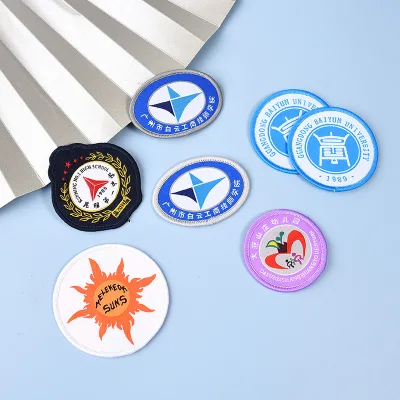
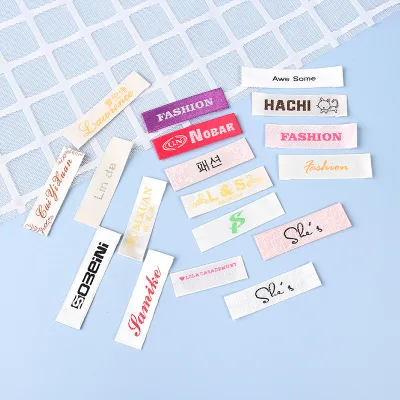


Comprehensive Sourcing Guide
Strategic Sourcing Guide for Eco-Friendly Polyester Woven Labels
Understanding Material Composition and Technical Attributes
When sourcing eco-friendly polyester woven labels, the primary distinction lies in the material composition and the specific weaving techniques employed. The core keyword suggests a focus on polyester, yet the observed product data reveals a diverse landscape where "Woven Fabric" and "Paper" are both present in the market listings. For a buyer specifically targeting polyester, it is critical to verify that the supplier distinguishes between recycled polyester (rPET) and virgin polyester, as the "eco-friendly" designation often hinges on the source of the polymer. The technical profile of these labels typically includes a "Woven" technics attribute, which provides durability and a premium texture compared to printed alternatives.
The physical form of the label is another critical technical specification. The data indicates that these products are available in "Folded" and "Strip" shapes, with some variations appearing as "Pocket Type" or "Straight Cut." The "Folded" style is particularly common for garment care labels, offering a clean finish that prevents fraying, while "Strip" labels are often used for hang tags or external branding. The backing mechanism is equally variable; suppliers offer options for "Sewing on," "Iron on," or "Sticking on" (self-adhesive). For eco-conscious procurement, the adhesive used in self-adhesive options must be verified for environmental safety, as standard glues can compromise the sustainability profile of the final product.
| Attribute Category | Observed Variations in Market Data | Sourcing Implication |
|---|---|---|
| Material | Woven Fabric, Paper | Verify if the "Woven Fabric" is specifically polyester or a blend. |
| Shape | Folded, Strip, Pocket Type | Select based on application: Folded for care labels, Strip for hang tags. |
| Backing | Sewing on, Iron on, Sticking on | Ensure the application method aligns with the garment construction process. |
| Technics | Woven | Confirms the texture and durability expected from high-quality labels. |
| Pattern | Embossed, Custom | Embossing adds a tactile dimension; custom patterns require specific tooling. |
Compliance Verification and Certification Standards
The term "eco-friendly" is frequently used in marketing but requires rigorous verification to ensure it meets genuine sustainability standards. While the provided context mentions "Eco-Friendly" as a characteristic for several products, it does not confirm specific third-party certifications like GOTS or OEKO-TEX for every item. Buyers must treat these certifications as verification points rather than assumed attributes. The presence of "Recyled" (recycled) and "Eco-Friendly" features in the product descriptions suggests that some suppliers utilize recycled materials, but the exact percentage of recycled content is not standardized in the provided data.
To validate the eco-friendly claim, procurement teams should request documentation proving the source of the polyester. This involves asking for chain-of-custody certificates or material declarations that specify the use of post-consumer or post-industrial waste. Furthermore, the "Anti-counterfeit" feature listed in the data indicates that many of these labels incorporate security elements. While this is primarily a brand protection tool, it can also be integrated with eco-friendly messaging by using sustainable inks or substrates that do not rely on hazardous chemicals. Buyers should verify that the "Offset Printing" mentioned in the data utilizes water-based or soy-based inks, which are generally more environmentally benign than solvent-based alternatives.
Cost Drivers and Pricing Dynamics
The pricing structure for eco-friendly polyester woven labels is influenced by several variables, including material composition, customization complexity, and order volume. The observed price range in the market data spans from $0.01 to $0.50 USD per unit. This wide variance suggests that basic, standard-sized labels with minimal customization fall at the lower end, while complex, large-scale, or highly specialized eco-certified labels command higher prices. The minimum order quantity (MOQ) is another significant cost driver, with observed ranges between 50 and 1000 pieces.
For buyers seeking to minimize costs while maintaining quality, understanding the MOQ structure is essential. Some suppliers may offer lower MOQs for standard colors and shapes but require higher volumes for custom colors or specific eco-materials. The "Custom" color attribute and "Any Size" standard indicate that flexibility in design is available, but this flexibility often comes with a premium. Additionally, the "Sample Time" of 5-7 days noted in the data suggests that lead times can vary, impacting the overall cost of goods sold if expedited shipping is required. Buyers should factor in the cost of tooling for custom patterns or embossing, as these are one-time expenses that can be amortized over larger production runs.
Typical Applications and Functional Requirements
The functional versatility of these labels is evident in the diverse applications listed in the product data. The primary usage categories include "Garments," "Shoes," and "Bags," indicating that these labels are suitable for a broad range of textile and leather goods. The "Women" and "Unisex" gender attributes, along with "Adults" and "Decoration" age groups, highlight that these labels are designed for a wide demographic. The "Wash Care" and "Washable" features are critical for garment labels, ensuring that the information remains legible after multiple laundering cycles.
For the "Anti-counterfeit" requirement, the labels often incorporate unique barcodes or holographic elements that are difficult to replicate. This is particularly relevant for high-value brands in the fashion and footwear industries. The "Barcode" feature allows for inventory management and supply chain tracking, adding a layer of utility beyond simple branding. In the context of eco-friendly sourcing, the application must also consider the end-of-life of the product. Labels that are easily removable or made from fully recyclable materials can enhance the sustainability profile of the final garment. The "Waterproof" feature noted in some listings is particularly valuable for outdoor gear or swimwear, where exposure to moisture is a constant factor.
Supplier Evaluation and Operational Capabilities
Evaluating a supplier for eco-friendly polyester woven labels requires a deep dive into their operational capabilities and experience levels. The data indicates that some suppliers have "More Than 5 Years" of experience, which is a positive indicator of stability and expertise. However, experience alone does not guarantee sustainability practices. Buyers should assess the supplier's location, with "Made in China" and "Hangzhou, China" being common origins. While these regions are hubs for textile manufacturing, the environmental regulations and practices can vary significantly between facilities.
Key evaluation criteria should include the supplier's ability to handle "Custom" requests, as the data shows a high degree of flexibility in "Standard" and "Packing" options. The "Polybag" and "Transparent PP Bag+ Export Carton" packing methods suggest that suppliers are accustomed to export standards, but buyers should verify that the packaging materials themselves are also eco-friendly. The "According to Your Request" standard for size and application implies a high level of customization, which requires a robust quality control process to ensure consistency. Buyers should request samples to verify the "Straight Cut" and "Embossed" finishes, ensuring that the tactile and visual quality meets brand standards.
Quality Control and Long-Term Procurement Strategy
Implementing a rigorous quality control (QC) protocol is essential for maintaining the integrity of eco-friendly claims. The "Washable" and "Waterproof" features must be tested to ensure they do not degrade over time, as this would lead to customer dissatisfaction and potential returns. The "Anti-counterfeit" elements should be verified for accuracy and durability, as any failure in these security features can expose the brand to counterfeiting risks. For long-term procurement, establishing a consistent relationship with a supplier who can deliver "Custom" solutions reliably is more valuable than chasing the lowest price.
The "Sample Time" of 5-7 days allows for a reasonable iteration process, but buyers should plan for potential delays in the initial sampling phase, especially for complex custom orders. Long-term strategies should also include regular audits of the supplier's supply chain to ensure that the "Eco-Friendly" materials are consistently sourced. The "Recyled" attribute suggests a commitment to circular economy principles, but this must be backed by verifiable data. By focusing on suppliers who offer transparent reporting and flexible customization, buyers can build a resilient supply chain that aligns with both brand values and operational efficiency.
Conclusion
Sourcing eco-friendly polyester woven labels requires a balanced approach that considers technical specifications, compliance verification, cost dynamics, and supplier capabilities. The market offers a wide range of options, from "Folded" to "Strip" shapes, with various backing mechanisms and customization levels. While the "Eco-Friendly" and "Recyled" attributes are prevalent, buyers must verify these claims through documentation and testing. By focusing on suppliers with proven experience and robust quality control processes, procurement teams can secure labels that not only meet functional requirements but also uphold the sustainability standards expected by modern consumers. The flexibility in "Custom" colors, sizes, and applications ensures that brands can find the perfect label solution for their specific needs, whether for garments, shoes, or bags.
FAQs
How can I verify the eco-friendly claim for these labels?
The product data lists Eco-Friendly and Recycled as features, but specific certifications like GOTS are not confirmed for every item. Buyers must request documentation proving the source of the polyester and chain-of-custody certificates to validate the sustainability claim before ordering.
What shapes are available for eco-friendly polyester woven labels?
Available shapes include Folded, Strip, and Pocket Type, with Straight Cut options also observed. Folded styles are common for garment care labels to prevent fraying, while Strip labels are often used for hang tags or external branding depending on the application.
Which backing methods are supported for these woven labels?
Suppliers offer Sewing on, Iron on, and Sticking on backing options for these products. The self-adhesive Sticking on method requires verification of the adhesive safety to ensure it does not compromise the environmental profile of the final eco-friendly product.
Can I customize the color and size of these labels?
Yes, the product attributes indicate Custom Color and Any Size standards are available for customization. This flexibility allows for tailored designs, though complex customizations may involve additional tooling costs and specific lead times compared to standard options.
What is the typical minimum order quantity for these labels?
The observed minimum order quantity ranges from 50 to 1000 pieces depending on the supplier and product model. Some listings specify an MOQ of 1000 pieces, while others may accept lower volumes for standard colors and shapes to reduce initial procurement costs.
How long does it take to receive a sample of these labels?
The sample time is typically 5 to 7 days for standard requests. This allows for a reasonable iteration process, though complex custom orders involving specific eco-materials or security features may require additional time for production and quality verification.
What features help prevent counterfeiting on these woven labels?
Labels often include Anti-counterfeit features such as Barcodes and unique patterns to protect brand integrity. These security elements can be integrated with eco-friendly messaging, provided the inks and substrates used do not rely on hazardous chemicals.