Source Eco-Friendly PP Grout Cleaner Brush for Floor Toilet Kitchen
Compare 30 Eco-Friendly PP Grout Cleaner Brush options from verified Chinese manufacturers. Buyers can evaluate specifications, pricing, and customization features for household and commercial cleaning needs. These tools offer durable plastic construction with customizable colors and bristle strength suitable for various cleaning tasks.
Key considerations
Products List
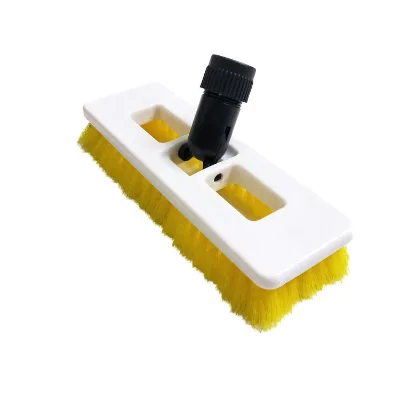
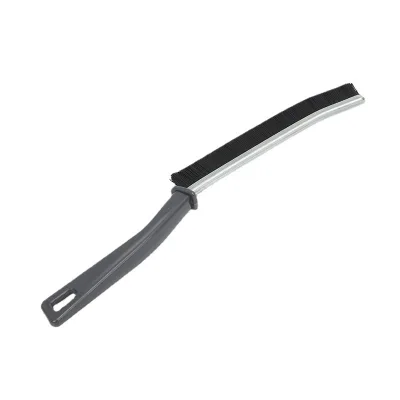
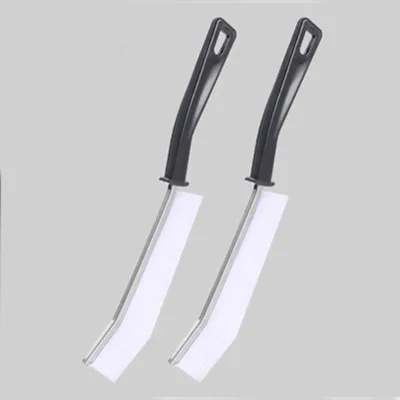


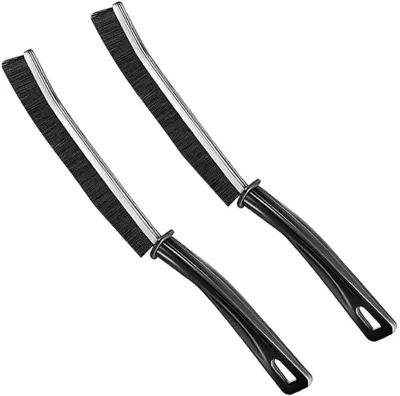
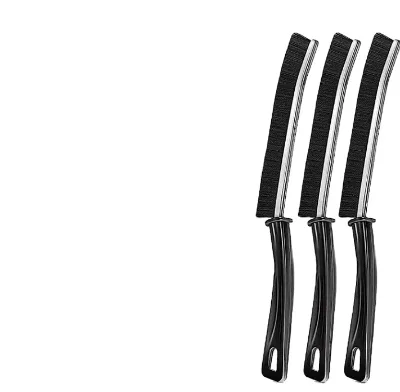


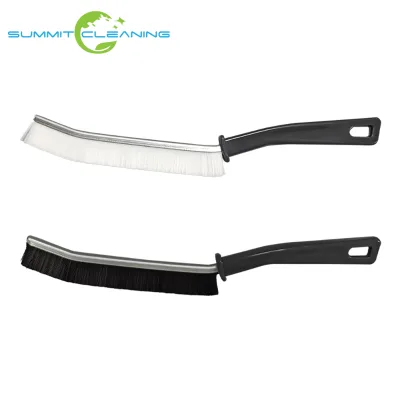
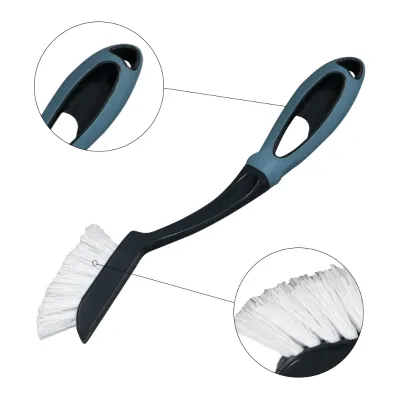
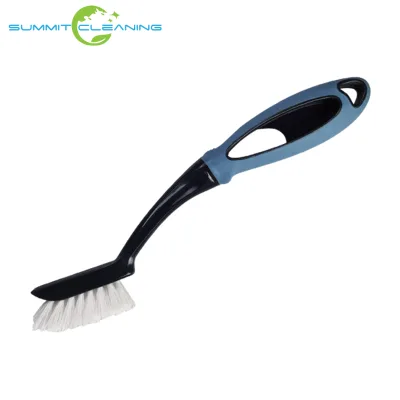


Comprehensive Sourcing Guide
Eco-Friendly PP Grout Cleaner Brush Sourcing Guide
Sourcing eco-friendly polypropylene grout cleaner brushes requires a disciplined approach to balancing material sustainability with functional durability. Buyers must recognize that "eco-friendly" is often a marketing attribute rather than a certified environmental standard, necessitating careful verification of the actual plastic composition and manufacturing processes. The observed market data indicates a wide variance in product specifications, with origins ranging from Shanghai to Jilin and Ningbo, which suggests that supply chain transparency is critical for maintaining consistent quality across large orders.
Procurement teams should prioritize suppliers who offer clear customization options, as the grout cleaning market demands specific bristle stiffness and handle ergonomics for different tile types. The presence of OEM capabilities and low-price advantages in the current listings highlights the competitive nature of this sector, but it also raises the risk of inconsistent material quality. Therefore, establishing a robust verification protocol for the polypropylene grade and bristle attachment method is essential before committing to any volume purchase, ensuring that the final product meets both cleaning efficacy and environmental claims.
Product Scope and Observed Listing Signals
The current market landscape for grout cleaning brushes reveals a diverse array of product configurations, primarily centered around household and commercial floor maintenance. Listings indicate that these tools are designed for use on floors, toilets, kitchens, and even apparel or windows, suggesting a versatile utility that extends beyond strict grout cleaning. The observed price range of $0.08 to $6.00 USD reflects significant variation in perceived value, likely driven by differences in bristle density, handle design, and the extent of customization offered by the manufacturer.
Minimum order quantities (MOQs) typically range from 200 to 10,000 pieces, with some specific listings citing 3,000 pieces as a standard threshold. This variability allows buyers to scale their initial orders based on market testing or immediate demand, though higher volumes often unlock better pricing tiers. The color options observed include black, white, multicolor, and unicolor variants, with some suppliers offering fully customized color schemes to align with brand identity. This flexibility in aesthetic customization is a key differentiator for buyers looking to create a cohesive product line.
Technical Specifications to Verify
Verifying the physical dimensions and material composition is the first step in ensuring the brush meets functional requirements. Observed sizes vary, with specific models measuring 25.5x10x10 cm or 23.5 cm in length, while others are standardized at 14x6.5x8.5 cm. Buyers must confirm that the polypropylene material used is durable and resistant to chemical degradation, especially if the brush will be used with harsh cleaning agents. The weight of the product, observed at approximately 26 grams for some models, indicates a lightweight design that reduces user fatigue during extended cleaning sessions.
Bristle strength and attachment methods are critical technical factors that directly impact cleaning performance and longevity. Suppliers often highlight features such as "strengthed bristles" and "easily cleaned" surfaces, which suggest a design optimized for removing stubborn grime without shedding. It is essential to verify whether the bristles are securely anchored to the plastic head to prevent detachment during use. Additionally, the handle style, described as hand-held or manual, should be evaluated for ergonomic comfort, ensuring that the grip provides sufficient control for precise grout scrubbing tasks.
Compliance and Safety Documentation
While some listings mention certifications such as CE or standards like ISO 14001, these claims are often low-confidence and require independent verification. Buyers should not assume that a product labeled as "eco-friendly" automatically complies with strict environmental regulations or contains recycled content. It is crucial to request specific documentation from the supplier regarding the material safety data sheets (MSDS) and any relevant chemical compliance reports, particularly if the brushes are intended for use in regulated environments or exported to markets with stringent chemical restrictions.
Packaging standards also play a role in compliance and product protection. Observed packaging methods include OPP bags, mailing boxes, and polybags/cartons, which must be evaluated for their ability to protect the brushes during transit and storage. Buyers should ensure that the packaging materials themselves are sustainable or recyclable if the "eco-friendly" claim extends to the entire product lifecycle. Clear labeling on the packaging regarding usage instructions and material composition is also necessary to avoid misuse and to support the brand’s sustainability narrative.
Cost Drivers and Commercial Terms
The cost structure of grout cleaner brushes is influenced by several factors, including material costs, manufacturing complexity, and order volume. The observed price range suggests that basic models are highly commoditized, while customized or premium features command higher prices. Buyers should analyze the cost breakdown to understand how much of the price is attributed to the plastic material versus the labor and tooling costs. Customization options, such as specific colors or branded packaging, can significantly impact the unit price, so it is important to balance aesthetic preferences with budget constraints.
Commercial terms such as payment methods and delivery schedules are critical components of the procurement process. Typical payment terms include T/T (Telegraphic Transfer) and L/C (Letter of Credit), which offer varying levels of security for both buyers and suppliers. Buyers should negotiate clear delivery timelines and penalties for delays, especially when dealing with large MOQs. Understanding the total landed cost, including shipping and tariffs, is essential for accurate budgeting and ensuring that the final product remains competitive in the target market.
Supplier Qualification and Quality Control
Selecting a reliable supplier requires a thorough evaluation of their manufacturing capabilities and quality control processes. Buyers should verify the supplier’s production capacity, especially given the wide range of MOQs observed, to ensure they can meet demand without compromising quality. Factories located in regions like Jilin, Shanghai, and Ningbo may have different operational standards, so it is important to conduct on-site audits or request detailed quality assurance protocols. Suppliers who offer OEM services should demonstrate a robust process for managing custom designs and maintaining consistency across batches.
Quality control measures should include random sampling and stress testing of the brushes to ensure durability and performance. Buyers should request samples to evaluate the bristle strength, handle comfort, and overall build quality before placing a large order. Establishing a clear quality agreement that defines acceptable defect rates and remediation procedures is essential for mitigating risk. Regular communication with the supplier regarding production updates and quality inspections can help identify and resolve issues early in the manufacturing process.
Long-Term Procurement Checks
Sustainable sourcing practices require ongoing monitoring of supplier performance and product impact. Buyers should regularly review supplier compliance with environmental claims and verify that any "eco-friendly" assertions are backed by credible evidence. This includes assessing the supplier’s efforts to reduce waste, use recycled materials, or implement energy-efficient manufacturing processes. Building a long-term relationship with a supplier who shares these values can enhance the brand’s reputation and support broader sustainability goals.
Continuous improvement in product design and functionality is also key to long-term success. Buyers should gather feedback from end-users to identify areas for improvement, such as enhanced ergonomics or more effective bristle designs. Regularly updating product specifications based on market trends and user needs can help maintain competitiveness. Additionally, staying informed about changes in regulations and industry standards ensures that the procurement strategy remains aligned with legal requirements and consumer expectations, securing the product’s relevance in the market.
FAQs
What are the standard dimensions for this grout cleaner scrub brush?
The standard size is 25.5 by 10 by 10 centimeters, with a length of 23.5 centimeters. Some models measure 14 by 6.5 by 8.5 centimeters. Custom sizes are available for bulk orders. The compact design ensures easy handling during household cleaning tasks. These dimensions fit comfortably in the hand for effective scrubbing.
Can I customize the color and branding for this plastic cleaning brush?
Yes, customization is available for both color and branding. The product can be produced in black, white, or multicolor options. OEM services are offered to meet specific brand requirements. Buyers can request tailored designs to match their marketing needs. This flexibility supports unique product positioning in various retail markets.
What is the minimum order quantity for these eco-friendly brushes?
The minimum order quantity typically ranges from 200 to 10,000 pieces. A common baseline is 3,000 pieces for standard orders. Flexible MOQs allow buyers to test market demand with smaller batches. Larger quantities may secure better pricing terms. Check with suppliers for specific MOQ requirements based on customization needs.
Where are these grout brushes manufactured and what are the payment terms?
These brushes are manufactured in China, with origins in Jilin, Shanghai, and Ningbo. Payment terms generally include T/T and L/C options. Buyers should verify specific factory locations for shipping logistics. Secure payment methods ensure transaction safety. Origin details help assess supply chain reliability and delivery timelines.
What features make this plastic brush suitable for floor and tile cleaning?
The brush features strengthened bristles for effective grout scrubbing. It is made from durable plastic that is eco-friendly and easy to clean. The hand-held design allows for precise application on floors, toilets, and kitchens. Stocked items offer immediate availability. These features ensure long-lasting performance for various household cleaning applications.