Source Eco Friendly PP Noodle Scoop for Kitchens, Camps, and Events
Find 30 Eco Friendly PP Noodle Scoop options from verified suppliers. Compare customizable sizes, PP materials, and certifications like FDA and LFGB for bulk orders.
Key considerations
Products List
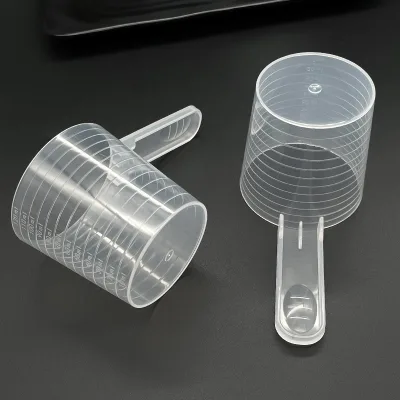
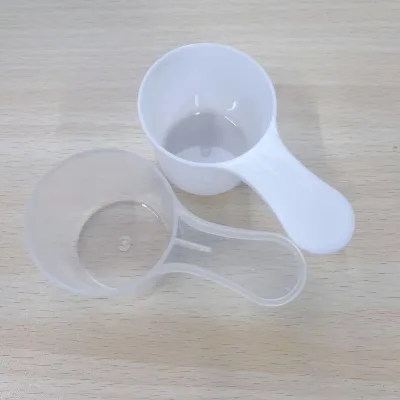
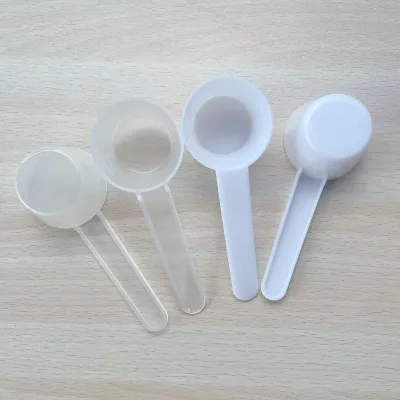
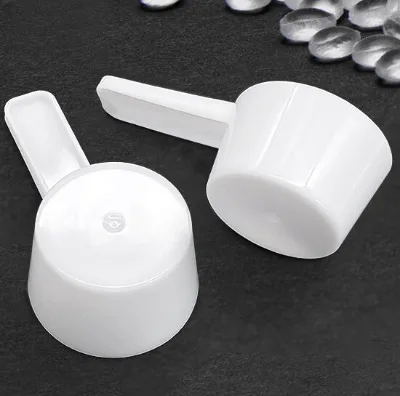




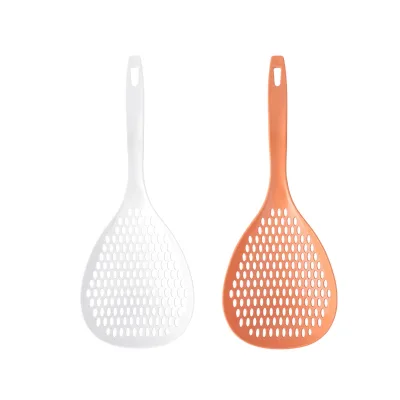


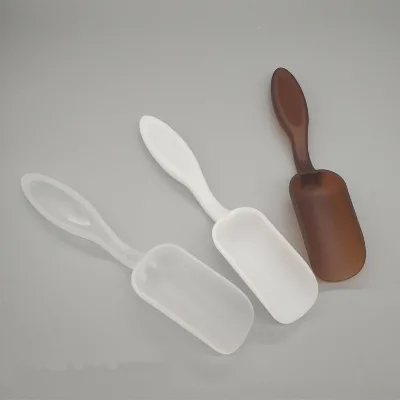


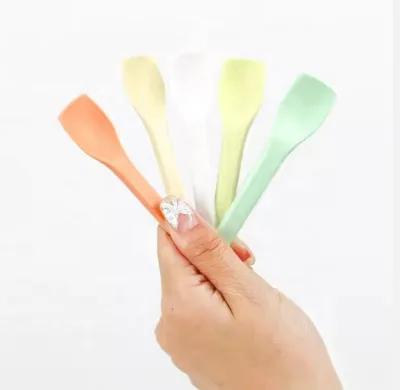

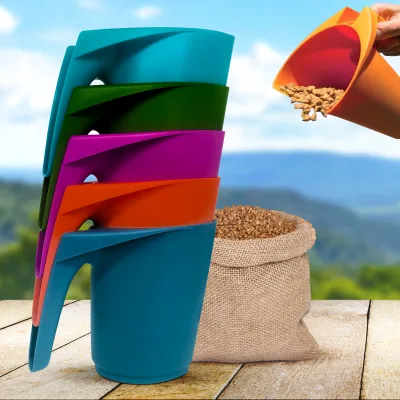
Comprehensive Sourcing Guide
Strategic Sourcing Guide for Eco-Friendly PP Noodle Scoops
Understanding Material Composition and Environmental Attributes
When sourcing eco-friendly polypropylene (PP) noodle scoops, the primary focus must remain on the material integrity and the specific environmental claims associated with the product. The supplied data confirms that the core material for these items is Polypropylene, identified variously as "PP" and "Plastic" in product specifications. This material choice is critical because PP is a thermoplastic polymer known for its high melting point, chemical resistance, and durability, making it suitable for repeated use in food service environments. However, the term "eco-friendly" in this context requires precise verification. The product attributes explicitly list "Eco-Friendly" and "Sustainable" as key features, alongside "Stocked" availability.
Buyers must distinguish between the inherent properties of PP and the specific manufacturing processes that render a product eco-friendly. While the material itself is recyclable, the "eco-friendly" designation often implies the use of recycled content, biodegradable additives, or energy-efficient production methods. The observed product attributes indicate that customization is a central pillar of these products, with "Customizable" color options and "Customized Logo Acceptable" features. This suggests that suppliers may offer variations in material composition or additives to meet specific sustainability mandates. The "Design Style" is noted as "Minimalist" and "Contemporary," which often aligns with modern sustainability trends that favor simplicity and reduced material usage.
It is essential to note that while the product is described as a "Measuring spoon" and "Plastic Scoop," the "Disposable" attribute is listed as "Non-Disposable" in specific entries. This indicates a dual market: some units are designed for single-use scenarios, while others are durable goods intended for institutional or commercial reuse. The "Single volume" is listed as 0 cm³ in some records, which likely represents a data entry anomaly for a generic listing, whereas specific "measuring weight" attributes range from 1g to 15g. This variance highlights the need for buyers to verify the exact capacity and weight specifications for their specific application, whether it is for precise culinary measurement or bulk serving.
Technical Specifications and Customization Capabilities
The technical landscape of eco-friendly PP noodle scoops is defined by a high degree of flexibility in manufacturing. The "Model Number" and "prod_model" fields reveal a wide array of identifiers, such as "HD," "plastic spoon 11," "25060325," and "spoon10," suggesting that these are not standardized off-the-shelf items but rather custom-molded products. The "Size" specification is consistently listed as "Customized Size" or "Customizable," allowing buyers to tailor the scoop dimensions to specific noodle types or serving requirements. This customization extends to the "Production" method, with "Big Round Spoon" and "Injection" molding types explicitly mentioned. Injection molding is the standard process for creating durable, high-precision plastic components, ensuring that the final product maintains structural integrity under thermal stress.
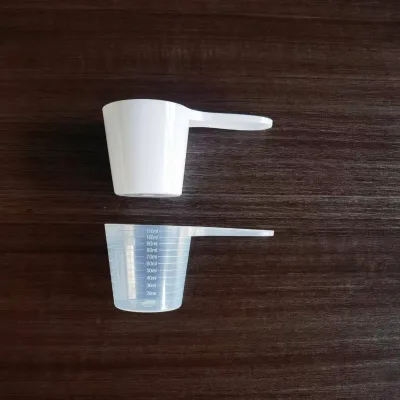
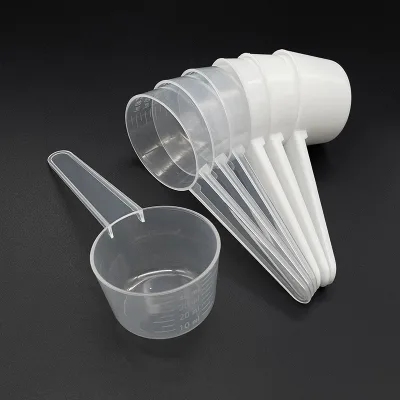
Color options are another critical technical variable. The data presents a spectrum ranging from "White," "Transparent," and "Clear" to "Customized" and "White, Transparent,Customizable." This flexibility allows brands to align the product with their visual identity or to use color coding for different serving sizes. The "Logo" attribute confirms that "Customized Logo Acceptable" is a standard offering, enabling companies to brand these scoops for promotional use or corporate identity. Furthermore, the "prod_packing" section lists options including "Bulk," "OPP Bag," "Box," and "Customized," indicating that packaging can be adapted to reduce waste or meet specific logistics requirements.
The "Commercial Buyer" field mentions "Institutional B109b Solutions," which implies that these products are often sourced for large-scale institutional use, such as hospitals, schools, or large catering operations. The "Usage" is broadly defined as "Measurement" and "Measuring," but the "Occasion" field expands this to "Giveaways," "Business Gifts," and "Camping." This versatility suggests that the same technical base can be adapted for both functional kitchen tools and promotional merchandise. The "Single gross weight" is listed as 0.0 kg in some entries, which again points to data inconsistencies, but the "measuring weight" attributes of 1g, 5g, and 15g provide concrete reference points for the scale of the product. Buyers should verify the actual weight and volume of the specific mold they select to ensure it meets their operational needs.
Compliance, Certification, and Regulatory Standards
Navigating the regulatory landscape is paramount when sourcing food-contact plastics, especially those marketed as eco-friendly. The supplied facts provide a robust list of certifications that buyers should expect to see on compliant products. These include "CE/EU," "FDA," "CIQ," "LFGB," and "EEC." The presence of FDA certification is particularly significant for products entering the United States market, as it indicates compliance with the Food and Drug Administration's regulations regarding food contact substances. Similarly, LFGB (Lebensmittel- und Bedarfsgegenständegesetz) is the German Food and Feed Code, a rigorous standard often required for products sold in Europe. The CE/EU marking signifies conformity with health, safety, and environmental protection standards for products sold within the European Economic Area.
Buyers must treat these certifications as mandatory verification points rather than optional features. The "prod_standard" is listed as "customisable" and "According to the mould," which implies that the manufacturing process can be adjusted to meet specific regional regulatory requirements. However, the existence of "CIQ" (China Inspection and Quarantine) and "EEC" (European Economic Community) certifications suggests that the supply chain is capable of meeting international trade standards. It is crucial to note that while the data lists these certifications, the actual validity for a specific batch of goods must be confirmed through current documentation. The "Standard" attribute being "customisable" also means that buyers should explicitly request the specific standard numbers or test reports relevant to their target market.
The "Eco-Friendly" and "Sustainable" claims should be backed by these certifications. For instance, if a product claims to be made from recycled PP, the supplier should provide evidence of the recycled content percentage and ensure that the additives used do not compromise food safety. The "Production" type of "Injection" molding must be verified to ensure that no harmful contaminants are introduced during the manufacturing process. Buyers should also verify that the "Place of Origin" is China, as this is the primary manufacturing hub identified in the data, and ensure that the supplier has the necessary export licenses and quality management systems in place to support the claimed certifications.
Cost Drivers and Economic Factors in Procurement
The economic landscape for sourcing eco-friendly PP noodle scoops is influenced by several dynamic factors, primarily driven by the high degree of customization and the scale of production. The observed "MOQ" (Minimum Order Quantity) ranges from 10 to 1,000,000 pieces, indicating a highly flexible supply chain that can accommodate both small pilot runs and massive institutional orders. The "Selling Units" are listed as "Single item," but the "MOQ" of 1000pcs is a high-confidence fact, suggesting that while individual units can be purchased for sampling, bulk orders typically start at the 1,000-piece threshold. This tiered approach allows buyers to manage cash flow and inventory risk effectively.
The "Observed listed price range" of 0.01-15 USD per unit highlights the vast disparity in pricing, which is directly correlated with the level of customization, material quality, and order volume. The lower end of the price spectrum likely corresponds to standard, non-customized models with minimal packaging, while the higher end reflects custom molds, complex branding, and specialized eco-friendly material formulations. The "Production" of "Big Round Spoon" and the "Type" of "Spoon" or "Disposable Spoon" also influence cost, as more complex geometries require more sophisticated tooling and longer cycle times.
Buyers should be aware that the "Customized" nature of the product introduces variable costs. The "prod_packing" options, such as "Customized" packaging, will add to the unit cost compared to "Bulk" or "OPP Bag" options. Additionally, the "Logo" customization incurs tooling and setup fees, which are amortized over the order quantity. The "Single volume" and "measuring weight" variations also play a role; a scoop designed for 15g may require more material than one for 1g, directly impacting the raw material cost. The "Commercial Buyer" segment, specifically "Institutional B109b Solutions," suggests that volume discounts are likely available for large contracts, but the exact pricing structure must be negotiated based on the specific "prod_model" and "Size" requirements.
Typical Applications and Market Segmentation
The versatility of eco-friendly PP noodle scoops is evident in the diverse "Occasion" and "Usage" attributes listed. These products are not limited to a single niche but serve multiple market segments. The "Usage" is primarily "Measurement" and "Measuring," making them essential tools in culinary environments where precision is required. The "Occasion" field expands this to "Giveaways," "Business Gifts," and "Camping," indicating a strong promotional and outdoor utility. In the context of "Business Gifts," these scoops can serve as branded merchandise for food service companies, restaurants, or culinary schools, reinforcing brand identity while providing a functional tool.
The "Design Style" of "Minimalist" and "Contemporary" aligns well with modern dining trends and eco-conscious branding. The "Color" options, including "White," "Transparent," and "Customized," allow for aesthetic integration into various brand identities. For "Camping" applications, the durability of PP and the "Non-Disposable" nature of certain models make them ideal for outdoor enthusiasts who require reliable, reusable utensils. The "Type" of "Spoon" and "Disposable Spoon" (with the latter being "Non-Disposable" in specific entries) suggests a dual utility: they can be used as durable kitchen tools or as high-quality single-use items for events where hygiene is a priority but sustainability is still a goal.
The "Commercial Buyer" reference to "Institutional B109b Solutions" points to a significant market in institutional food service. Hospitals, universities, and large corporate cafeterias often require standardized, durable, and safe utensils that can withstand high-volume washing and usage. The "Eco-Friendly" attribute is particularly valuable in this sector, as many institutions have sustainability mandates. The "Product Name" variations, such as "Measuring spoon," "Plastic Scoop," and "Spoon Plastic," reflect the different terminologies used across these sectors, but the underlying product remains the same: a versatile, customizable PP scoop.
Supplier Evaluation and Quality Control Protocols
Selecting the right supplier for eco-friendly PP noodle scoops requires a rigorous evaluation process that goes beyond price and lead time. The "Place of Origin" is consistently listed as "China," which is a major manufacturing hub for plastic products. Buyers should verify the supplier's manufacturing capabilities, specifically their "Plastic Modling Type" of "Injection." This process ensures high precision and consistency, which is critical for food-contact products. The "Standard" being "customisable" and "According to the mould" indicates that the supplier has the flexibility to adapt to specific buyer requirements, but this also necessitates a thorough review of their quality control (QC) protocols.
Quality control should focus on several key areas: material integrity, dimensional accuracy, and surface finish. The "measuring weight" and "Single volume" attributes must be verified through physical testing to ensure they match the specifications. The "Certification" list, including FDA, LFGB, and CE, should be validated with current, batch-specific test reports. Buyers should also inspect the "prod_packing" to ensure that the packaging protects the product during transit and meets any eco-friendly requirements, such as using recycled materials or reducing plastic waste.
The "Customization" aspect requires a clear communication channel between the buyer and the supplier. The "Logo" and "Color" customization options must be agreed upon in detail, including color codes (e.g., Pantone) and logo placement. The "MOQ" of 1000pcs is a significant commitment, so buyers should request samples before placing a bulk order to verify the quality and functionality of the product. The "Feature" of "Stocked" and "Sustainable" should be confirmed with the supplier to ensure that the eco-friendly claims are genuine and not merely marketing terms. Finally, the "Production" timeline and "Lead Time" (though not explicitly stated in the data) should be discussed to ensure alignment with the buyer's inventory needs.
Long-Term Procurement and Sustainability Strategy
For buyers looking to establish a long-term relationship with suppliers of eco-friendly PP noodle scoops, the focus should be on sustainability, scalability, and continuous improvement. The "Eco-Friendly" and "Sustainable" features are not just selling points but strategic assets that can enhance a brand's reputation. Buyers should work with suppliers to explore opportunities for increasing the use of recycled PP content or reducing the carbon footprint of the manufacturing process. The "Customizable" nature of the product allows for iterative improvements, such as optimizing the design to use less material while maintaining strength and functionality.
Scalability is another critical consideration. The wide "MOQ" range from 10 to 1,000,000 pieces suggests that the supply chain can grow with the buyer's needs. However, buyers should establish clear contracts that define pricing tiers, quality standards, and delivery schedules to ensure consistency as order volumes increase. The "Commercial Buyer" segment indicates that institutional clients often require long-term supply agreements, so buyers should negotiate terms that provide stability and flexibility.
Finally, buyers should monitor the regulatory landscape and consumer trends. As sustainability becomes more important, the demand for eco-friendly products will likely increase. By partnering with suppliers who are committed to innovation and compliance, buyers can ensure that their product offerings remain competitive and aligned with market expectations. The "Design Style" of "Minimalist" and "Contemporary" suggests that future designs should continue to evolve to meet these aesthetic and functional demands. By focusing on these long-term strategies, buyers can build a resilient and sustainable supply chain for eco-friendly PP noodle scoops.
FAQs
What certifications do eco friendly pp noodle scoops have?
These products typically hold CE/EU, FDA, CIQ, LFGB, and EEC certifications. Buyers must verify current documentation for specific batches to ensure compliance with food safety standards in their target regions.
Can I customize the size and logo on these scoops?
Yes, customization is available for both size and logo. The product features customizable sizes and accepts customized logos, allowing buyers to tailor dimensions and branding to specific institutional or promotional needs.
What is the minimum order quantity for these plastic scoops?
The high-confidence minimum order quantity is 1000 pieces. While observed ranges vary from 10 to 1,000,000, bulk orders typically start at the 1000-piece threshold to secure pricing and production slots.
Which materials are used to make these measuring spoons?
The primary material is Polypropylene, identified as PP or Plastic. This thermoplastic offers high melting points and chemical resistance, making it suitable for repeated use in food service environments while being recyclable.
How are these eco friendly scoops packaged for shipment?
Packaging options include bulk, OPP bags, boxes, and customized solutions. Buyers can request specific packing methods to reduce waste or meet logistics requirements, with production standards adjustable according to the mold.
What is the origin location for these plastic spoon products?
The place of origin is China. This is the primary manufacturing hub identified in the data, requiring suppliers to have necessary export licenses and quality management systems to support claimed certifications.
Are these measuring tools designed for single use or reuse?
Some models are non-disposable and designed for durable reuse. The product attributes indicate a dual market where items serve as either functional kitchen tools or promotional merchandise for camping and business gifts.