Source Eco Friendly PP Kitchen Utensils for cooking, serving, and baking
Compare 30 listings for Eco Friendly PP Kitchen Utensils including wood, nylon, and silicone options from Chinese manufacturers. Buyers can review custom sizes, logos, and certifications like CE to find durable tools for home kitchens.
Key considerations
Products List
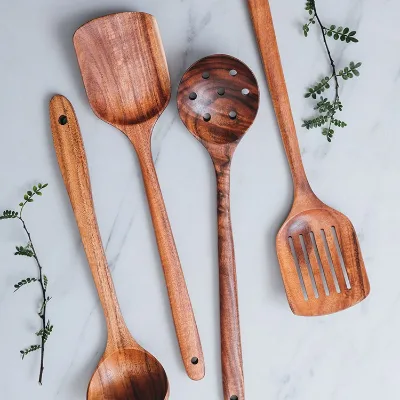
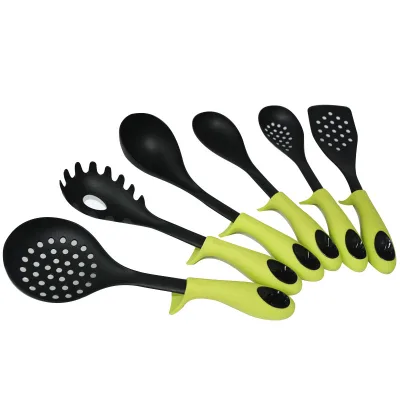


Eco Friendly Reusable Bamboo Kitchen Spatula Spoon Cooking Tools Utensils
$0.88 - $0.98
MOQ: 500 Pieces

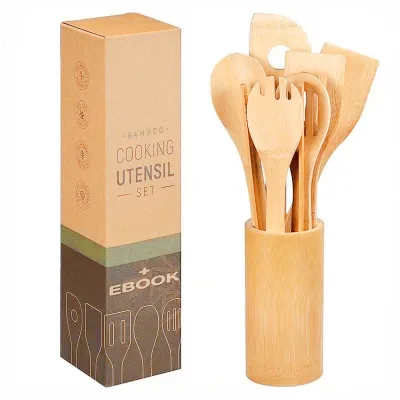


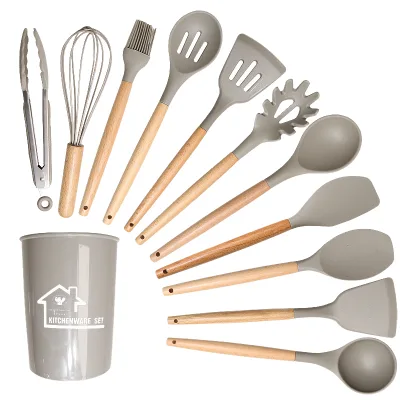
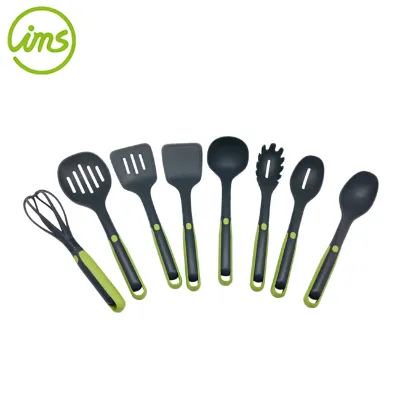
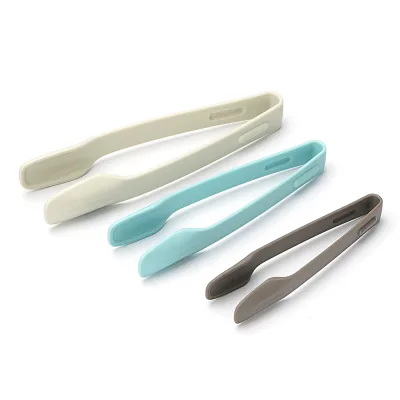

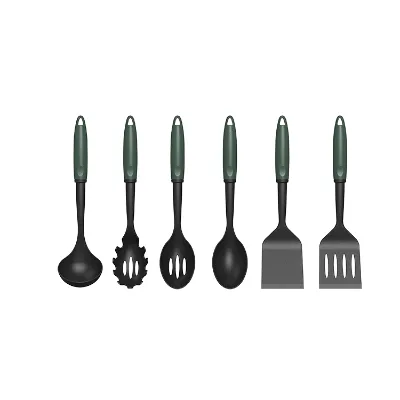
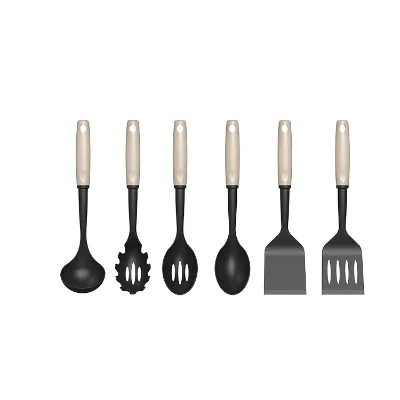


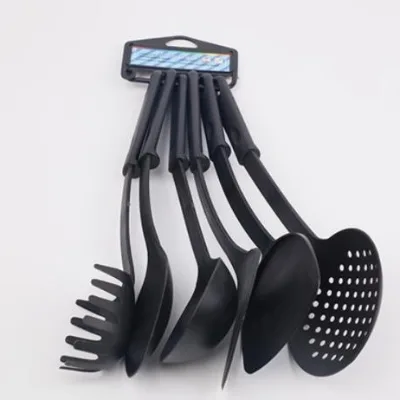

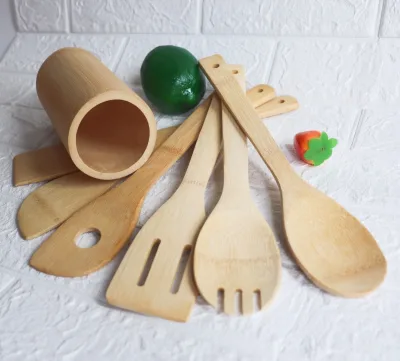


Comprehensive Sourcing Guide
Sourcing Guide for Eco-Friendly PP Kitchen Utensils
Procuring eco-friendly kitchen utensils made from polypropylene (PP) requires a nuanced understanding of material science, supply chain transparency, and specific compliance frameworks. While the term "eco-friendly" often implies biodegradability, in the context of PP, it frequently refers to the durability of the product, the use of recycled content, or the manufacturing efficiency that reduces waste over the product's lifecycle. Buyers must navigate a market where attributes like "Sustainable," "Eco-Friendly," and "Stocked" appear alongside specific material compositions such as Nylon, Silicone, and Wood. This guide provides a structured approach to evaluating suppliers and products that align with the core keyword of eco-friendly PP kitchen utensils, ensuring that procurement decisions are based on verified facts rather than marketing generalities.
Material Composition and Functional Attributes
The foundation of any kitchen utensil procurement lies in the material composition. Polypropylene is a thermoplastic polymer known for its high melting point, chemical resistance, and durability. In the context of the supplied product data, buyers will encounter a diverse range of material combinations. While some listings explicitly state "PP" for handle materials, others describe "Nylon" heads or "Silicone + Nylon" composites. For instance, one observed product specification lists the handle material as PP and the head material as Nylon, while another entry highlights a "Silicone + Nylon" material profile. This variation is critical because the "eco-friendly" claim often hinges on the specific blend and the intended use case.
When evaluating PP-based utensils, buyers should verify the specific application of the PP component. Is it used for the handle to provide a heat-resistant grip, or is it the primary structural material? The data indicates that "Hand Wash Only" is a common care instruction, which suggests that while PP is durable, it may not withstand the high temperatures of dishwashers in all configurations. Conversely, other product attributes list "Dishwasher Safe" as a Yes, indicating that specific PP formulations or designs can withstand higher thermal loads. The functional attribute "Durable Kitchen Tools" is a recurring theme, suggesting that the longevity of the PP utensil is a key selling point for sustainability, as durable goods reduce the frequency of replacement.
Buyers must also consider the "Sustainable" and "Eco-Friendly" features listed in product descriptions. In the context of PP, these claims often relate to the recyclability of the material or the reduction of single-use plastics. However, the presence of "Stocked" items suggests that some suppliers offer immediate availability of these sustainable alternatives, which can be advantageous for short-lead-time projects. The distinction between "Disposable" and "Non-Disposable" is also vital; the data confirms that the relevant products are "Non-Disposable," reinforcing the argument that PP utensils are designed for long-term use, thereby contributing to waste reduction.
Technical Specifications and Customization Options
Technical specifications for PP kitchen utensils vary significantly based on the supplier's capabilities and the intended market. The supplied data reveals a wide spectrum of customization options, including "Custom Size," "Customized Color," and "Customized Logo." This flexibility allows buyers to tailor products to specific brand identities or functional requirements. For example, one product entry lists a single package size of 41.5x32x33 cm, while another specifies a "Single item" selling unit with a gross weight of 1.000 kg. These dimensions and weights are essential for logistics planning and cost estimation.
The "Model Number" and "Product Name" fields provide further clarity on the specific configurations available. Entries such as "JPY-M-626-13" and "WH-141" indicate that suppliers often have distinct SKUs for different product lines, which may include variations in handle length, head shape, or material blend. The "Number of Pieces" also varies, with some sets containing a single item and others offering a "6PCS" configuration. This modularity is important for buyers looking to create comprehensive kitchen tool sets or single-purpose tools.
Packaging is another critical technical specification. The data shows options ranging from "Opp Bag" to "Set" packaging, with some entries specifying "1 Package 1 Product." The choice of packaging can impact the product's perceived value and its environmental footprint. While "Opp Bag" is a common and cost-effective solution, "Set" packaging might be preferred for premium presentations. Additionally, the "Origin" of the product, whether from Shandong, Guangdong, or Yiwu in China, can influence the manufacturing standards and the specific technical capabilities of the supplier. Buyers should verify if the technical specifications align with the regional manufacturing strengths, as different regions may specialize in different types of plastic molding or assembly techniques.
Compliance, Certification, and Regulatory Standards
Navigating the compliance landscape for kitchen utensils is essential to ensure that products meet safety and environmental standards. The supplied data highlights several certifications, including "CE" and "CE/EU." These certifications are crucial for products intended for the European market, indicating that the utensils meet specific safety and health requirements. The "CE" mark suggests compliance with European Union directives, which is a baseline requirement for many B2B transactions involving plastic kitchenware.
However, buyers must exercise caution when interpreting these certifications. The data lists "CE" and "CE/EU" as observed attributes, but it does not provide specific test reports or standard numbers (e.g., LFGB, FDA). Therefore, buyers should verify the validity of these certifications with the supplier and request documentation that confirms the specific standards met. The "Low-confidence background" section mentions "FSC" (Forest Stewardship Council), but this is noted as background information and should not be assumed as a verified attribute for PP products, as FSC typically applies to wood and paper products rather than plastics.
For eco-friendly claims, buyers should look for evidence of recycled content or specific manufacturing processes that reduce environmental impact. While the data mentions "Sustainable" and "Eco-Friendly" features, these are general descriptors. To substantiate these claims, buyers should request third-party verification or specific material data sheets that detail the percentage of recycled PP used. Additionally, the "Non-Disposable" attribute supports the sustainability argument by emphasizing the product's reusability, but this should be cross-referenced with durability test results to ensure the product can withstand repeated use without degrading.
Cost Drivers and Pricing Dynamics
Understanding the cost drivers for eco-friendly PP kitchen utensils is vital for budgeting and negotiation. The observed price range in the supplied data spans from $0.28 to $12.80 USD. This wide variance is influenced by several factors, including the number of pieces in the set, the complexity of the design, the quality of the materials, and the level of customization. A single-item PP utensil will naturally cost less than a 6-piece set with custom branding and specialized packaging.
The Minimum Order Quantity (MOQ) is another significant cost driver. The data shows an MOQ range from 2 to 5000 pieces, with a specific observation of 500 pieces for certain products. Higher MOQs often result in lower unit costs due to economies of scale, but they also require a larger upfront investment. Buyers with smaller order volumes may need to pay a premium or negotiate with suppliers who offer lower MOQs, such as the 2-piece option observed.
Other cost factors include the "Customized Logo" and "Customized Color" options. These value-added services typically incur additional setup fees and may increase the unit price. The "Sample" availability is also a consideration; while samples are often available, they may come at a higher cost per unit compared to bulk orders. Buyers should factor in the cost of samples when evaluating potential suppliers, as this can be a significant expense if multiple iterations are required.
Supplier Evaluation and Geographic Considerations
Evaluating suppliers for PP kitchen utensils requires a thorough assessment of their capabilities, location, and reputation. The data indicates that products originate from various regions in China, including Shandong, Guangdong, and Yiwu. Each of these regions has its own manufacturing strengths. Shandong is known for its wood and general manufacturing, while Guangdong and Yiwu are hubs for plastic products and small commodities. Buyers should align their sourcing strategy with the specific expertise of the region.
When evaluating suppliers, buyers should look for evidence of "Stocked" items, which indicates that the supplier has inventory ready for immediate shipment. This can be advantageous for reducing lead times and ensuring supply chain continuity. The "Sample" availability is another positive indicator, suggesting that the supplier is willing to engage in the pre-production process and verify product quality before committing to a large order.
The "Brand Name" associated with the products, such as "JPY" and "Hwalli," can also provide insights into the supplier's market positioning. While these are specific brand identifiers, buyers should focus on the underlying manufacturing capabilities rather than the brand name itself. The ability to accept "Customized Logo" and "Customized Color" suggests that the supplier is flexible and capable of meeting specific client requirements. Buyers should verify the supplier's capacity to handle these customizations without compromising quality or delivery timelines.
Quality Control and Long-Term Procurement Strategy
Implementing a robust quality control (QC) strategy is essential for ensuring that PP kitchen utensils meet the required standards. Given the "Hand Wash Only" and "Dishwasher Safe" variations, buyers must establish clear testing protocols to verify the durability and safety of the products. This includes testing for heat resistance, chemical stability, and mechanical strength. The "Non-Disposable" attribute underscores the need for long-term durability, which should be validated through rigorous testing.
For long-term procurement, buyers should consider the lifecycle of the product. The "Sustainable" and "Eco-Friendly" features suggest that the products are designed to last, but this must be confirmed through performance data. Buyers should also evaluate the supplier's ability to maintain consistent quality over time, especially when dealing with customizations like logos and colors. Establishing a long-term relationship with a reliable supplier can help mitigate risks and ensure a steady supply of high-quality products.
In conclusion, sourcing eco-friendly PP kitchen utensils requires a comprehensive approach that balances material science, compliance, cost, and supplier capabilities. By carefully evaluating the technical specifications, verifying certifications, and understanding the cost drivers, buyers can make informed decisions that align with their sustainability goals and business objectives. The data provided offers a solid foundation for this process, but buyers must remain vigilant in verifying claims and ensuring that the products meet their specific requirements.
FAQs
Can Eco Friendly PP Kitchen Utensils be dishwasher safe?
Some Eco Friendly PP Kitchen Utensils are dishwasher safe, but others require hand washing only. The care instructions vary by specific product design and material blend, so buyers must verify the care label for each item before purchase to ensure longevity.
What certifications do these utensils typically hold?
Products often carry CE or CE/EU certifications to meet European safety standards. While FSC is mentioned in background contexts, it is not a verified attribute for these plastic items, so buyers should request specific test reports to confirm compliance with food safety regulations.
Which customization options are available for these sets?
Suppliers offer customized logos, colors, and sizes for Eco Friendly PP Kitchen Utensils. Buyers can select from single items or six-piece sets, with packaging options ranging from opp bags to complete sets, allowing for tailored branding and functional requirements.
How does the MOQ affect the unit pricing?
The minimum order quantity ranges from 2 to 5000 pieces, directly influencing the unit cost. Higher volumes typically reduce the price per item, with observed prices spanning from 0.28 to 12.80 USD depending on the number of pieces and customization level required.
Where are these utensils manufactured in China?
Manufacturing origins include Shandong, Guangdong, and Yiwu, each offering different production capabilities. Shandong is noted for wood products, while Guangdong and Yiwu specialize in plastic and small commodities, allowing buyers to select based on regional manufacturing strengths.
Are these utensils reusable or disposable?
The listed products are explicitly non-disposable and designed for durable, long-term kitchen use. This reusability supports sustainability claims, as the items are built to withstand repeated use rather than serving as single-use alternatives for home cooking.