Find Eco-Friendly Pour Over Coffee Kit for Camping Outdoor Travel
Source 30 verified options for an Eco-Friendly Pour Over Coffee Kit suitable for camping, outdoor adventures, and home brewing. Compare stainless steel, glass, and wood materials with customizable features and OEM services from Chinese manufacturers.
Key considerations
Products List


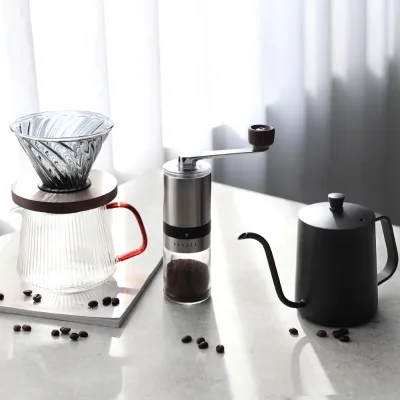
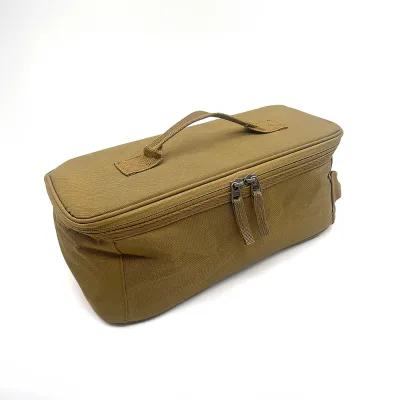
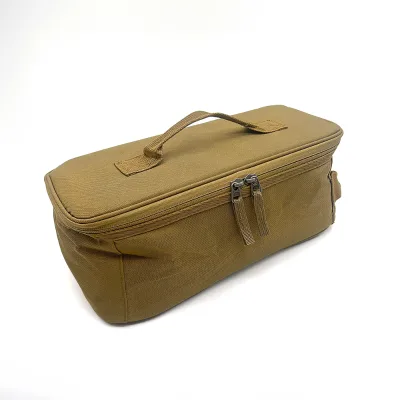
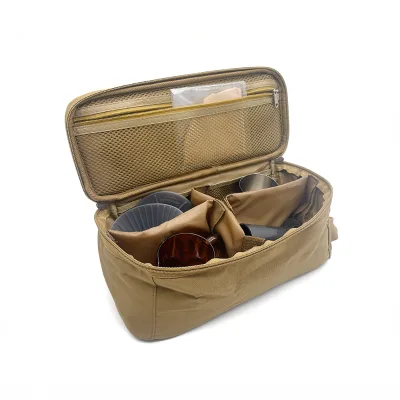
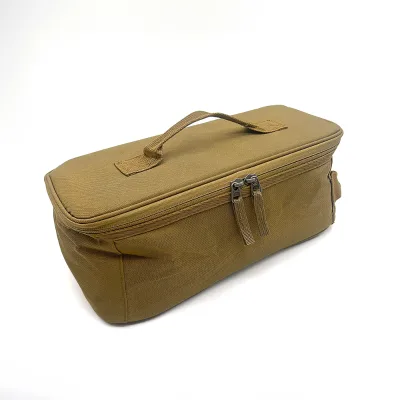
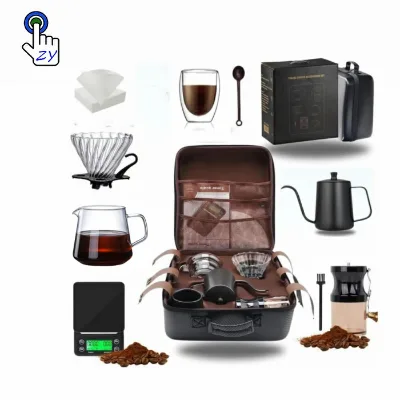
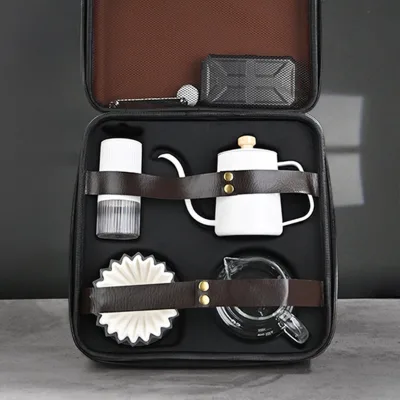
Portable Outdoor Pour Over Coffee Travel Bag Set Coffee Brewing Kit Set
$3.90 - $4.20
MOQ: 1000 Pieces


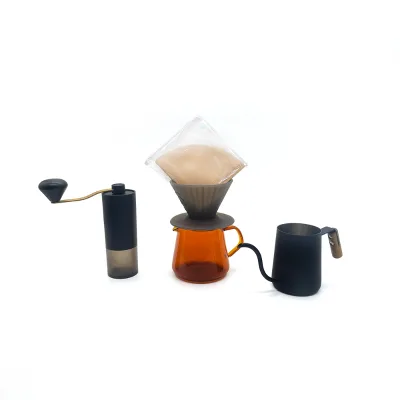
Manual Coffee Grinder & Pour Over Coffee Maker Set - Portable Brewing Kit
$24.90 - $26.90
MOQ: 60 Pieces

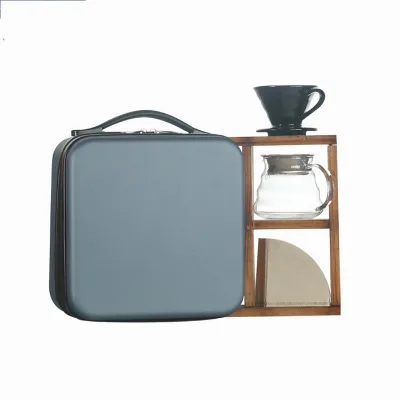


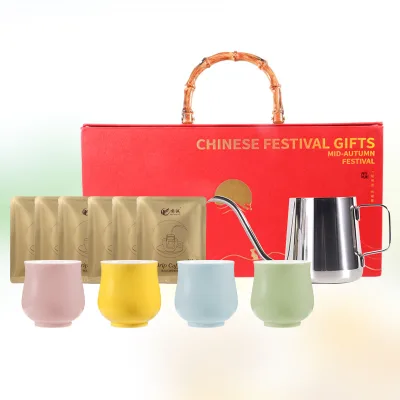
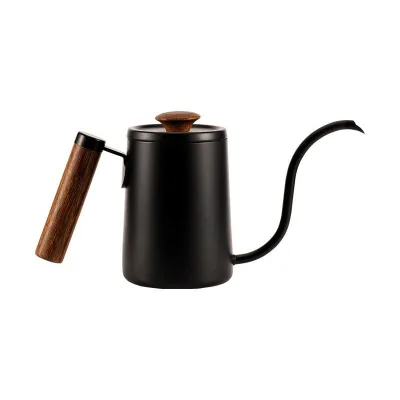
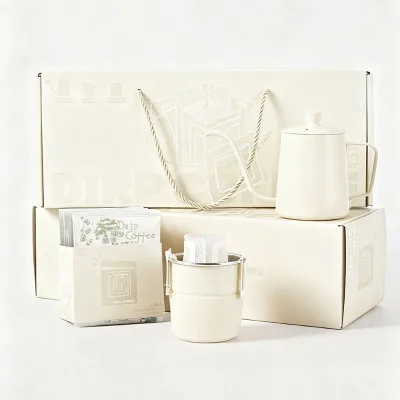


Comprehensive Sourcing Guide
Strategic Sourcing Guide for Eco-Friendly Pour Over Coffee Kits
Understanding Product Definitions and Core Specifications
When sourcing an eco-friendly pour over coffee kit, buyers must first distinguish between the various configurations available in the global marketplace. The core product category encompasses drip coffee systems designed to minimize waste while maximizing extraction quality. Based on current market observations, these kits are frequently categorized by their material composition and structural design. The primary material types observed include stainless steel, glass, and wood, each offering distinct advantages regarding durability, thermal retention, and environmental impact.
Stainless steel models are prevalent in the outdoor and camping sectors due to their resistance to breakage and lightweight nature. These units often feature a "Light" weight specification and are constructed from high-grade metal alloys that resist corrosion. In contrast, glass-based kits prioritize visual clarity and chemical inertness, ensuring no metallic taste interferes with the coffee profile. Wooden variants, while less common for the filter basket itself, appear in handle or stand components, adding a natural aesthetic that aligns with eco-friendly branding.
The physical dimensions of these kits vary significantly. Observed specifications indicate standard sizes such as 11.2 x 11.2 x 12.75 cm for certain stainless steel models, while capacity ranges from 12 oz to 300ml or 500ml depending on the intended user base. The "Pieces" attribute is a critical differentiator; some listings offer single-piece units, while others provide complete "Sets" that include mugs, lids, and filter baskets. This variability requires buyers to clearly define whether they need a standalone filter or a comprehensive brewing station.
Compliance and Certification Verification
For procurement professionals, verifying compliance is not merely a formality but a critical risk mitigation strategy. The "eco-friendly" designation often relies on third-party certifications that validate the safety and sustainability of the materials used. In the current supply chain, several key certifications are frequently cited. LFGB (Lebensmittel- und Futtermittelgesetzbuch) is a prominent standard observed in stainless steel and metal drinkware, ensuring that the materials are safe for food contact and do not leach harmful substances.
Beyond food safety, social and environmental management systems are increasingly important for B2B buyers. Certifications such as BSCI (Business Social Compliance Initiative) and ISO9000 (Quality Management Systems) indicate that the supplier adheres to specific labor standards and quality control protocols. Additionally, some glass-based products may reference CIQ (China Inspection and Quarantine) certification, which verifies that the product meets national safety standards for export.
Buyers must be cautious when interpreting these claims. While specific listings may display "LFGB/BSCI/ISO9000" as a combined attribute, it is essential to verify that these certifications apply to the specific production batch and material type being ordered. A supplier might hold ISO9000 for their general factory operations but not necessarily for a specific wood or glass component. Therefore, procurement teams should request valid, up-to-date certificates for the exact product model before finalizing any purchase agreement.
Cost Drivers and Pricing Dynamics
The pricing structure for eco-friendly pour over coffee kits is influenced by a complex interplay of material costs, customization requirements, and order volume. The observed price range in the market spans from approximately $2.50 to $86.69 USD, reflecting the vast diversity in product complexity and quality. Several factors drive these costs.
First, the material type is a primary cost determinant. Stainless steel and glass generally command higher prices than basic plastic or uncoated wood due to processing costs and raw material value. Second, the level of customization significantly impacts the unit price. Products offering "Customized" logos, colors, and designs often incur additional tooling and setup fees. The availability of "OEM for Logo, Color and Design" services suggests that buyers can tailor the product to their brand, but this flexibility comes at a premium compared to standard unbranded units.
Order volume, represented by the Minimum Order Quantity (MOQ), is another critical cost driver. The observed MOQ range spans from 1 to 3000 units. Buyers purchasing small quantities may face higher per-unit costs, while those ordering in bulk can leverage economies of scale. The "Sample" availability is also a factor; with sample times as short as 2 days, buyers can validate quality before committing to large orders, though sample costs may be higher than bulk pricing.
Typical Applications and Usage Scenarios
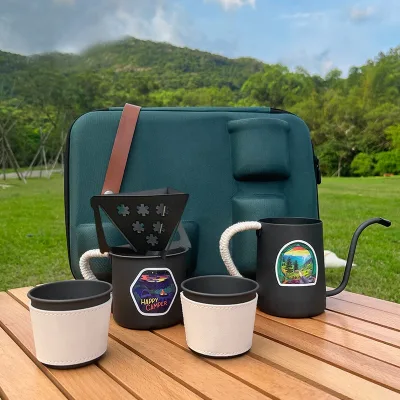
The versatility of pour over coffee kits allows them to serve multiple market segments, from professional cafes to outdoor enthusiasts. The "Usages" attribute highlights "Outdoor" and "Camping" as primary applications, particularly for stainless steel models. These kits are designed to withstand the rigors of travel, featuring "Removable and Easy Clean" mechanisms that facilitate maintenance in environments without running water. The inclusion of a "Lid" further enhances their utility for travel, preventing spills and retaining heat.
In addition to outdoor use, these kits are widely used for "Hot Cup" and "Cold Cup" applications, making them suitable for year-round consumption. The "Design Style" often leans towards "American Style," which typically implies a robust, functional aesthetic that appeals to a broad consumer base. The "Feature" of "Sustainable" and "Eco-Friendly" attributes targets the growing demographic of environmentally conscious consumers who prefer reusable brewing methods over single-use paper filters or pods.
Furthermore, the "Coffee & Tea Tools Type" classification as "Coffee Filter Baskets" indicates that these products are often part of a larger ecosystem of brewing equipment. They are designed to work with specific grounds and water temperatures, ensuring optimal extraction. The "Useage" of "Brew Coffee & Tea" confirms their dual functionality, expanding their market appeal beyond just coffee enthusiasts.
Supplier Evaluation and Customization Capabilities
Selecting the right supplier requires a deep dive into their customization capabilities and production flexibility. The market data indicates that most suppliers offer "Customization: Available" and "Logo: Customize Logo Acceptable" services. This suggests a high degree of flexibility in branding and design. Buyers should evaluate the supplier's ability to handle "Silk Screen Printing" and other technical processes that affect the final product appearance.
The "Service" attribute explicitly mentions "OEM for Logo, Color and Design," which is a strong indicator of a supplier's capacity to act as a manufacturing partner rather than just a vendor. However, buyers must verify the lead times and sample availability. With a "Sample Time" of 2 days, suppliers appear agile, but this may vary for complex customizations. The "Packing" options, ranging from "Carton Box" to "White Box/Color Box" and "Brown Cartoon," offer flexibility in branding the final product for retail or corporate gifting.
It is crucial to note that the "Product Origin" is predominantly "Zhejiang, China" or generally "China." While this region is a hub for manufacturing, buyers should verify the specific factory location and capacity to ensure consistent quality. The "Weight" attribute, described as "Light," is a key selling point for portable kits, but buyers should confirm the actual weight specifications for their specific model to ensure it meets their logistical requirements.
Quality Control and Long-Term Procurement Strategy
Ensuring long-term success in sourcing requires a robust quality control (QC) strategy. Buyers should focus on the "Material Type" and "Metal Type" to ensure the stainless steel or glass meets food-grade standards. The "Anti-Corrosion" feature is particularly relevant for metal components, ensuring longevity even in humid or outdoor environments. Regular testing for durability and thermal shock resistance is recommended, especially for glass products used in hot brewing scenarios.
The "Standard" specifications, such as the 11.211.212.75cm dimension, serve as a baseline for quality assurance. Deviations from these standards may indicate production inconsistencies. Buyers should establish clear acceptance criteria for packaging, ensuring that the "Carton" or "Box" provides adequate protection during transit. The "Packing" method, whether "Customized Packing" or standard "White Box," should align with the buyer's brand image and shipping requirements.
Long-term procurement considerations also involve supply chain resilience. Given the "Sample" availability and the range of MOQs, buyers can adopt a phased approach, starting with small orders to test quality and scaling up as confidence grows. The "Feature" of "Large Capacity" and "Eco-Friendly" nature suggests a growing market demand, making it essential to secure a supplier who can scale production without compromising on the "LFGB" or "BSCI" certifications.
Comparative Analysis of Product Attributes
To facilitate decision-making, the following table summarizes the key attributes observed across different product listings, highlighting the trade-offs between material, certification, and application.
| Attribute Category | Stainless Steel Variant | Glass Variant | Wood Variant |
|---|---|---|---|
| Material Type | Stainless Steel Material | Glass | Wood |
| Primary Certification | LFGB, BSCI, ISO9000 | CIQ | (Verify specific food safety) |
| Design Style | American Style | Standard | Natural/Artisan |
| Key Features | Light, Anti-Corrosion, Removable | Anti-Corrosion, Clear View | Eco-Friendly, Sustainable |
| Typical Usage | Outdoor, Camping, Hot/Cold Cup | Brew Coffee & Tea | Brew Coffee & Tea |
| Packaging | Carton Box, White Box | White Box | Brown Cartoon |
| Customization | Logo, Color, Design | Logo, Color | Logo, Color |
| Model Examples | DA-S001, S001 | POCS-01-S | TS10B |
This comparison underscores that while all variants serve the core function of pour-over brewing, the choice depends heavily on the intended use case and brand positioning. Stainless steel offers durability for travel, glass provides aesthetic appeal for home use, and wood offers a unique eco-friendly narrative.
Final Procurement Recommendations
In conclusion, sourcing an eco-friendly pour over coffee kit requires a balanced approach that considers material integrity, certification validity, and customization flexibility. Buyers should prioritize suppliers who can demonstrate clear compliance with LFGB and BSCI standards, particularly for products intended for food contact. The wide range of observed prices and MOQs allows for strategic sourcing, from small test batches to large-scale production runs.
By focusing on the specific attributes such as "Light" weight, "Removable and Easy Clean" design, and "Sustainable" features, buyers can align their procurement strategy with market trends and consumer expectations. It is imperative to verify all specifications against the actual product samples before committing to bulk orders. The availability of "OEM" services and "Customized Packing" offers significant opportunities for brand differentiation, but these must be managed with rigorous quality control to ensure the final product meets the high standards expected in the B2B market.
FAQs
What certifications do eco friendly pour over coffee kits have?
Many stainless steel models carry LFGB, BSCI, and ISO9000 certifications to ensure food safety and quality management. Glass variants may feature CIQ certification for export compliance. Buyers should verify that these specific certificates apply to the exact production batch before purchasing.
Which materials are used for these coffee brewing sets?
The kits are primarily constructed from stainless steel, glass, or wood depending on the specific model. Stainless steel offers durability for outdoor use, while glass provides visual clarity. Wood components add a natural aesthetic, and all materials are selected for their resistance to corrosion and environmental impact.
Can buyers customize the logo and design on these kits?
Yes, suppliers offer OEM services for logo, color, and design customization on most models. Buyers can request silk screen printing or other technical processes to tailor the product. Customized packing options are also available to align with specific brand requirements and retail needs.
What is the typical capacity range for these pour over sets?
Capacity varies significantly by model, ranging from 300ml to 500ml or up to 12 oz. The physical dimensions also differ, with some stainless steel models measuring approximately 11.2 by 11.2 by 12.75 cm. Buyers must check specific product specifications to match their intended usage volume.
How do I find suppliers with low minimum order quantities?
Suppliers offer flexible Minimum Order Quantities ranging from one unit to 3000 units depending on the product. Small buyers can often start with single-piece samples or low-volume orders to test quality. Bulk purchasing allows for better economies of scale, but small batches are accessible for initial testing.
Are these coffee kits suitable for outdoor camping use?
Yes, stainless steel models are specifically designed for outdoor and camping applications due to their lightweight and durable nature. They feature removable parts for easy cleaning and often include lids to prevent spills. These kits are built to withstand travel rigors while maintaining hot or cold beverage temperatures.
What is the lead time for samples of these coffee sets?
Sample availability is typically fast, with sample times as short as two days for many suppliers. This allows buyers to validate product quality and customization options before committing to large orders. Buyers should confirm specific lead times with the manufacturer as they may vary based on design complexity.