Source eco-friendly printed casual shirt and pants set for daily wear, beach trips, and outdoor activities
Find 30 verified options for an eco-friendly printed casual shirt and pants set suitable for daily wear, beach trips, and outdoor activities. Buyers can compare customization, materials, and pricing to select the best fit for promotional or personal use.
Key considerations
Products List


Customizable Cozy Flannel Sweatshirt and Casual Long Pants Set for Comfort
$15.00 - $29.00
MOQ: 30 Pieces


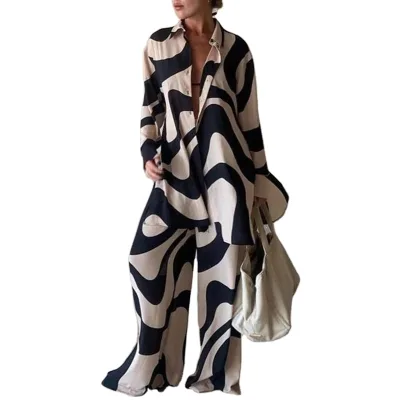
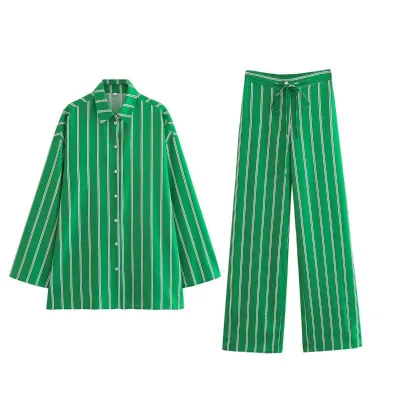
Comprehensive Sourcing Guide
Strategic Sourcing Guide for Eco-Friendly Printed Casual Shirt and Pants Sets
Understanding Product Attributes and Technical Specifications
When sourcing an eco-friendly printed casual shirt and pants set, buyers must first navigate the diverse technical specifications available in the current market. The observed product landscape reveals a significant variance in design parameters, requiring precise definition before engaging suppliers. The core product category encompasses items with varying collar styles, including Polo Neck and Round Neck options, as well as O-Neck designs. Sleeve configurations range from Short Sleeve to Long Sleeve, with Normal Sleeve shapes being a common standard. Seasonal suitability is a critical technical factor; while some listings specify Summer or Spring/Summer applicability, others indicate broader usage for Daily, Holiday, Beach, and Outdoor scenes.
Material composition is a primary differentiator in this sector. The available data indicates a split between Polyester and 100% Cotton options. For buyers prioritizing an "eco-friendly" narrative, the material selection requires careful verification, as the presence of Polyester does not inherently align with sustainability goals unless specified as recycled, whereas 100% Cotton is often perceived as a more natural alternative. The production techniques observed include Printed and Knitted styles, with specific emphasis on Heat Transfer Printing as a dominant method for customization. Pattern variations are extensive, ranging from Plain and Logo designs to Cartoon graphics, allowing for significant branding flexibility.
The sizing and fit specifications also vary widely. Buyers may encounter "Free Size" options, which are common in promotional contexts, alongside specific model numbers such as 26031206, 26031211, and WCS-06. Length specifications are equally diverse, with options labeled as Short, Full Length, or Slim. These technical attributes must be clearly defined in the Request for Quotation (RFQ) to ensure the final product aligns with the intended casual aesthetic and functional requirements. The supply type is predominantly OEM Service, indicating that most manufacturers are equipped to handle custom orders rather than selling only off-the-shelf inventory.
Compliance, Certification, and Environmental Verification
The term "eco-friendly" in B2B procurement is often used loosely, necessitating rigorous verification of compliance and certification status. While the provided product data lists specific standards such as "100% Cotton" and "as requirements," it does not explicitly confirm third-party environmental certifications like GOTS (Global Organic Textile Standard) or Oeko-Tex. These certifications are critical for validating eco-friendly claims, yet they appear in the background context with low confidence, meaning they cannot be assumed to be present in every listed product without direct supplier confirmation.
Buyers must treat material claims as observations rather than guaranteed certifications. For instance, a product listing "100% Cotton" describes the fiber content but does not verify the farming practices or chemical processing methods used to achieve that composition. Similarly, the presence of Polyester does not preclude the use of recycled materials, but this must be explicitly stated in the supplier's documentation. The standard "10255" or "1083" mentioned in the data refers to packaging dimensions rather than product quality standards, and should not be conflated with environmental compliance metrics.
To ensure genuine eco-friendly status, procurement teams should request specific test reports and certification documents directly from potential suppliers. Verification should focus on the supply chain transparency, asking for evidence of organic farming practices for cotton or the percentage of post-consumer recycled content in polyester blends. The absence of explicit certification data in the general product listings underscores the need for a proactive due diligence process. Buyers should not rely on the general market trend but must demand proof of compliance for each specific order, ensuring that the "eco-friendly" label is backed by verifiable data rather than marketing terminology.
Cost Drivers and Pricing Dynamics
The pricing structure for casual shirt and pants sets is influenced by a complex interplay of material costs, customization levels, and order volume. The observed price range in the market spans from 0.5 to 29 USD, a wide variance that reflects differences in material quality, production complexity, and branding requirements. Lower-priced items in the 0.5 to 5 USD range typically correspond to basic Polyester or Cotton blends with standard printing methods and minimal customization. In contrast, items approaching the higher end of the spectrum often involve premium materials, complex Heat Transfer Printing, or specialized eco-friendly certifications.
Order Volume is a significant cost driver, with the observed Minimum Order Quantity (MOQ) ranging from 1 to 1500 units. Suppliers offering an MOQ of 1 are likely catering to small-scale promotional needs or sampling, often at a higher unit cost. Conversely, orders exceeding 1000 units may benefit from economies of scale, reducing the per-unit price significantly. The customization options, such as Customized Label, Customized Color, and Customized Logo Printing, add layers of complexity to the production process, which can increase costs. The "as Requirements" packing standard suggests that specialized packaging solutions, which might be necessary for eco-friendly branding, could further influence the final price.
Buyers must balance the desire for eco-friendly materials with budget constraints. While 100% Cotton is often preferred for its natural properties, it may carry a higher price point compared to standard Polyester. Additionally, the use of Heat Transfer Printing requires specific equipment and expertise, which can impact the manufacturing cost. The "Supply Type: OEM Service" indicates that the cost will also include the supplier's margin for design and production management. Understanding these cost drivers allows buyers to negotiate more effectively and allocate their budget to the most critical aspects of the product, such as material sustainability or print quality.
Typical Applications and Market Segmentation
The versatility of casual shirt and pants sets makes them suitable for a wide array of applications, from corporate branding to leisure wear. The data highlights "Applicable Scene" options including Daily, Holiday, Beach, and Outdoor settings, indicating a strong potential for promotional and lifestyle markets. The "Feature" attributes of Promotional/Advertising and Breathable suggest that these sets are frequently utilized for corporate events, team uniforms, or marketing campaigns where comfort and brand visibility are paramount.
For promotional use, the ability to customize the logo, color, and label is a key advantage. The "Customized Logo Printing" and "Customized Label" attributes allow companies to create unique, branded merchandise that resonates with their target audience. The "Slim" model and "Free Size" options provide flexibility in sizing, ensuring that the products fit a diverse range of body types, which is essential for mass distribution. The "Summer" and "Spring/Summer" seasonal tags indicate that these products are particularly relevant for warm-weather events, beach resorts, and outdoor festivals.
In the retail sector, the "Casual" style and "Knitted" or "Printed" attributes appeal to consumers seeking comfortable, everyday wear. The availability of "Mixed Color" options allows retailers to offer variety without managing excessive inventory. The "Long Sleeve" and "Short Sleeve" variations cater to different climate preferences, expanding the potential market reach. Whether for a corporate giveaway, a fashion line, or a promotional event, the combination of customization and functional design makes these sets a versatile choice for various market segments.
Supplier Evaluation and Quality Control Protocols
Evaluating suppliers for eco-friendly printed sets requires a multi-faceted approach that goes beyond price and lead time. The origin of the products is noted as China's Jiangxi Nanchang or generally China, which provides a baseline for logistics but does not guarantee quality or sustainability. Buyers should verify the supplier's production capabilities, specifically their experience with Heat Transfer Printing and the handling of different materials like Polyester and Cotton. The "Supply Type: OEM Service" confirms that suppliers are capable of custom manufacturing, but the depth of their expertise in eco-friendly processes must be assessed.
Quality control is paramount, especially when dealing with printed garments. The "Pattern" attributes, ranging from Plain to Cartoon, require precise color matching and print durability. Buyers should request samples to test the adhesion of the Heat Transfer Printing and the breathability of the fabric. The "Feature: Breathable" claim should be validated through physical testing to ensure the product meets the comfort expectations of the end-user. Additionally, the "prod_packing" attributes, such as Polybag or PP, indicate that packaging standards vary, and buyers should specify eco-friendly packaging requirements if sustainability is a core goal.
The "Standard" attributes like "10255" and "1083" refer to packaging dimensions, but the actual product standards should be verified against international norms. Buyers should establish clear quality control checkpoints, including pre-production sample approval, in-line inspections, and final random inspections. The "Customized Color" and "Customized Label" options introduce variables that must be strictly controlled to prevent color mismatches or labeling errors. A robust quality control protocol ensures that the final product meets the specified technical and aesthetic requirements, minimizing the risk of returns and maintaining brand reputation.
Long-Term Procurement Considerations and Supply Chain Resilience
Sourcing eco-friendly printed casual sets is not just a one-time transaction but a strategic long-term partnership. The "Supply Type: OEM Service" implies a collaborative relationship where the supplier adapts to the buyer's evolving needs. Buyers should consider the scalability of the supplier's production capacity, especially given the wide MOQ range of 1 to 1500. A supplier capable of handling both small, agile orders and large-scale production runs offers greater flexibility for a growing business.
Sustainability is a long-term commitment that requires continuous monitoring and improvement. As regulations and consumer expectations regarding eco-friendly products evolve, buyers must ensure their suppliers can adapt. This includes staying updated on material innovations, such as recycled polyester or organic cotton, and ensuring that the "as requirements" standard can be met with the latest sustainable practices. The "prod_origin" in China's Jiangxi Nanchang suggests a specific manufacturing hub, but buyers should also consider the geopolitical and logistical stability of the supply chain.
Building a resilient supply chain involves diversifying suppliers and maintaining open communication channels. Regular audits and performance reviews can help identify areas for improvement and ensure that the supplier continues to meet quality and sustainability standards. The "Customized Label" and "Customized Logo Printing" features offer opportunities for brand evolution, allowing the product line to grow with the company's identity. By focusing on long-term collaboration, transparency, and continuous improvement, buyers can secure a reliable source of high-quality, eco-friendly casual wear that meets both current and future market demands.
FAQs
What materials are available for eco-friendly printed casual shirt and pants sets?
Available materials include Polyester and 100% Cotton options. Buyers should verify specific fiber content and processing methods to ensure the product meets their sustainability goals before placing an order.
Can I customize the logo and color for these printed sets?
Yes, customization is available for logos, colors, and labels. Suppliers offer Heat Transfer Printing and custom labels, allowing for unique branding while adhering to specific design requirements.
Which collar styles are offered for these casual sets?
Options include Polo Neck, Round Neck, and O-Neck styles. The specific collar style depends on the model selected, with some designs featuring short sleeves and others long sleeves for different seasons.
How does the minimum order quantity affect pricing for these sets?
The minimum order quantity ranges from 1 to 1500 units, influencing the unit price significantly. Lower quantities often cost more per item, while larger orders may benefit from reduced costs due to economies of scale.
Where are these casual shirt and pants sets manufactured?
Products originate from China, specifically Jiangxi Nanchang. Buyers should confirm the exact origin and logistics details with suppliers to ensure alignment with their shipping and compliance requirements.
What printing methods are used for these custom printed sets?
Heat Transfer Printing is a dominant method used for customization. This technique allows for detailed patterns like logos, cartoons, or plain designs on various fabric types including Polyester and Cotton.