Source Eco-Friendly PU Dog Trolley for Travel Shopping Pet
Compare 30 Eco-Friendly PU Dog Trolley options from verified suppliers. Buyers can evaluate specifications, materials, and pricing for pet travel, shopping, and small animal transport needs. These units feature folding designs, various colors, and durable materials suitable for daily use.
Key considerations
Products List


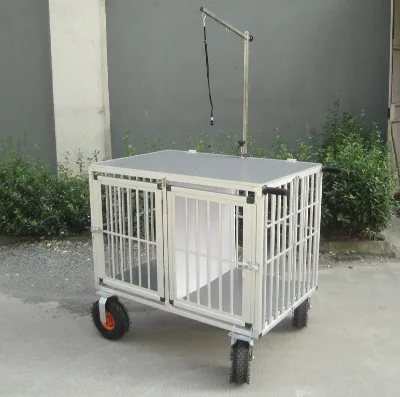
Animal Stretcher Pet Stretcher Trolley with Wheels Pet Transport Trolley
$500.00 - $850.00
MOQ: 1 Pieces

Hot Sale Stainless Steel Animal Stretcher Pet Trolley From China Supplier
$100.00 - $200.00
MOQ: 1 Pieces


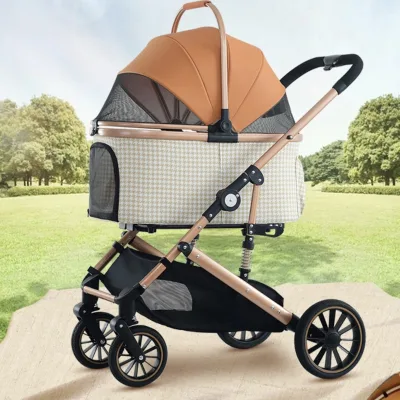
Detachable Storage Basket Dog Trolley with Cup Holder All Terrain Waterproof
$9.80 - $15.00
MOQ: 50 Pieces

Foldable & Portable Dog Trolley with Water Bottle Holder for Pet Outdoor
$9.80 - $15.00
MOQ: 50 Pieces

Ultra-Lightweight Oxford Durable Foldable Pet Travel Trolley for Cat/Dog Pet Products
$17.00 - $20.11
MOQ: 30 Pieces






Comprehensive Sourcing Guide
Eco-Friendly PU Dog Trolley Sourcing Guide
Sourcing an eco-friendly PU dog trolley requires balancing material sustainability with functional durability for pet mobility. Buyers must evaluate how polyurethane alternatives align with environmental goals while maintaining structural integrity for daily use. The market offers various configurations, from compact travel carriers to larger strollers, each serving distinct logistical needs for pet owners and retailers. Understanding the specific application context helps in selecting the right model, whether for air transportation, train travel, or general shopping assistance.
Procurement decisions should prioritize suppliers who transparently disclose material compositions and manufacturing processes. Since "eco-friendly" is a broad term, buyers need to verify what specific attributes qualify the product, such as recyclable components or reduced carbon footprint in production. This guide outlines the critical verification steps for specifications, compliance, and commercial terms to ensure that the selected trolley meets both ethical standards and practical performance requirements for end-users.
Product Scope and Observed Listing Signals
The observed product landscape includes a diverse range of items, from industrial machinery to specialized pet transport solutions. For dog trolleys, listings indicate models designed for small animals, cats, and dogs, with applications spanning pet travel, air transportation, and shopping. Key attributes often include foldable designs for portability, multiple wheel configurations for stability, and various color options to suit consumer preferences. These signals suggest a market focused on convenience and adaptability for mobile pet care.
Material composition is a critical differentiator in this category. While some listings highlight stainless steel or aluminum alloy for durability, others specify fabric, metal, and cotton blends for lightweight comfort. Buyers should note that PU (polyurethane) components may be used for upholstery or structural elements, offering a balance between softness and resilience. The presence of features like waterproofing or eco-friendly certifications can significantly influence purchasing decisions, requiring careful scrutiny of product descriptions to match specific buyer requirements.
Technical Specifications to Verify
When evaluating technical specifications, buyers must confirm the dimensions and weight capacities of the trolley to ensure suitability for their target pet demographic. Standard open sizes and folding dimensions are crucial for storage and transport efficiency. For instance, some models offer open sizes around 120x49x62cm, while folded sizes may reduce to approximately 103x20x22cm, facilitating easy storage in vehicles or homes. Verifying these measurements prevents mismatches between product capabilities and customer expectations.
Load-bearing capacity and wheel configuration are equally important for safety and maneuverability. Specifications often cite maximum loading weights, such as 20-29kg or capacities exceeding 10kg, which dictate the trolley's utility for larger breeds. The number of wheels, typically four, impacts stability on various terrains. Buyers should also inspect the folding mechanism, whether manual or automatic, to assess ease of use. Ensuring these technical details align with the intended application reduces the risk of product returns and enhances user satisfaction.
Compliance and Safety Documentation
Compliance with safety standards is paramount for pet transport products, ensuring the well-being of animals during use. Buyers should request documentation verifying that materials meet relevant safety regulations, particularly regarding toxicity and durability. While specific certifications like CE or ISO are common in industrial goods, pet products may require different compliance markers. It is essential to confirm that the trolley does not contain harmful substances and that its construction prevents accidental injuries to pets.
Environmental compliance is another critical aspect, especially for products marketed as eco-friendly. Buyers must verify claims regarding sustainable materials and manufacturing processes. This may involve checking for certifications related to recycled content or low-emission production. Additionally, packaging standards should be reviewed to ensure they minimize waste. Understanding the regulatory landscape in the target market helps buyers avoid legal pitfalls and ensures that the product meets local safety and environmental expectations.
Cost Drivers and Commercial Terms
Cost drivers for eco-friendly PU dog trolleys include material quality, manufacturing complexity, and compliance with environmental standards. Premium materials and specialized designs often command higher prices, reflecting the added value of durability and sustainability. Buyers should analyze the price range, which can vary significantly based on features and brand reputation. Understanding these factors helps in budgeting and negotiating favorable terms with suppliers.
Commercial terms such as MOQ (Minimum Order Quantity) and lead times are critical for inventory planning. Observed MOQs can range from small batches to larger quantities, influencing the initial investment required. Lead times may vary based on production schedules and shipping methods, whether by air or sea. Buyers should clarify these terms early in the negotiation process to avoid delays and ensure timely delivery. Transparent communication about costs and terms fosters a reliable supply chain relationship.
Supplier Qualification and Quality Control
Supplier qualification involves assessing the manufacturer's reputation, production capabilities, and quality control processes. Buyers should verify the supplier's experience in producing pet transport products and their adherence to industry best practices. Checking for relevant certifications and past performance records provides insight into the supplier's reliability. A qualified supplier will have robust systems in place to maintain consistent product quality and meet delivery schedules.
Quality control measures should be clearly defined and enforced throughout the production process. Buyers should request samples for inspection to evaluate material quality, stitching durability, and overall craftsmanship. Implementing pre-shipment inspections can help identify defects before products leave the factory. Establishing clear quality standards and communication channels with the supplier ensures that any issues are addressed promptly, maintaining the integrity of the product and protecting the buyer's brand reputation.
Long-Term Procurement Checks
Long-term procurement success depends on continuous monitoring of supplier performance and product quality. Buyers should establish regular review cycles to assess adherence to agreed-upon standards and identify areas for improvement. Feedback from end-users can provide valuable insights into product performance and potential enhancements. Maintaining open communication with suppliers facilitates collaborative problem-solving and drives continuous improvement in product design and manufacturing processes.
Adapting to market trends and regulatory changes is essential for sustained competitiveness. Buyers should stay informed about emerging sustainability practices and consumer preferences in the pet care industry. Regularly updating procurement strategies to align with these trends ensures that the product portfolio remains relevant and appealing. By prioritizing long-term relationships and strategic planning, buyers can secure a reliable supply of high-quality, eco-friendly dog trolleys that meet evolving market demands.
FAQs
What materials are used in eco friendly pu dog trolleys?
These trolleys typically utilize eco-friendly PU leather combined with durable Oxford fabric and metal frames. Some models incorporate cotton padding for added comfort. The structural integrity is often supported by aluminum alloy or stainless steel components, ensuring a lightweight yet robust design suitable for pet transport and daily use.
Can eco friendly pu dog trolleys be customized for branding?
Yes, customization is available for many models. Buyers can often specify colors such as blue, pink, grey, or black to match brand aesthetics. Some suppliers offer tailored dimensions or material selections to meet specific corporate or retail requirements, allowing for unique product differentiation in the pet accessories market.
What is the maximum weight capacity for these pet trolleys?
Capacity varies by model, with some units supporting up to 20kg or more. Specific designs are engineered for small animals, dogs, and cats, ensuring safe transport. Buyers should verify the exact load limits for each model, as capacities range from standard 20-29kg limits to higher thresholds for larger breeds.
How are eco friendly pu dog trolleys packaged for shipping?
Packaging methods depend on the product type and order volume. Smaller items may be packed in cartons, while larger industrial units often use steel frames and wood cases or are loaded directly into containers. This ensures protection during transit by air or sea, maintaining product quality upon arrival at the destination.
Are these trolleys suitable for air transportation of pets?
Certain models are explicitly designed for pet travel and air transportation. These units often feature folding mechanisms to save space and meet airline size restrictions. Buyers should check specific dimensions, such as folded sizes around 103x20x22cm, to ensure compliance with carrier regulations for safe and convenient pet travel.
What certifications do these manufacturing facilities typically hold?
Manufacturers often hold CE, ISO, and other relevant quality certifications. These credentials indicate adherence to international standards for production safety and quality management. Buyers can verify specific certifications like ISO/Ts16949 or CCC to ensure the supplier meets rigorous industry requirements for manufacturing reliable and safe pet transport equipment.